
Pondicherry, or Puducherry, functions as a sensory bridge between two distinct worlds. Nestled where the Bay of Bengal meets the Coromandel Coast, this Union Territory is a unique distillation of history that feels like a whispered secret shared between India and France. From the scent of fresh baguettes to the rhythmic chime of temple bells, the region offers a tranquil escape from the often frantic pace of modern life.
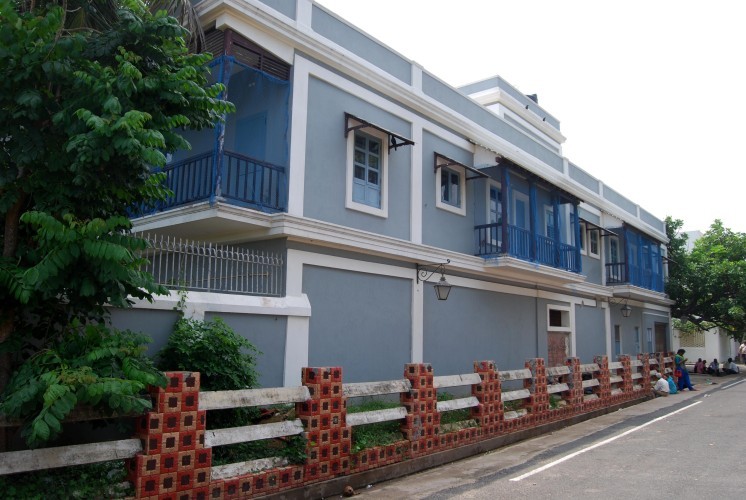
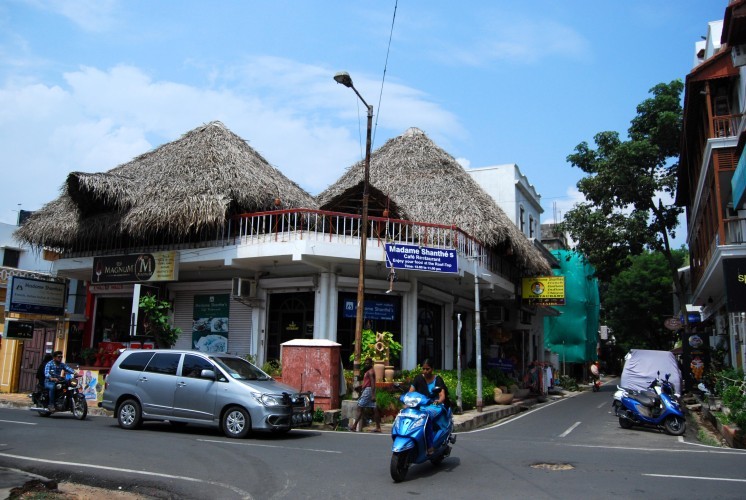
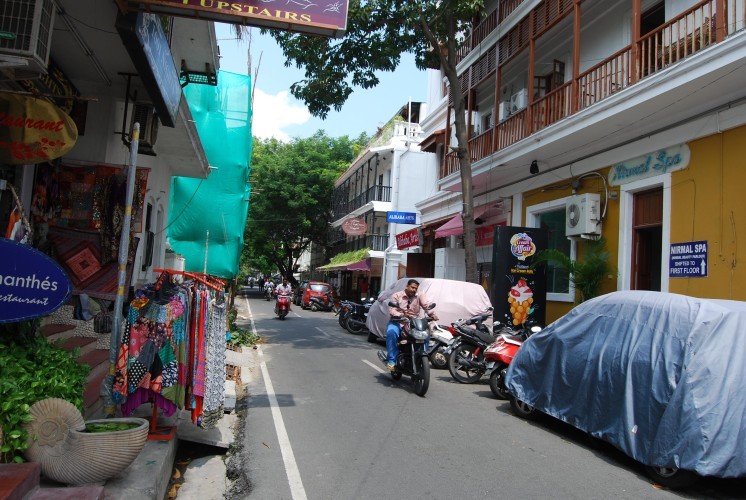
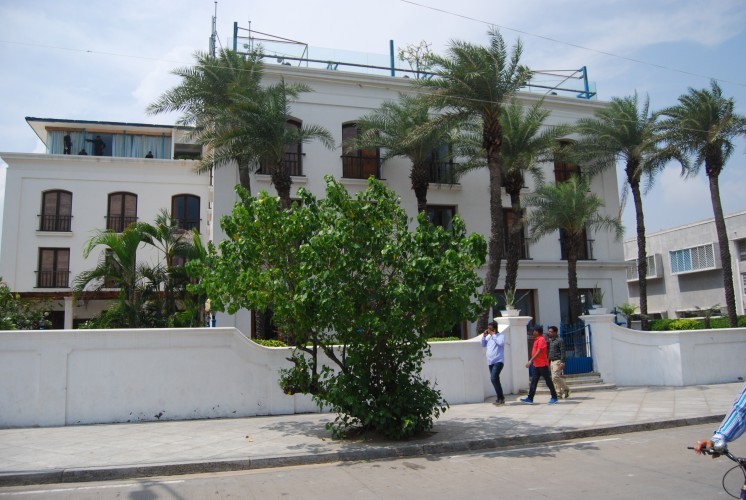
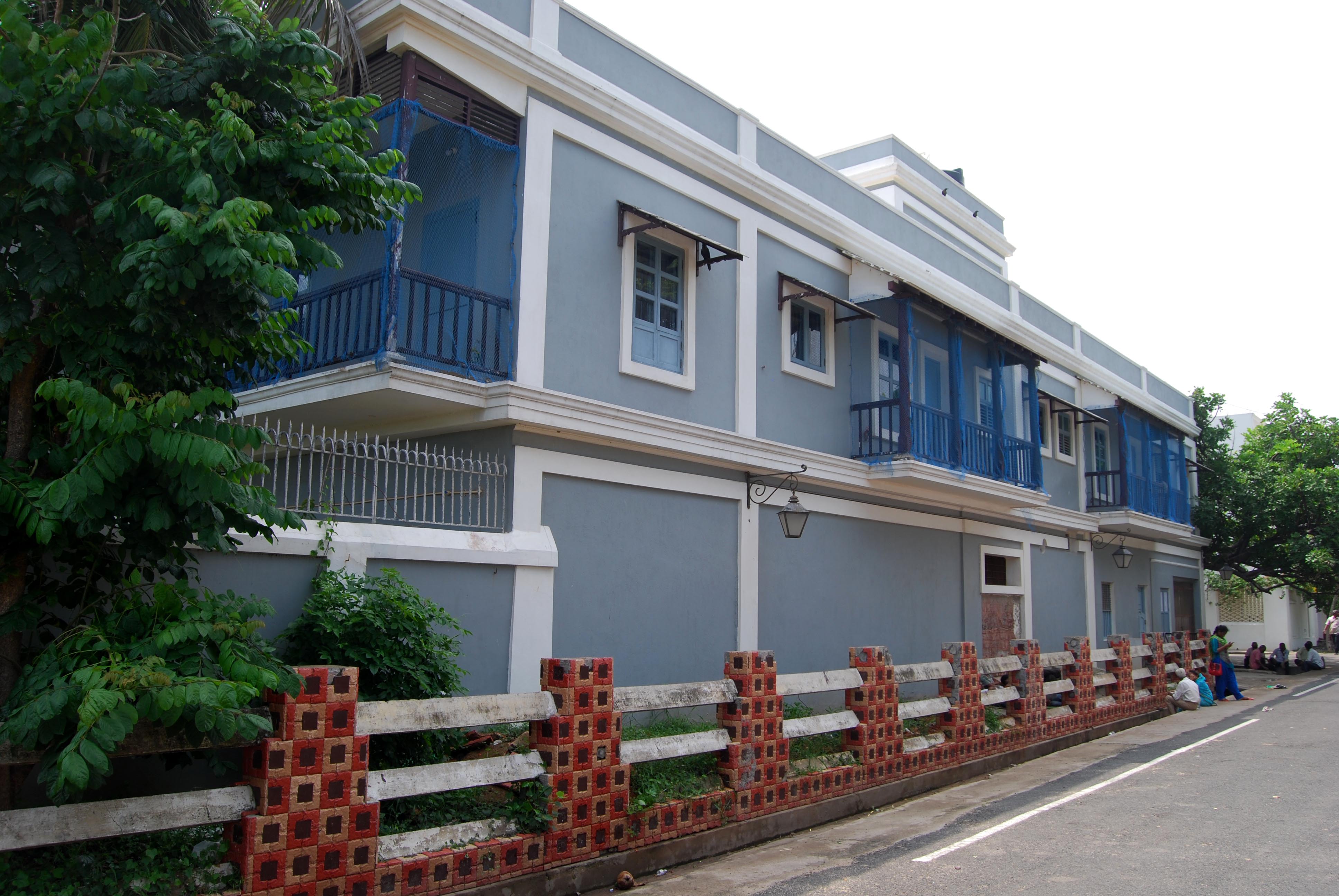
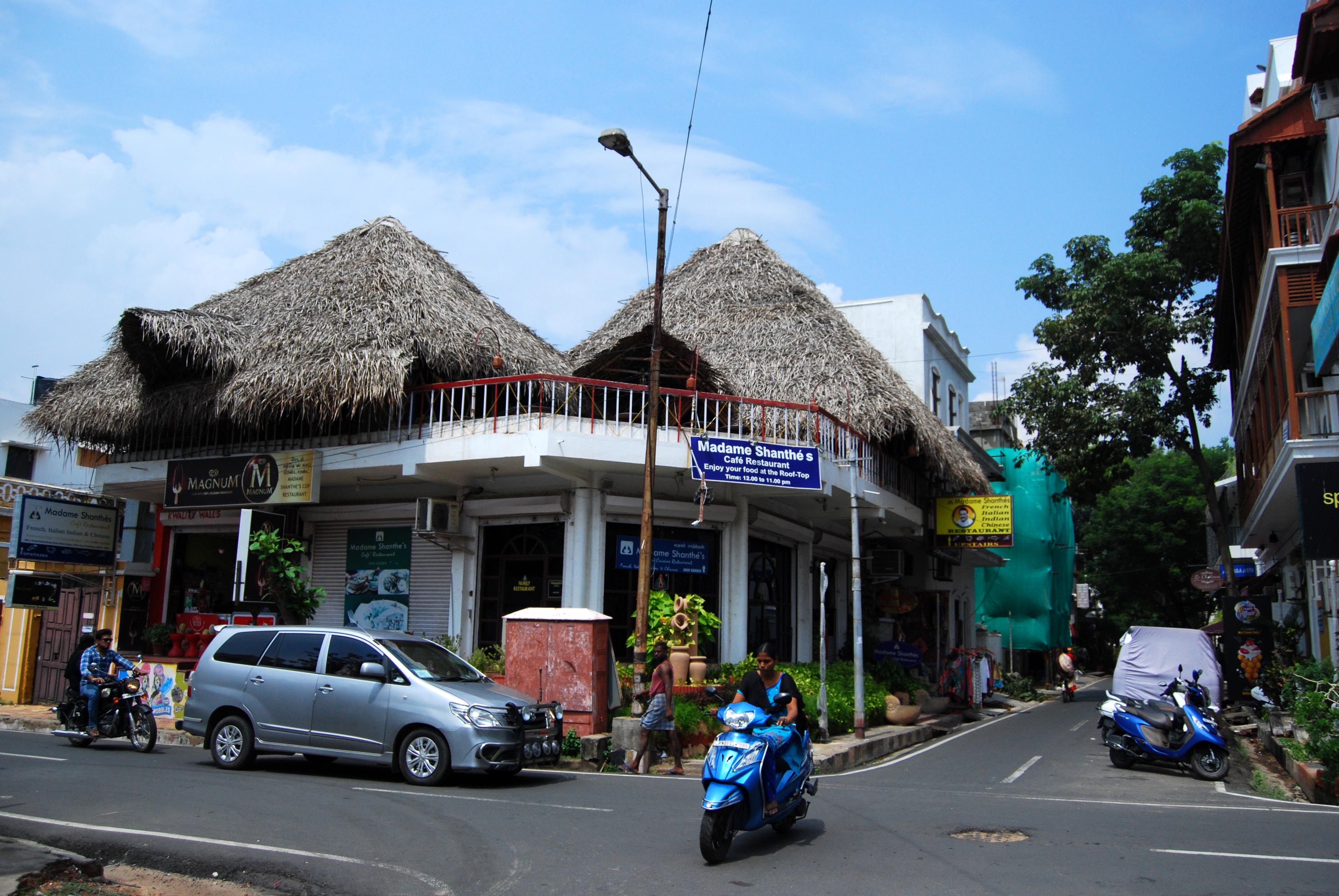
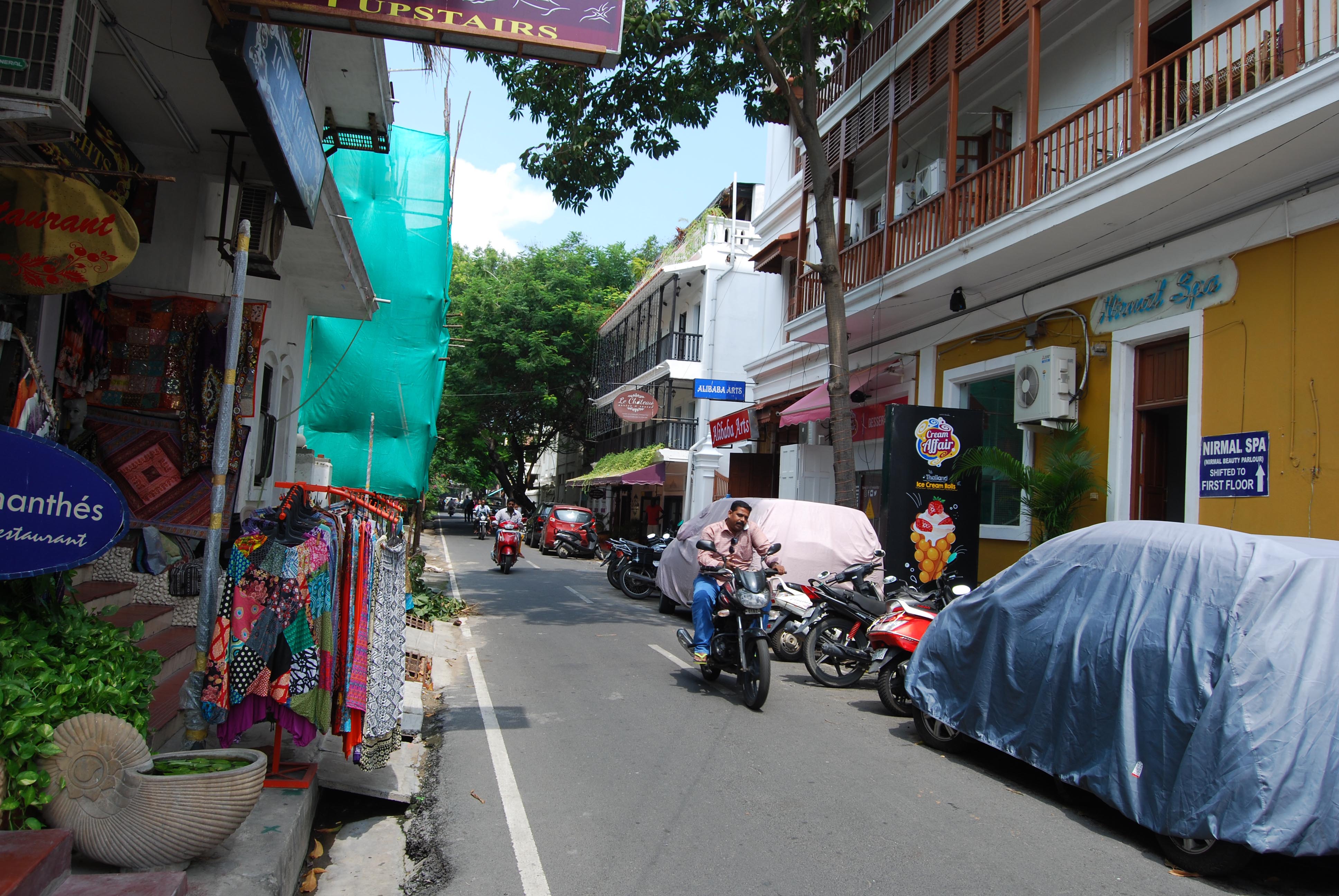
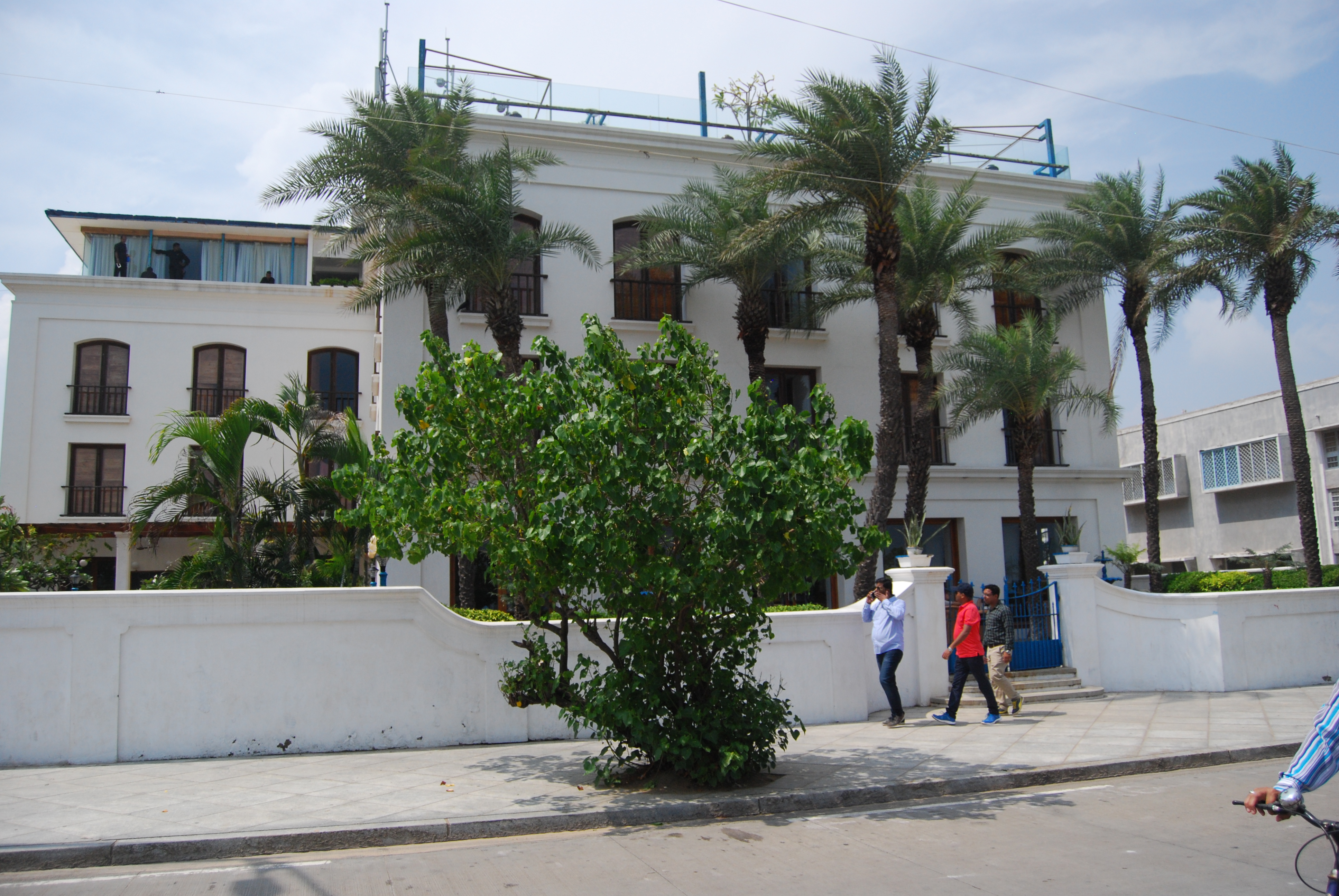
Stepping into the French Quarter, known locally as "Ville Blanche," feels like a sudden departure from the typical subcontinent landscape. This older part of the city stands in stark contrast to the bustling South Indian environment. The streets are a living canvas characterized by cobblestone pathways adorned with vibrant bougainvillaea that spills over compound walls. Stately 18th-century colonial buildings painted in shades of mustard yellow feature arched windows and heavy wooden doors, preserving a specific architectural elegance. Quiet, street-side bistros foster a café culture where the "French style" of slow living remains a practiced art, offering an alternate world for the Indian traveler where the Gallic creative spirit is preserved in the salt-misted air.
The skyline of Pondicherry is a mosaic of crumbling cathedrals and ancient gopurams. This architectural biodiversity reflects a spiritual harmony that has survived centuries of change. The Manakula Vinayagar Temple serves as a magnificent site of pilgrimage dedicated to Lord Ganesha and stands as a testament to the region’s deep-rooted Tamil heritage. Nearby, the Eglise de Notre Dame des Anges, with its pastel pink façade and limestone masonry, reflects the spiritual elegance of the French era. The spiritual heart of the city is undoubtedly the internationally renowned Sri Aurobindo Ashram, which provides a sanctuary for those seeking inner peace and lends an air of profound tranquility to the entire atmosphere.
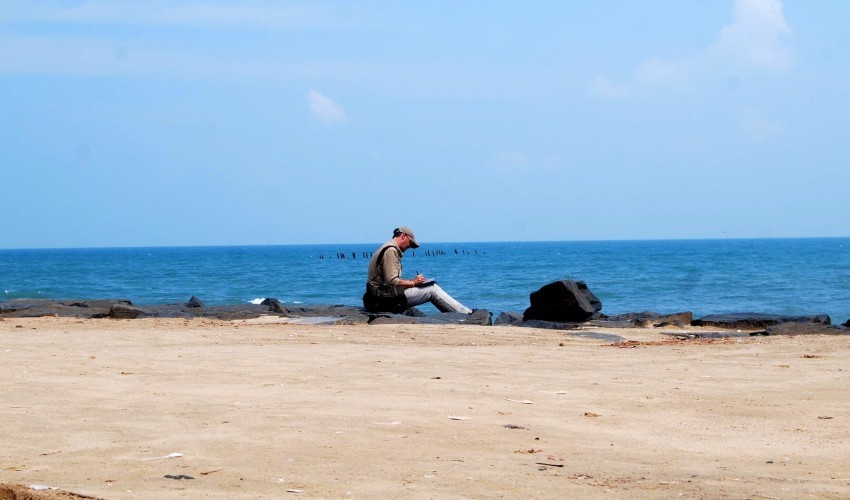
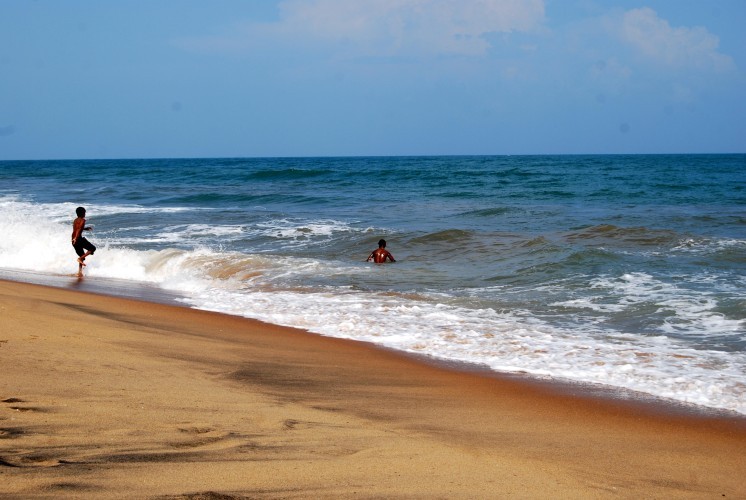
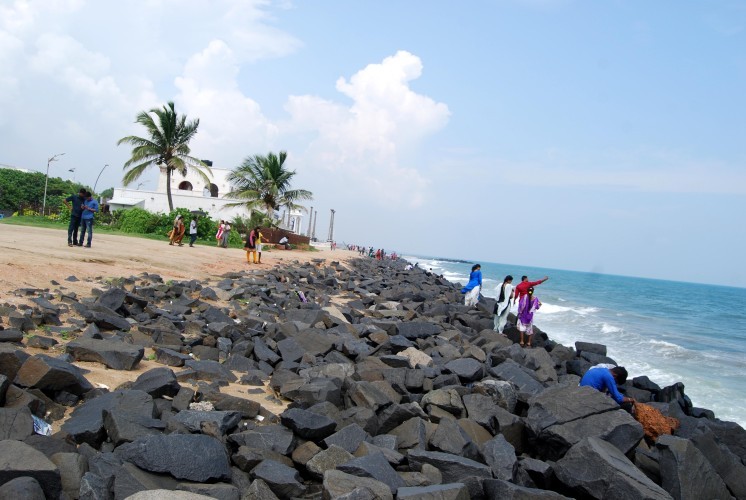
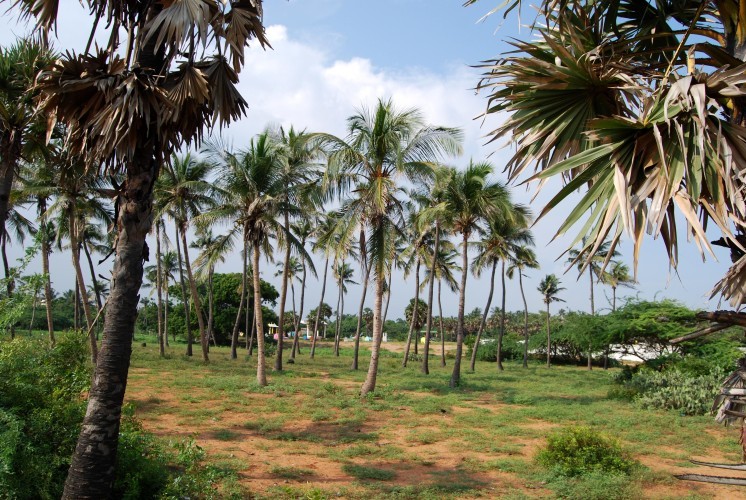
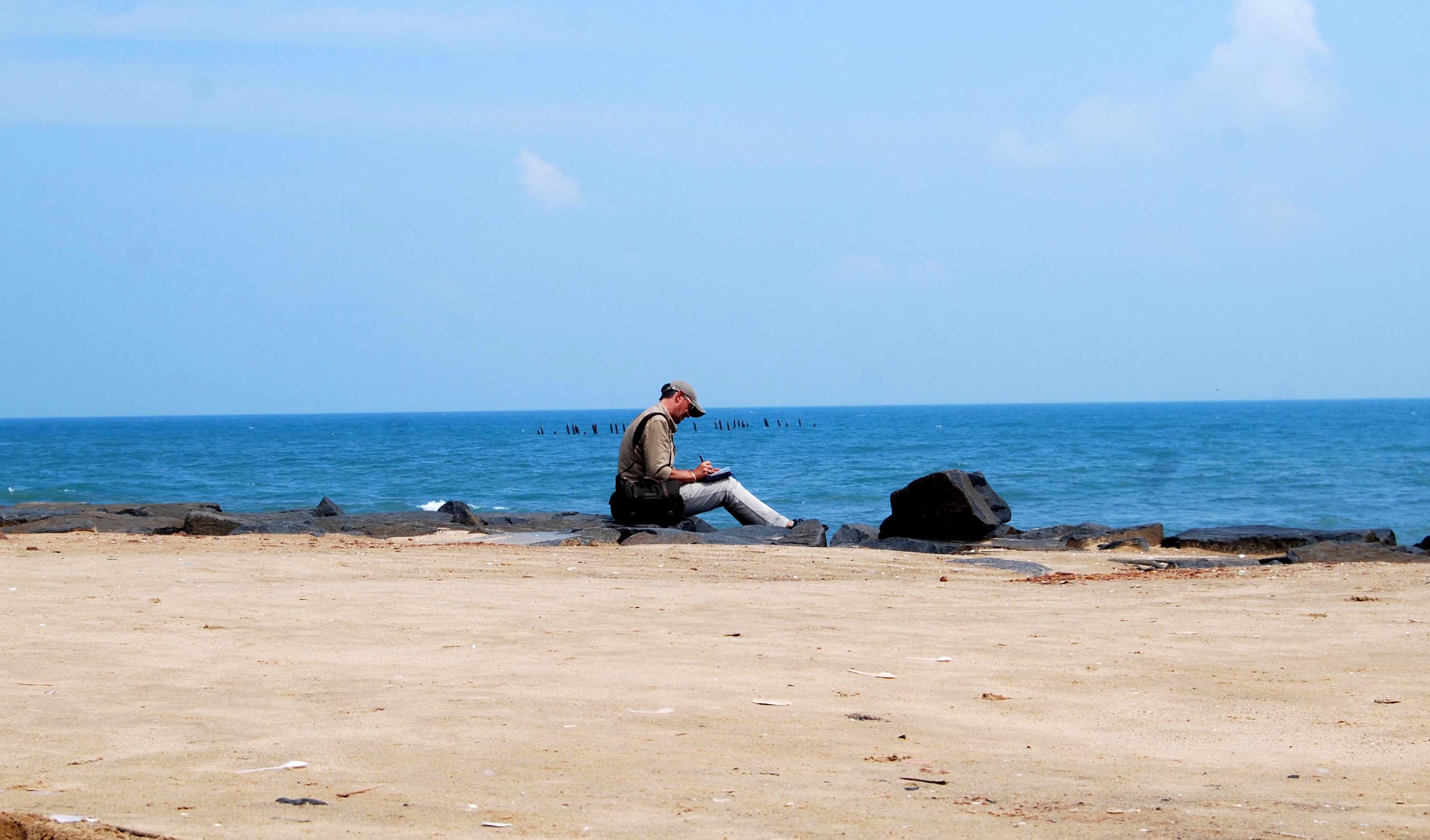
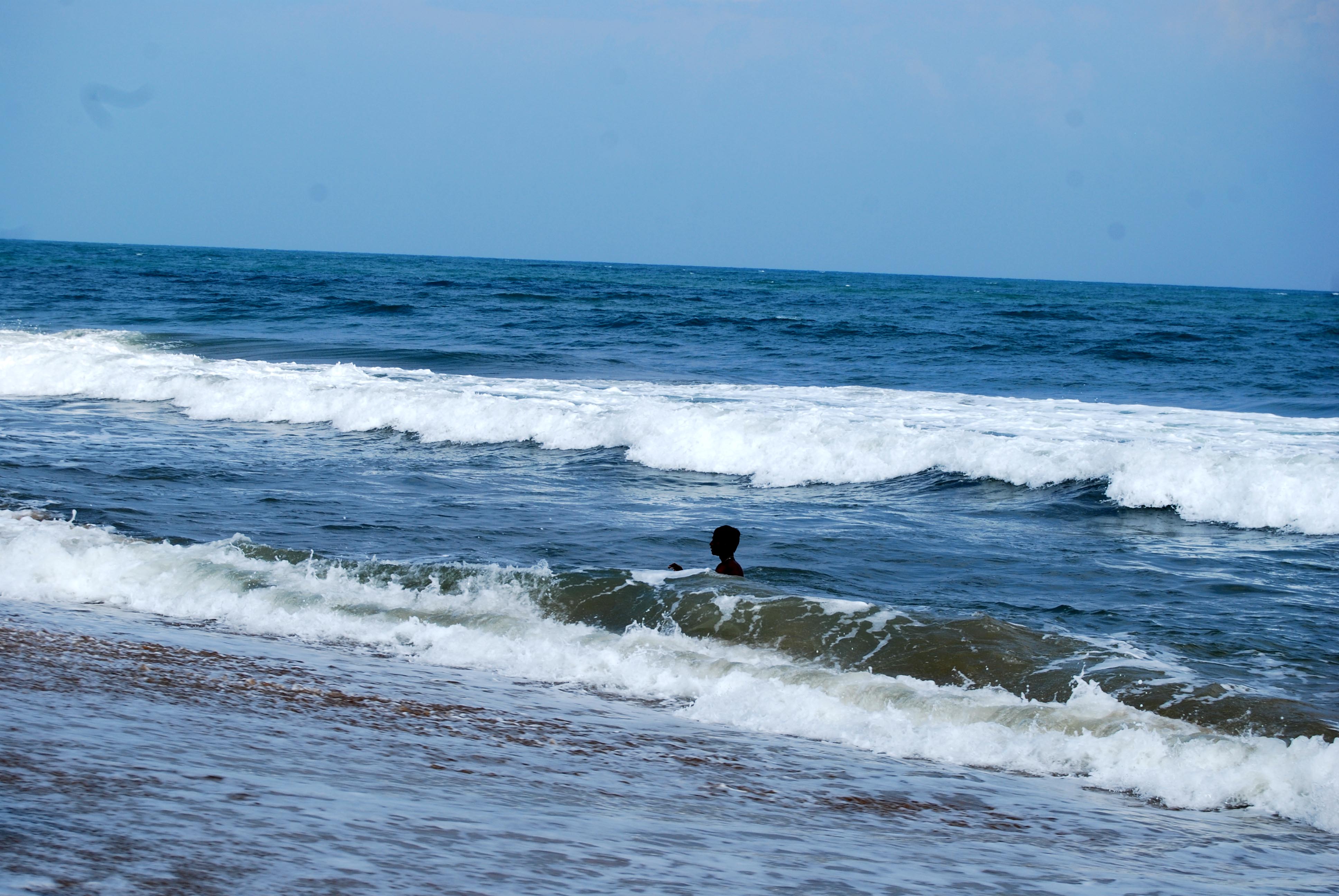
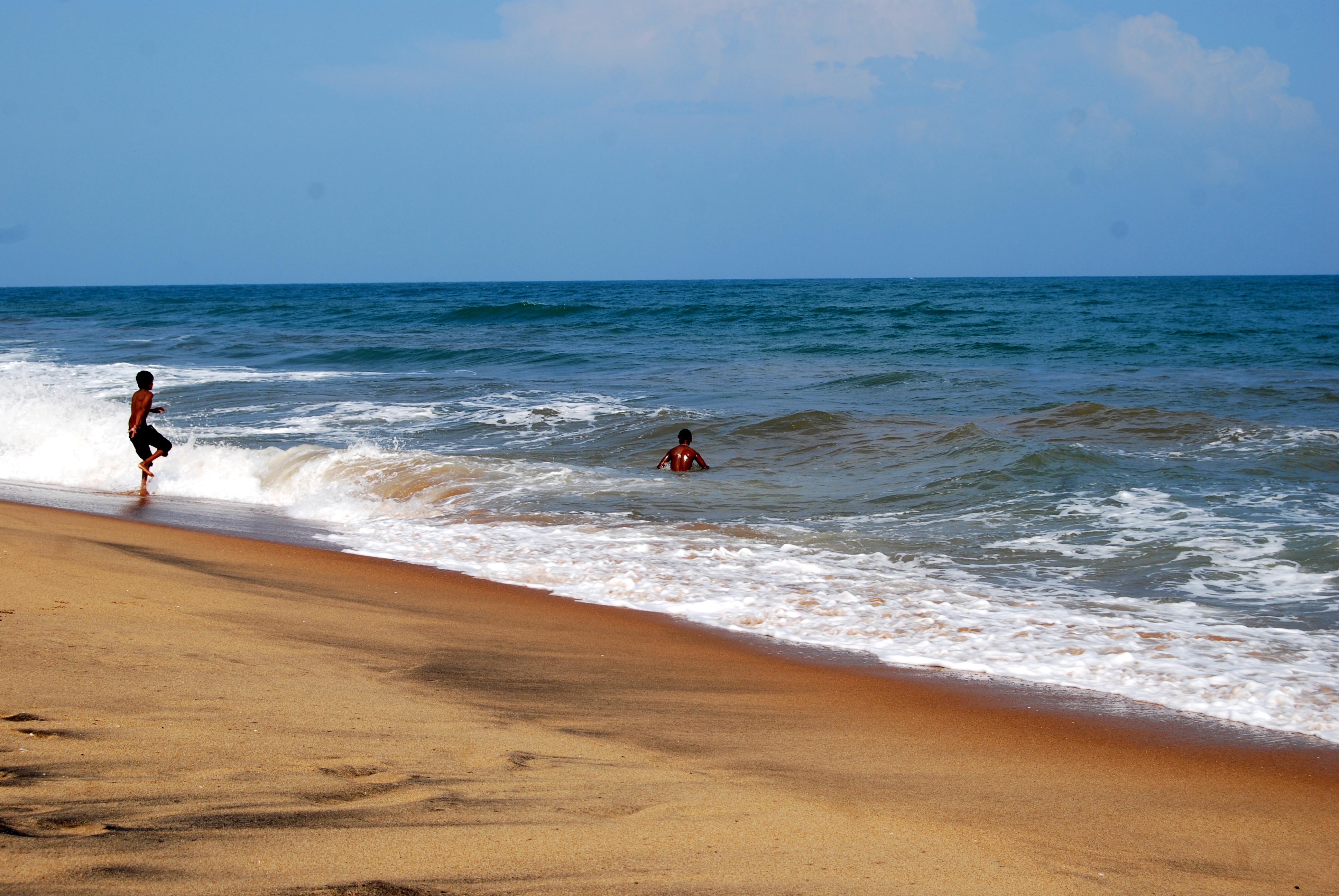
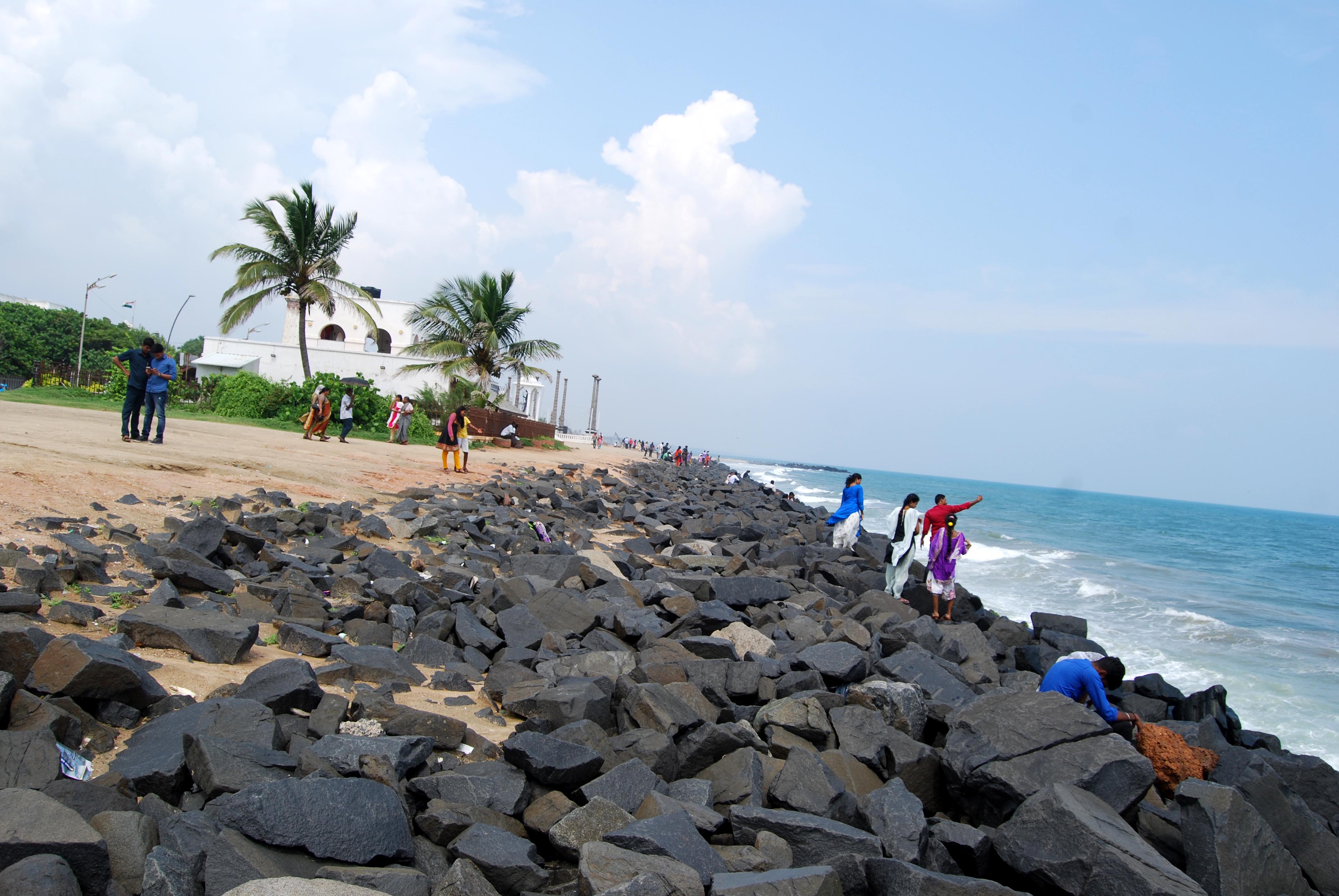
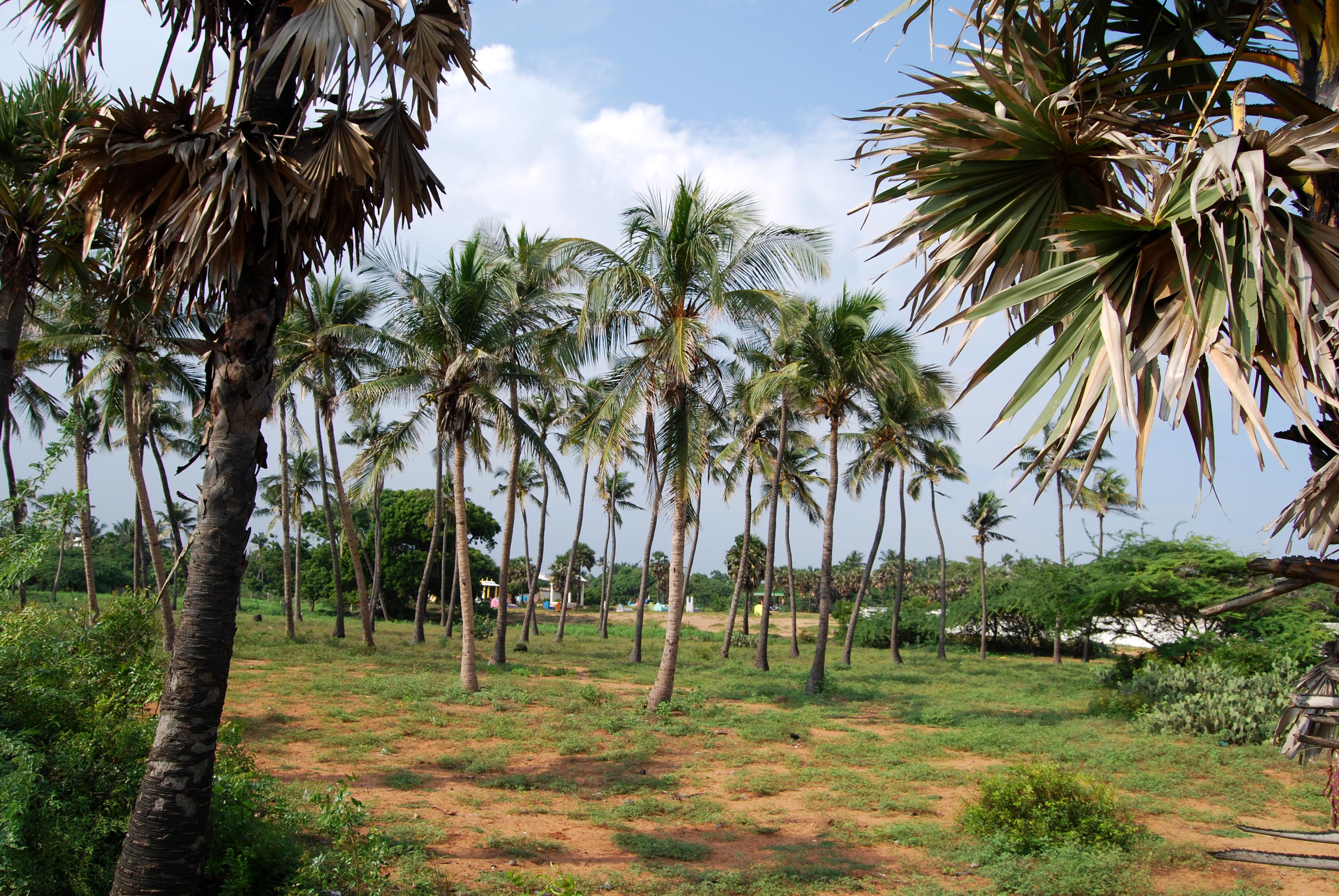
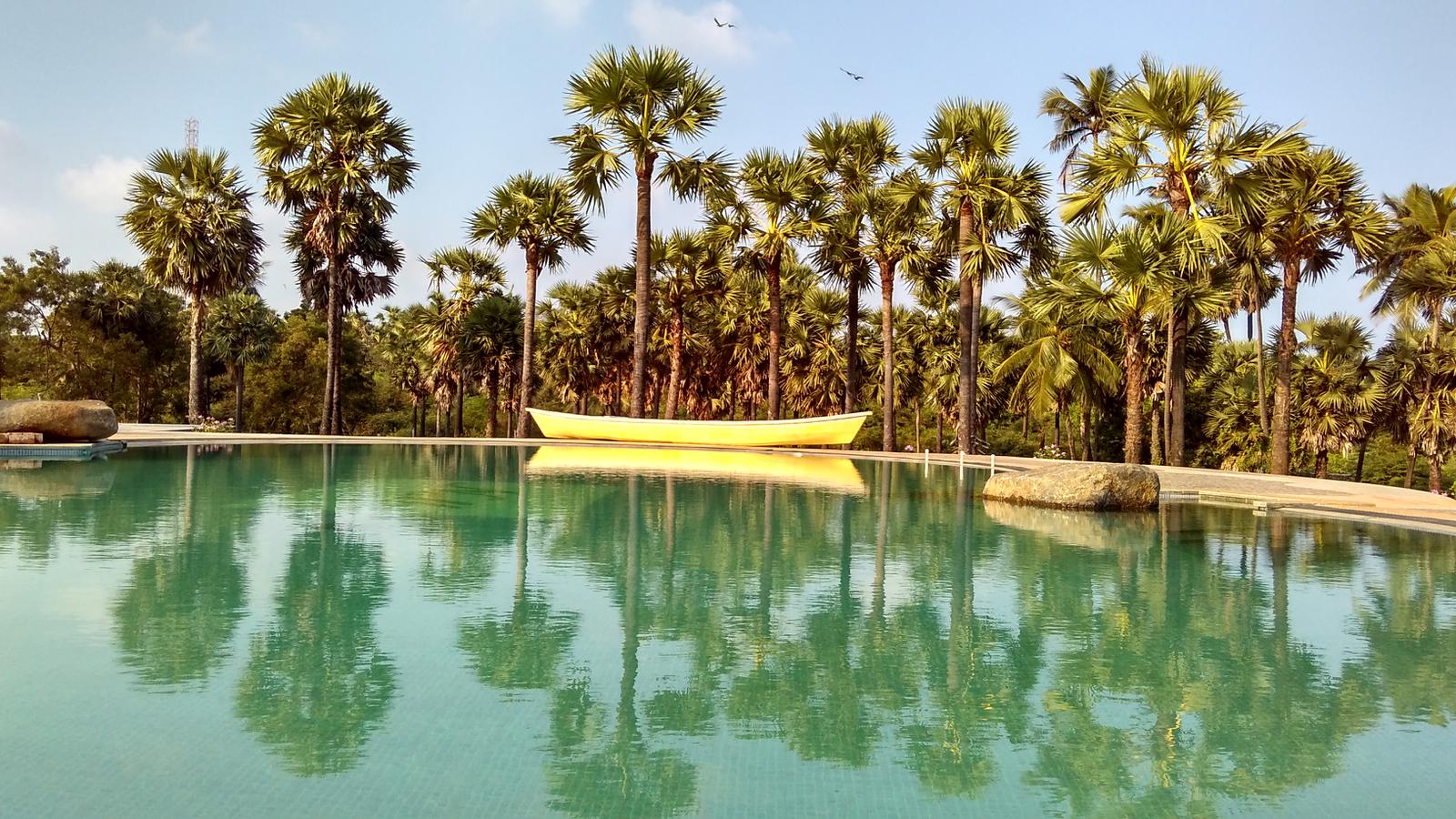
Spanning 479 square kilometers of coastal beauty, Pondicherry is synonymous with its breezy shores and sparkling waters. Promenade Beach acts as the iconic face of the city, where locals and tourists alike enjoy evening strolls past the monumental Mahatma Gandhi statue. For those seeking a more secluded experience, Serenity Beach offers a golden stretch of sand and calm waters. The "tranquil in the air" mentioned by many visitors is most palpable along these shores, where the rhythm of the waves dictates the pace of the day and offers a color for every mood.
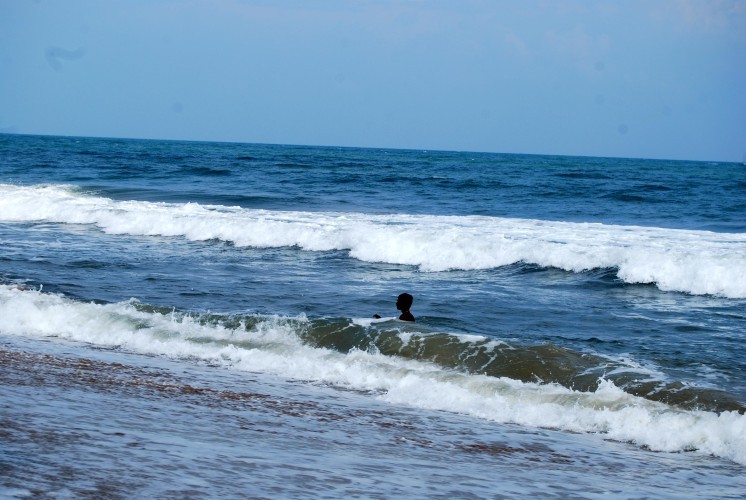
Pondicherry’s relationship with the sea has evolved from quiet fishing to a hub for high-energy adventure. The region has gained international fame as a premier surfing destination on India’s east coast. Serenity Beach, with its consistent waves and soft sandy seabed, is the heart of this movement. Professional surf schools dotted along the shore offer lessons for all levels, allowing beginners to catch their first wave in the morning light while seasoned pros tackle the larger swells.
For those looking to dive deeper, the Bay of Bengal hides a mysterious aquatic kingdom. Scuba diving and snorkeling near the coral reefs allow travelers to spot kingfish, lionfish, and even manta rays. The backwaters and mangrove forests near the Chunnambar River provide a different kind of thrill, where kayaking and canoeing offer a peaceful yet active way to explore the region's rich biodiversity. Whether you are conquering the "swirling surfs" or gliding through quiet lagoons, the city’s breezy shores provide the perfect playground for every water enthusiast.
Just 10 kilometers north of the city lies Auroville, a radical experiment in human unity founded in 1968 by the spiritual leader Mirra Alfassa, known as "The Mother." Conceived as a universal township where people of all nationalities, beliefs, and politics can live in harmony, it is a "city in the making" that prioritizes sustainable living and collective evolution. The town is organized in a sprawling "galaxy" layout, featuring a lush Green Belt dedicated to afforestation, organic farming, and wildlife corridors.
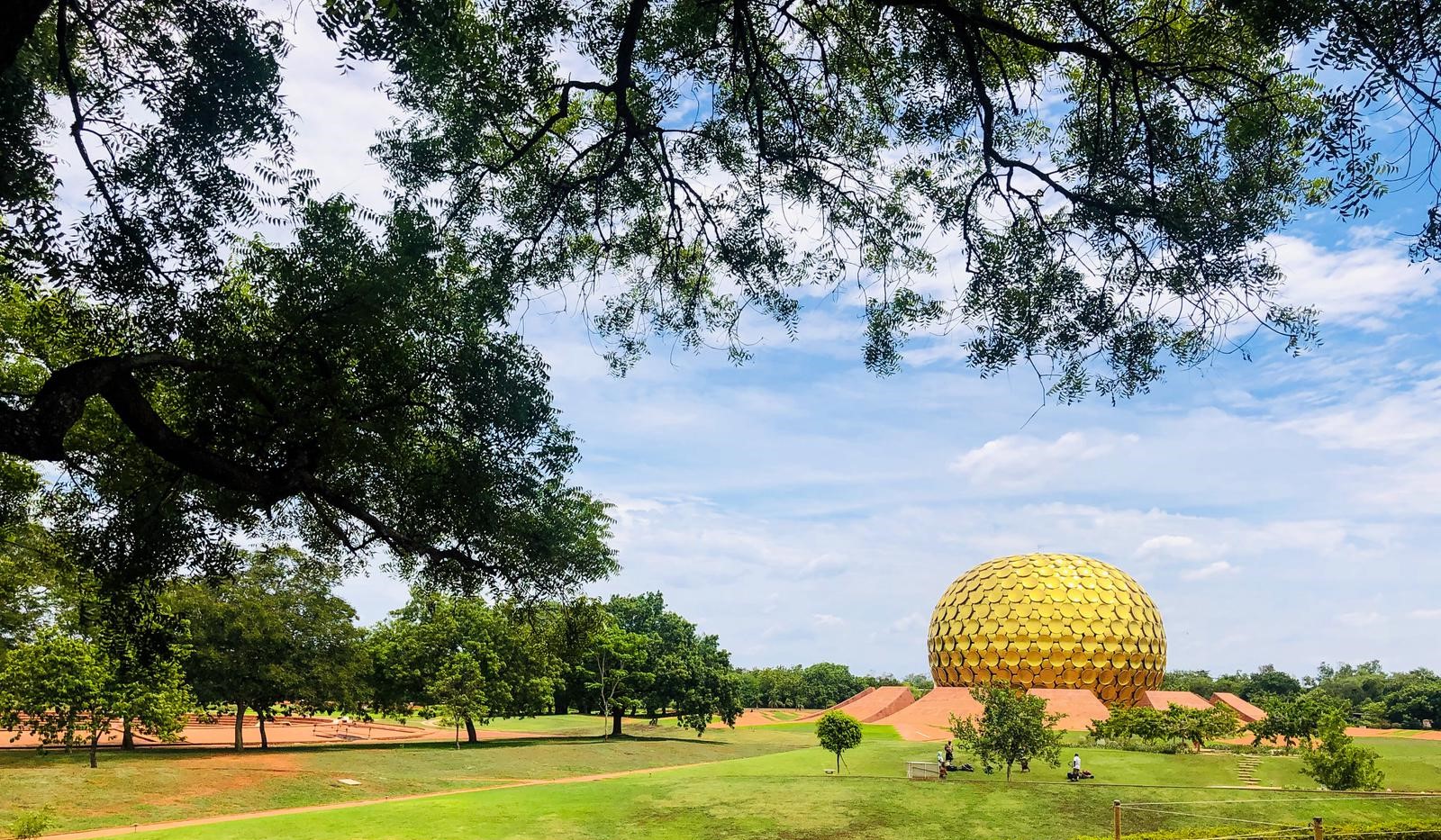
The crown jewel of Auroville is the Matrimandir, a breathtaking spherical structure covered in shimmering gold discs. Often called the "Soul of the City," it is not a place of traditional worship but a silent sanctuary for concentration. Inside its polished white marble chamber sits the world’s largest optically perfect glass globe, which focuses a single ray of sunlight to create a beacon of light for meditators. Beyond the dome, the township thrives on eco-innovation, from wind-powered water pumps to solar kitchens that serve thousands of residents and guests daily, proving that a future in balance with nature is possible today.
For those willing to venture further south along the coast from Pondicherry, a rare historical gem awaits in the form of Tranquebar, or Thrangambadi—the "Land of the Singing Waves." While Pondicherry is defined by its French soul, Tranquebar offers a fascinating detour into India's forgotten Danish history. From 1620 to 1845, this quiet seaside town served as a Danish trading post, leaving behind a legacy of unique Indo-Danish architecture that feels frozen in time.
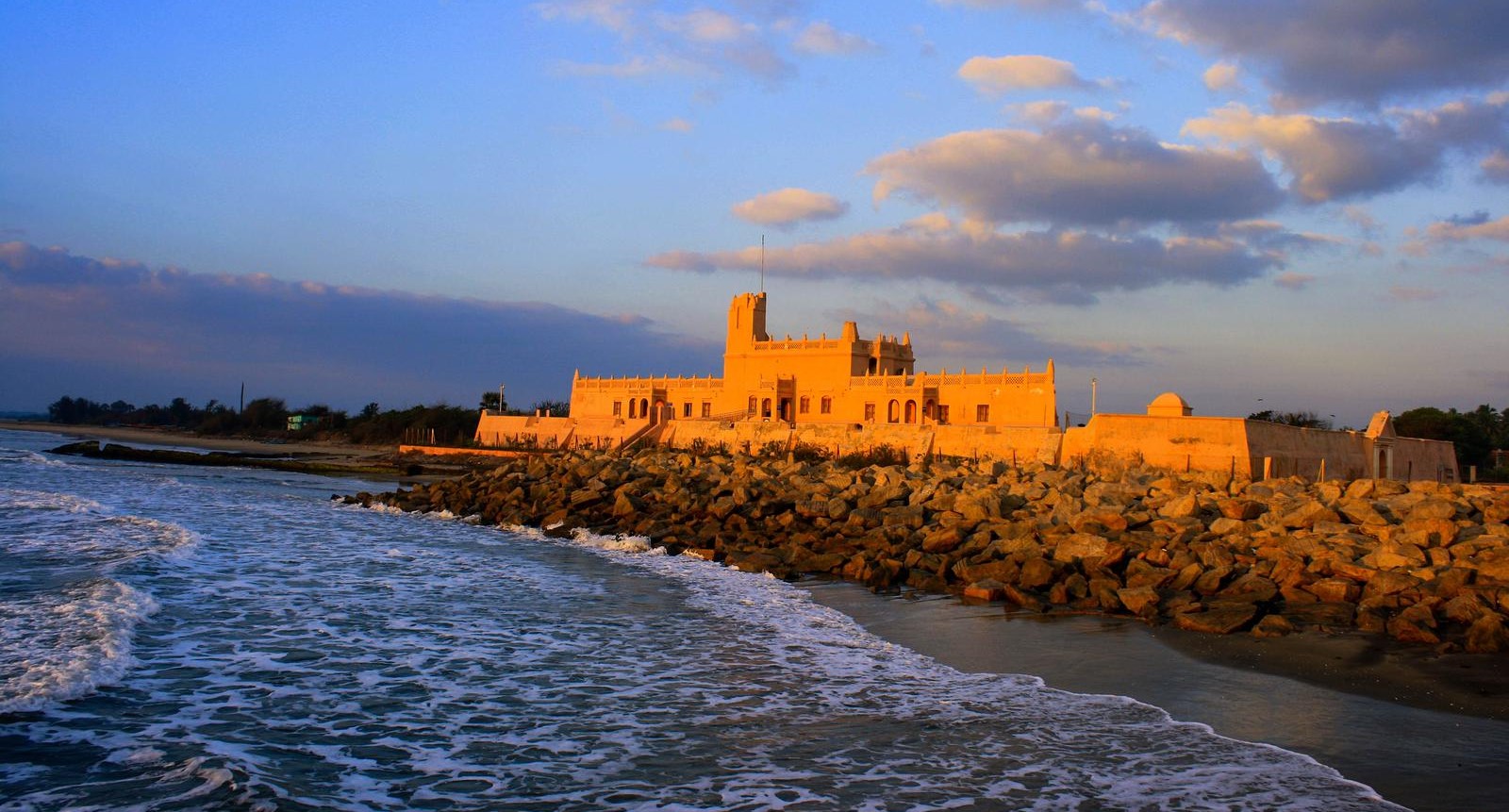
The centerpiece of this town is Fort Dansborg, a majestic honey-colored fortress perched right on the edge of the sea. However, the region’s allure extends beyond its stone walls to its incredible natural biodiversity. Tranquebar is home to a significant ecological treasure: the Pichavaram Mangroves, located nearby. As one of the largest mangrove forests in the world, this sprawling green labyrinth consists of countless small islands separated by a vast network of waterways.
Navigating through these mangroves in a rowboat offers an otherworldly experience, as the thick aerial roots of the trees create natural tunnels over the water. This ecosystem acts as a vital sanctuary for migratory birds and marine life, providing a serene, emerald contrast to the salty blue of the singing waves. Tranquebar remains a place of profound stillness, offering a poignant, scholarly contrast to the more vibrant Gallic energy of Pondicherry.