

The call of the open road in India is a siren song of shifting landscapes, where a single day’s drive can transition from the salt-crusted horizons of a desert to the mist-laden canopy of a tropical rainforest. In a country defined by its geographical diversity, a road trip is more than just a means of travel; it is a front-row seat to the evolving soul of the subcontinent. As of 2026, with the completion of major infrastructural projects like the NH66 and the Atal Tunnel, the accessibility of India’s most remote and beautiful corners has reached a golden age.
Here is a journey through the most scenic road trips in India, traversing the high Himalayas, the coastal fringes, and the emerald valleys of the East.
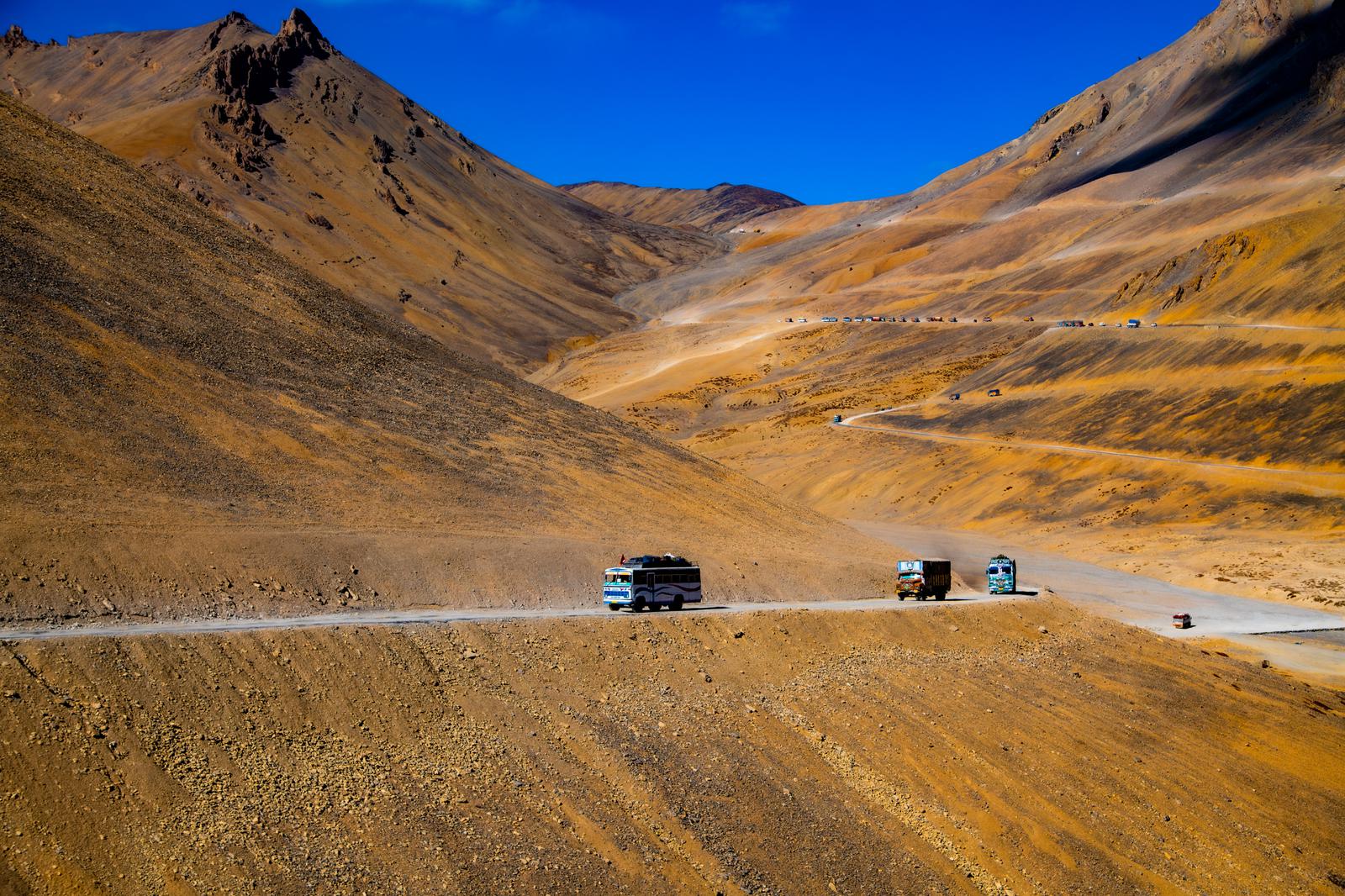
Often hailed as the "Mecca" of Indian road trips, the Manali-Leh Highway is a legendary 430-kilometer stretch that tests the mettle of drivers while rewarding them with celestial views. Historically, this route was a gamble against the elements, but the Atal Tunnel has revolutionized the journey, bypassing the treacherous Rohtang Pass and providing year-round access to the Lahaul Valley.
The real drama begins as you ascend toward the Baralacha La at 16,047 feet. Here, the landscape sheds its greenery, replaced by the stark, mineral-rich hues of the high-altitude desert. The road snakes through vast glacial plateaus and follows the turquoise trail of the Bhaga River. Travelers cross legendary landmarks like Sarchu, a windswept campsite on the border of Himachal and Ladakh, and the Gata Loops, a series of 21 hairpin bends that offer a dizzying perspective of the valley below. The final stretch over the Tanglang La—one of the world's highest motorable passes—leads you into the Indus Valley, where ancient Buddhist monasteries cling to rocky outcrops like ivory fortresses.
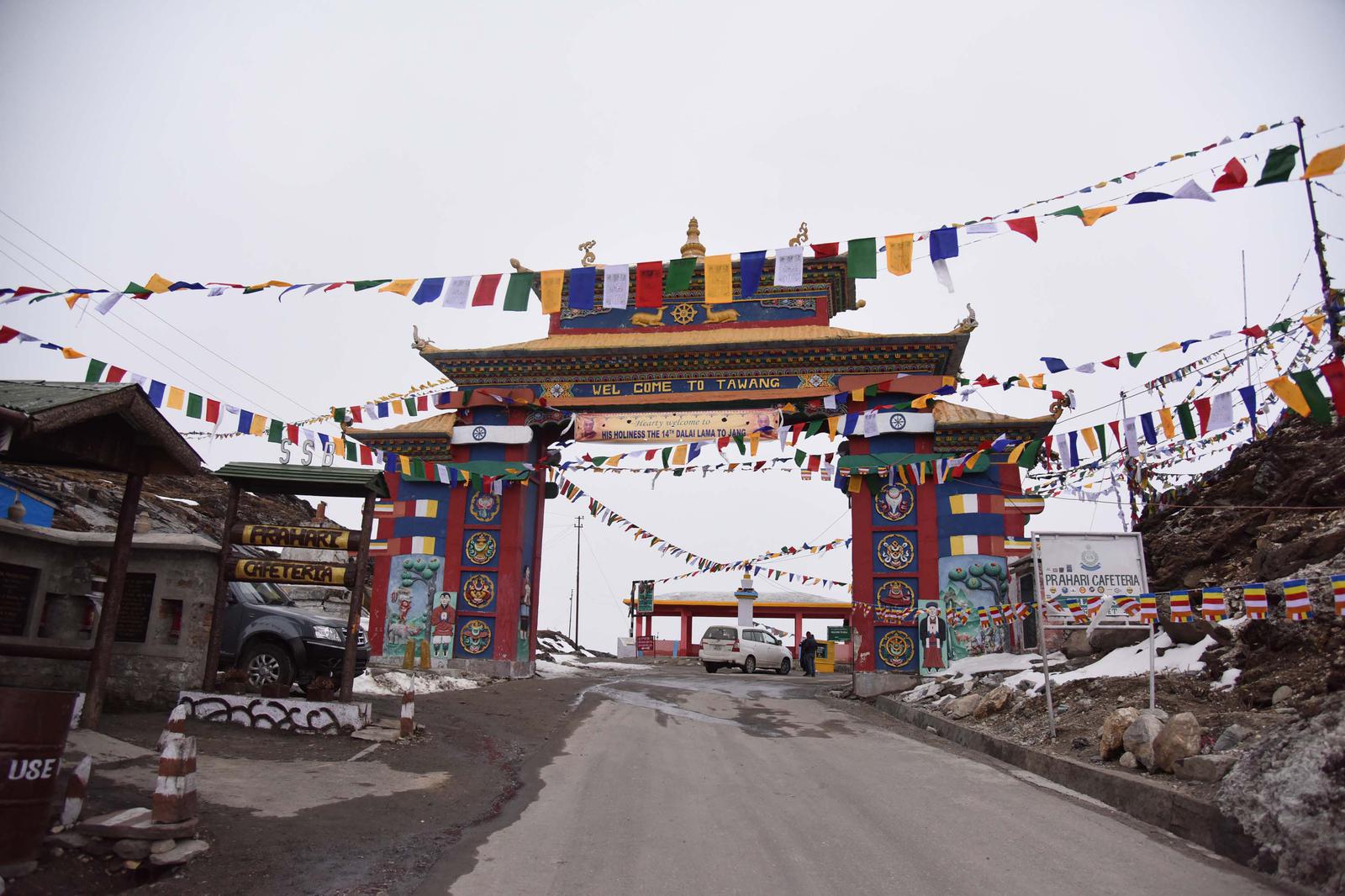
In the northeastern frontier of Arunachal Pradesh, the road trip from Guwahati to Tawang is a spiritual and visual ascent into the clouds. The journey spans roughly 450 kilometers and climbs from the Brahmaputra plains to the snow-covered peaks of the Eastern Himalayas.
The centerpiece of this drive is the Sela Pass, situated at a staggering 13,700 feet. Often draped in snow, the pass is home to the pristine Sela Lake, which remains frozen for much of the winter, reflecting the surrounding peaks like a polished sapphire. Along the way, the route passes through Dirang, a valley known for its apple orchards and hot springs, and Bomdila, where the vibrant colors of Tibetan prayer flags provide a striking contrast to the deep green mountains. Reaching Tawang feels like entering a different era; the massive Tawang Monastery, the second-largest in the world, overlooks the valley with a quiet majesty that makes every kilometer of the arduous drive worthwhile.
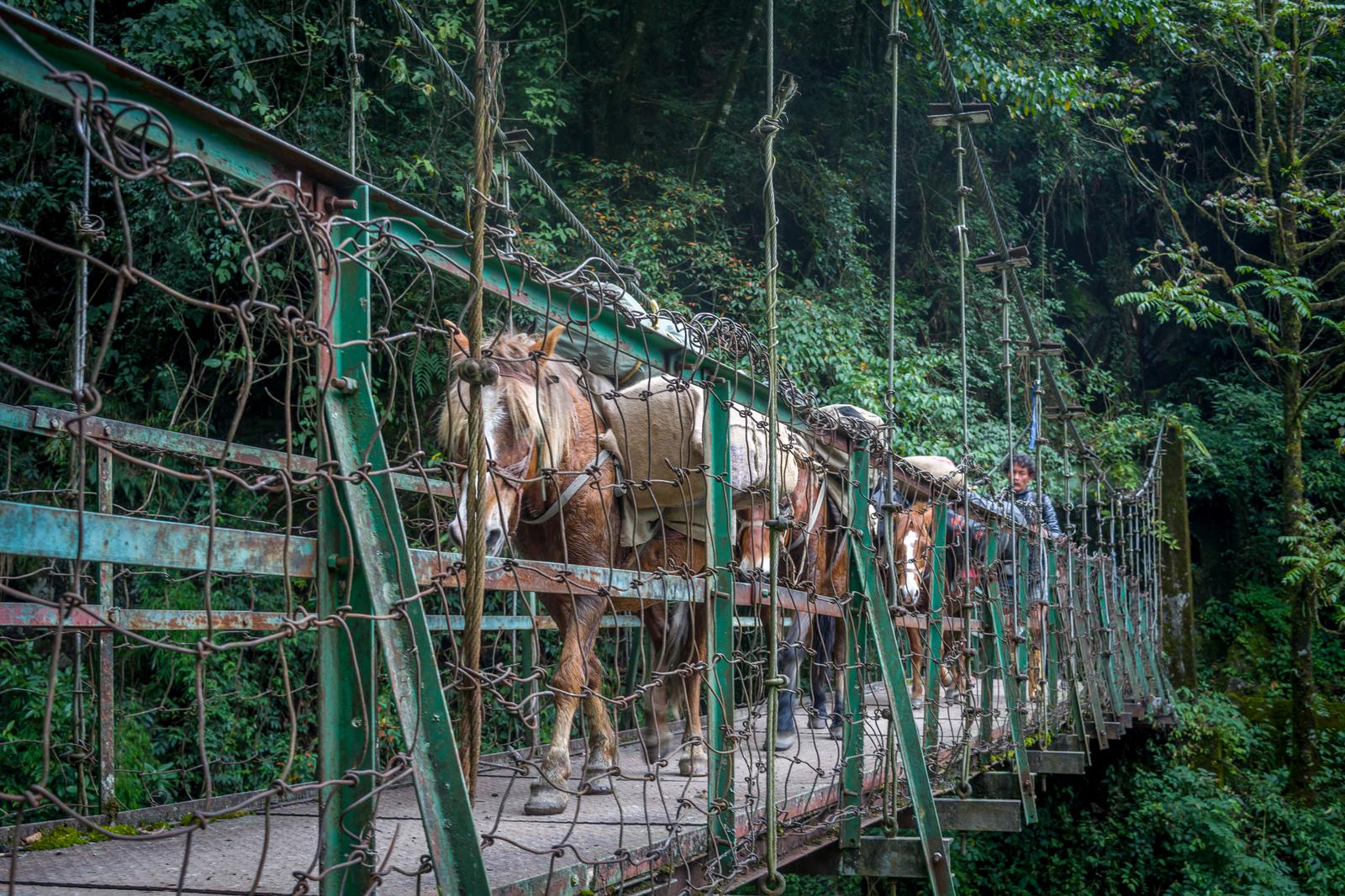
In the high-altitude reaches of East Sikkim, the drive to Zuluk is perhaps the most visually arresting mountain road in the world. Historically a transit point on the ancient Silk Route between India and Tibet, this road is defined by the legendary 32 hairpin bends that snake up the mountainside.
Starting from the humid plains, the road ascends rapidly to over 10,000 feet. From Thambi View Point, the sight of the road below—a rhythmic, copper-colored ribbon coiled against the emerald or snow-white slopes—is a photographer’s dream. The journey doesn't stop at Zuluk; it continues toward the Nathang Valley, often called the "Ladakh of the East" for its stark, cold-desert beauty. Travelers can witness the sunrise over Mount Kanchenjunga from Lungthung before passing by the crystal-clear Kupup Lake, which resembles an elephant’s trunk. This route is a testament to the sheer audacity of road building in the high Himalayas.
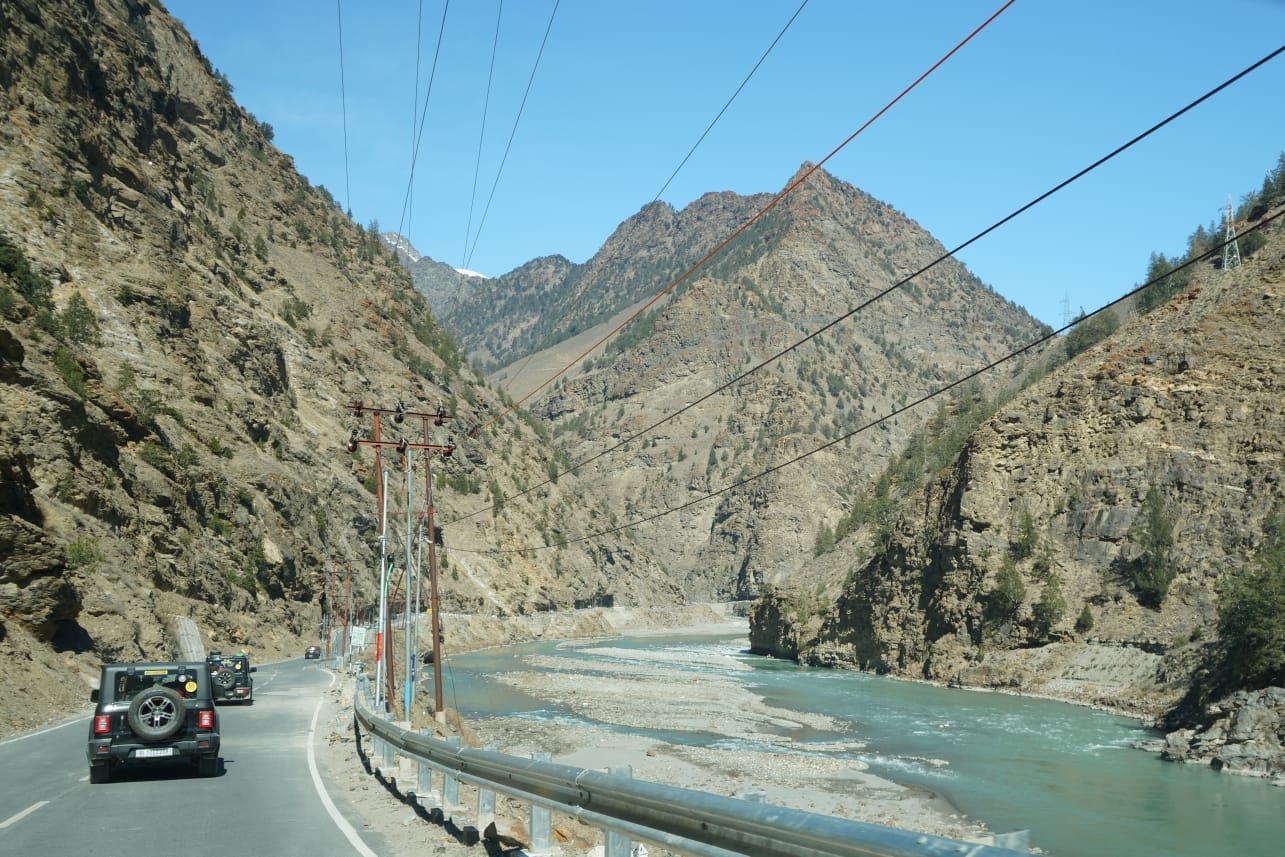
While the Manali-Leh highway is famous, the Spiti Valley Circuit remains the ultimate pilgrimage for off-road enthusiasts. This loop typically begins in Shimla and ends in Manali, passing through some of the highest inhabited villages on the planet.
The journey through the Kinnaur Valley is a dramatic introduction, where the road is often carved directly into the sheer cliff faces above the thundering Sutlej River. As you cross the Kunzum Pass (15,060 feet), the greenery vanishes, replaced by the moonscape of Spiti. Travelers can visit Hikkim, home to the world’s highest post office, and Komic, one of the highest villages connected by a motorable road. The circuit also takes you to the 1,000-year-old Key Monastery, which sits like a giant sandcastle overlooking the Spiti River. It is a raw, demanding road trip that rewards the traveler with a profound sense of solitude and ancient history.
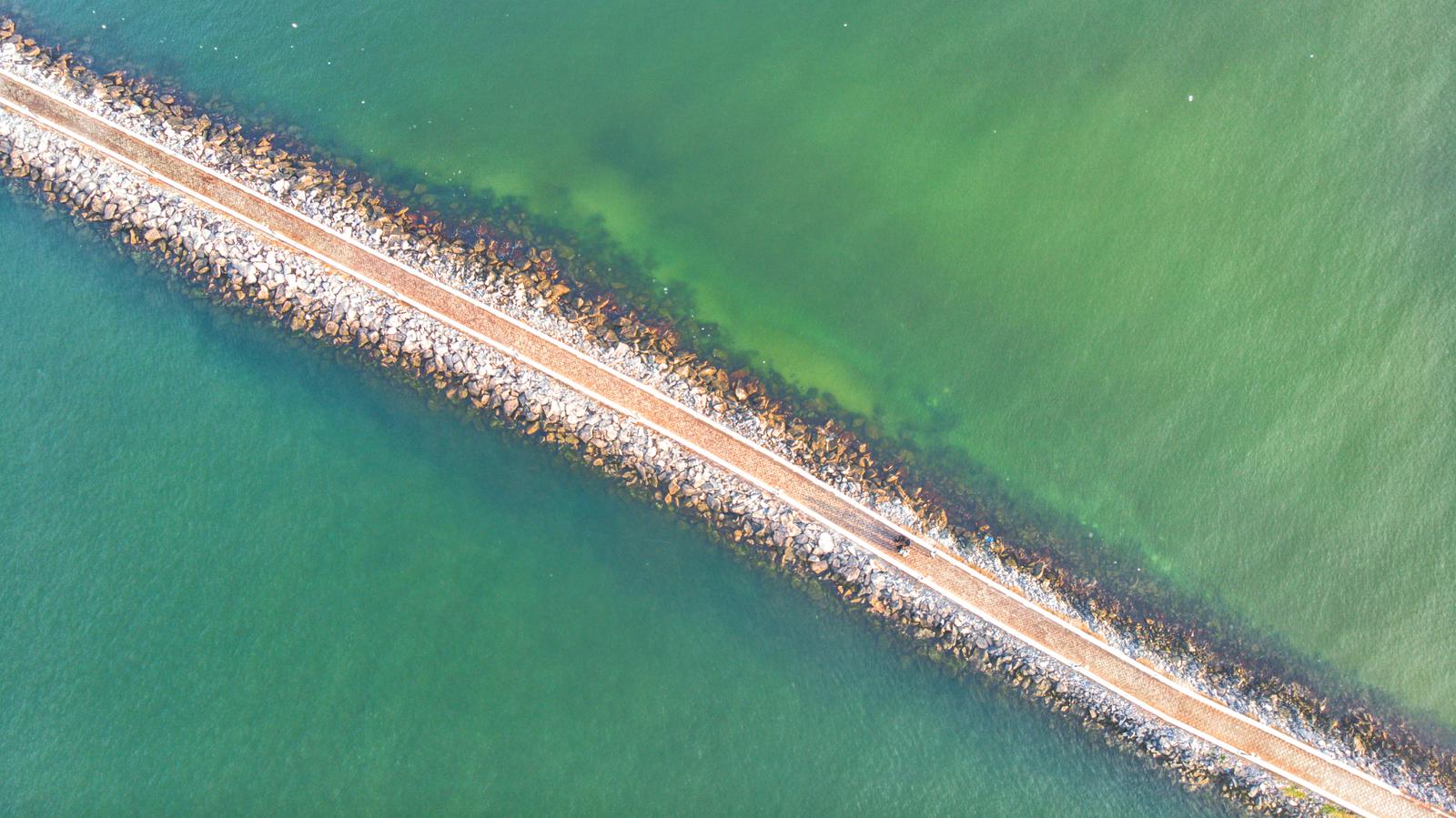
While shorter than the Himalayan circuits, the Puri-Konark Marine Drive in Odisha is perhaps the most picturesque coastal stretch on India’s eastern seaboard. This 35-kilometer road is flanked by the Bay of Bengal on one side and a lush canopy of casuarina trees on the other.
The drive is remarkably serene, with the road often running just meters away from the crashing waves. A highlight of this route is the Chandrabhaga Beach, a quiet stretch of golden sand where the sunrise is considered a sacred event. The journey culminates at the Konark Sun Temple, a 13th-century architectural marvel shaped like a giant chariot. The transition from the natural beauty of the coastline to the intricate stone carvings of the temple creates a profound sense of travel through both space and time.
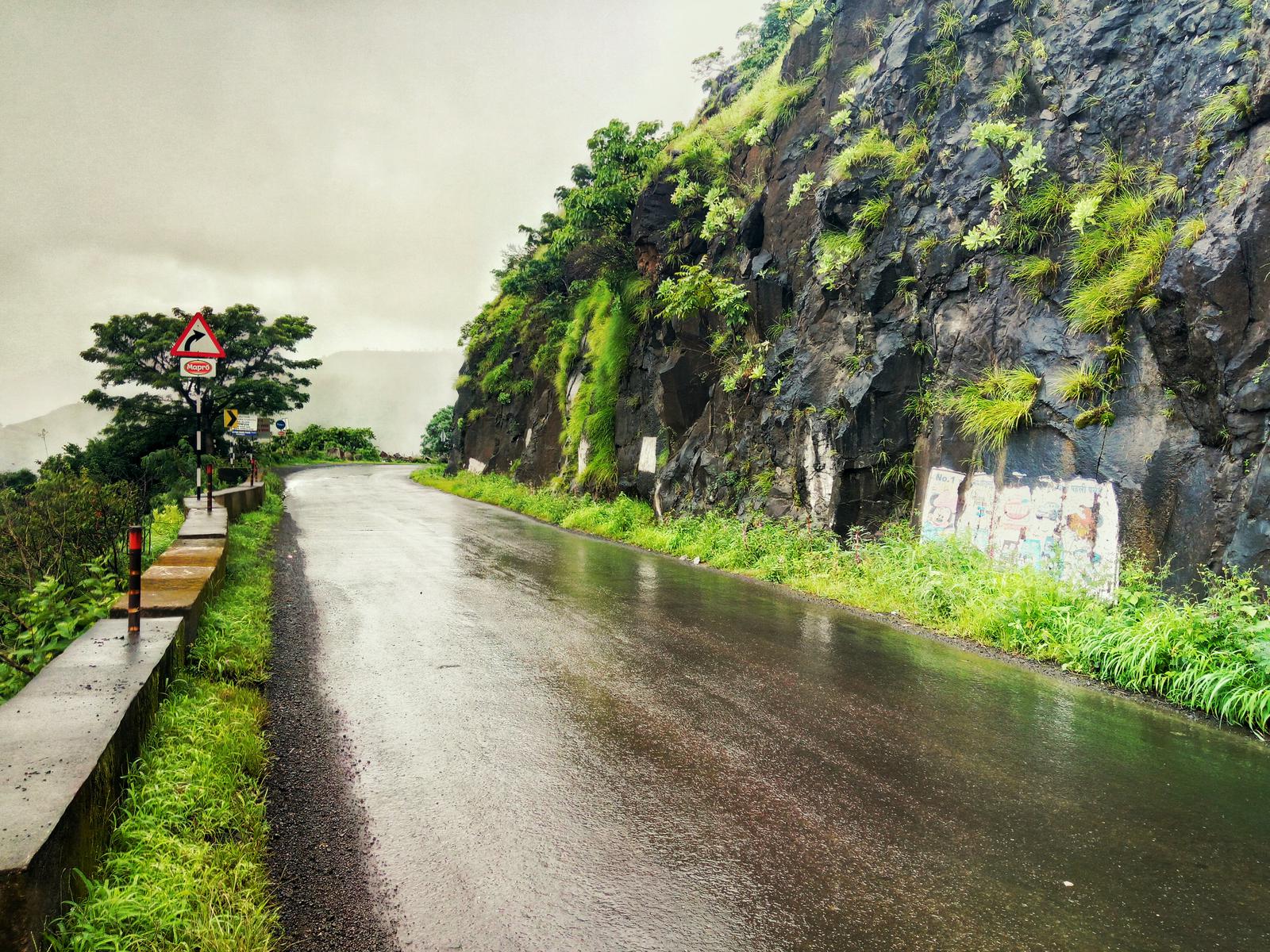
For those who prefer the scent of salt air to the thin mountain atmosphere, the journey from Mumbai to Goa via the newly revamped NH66 is a masterpiece of coastal engineering. As of early 2026, the long-awaited four-laning of this highway has significantly reduced travel time, yet it remains a scenic treasure trove of the Konkan region.
This route runs parallel to the Western Ghats, a UNESCO World Heritage site known for its immense biodiversity. The drive is a sensory delight of mango orchards, cashew plantations, and sudden glimpses of the Arabian Sea. Key stops like Chiplun and Ratnagiri offer an authentic taste of coastal Maharashtra, famous for its fiery seafood and the historic Jaigad Fort. As the road winds through the winding ghats of Sawantwadi, the air turns cooler and the forest thicker, before finally spilling into the sun-drenched palm groves of North Goa. It is a journey that captures the transition from urban sprawl to tropical tranquility.
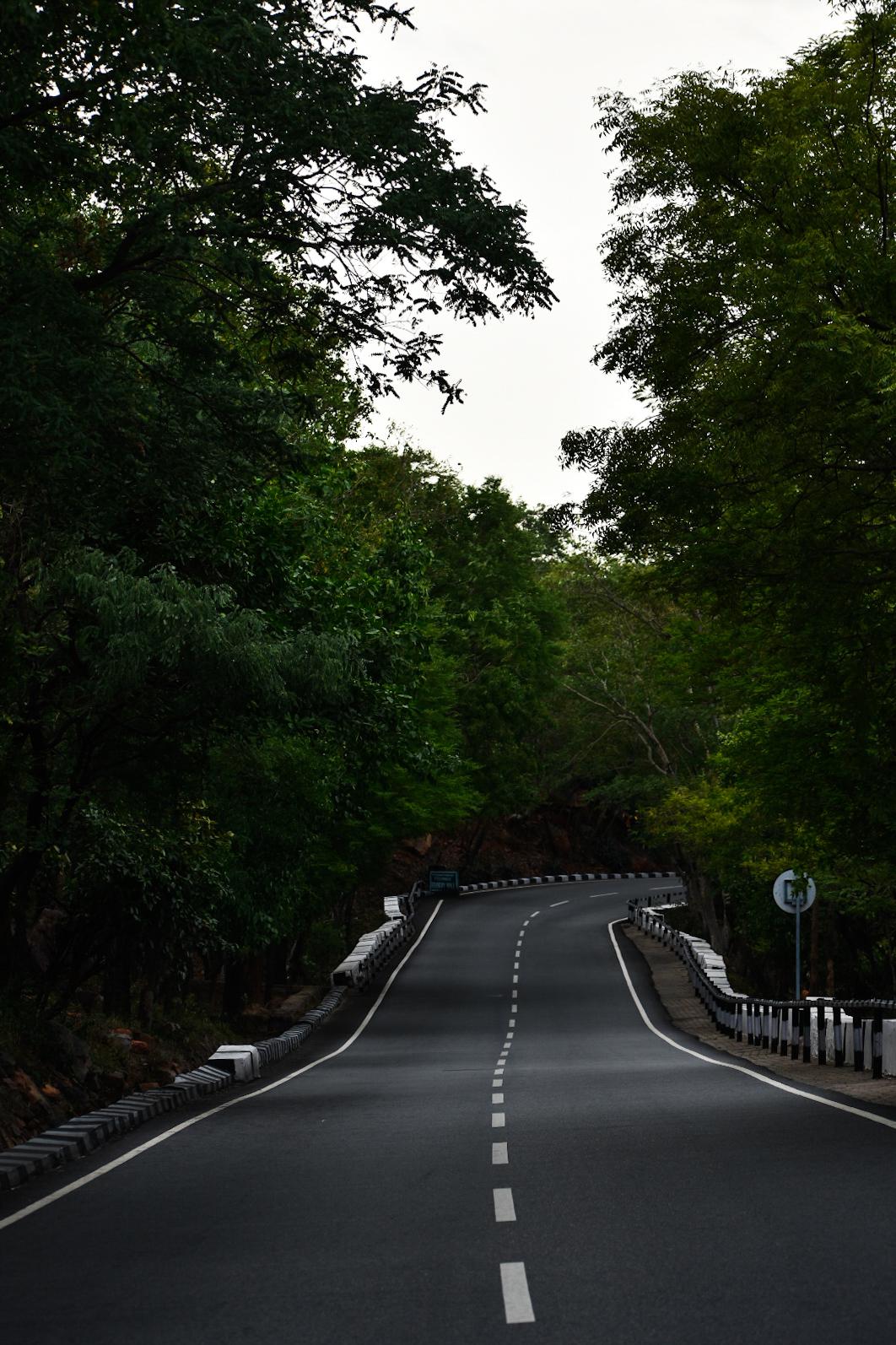
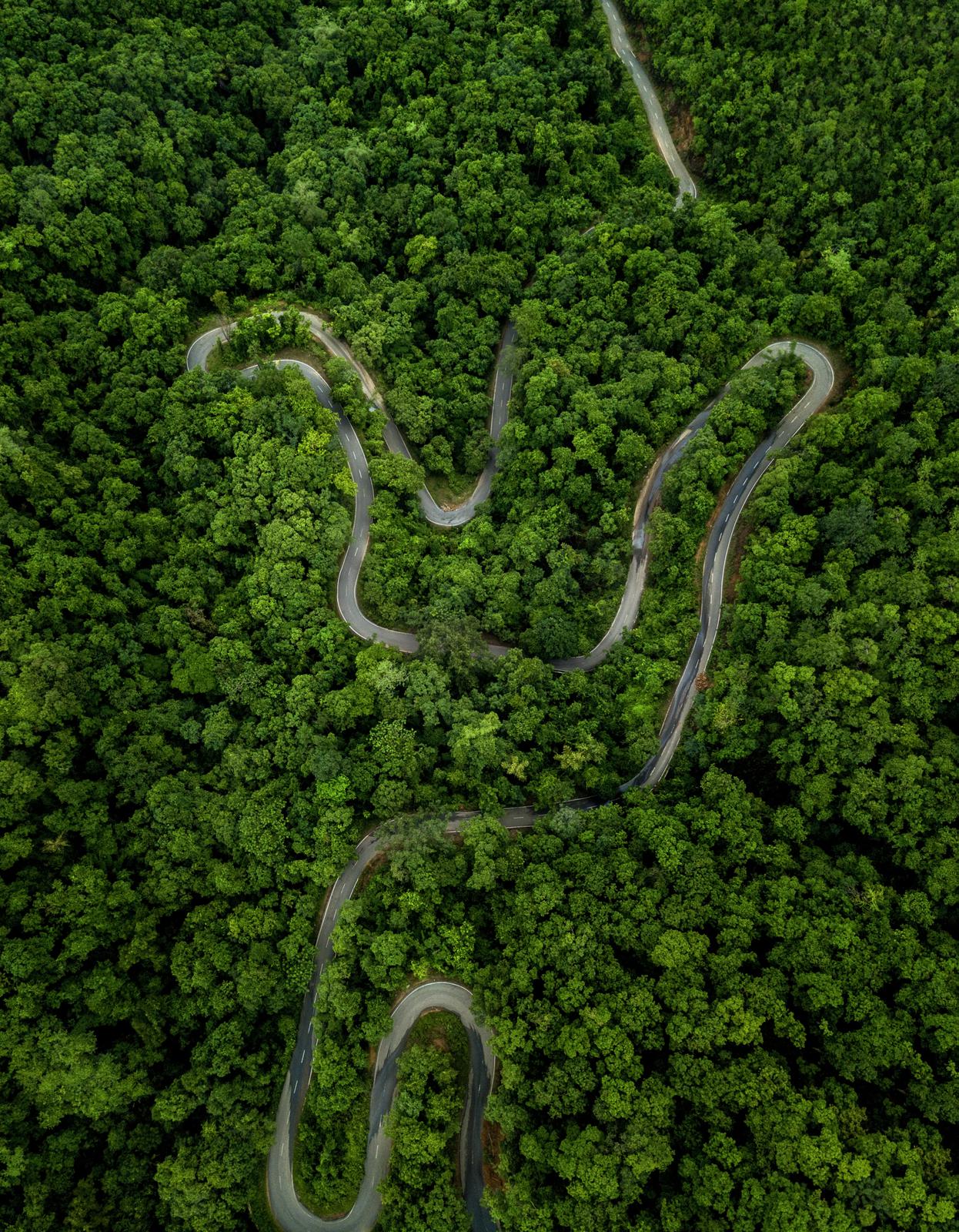
The journey begins in the cultural heart of Maharashtra, where the roads quickly leave the urban sprawl of Pune to climb into the dramatic basalt cliffs of the Sahyadris. The initial leg toward Mahabaleshwar is a masterclass in mountain driving. As you ascend the Pasarni Ghat, the air sharpens, and the landscape opens into vast, flat-topped mesas and deep volcanic valleys. This is the land of "Table Land" and ancient Maratha forts like Pratapgad, which stand as stone sentinels over the forest canopy.
Descending from the strawberry fields of the north, the road enters the Konkan-Ghat divide. Here, the drive through Amboli Ghat provides a cinematic transition; it is the last hill station before the Karnataka border and receives some of the highest rainfall in the region. During the monsoon and its aftermath, the road is flanked by dozens of unnamed waterfalls that cascade directly onto the asphalt, turning the drive into a lush, water-draped tunnel.
As you cross into Karnataka, the topography softens but the greenery intensifies. The route through Chikmagalur and Coorg introduces the "Coffee Highs." The roads here wind under a permanent shadow of massive silver oaks and rosewood trees, which provide the necessary shade for the coffee shrubs below. The smell of woodsmoke and roasting beans begins to dominate the air, replacing the earthy basalt scent of the northern Ghats.
The final movement of this mountain symphony takes place as you enter the Nilgiri Biosphere. Crossing from the bamboo thickets of Bandipur and Mudumalai, the road begins its famous ascent toward Ooty and Munnar. The "Kalhatty Ghat" stretch, with its 36 hairpin bends, is a thrilling test of precision, rewarding the traveler with a sudden shift into the high-altitude tea country.
By the time you reach the rolling emerald tea estates of Munnar, you have traveled the entire spine of the Western Ghats. You have moved from the rugged, fortress-crowned peaks of Maharashtra to the soft, mist-laden "Shola" forests of Kerala. This road trip is more than a geographical crossing; it is a journey through the lungs of India, where the road acts as a silent witness to the incredible biodiversity and timeless heritage of the Sahyadri range.
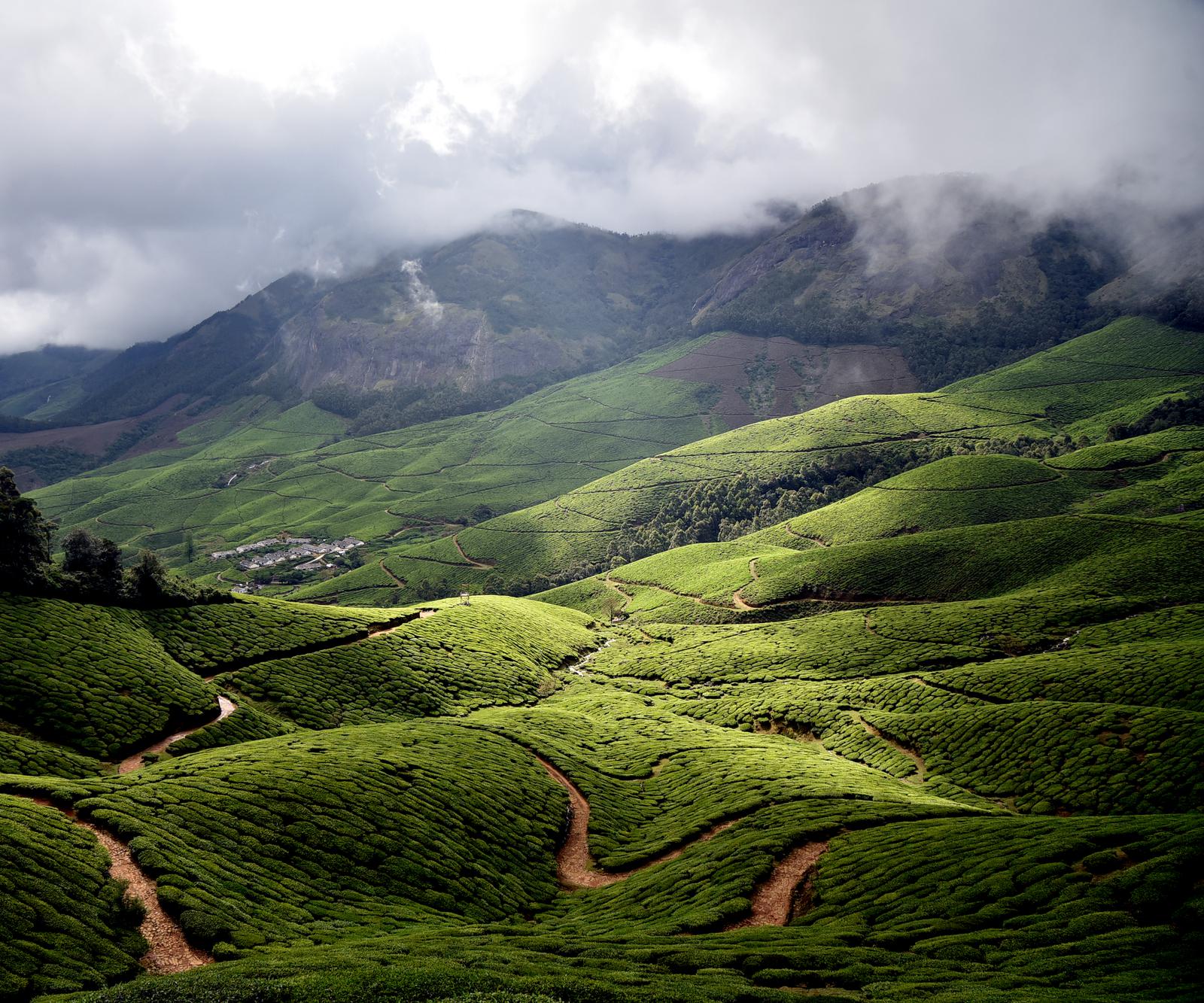
South India offers its own emerald-hued masterpiece in the form of the drive from Coimbatore to Munnar. As you cross the border from Tamil Nadu into Kerala, the landscape undergoes a dramatic transformation. The road enters the Indira Gandhi Wildlife Sanctuary, where the dense forest canopy often hosts elephants and langurs near the roadside.
The ascent involves nearly 40 hairpin bends, each revealing a more expansive view of the Anamalai Hills. As you approach Munnar, the forest gives way to meticulously manicured tea estates that carpet the rolling hills in every imaginable shade of green. The sight of tea pluckers moving through the mist-covered slopes, combined with the aroma of fresh cardamom and tea in the air, makes this one of the most refreshing road trips in the country.
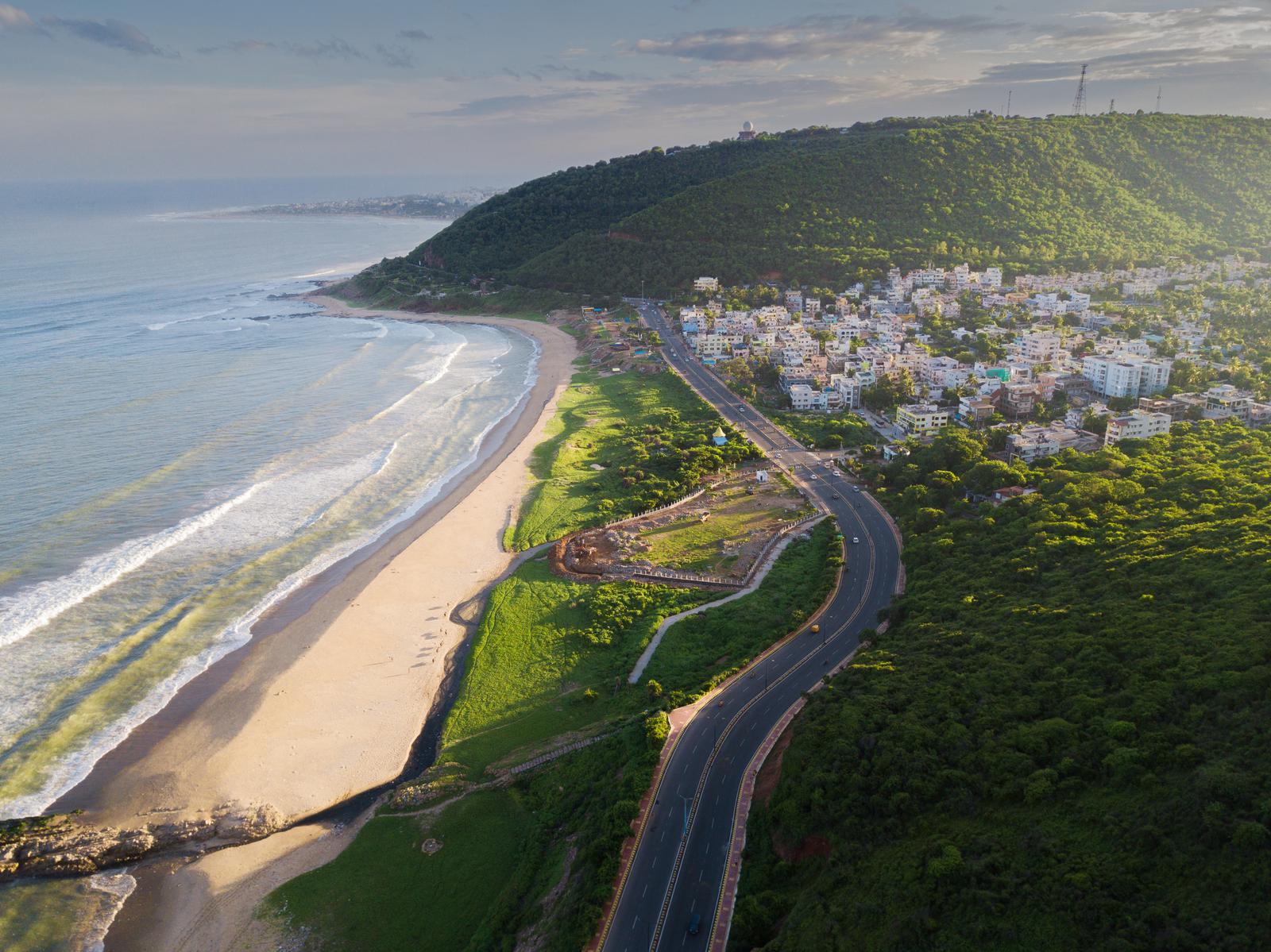
Moving to the east coast, the drive from the port city of Visakhapatnam to Araku Valley offers a lush, tropical alternative to the rugged northern mountains. This 115-kilometer journey is a steady climb into the heart of the Eastern Ghats, where the air turns crisp and the scent of coffee fills the breeze.
The road winds through the Ananthagiri Hills, passing by expansive coffee plantations that have made Araku famous. A highlight of this trip is a stop at the Borra Caves, one of the deepest and largest cave systems in India, featuring million-year-old stalactite and stalagmite formations. As the road gains elevation, the landscape opens up into wide, terraced valleys and tribal settlements that have remained largely untouched by time. The journey is particularly magical during the winter months, when a thick mist clings to the silver-oak trees, making the drive feel like a passage through a forgotten paradise.
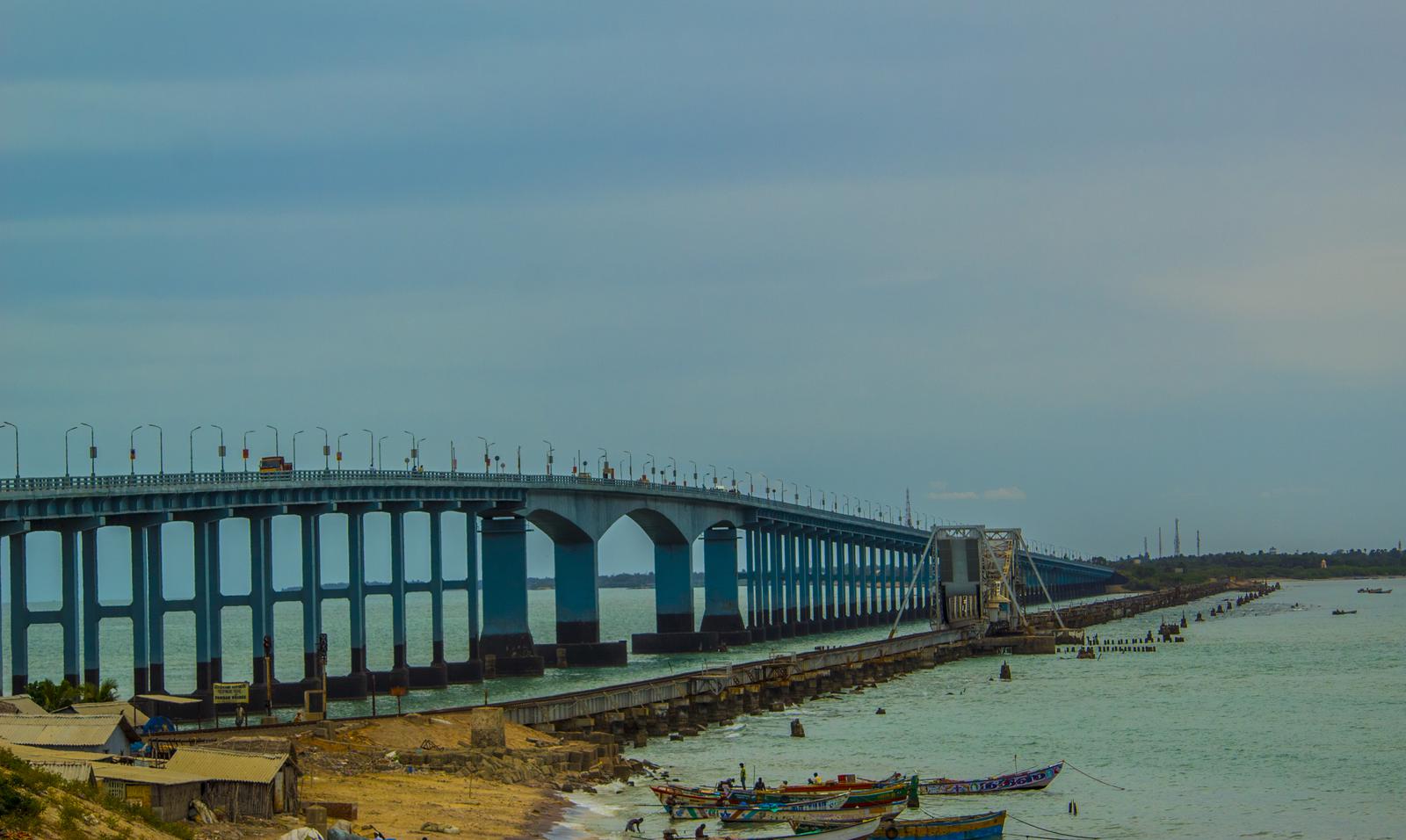
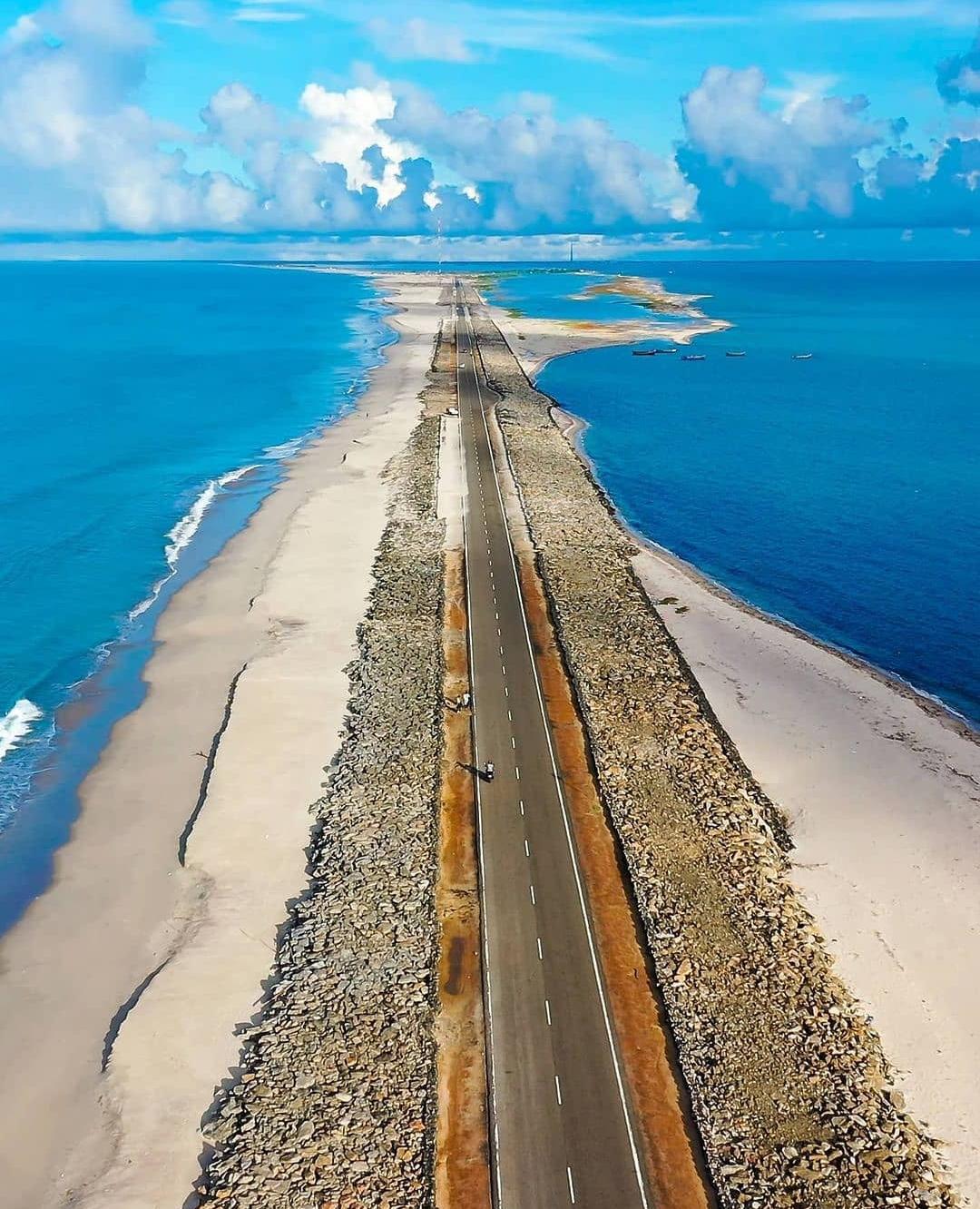
In the deep south, the road trip to Rameshwaram offers one of the most surreal driving experiences in India: crossing the Pamban Bridge. As you drive over the Annai Indira Gandhi Road Bridge, you are surrounded by the vast, turquoise expanse of the Indian Ocean on both sides.
The bridge connects mainland India to Pamban Island, and the sensation of being suspended over the crashing waves is unparalleled. Looking down, you can see the century-old cantilever railway bridge, a marvel of 20th-century engineering that still opens to let ships pass through. Once on the island, the road continues toward Dhanushkodi, the "Ghost Town" destroyed by a cyclone in 1964. The final stretch of road to the tip of Dhanushkodi—where the Bay of Bengal meets the Indian Ocean—is a narrow strip of land flanked by water, creating a feeling of standing at the very edge of the world.
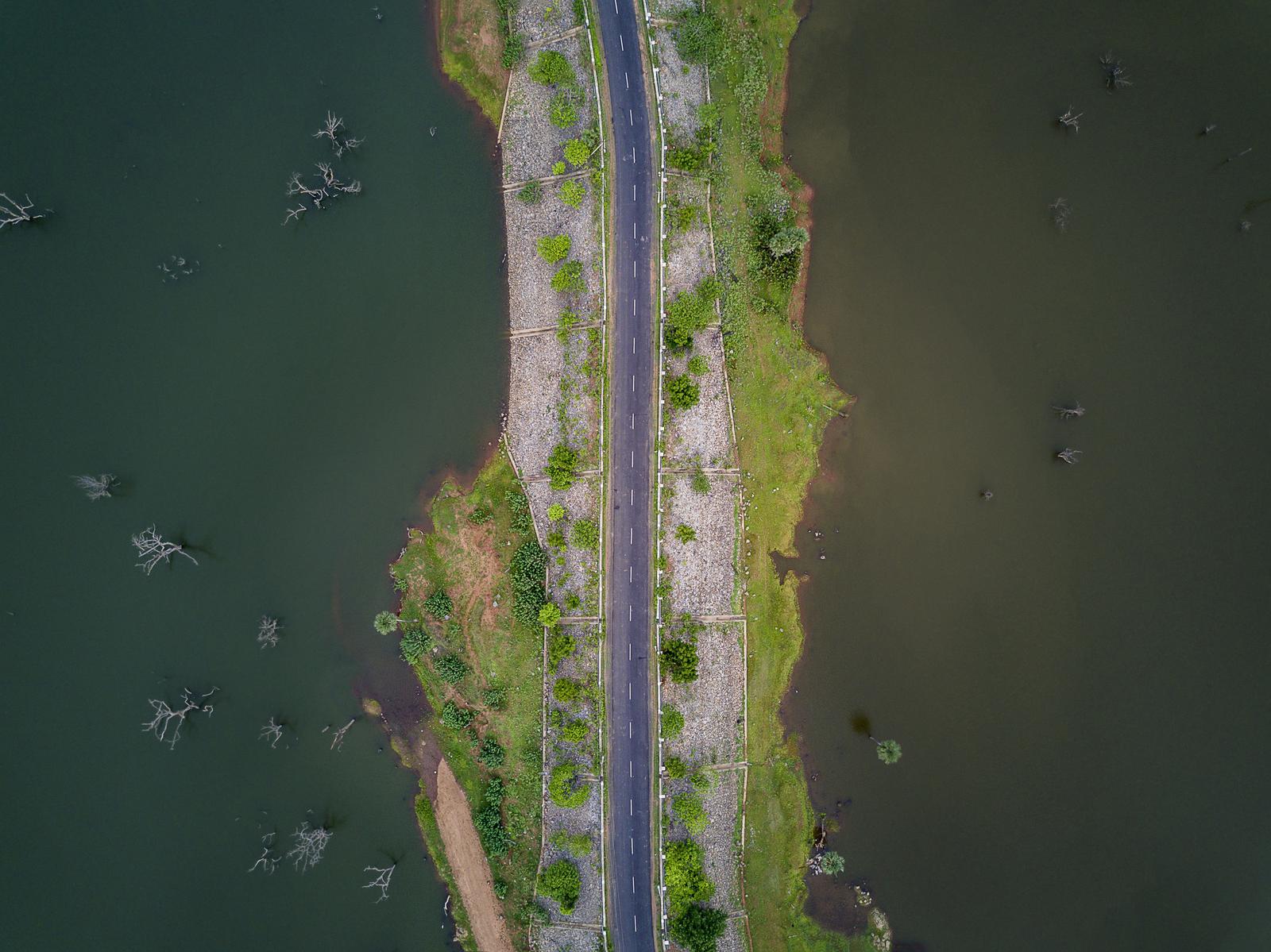
For a journey through the heart of the "Emerald Coast," the drive from Karwar to Mangalore along NH66 is unmatched, especially during the tail end of the monsoon. This stretch of highway in Karnataka is a continuous gallery of backwaters, pristine beaches, and river estuaries.
Passing through the temple town of Murudeshwar, you are greeted by the massive Shiva statue that overlooks the sea. Further south, the road hugs the coastline at Maravanthe, where the Arabian Sea roars on your right and the calm Souparnika River flows on your left—a rare geographical phenomenon where a highway is sandwiched between two distinct water bodies. The drive is a constant interplay of blue and green, punctuated by small coastal villages where life still revolves around the tides.
Whether it is the silence of a Ladakhi plateau or the roar of the Konkan surf, India’s scenic highways offer a unique perspective on a land that is constantly changing yet remains anchored in its ancient heritage. To drive these roads is to witness the true scale and spirit of India.
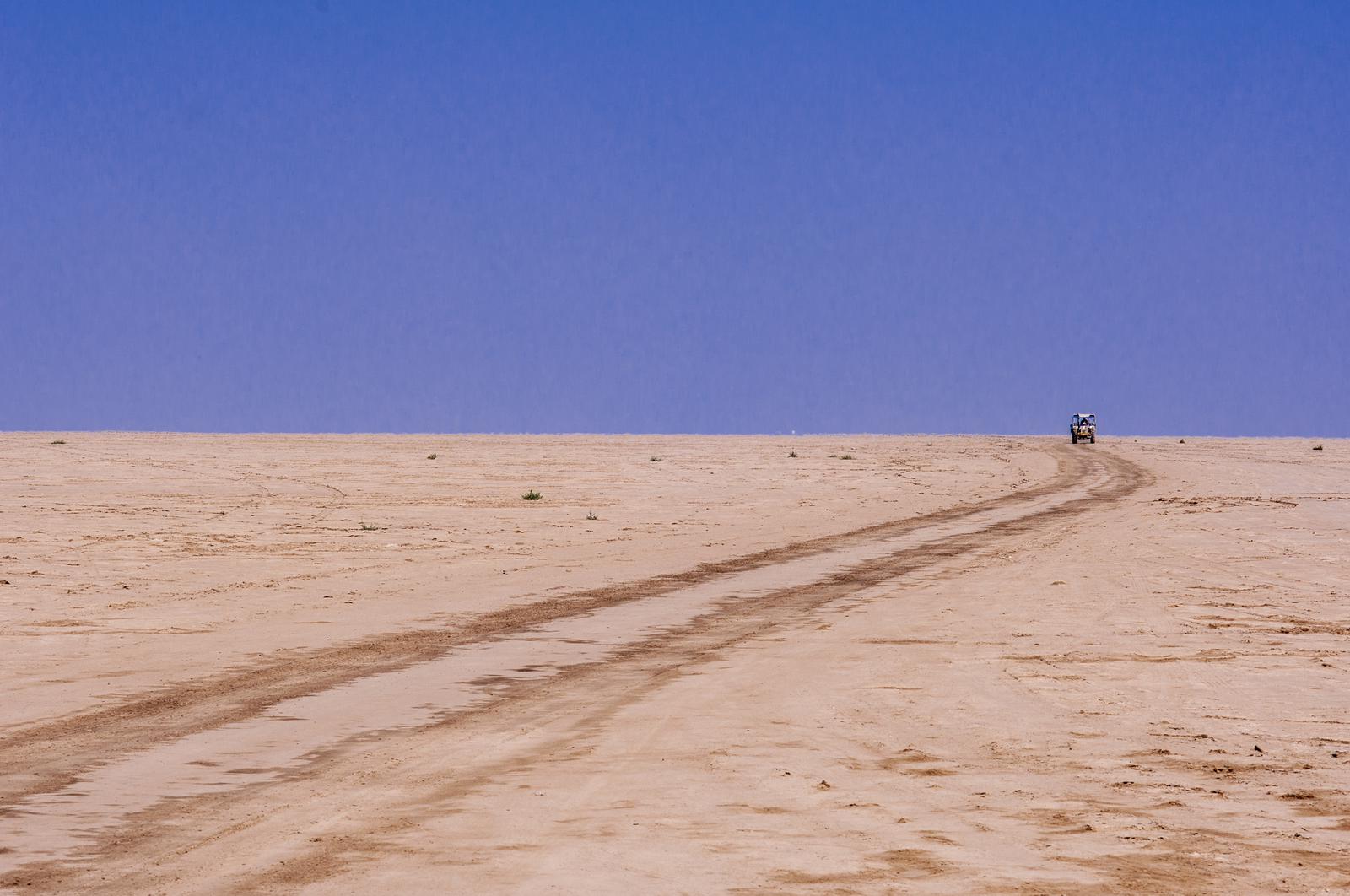
The road trip from the sacred tip of Dwarka to the colonial island of Diu is a 380-kilometer narrative of the Arabian Sea’s raw power and Gujarat’s deep maritime soul. This journey follows the jagged edge of the Saurashtra peninsula, where the horizon is dominated by ancient temples, bustling fishing ports, and some of the most pristine coastal vistas in India.
The journey begins in Dwarka, a city where the air is thick with salt and spirituality. As you head south, the road quickly introduces the "Blue Flag" beauty of Shivrajpur, where white sands and turquoise waters rival the tropics. The drive then transitions into the most celebrated stretch of the Gujarat coastline: Madhavpur Ghed. Here, the highway becomes a narrow ribbon of asphalt sandwiched between towering coconut groves and the crashing surf. There are moments where the sand literally spills onto the road, creating a sensory immersion of rhythmic waves and ocean spray.
Continuing toward Porbandar and Veraval, the landscape takes on a more industrious character. You witness the sheer scale of Gujarat’s relationship with the sea as hundreds of hand-built wooden dhows crowd the harbors. A stop at Somnath provides a spiritual anchor to the trip, with the temple standing as a silent sentinel against the tide.
The final leg of the journey leads to the bridge crossing into Diu. The atmosphere shifts instantly from the mainland’s energy to a Mediterranean-style tranquility. The Portuguese influence is etched into the limestone cliffs and whitewashed churches that overlook the sea. Driving the perimeter of the island—from the horseshoe-shaped Nagoa Beach to the massive Diu Fort—completes an odyssey that captures the evolution of India’s western coast, from a kingdom of legends to a quiet colonial outpost.
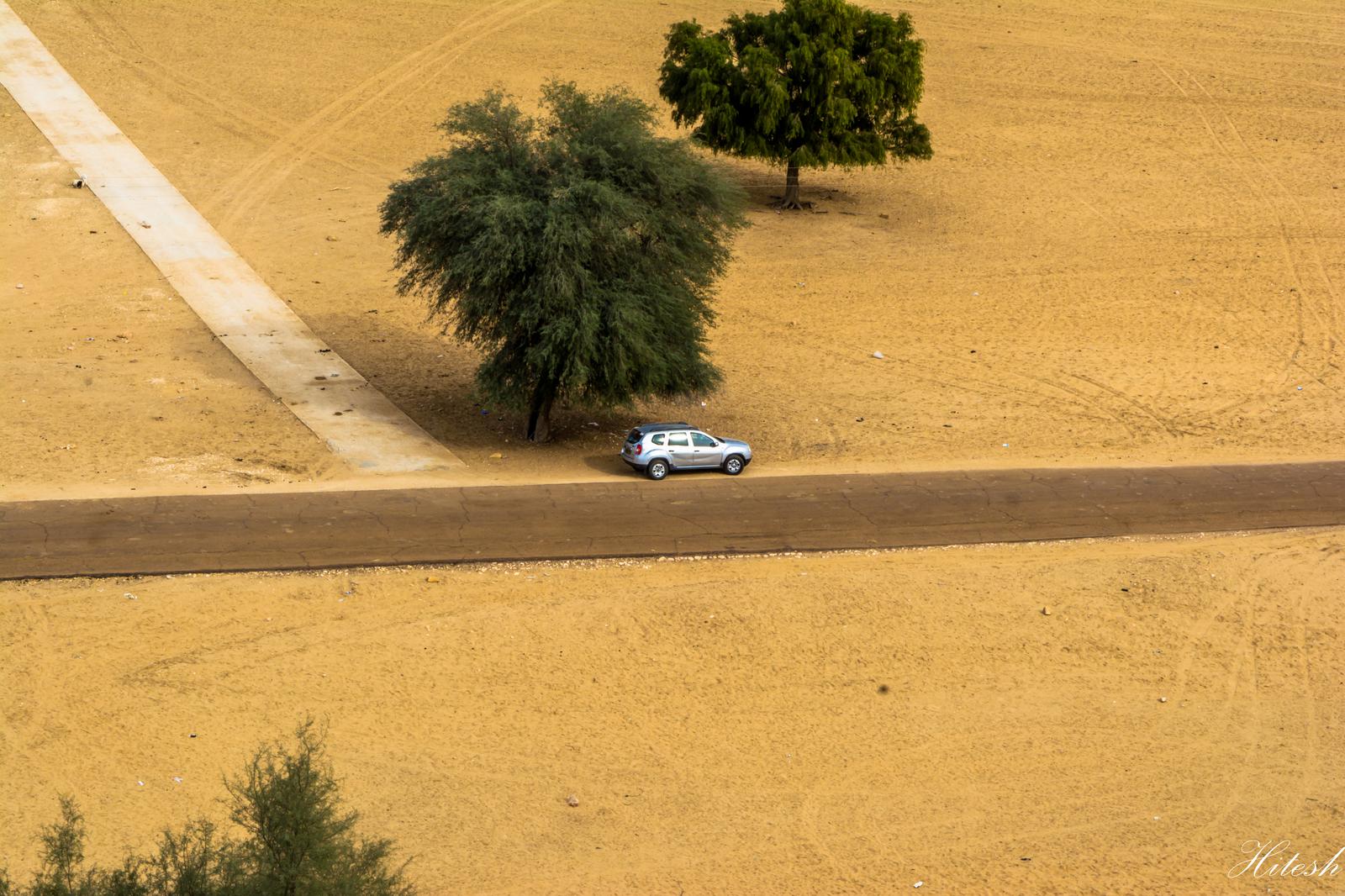
In the heart of the Thar Desert, the road trip from the "Pink City" of Jaipur to the "Golden City" of Jaisalmer offers a different kind of beauty—one defined by space, light, and the timeless rhythm of the desert. The NH11 is a ribbon of asphalt that cuts through the arid plains, where the horizon feels infinite.
As you drive westward through Bikaner and Pokhran, the vegetation thins, and the sand dunes begin to ripple alongside the road. The best time to experience this is at sunset, when the desert sky turns into a canvas of bruised purples and burnt oranges, and the local wildlife—chinkaras and peacocks—can often be spotted near the highway. The arrival in Jaisalmer is nothing short of cinematic; the golden sandstone fort rises out of the desert like a mirage, marking the end of a journey through the historical heart of Rajasthan.