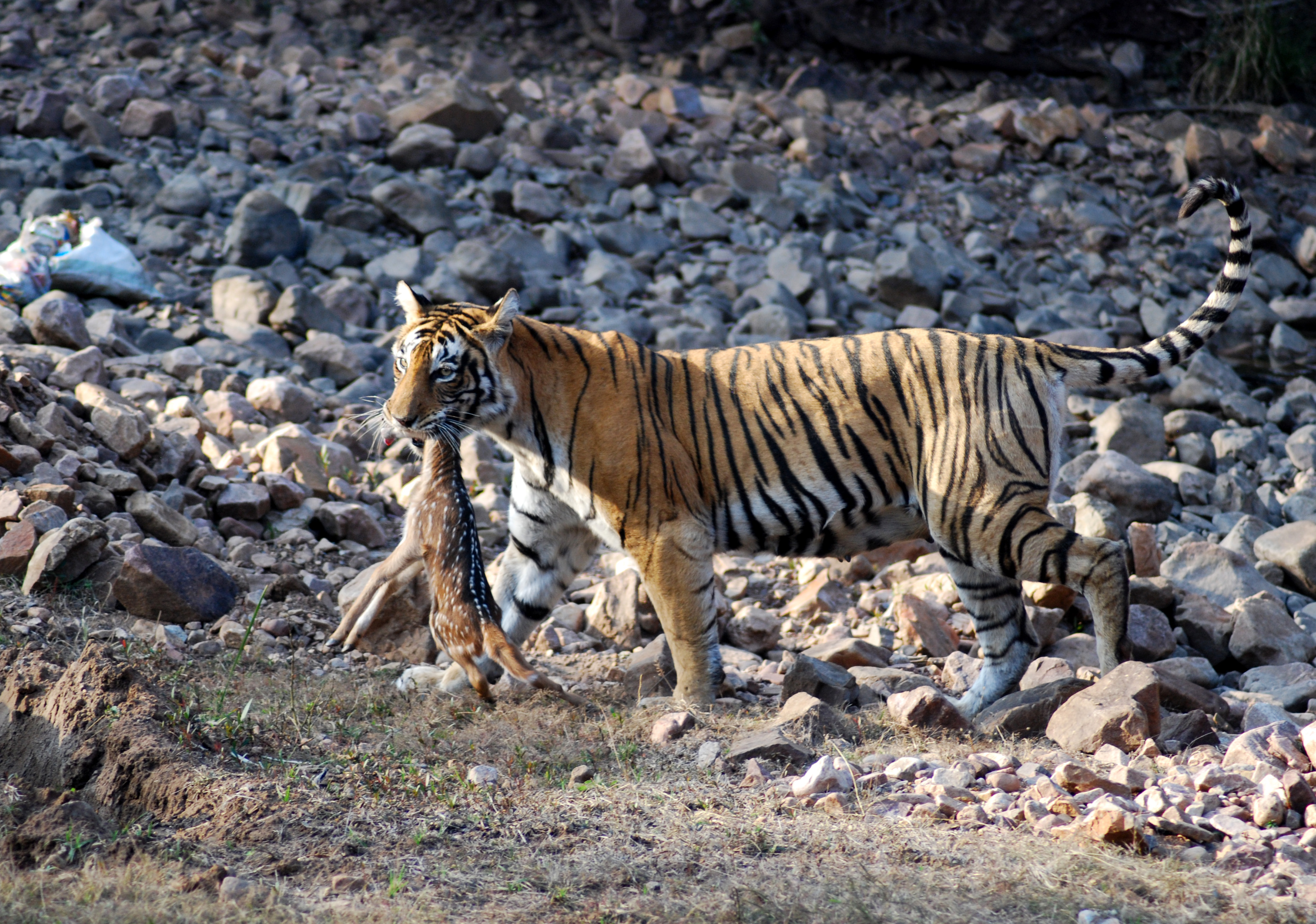

India’s mesmerizing jungles are living chronicles where the rustle of leaves whispers ancient secrets and every creature moves in a primal, rhythmic dance with the earth. In this sacred space, nature is far more than a backdrop; it is a vital protagonist woven into the very fabric of our myths and legends. Deep within the emerald heart of the wild, a vibrant drama unfolds daily. Apex predators like the Bengal tiger prowl with a silent, terrifying grace, while the Asiatic lion proclaims its sovereignty with a roar that shakes the horizon. Wise and ancient, elephants traverse paths carved by their ancestors, while the prehistoric silhouette of the rhino grazes peacefully within its grassy fortress.
Venturing further into the thicket, the landscape reveals its specialists. In the arid, deciduous forests of Gir National Park in Gujarat, the world’s last remaining Asiatic lions hold court, their presence a triumph of dedicated conservation. To the northeast, the floodplains of Kaziranga National Park in Assam serve as the global stronghold for the Great One-horned Rhinoceros, where these armor-plated giants share the tall elephant grass with wild water buffalo. In the mist-shrouded peaks of the Himalayas, the "Gray Ghost"—the elusive snow leopard—haunts the rocky ridges of Hemis National Park in Ladakh and the rugged Spiti Valley of Himachal Pradesh. Meanwhile, the dense bamboo groves of Singalila National Park in West Bengal offer a rare, fleeting glimpse of the arboreal Red Panda, a fiery-furred gem of the Eastern Himalayas.
Every step taken on this hallowed ground reveals a new chapter. Tracking a predator through the damp earth by its pugmarks in the tiger-dense sal forests of Bandhavgarh or Kanha, or interpreting the frantic alarm calls of deer in Ranthambore, transforms a simple journey into a high-stakes masterclass in forest lore. It is a realm where the boundary between nature and culture vanishes, where the sagas of gods, goddesses, and forest spirits are inextricably linked to the flora and fauna. This is the captivating world of India’s wildlife sanctuaries, where the raw, untamed magic of the earth awaits those with the soul to seek it.
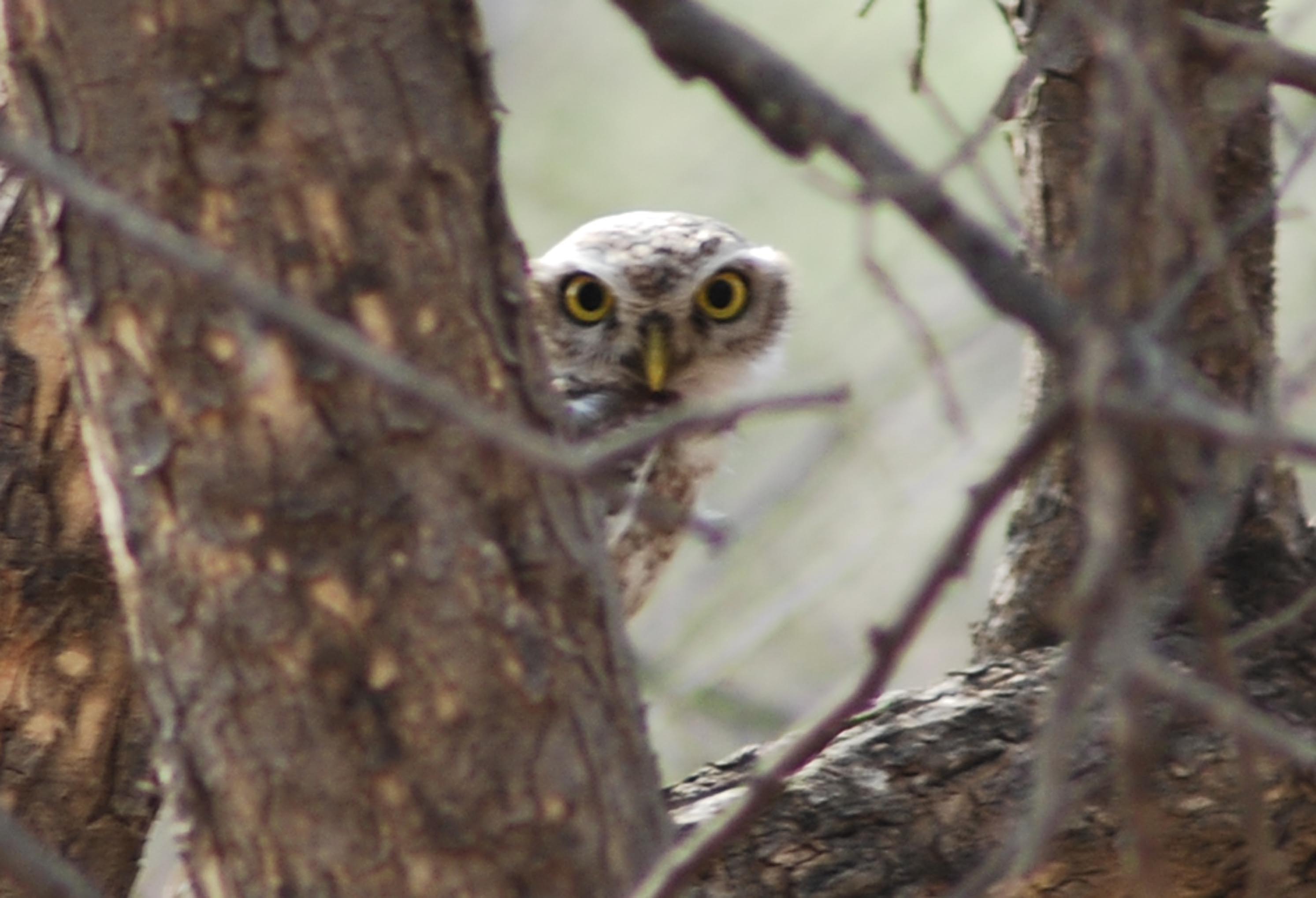
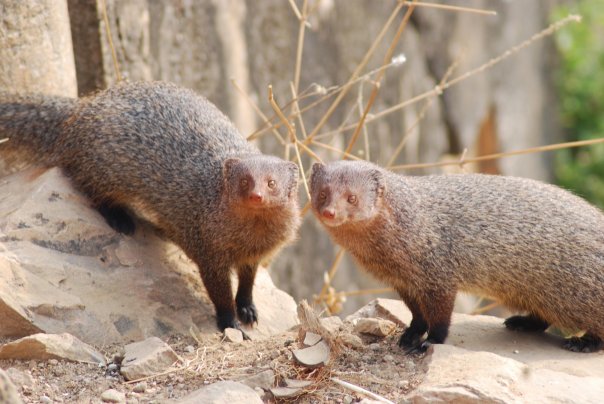
Deep within the Indian subcontinent lies a world pulsating with life, where the palette of the natural world has painted a masterpiece of biological complexity. From the sun-drenched, salt-sprayed coastlines to the frozen, silent cathedrals of the Himalayas, India’s landscape is a magnificent gallery of habitats. Each niche serves as a unique sanctuary, from the elephant-rich corridors of Jim Corbett National Park in the northern foothills to the tropical rainforests of Periyar in the south, creating a geographical marvel that spans the entire spectrum of the natural world.
India’s staggering altitudinal range—ascending from the humid sea level to the oxygen-thin, snow-capped peaks of the world's highest mountains—engineered the perfect laboratory for evolution. This verticality, combined with a variety of climates, turns the nation into a global epicenter for biodiversity. A defining characteristic of this richness is the convergence of three distinct biogeographical realms: the Indomalayan, Palearctic, and Afrotropical. This rare intersection allows species as diverse as the desert-dwelling Indian Wild Ass of the Rann of Kutch and the alpine Himalayan Monal to coexist within the same national borders.
The nation’s fierce commitment to preservation is mirrored in its network of over 600 national parks and sanctuaries. This vast emerald safety net supports 1,300 species of birds, 400 species of mammals, and 1,500 varieties of butterflies. Beneath the canopy and within the streams, one finds over 250 amphibian species and 290 types of snakes, all sustained by an incredible 25,000 species of flowering plants. Whether it is the birdwatcher's paradise of Keoladeo Ghana in Rajasthan or the tiger-tracked wetlands of the Sundarbans, India's biological variety is designed to leave the observer spellbound.
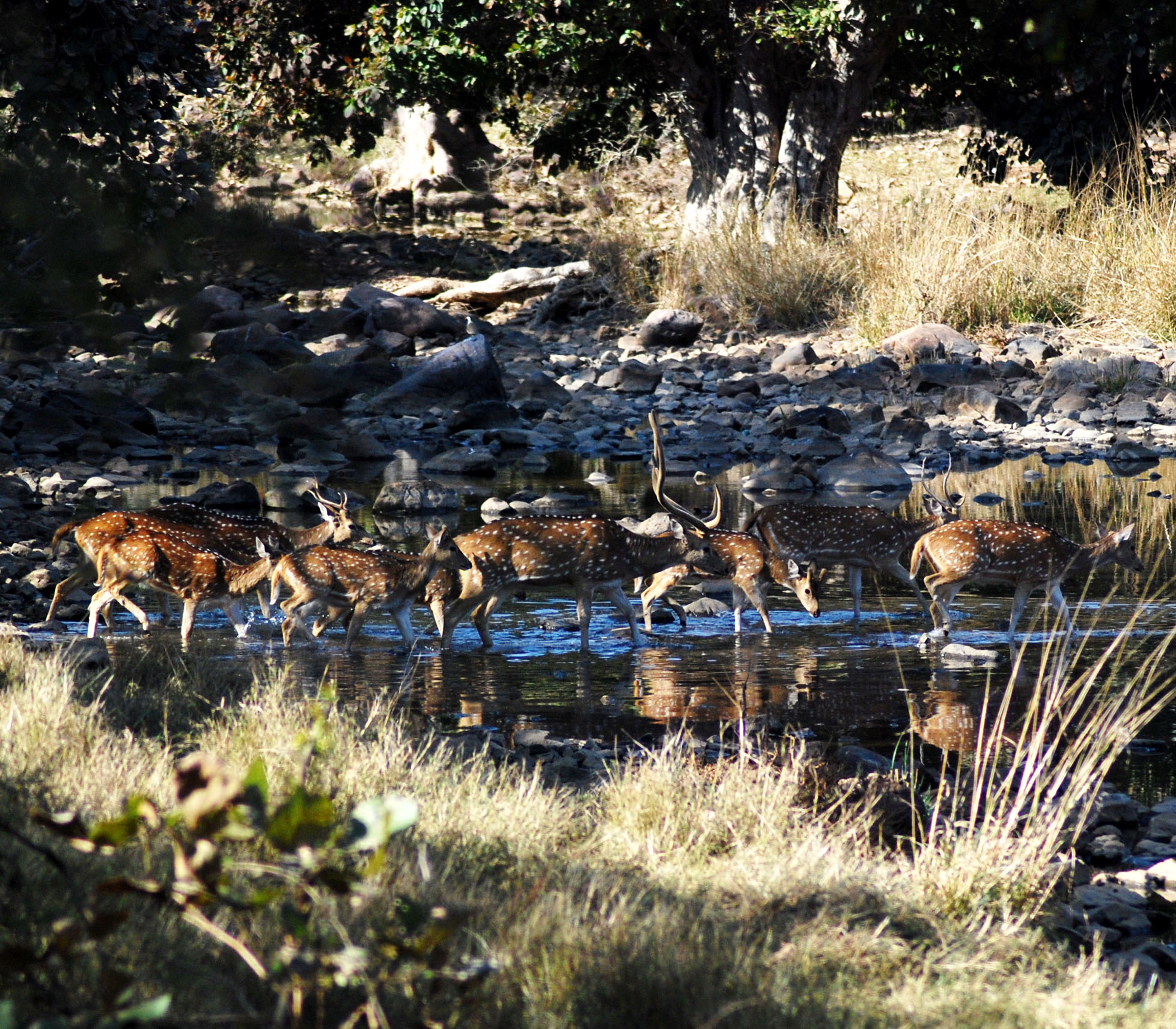
Amidst this breathtaking biological wealth exists a vital, human heartbeat: the tribal communities of India. From the Baiga and Gond tribes in the central highlands of Kanha to the Mishmi people in the verdant hills of Arunachal Pradesh, these indigenous groups are the original sentinels of the wild. For millennia, they have served as the silent architects of conservation, safeguarding a natural heritage that has evolved over epochal timescales.
The profound connection these tribes hold with the land offers a perspective that no textbook can provide. To explore the tiger reserves of Madhya Pradesh or the leopard-haunted hills of Jawai through the eyes of local inhabitants is to move beyond the role of a tourist and into the role of an initiate. Their ancient wisdom transforms the landscape; a broken twig or a specific scent becomes a vivid narrative under their guidance. They do not merely reside in the wilderness; they possess its pulse, understanding the language of the forest in a way that makes every moment of the journey deeply significant.
These communities are far more than residents; they are the dedicated caretakers of an invaluable global legacy. Their presence serves to humanize the wild, acting as a living bridge between modern society and our ancestral roots. They remind us that protecting the tiger in Tadoba
or the elephant in Nagarhole is not just a scientific necessity, but a shared moral responsibility to honor the ancient wisdom that has kept these ecosystems thriving for centuries
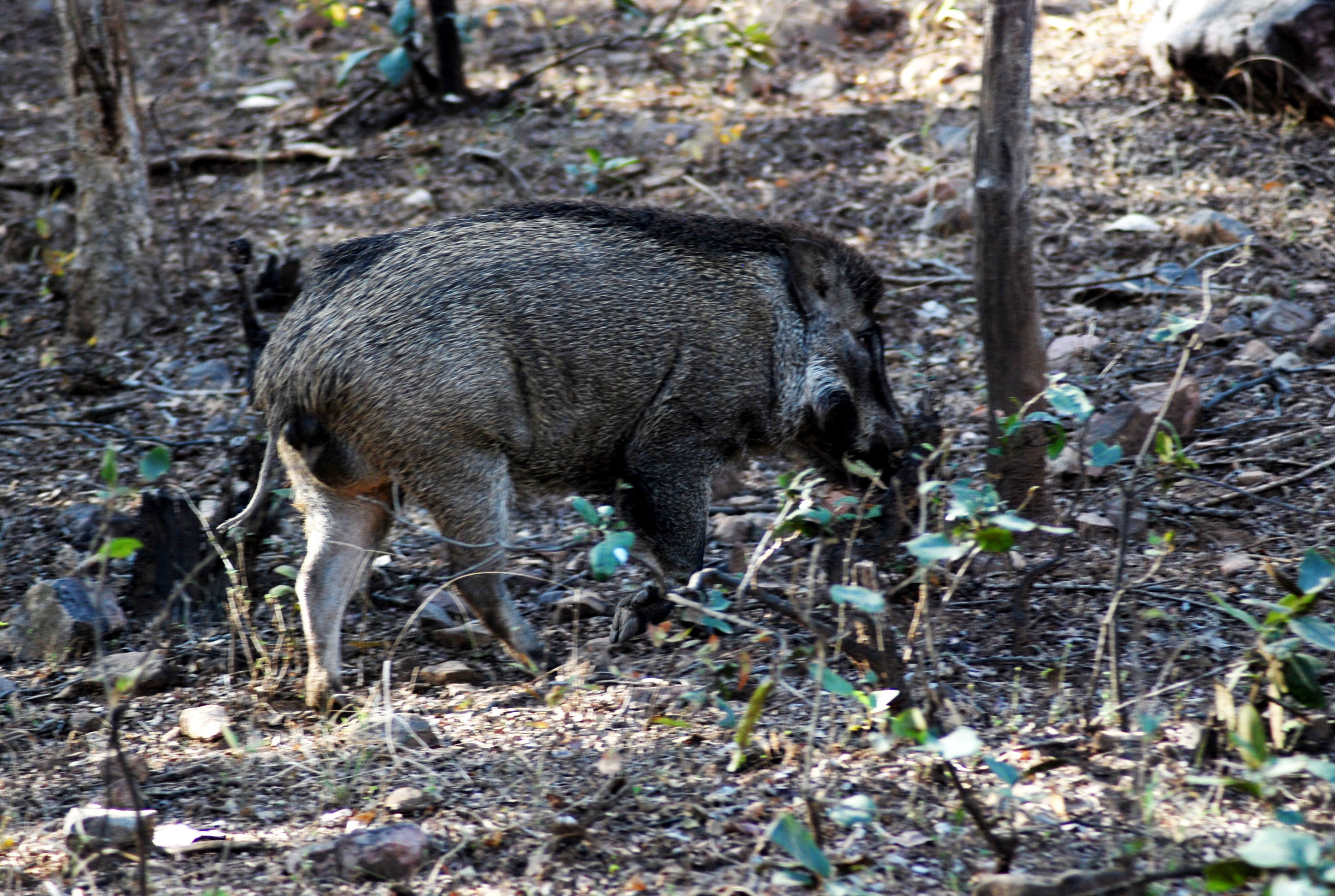
The vast diversity of India’s wildlife—from the lions of the west to the rhinos of the east—is inextricably linked to the country’s people, its vibrant customs, and its epic history. Our wildlife itineraries are meticulously crafted to immerse you in this powerful synthesis, guiding you on a journey where natural wonders and cultural treasures are two sides of the same coin. As you traverse the rugged countryside, you will encounter more than just tracks and trails; you will find storied palaces and ancient temples, like the 10th-century Ranthambore Fort overlooking prime tiger territory, standing as silent witnesses to the coexistence of man and beast.
Our safaris are designed as cultural pilgrimages rather than mere sightseeing excursions. Every moment is an opportunity to touch the core of India’s soul and establish a lasting connection with its biological legacy. To ensure this experience leaves a positive footprint, we have partnered with respected conservationists and visionary organizations. This collaboration offers you a direct window into the front lines of protection, allowing you to learn about active projects—like the reintroduction of tigers in Panna or the protection of sea turtles on the Odisha coast. By joining this journey, you become part of the story, ensuring that the magic of the Indian wild continues to flourish for generations to come.