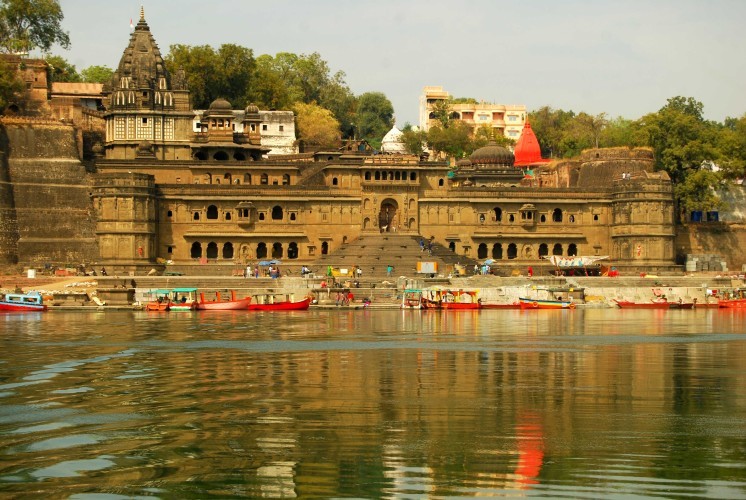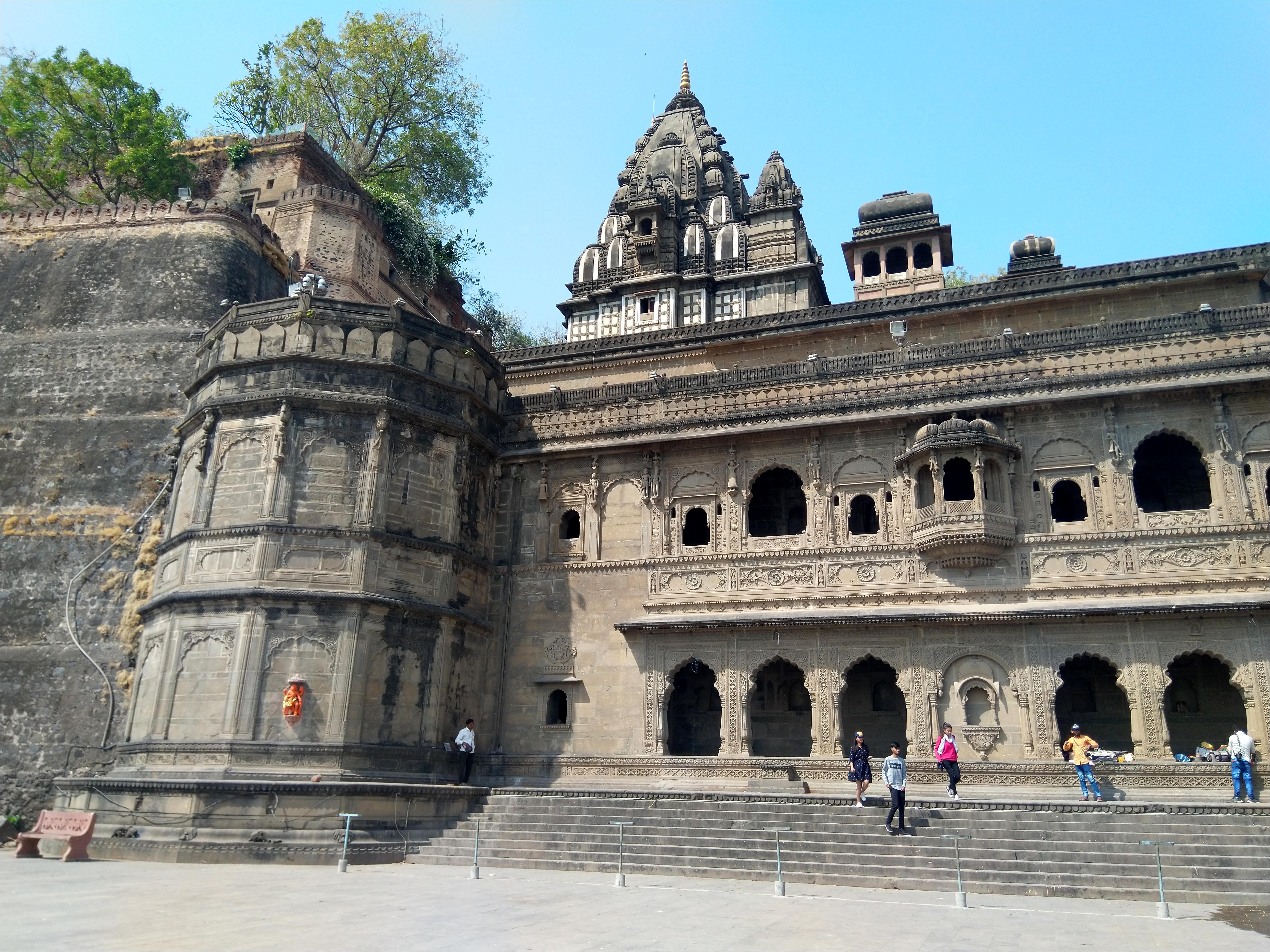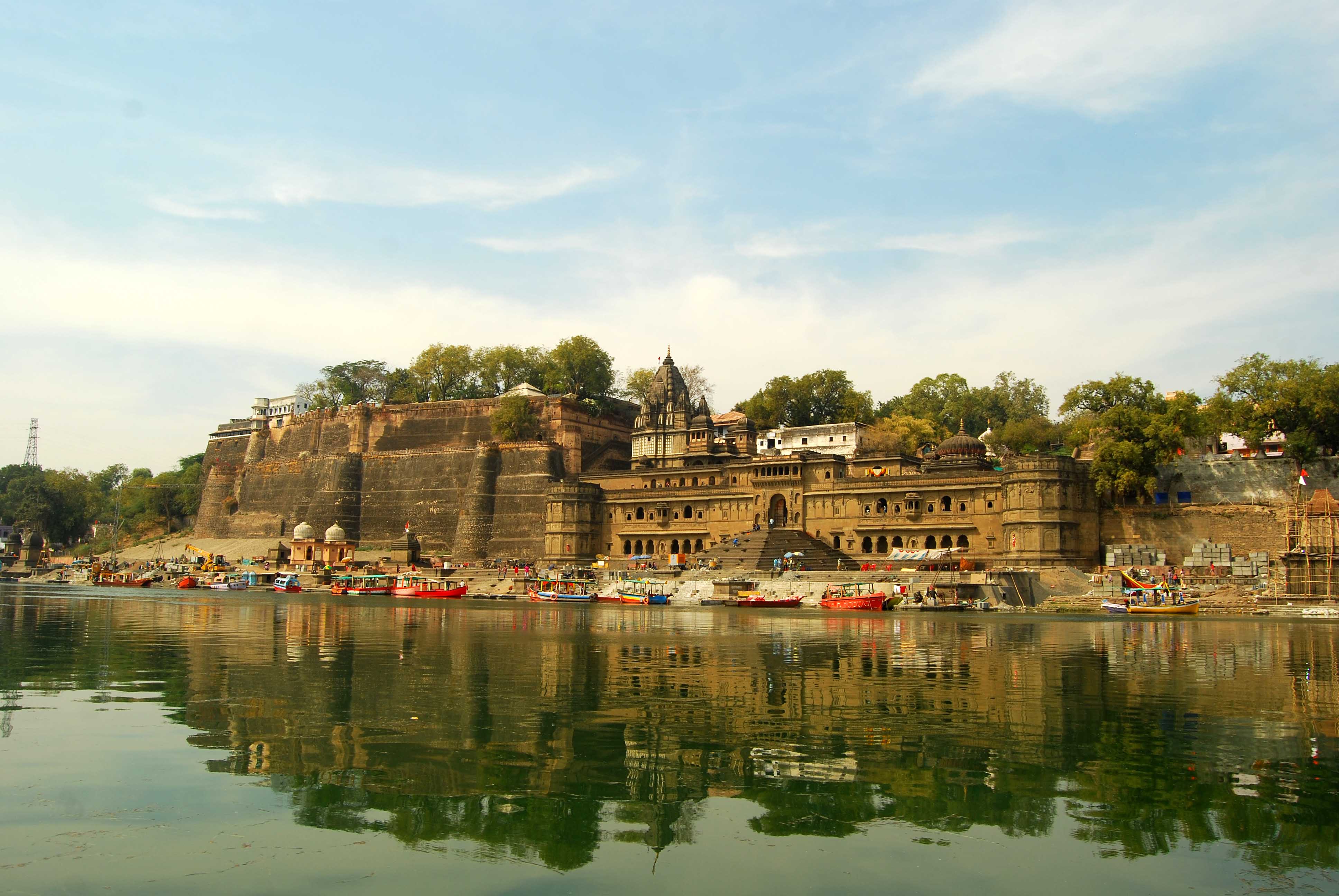

To enter Maheshwar is to step into a living canvas where the sacred waters of the Narmada River reflect thousands of years of Indian civilization. Known in the ancient epics of the Ramayana and Mahabharata as Mahishmati, this storied town once served as the glorious capital of King Kartivarjun. While its roots reach back to the dawn of time, the Maheshwar we celebrate today is a testament to the vision of the Holkar queen, Rani Ahilyabai. In the 18th century, following the era of the Mughal emperor Aurangzeb and the rise of the Maratha Confederacy under Malhar Rao Holkar, the pious Rajmata Ahilyabai revived this town, establishing it as a seat of justice, spirituality, and unparalleled craftsmanship.
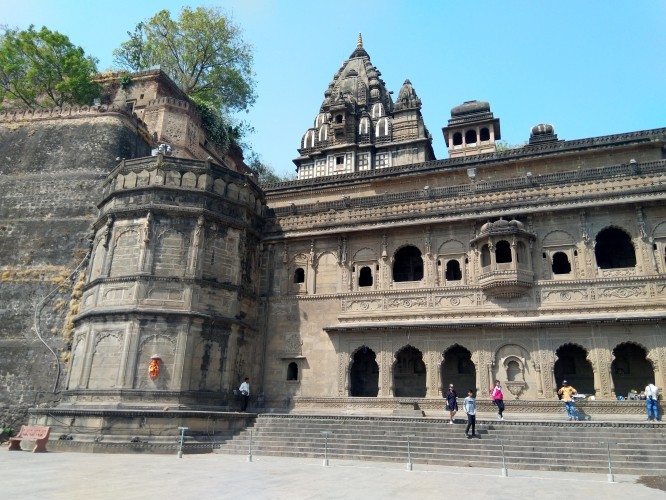
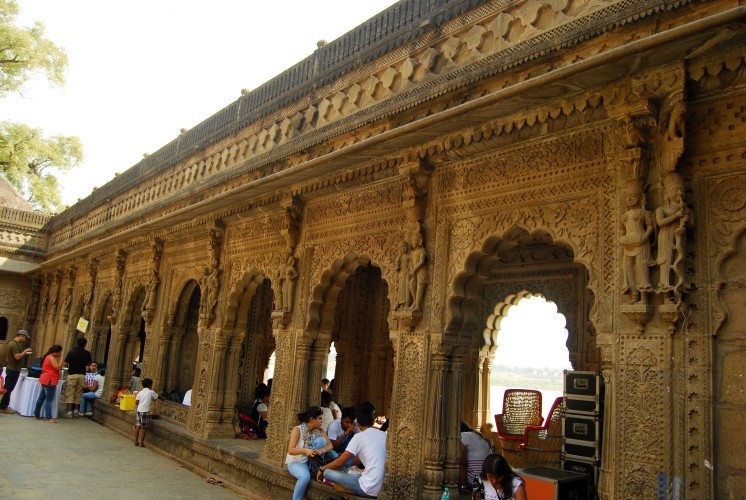
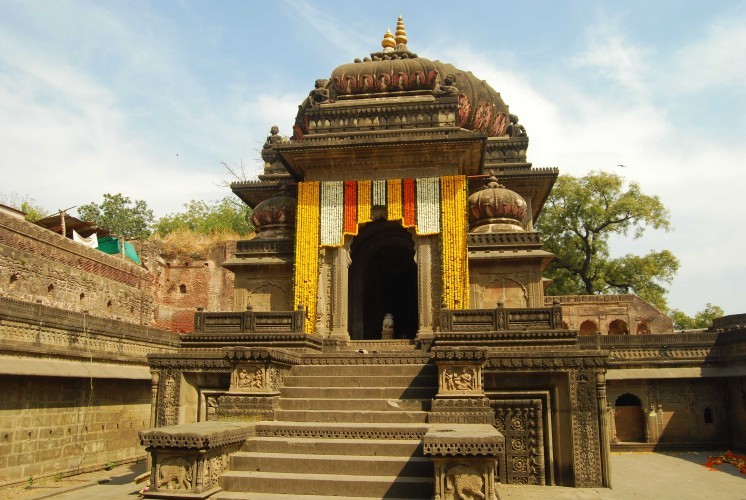
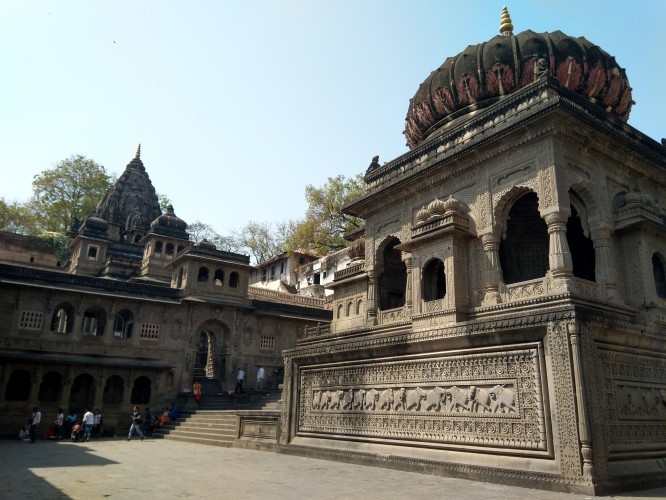
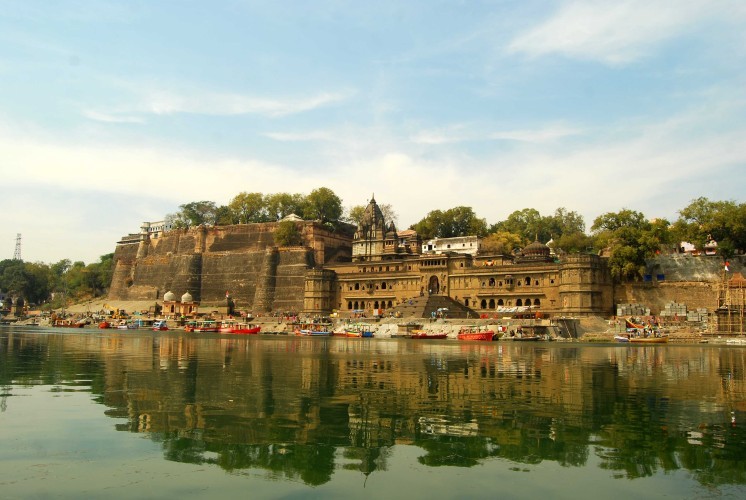
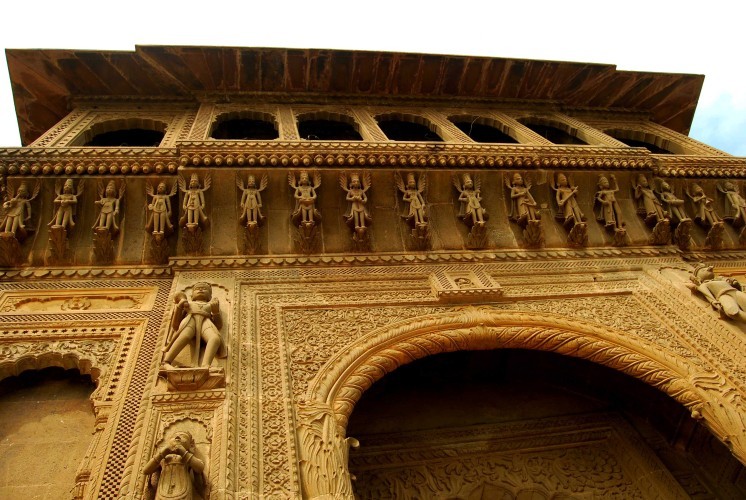
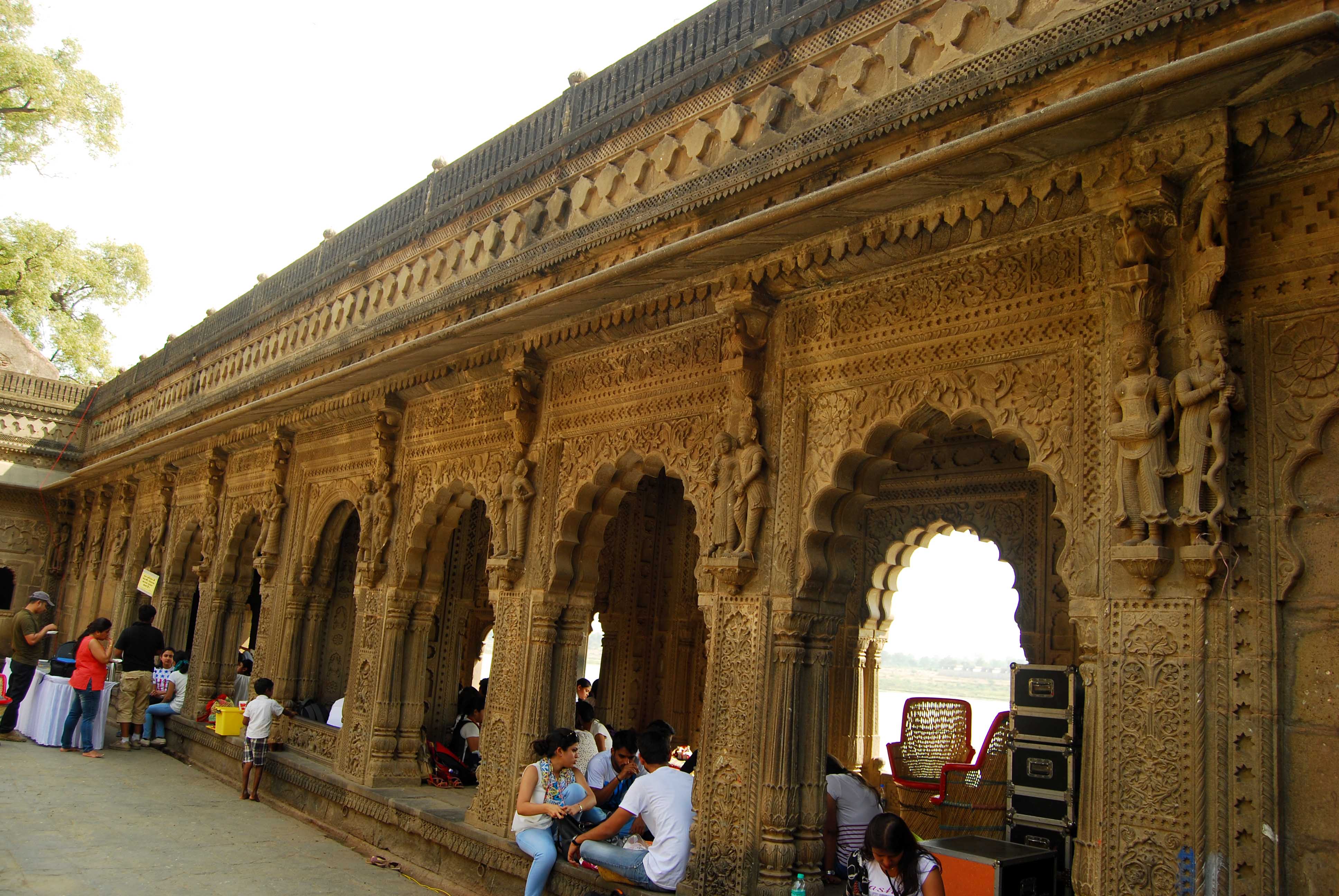
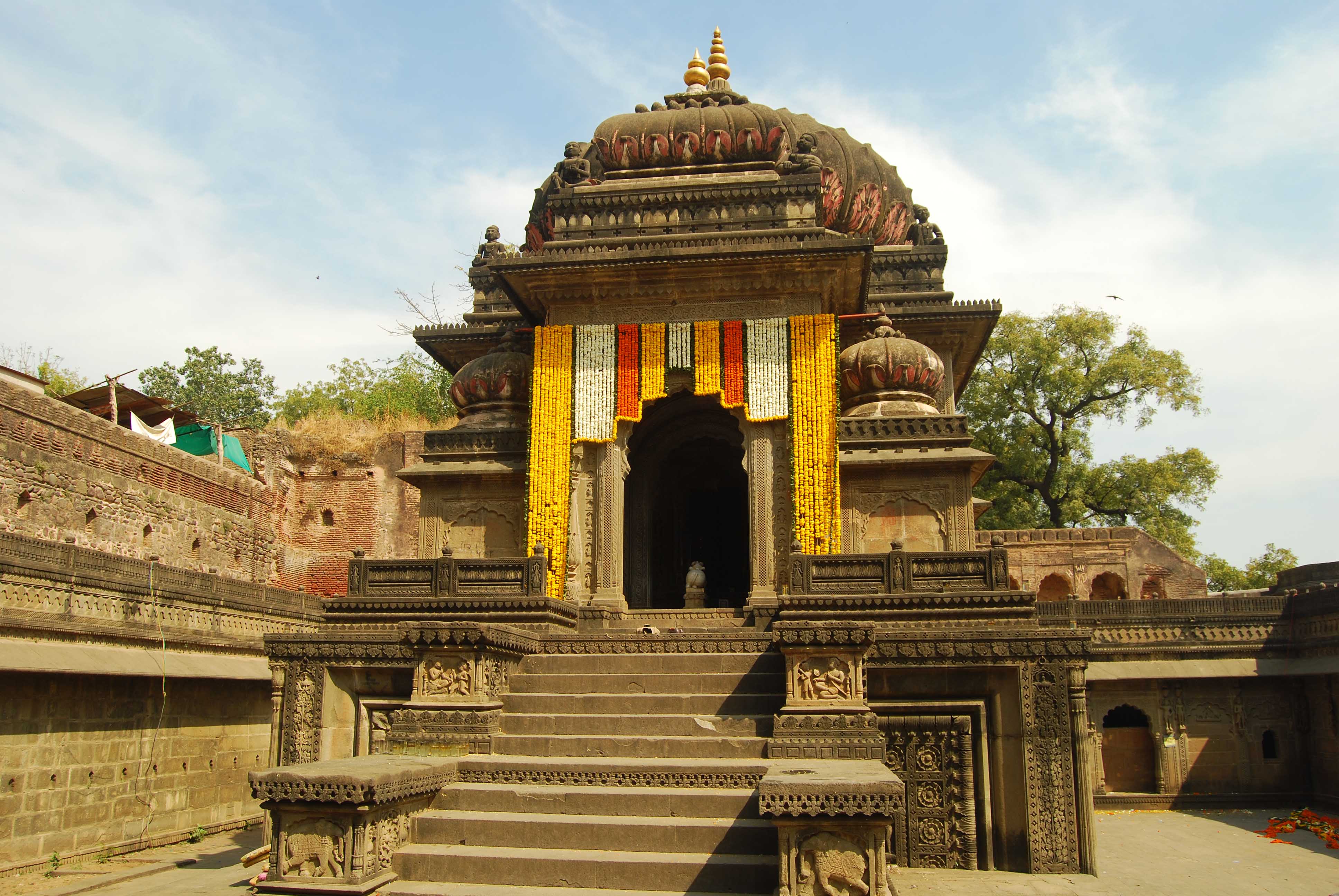
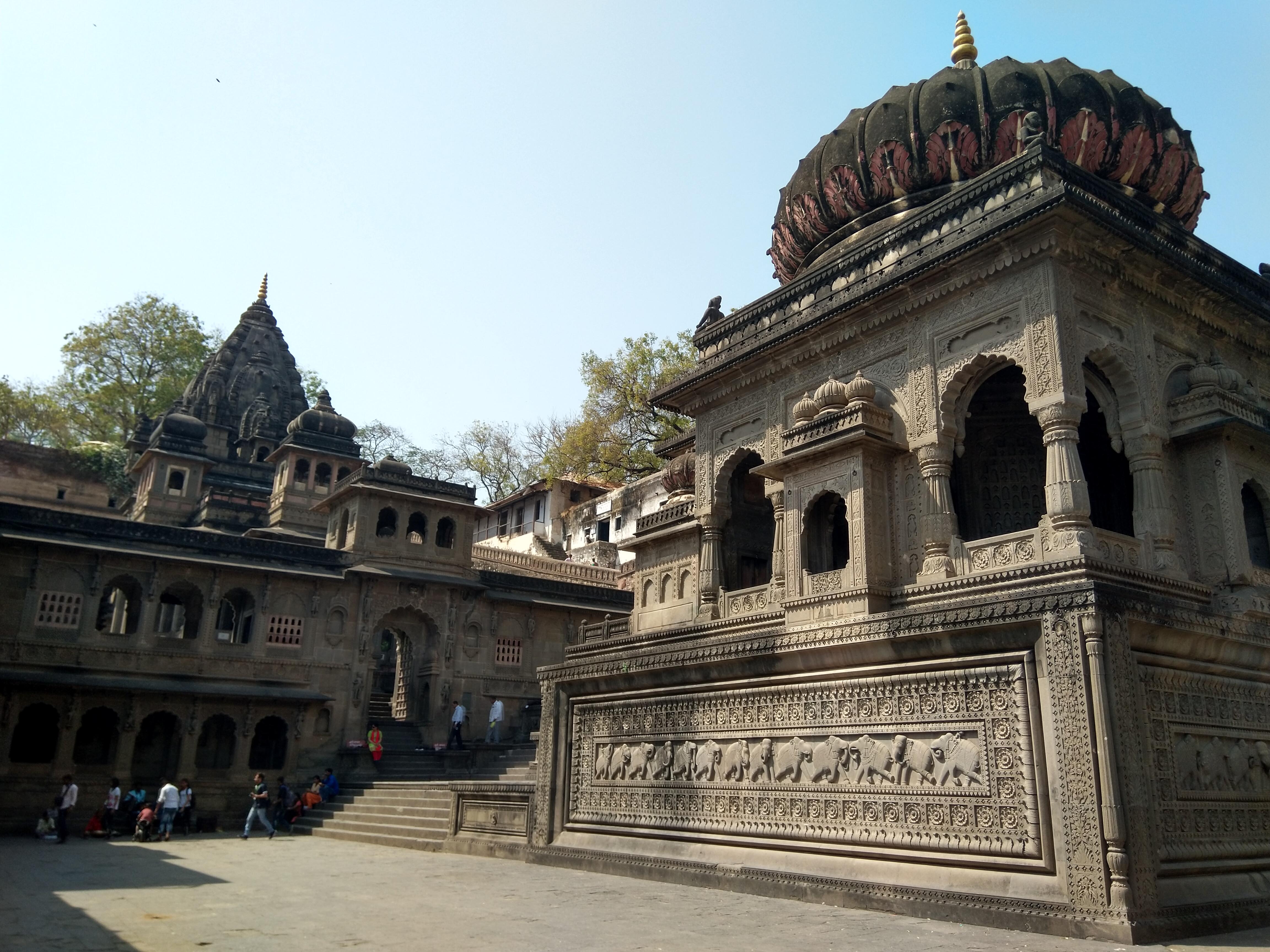
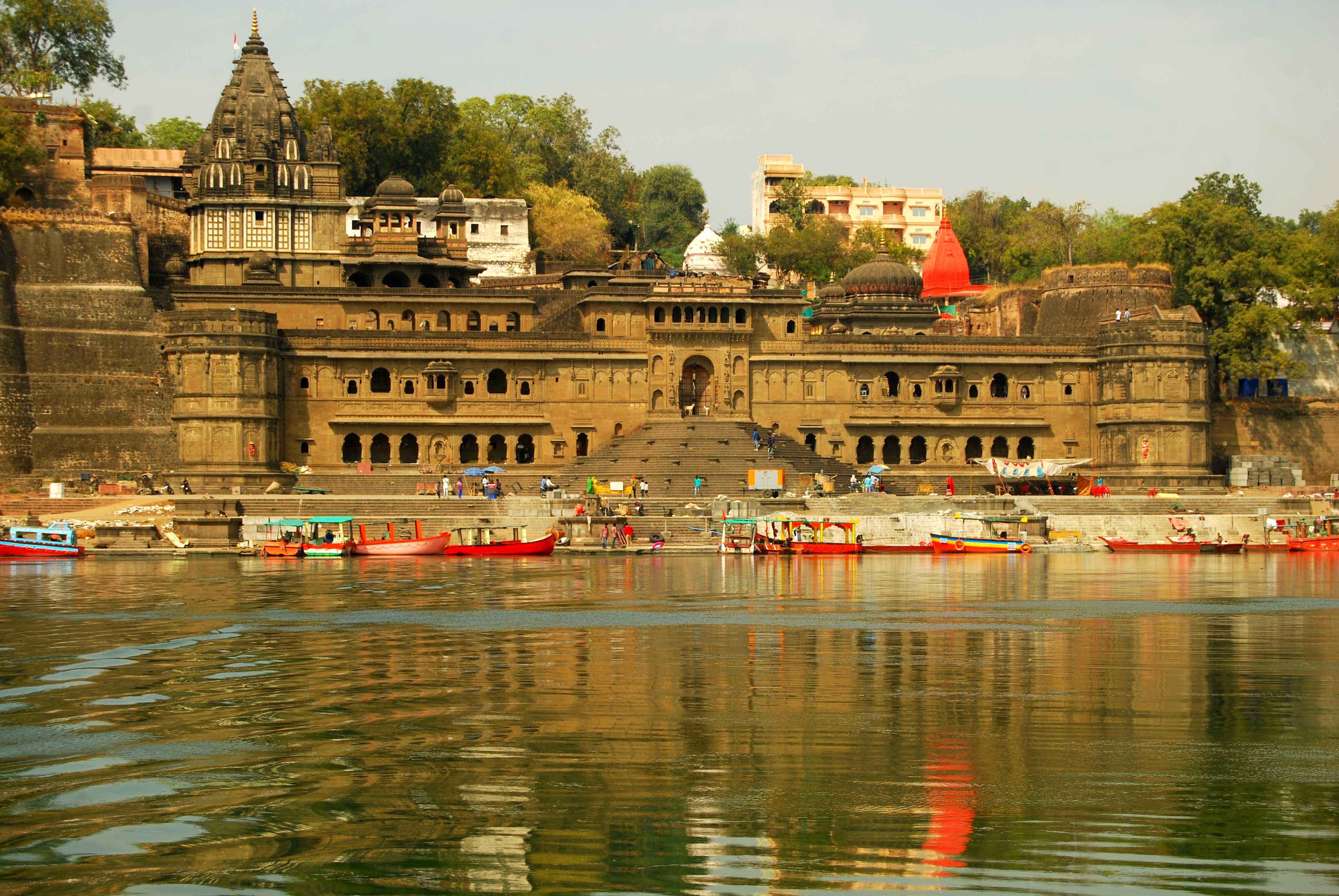
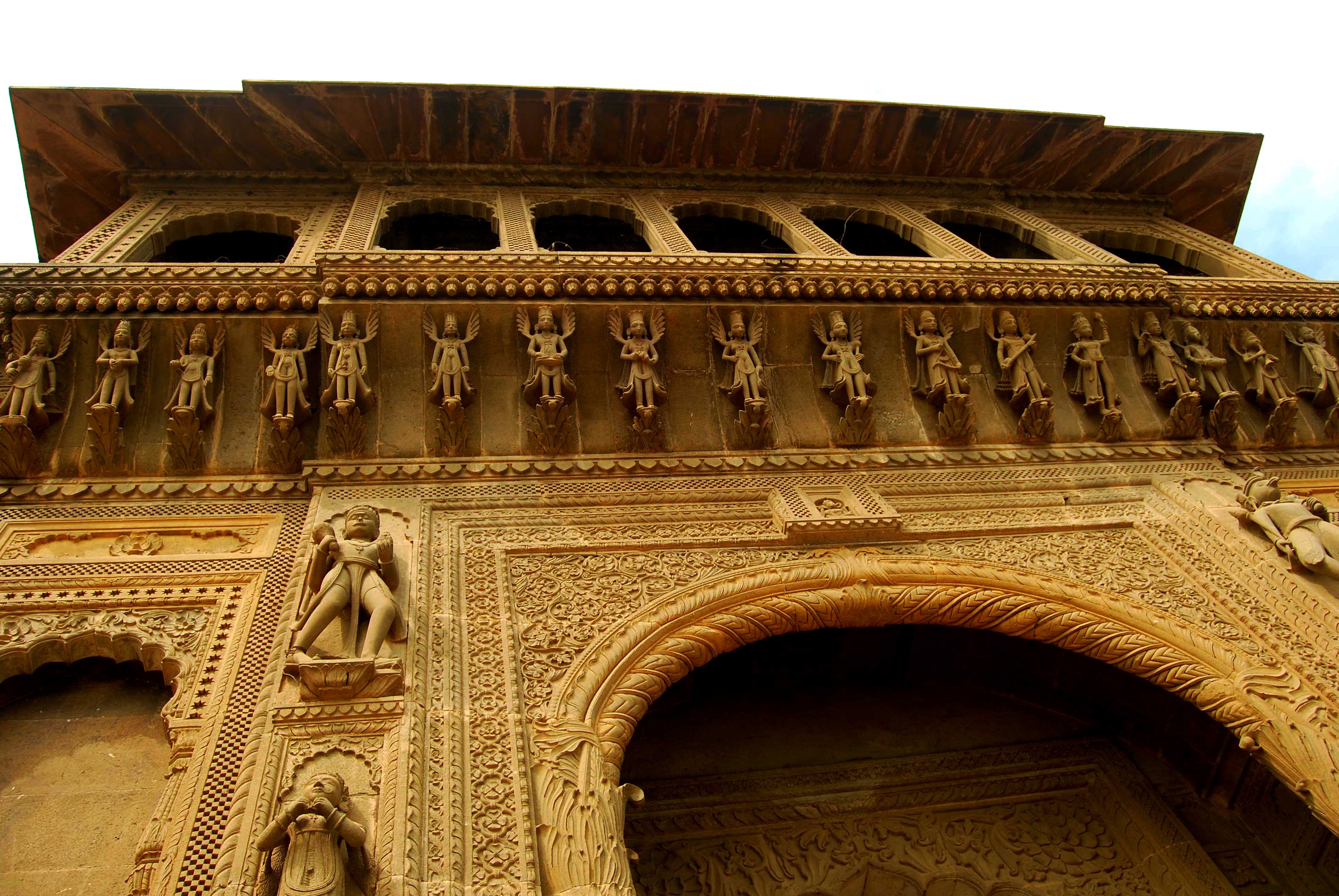
Your journey begins at the massive Ahilyabai Fort, which stands as a sentinel on a hill, overlooking the holy river on one side and the bustling modern town on the other. Within these weathered stone walls lies the Rajwada, a simple yet elegant palace that portrays the austere and devoted lifestyle of the Queen. Here, visitors can pay their respects at a life-size statue of Rani Ahilyabai seated upon her throne or marvel at the golden lingam housed within the palace’s Shiva temple. A short walk leads to the Ahilyeshwar Temple, an architectural marvel dedicated to Lord Rama. Built by the Queen’s daughter, Krishnabai, to honor her mother’s memory, the temple’s facade is intricately carved with images of Maratha soldiers and elephants, serving as a silent chronicle of a bygone military era.
The spirit of Maheshwar is perhaps best captured at the Narmada Ghat, located at the foot of the fortress. Throughout the day, the ghats transform into a vibrant kaleidoscope of rural India, where pilgrims perform rituals and holy men sit in silent meditation amidst the hum of daily life. For those seeking deeper architectural wonders, the Ek Mukhi Datta Temple offers a sprawling 30-acre sanctuary near the Sahastradhara waterfall. Dedicated to Lord Dattatreya, its fantastic history and admirable design provide a serene escape from the central town.
If you time your visit for November, the town erupts in celebration during the Nimar Utsav. Held around Kartik Purnima, this annual three-day festival fills the air with music, dance, and drama, while the river comes alive with boating and canoeing competitions. It is during these moments that the philosophical weight of Maheshwar feels most present—the same atmosphere that, in the 8th century, hosted the legendary debate between Adi Shankaracharya and Mandana Misra. It was here that the brilliant Ubhaya Bharati challenged the young Shankara, reminding the world that wisdom is never complete until it accounts for both halves of the whole. Whether you come as a pilgrim or a curious traveler, the flow of the Narmada and the echoes of the Holkar legacy ensure that you leave Maheshwar with a soul deeply calmed and an eye forever pleased.
Beyond the weathered stone walls and deep-rooted spirituality, Maheshwar unfolds as a sensory haven, offering a rhythmic blend of leisure and discovery. To truly immerse yourself in this riverside charm, a perfect day begins at the MPT Narmada Retreat, where the sunrise paints the river in hues of gold, or at the regal Ahilya Fort, where luxury meets centuries of heritage. After a quiet breakfast, the morning calls for a slow exploration of the town's architectural gems. Wandering through the temple complexes, you’ll witness the sunlight dancing on intricate carvings of deities and warriors, each stone telling a story of devotion that has remained unchanged for generations.
As midday approaches and the sun climbs higher, the town’s atmosphere shifts from the ethereal to the epicurean. The air begins to thicken with the warm, spicy aroma of local Malwa cuisine, drawing hungry travelers toward the heart of the marketplace. No journey to this region is complete without sitting down for a traditional Dal Bafla thali at the renowned Shri Banke Bihari Palace. This quintessential meal—featuring ghee-laden wheat balls, spicy lentils, and tangy pickles—is a labor of love that reflects the robust hospitality of Central India.
For those who prefer a more spontaneous culinary adventure, the roadside stalls offer a symphony of textures and tastes. From the crunch of freshly fried poha-jalebi to the savory heat of local snacks, these simple delights provide the perfect fuel for an afternoon of discovery. Whether you are reclining in a heritage suite or navigating the vibrant street food scene, Maheshwar ensures that every moment is as flavorful as it is historic.
Since the 5th century, Maheshwar has flourished as a premier center of handloom weaving, producing fabrics and sarees that are nothing short of exquisite. However, the true transformation of the Maheshwari saree began nearly 250 years ago under the patronage of Rani Ahilyabai. It was her vision that introduced the unique weave we celebrate today—traditionally crafted in breathable cotton and characterized by elegant plain bodies, sophisticated stripes, or intricate checks.
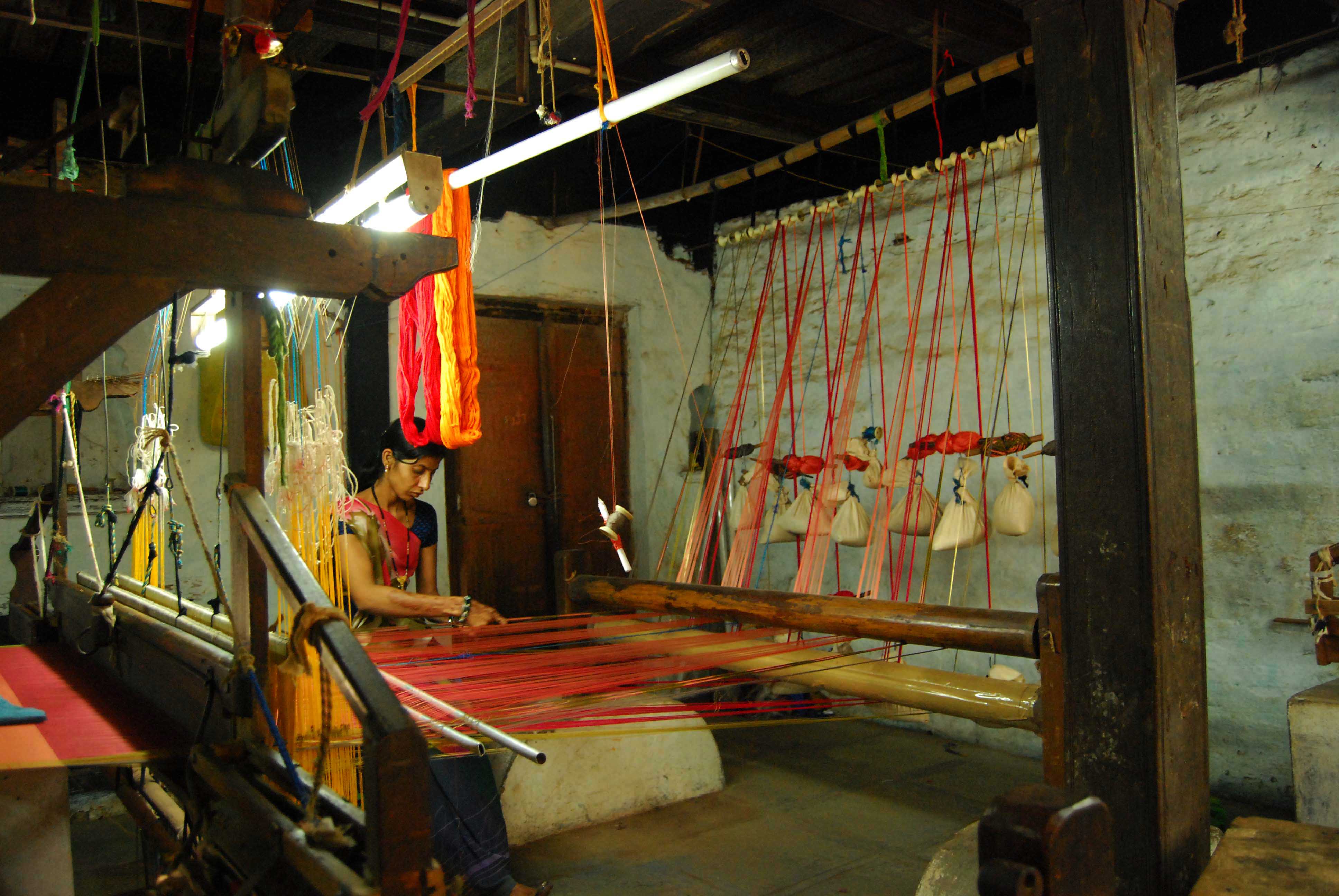
Despite its long and storied history, this ancient craft faced a heartbreaking decline and was nearly lost to time just a few decades ago. Its revival began in 1979, when the current scion of the Holkar family stepped in to save the dying art. Backed by a modest grant from the Indian Central Welfare Board, they launched a dedicated weaving project aimed at empowering local women. This initiative blossomed into the Rehwa Society, a sanctuary for craftsmanship that successfully breathed new life into the looms of Maheshwar, ensuring that this legendary fabric continues to drape generations to come.