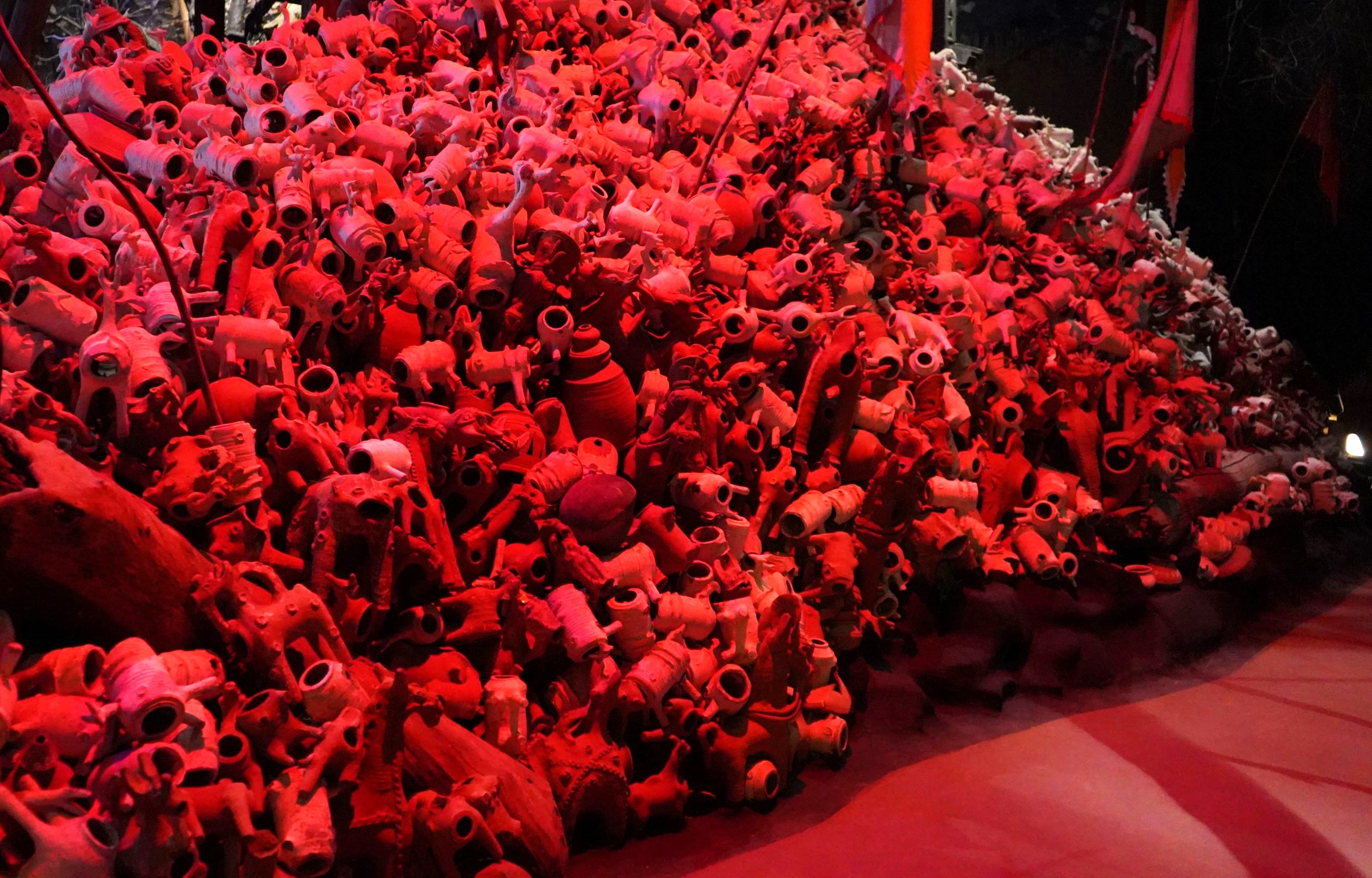

The art and craft legacy of India is a living tapestry, a vibrant map where every coordinate is defined by a unique stitch, a specific clay, or a particular pigment. It is a heritage that has survived empires and industrialized eras by being deeply rooted in the soil and spirit of its people. From the snow-capped peaks of the north to the tropical shores of the south, the artistic soul of India unfolds as a continuous narrative of human ingenuity.
In the northern reaches of the country, the crafts represent a sophisticated dialogue between indigenous Himalayan traditions and the opulent aesthetics of the Mughal courts. In Jammu and Kashmir, this is most evident in the creation of Pashmina shawls (GI Tag), hand-spun from the soft undercoat of goats, and the delicate art of Paper Mache, where waste paper is transformed into ornate objects.
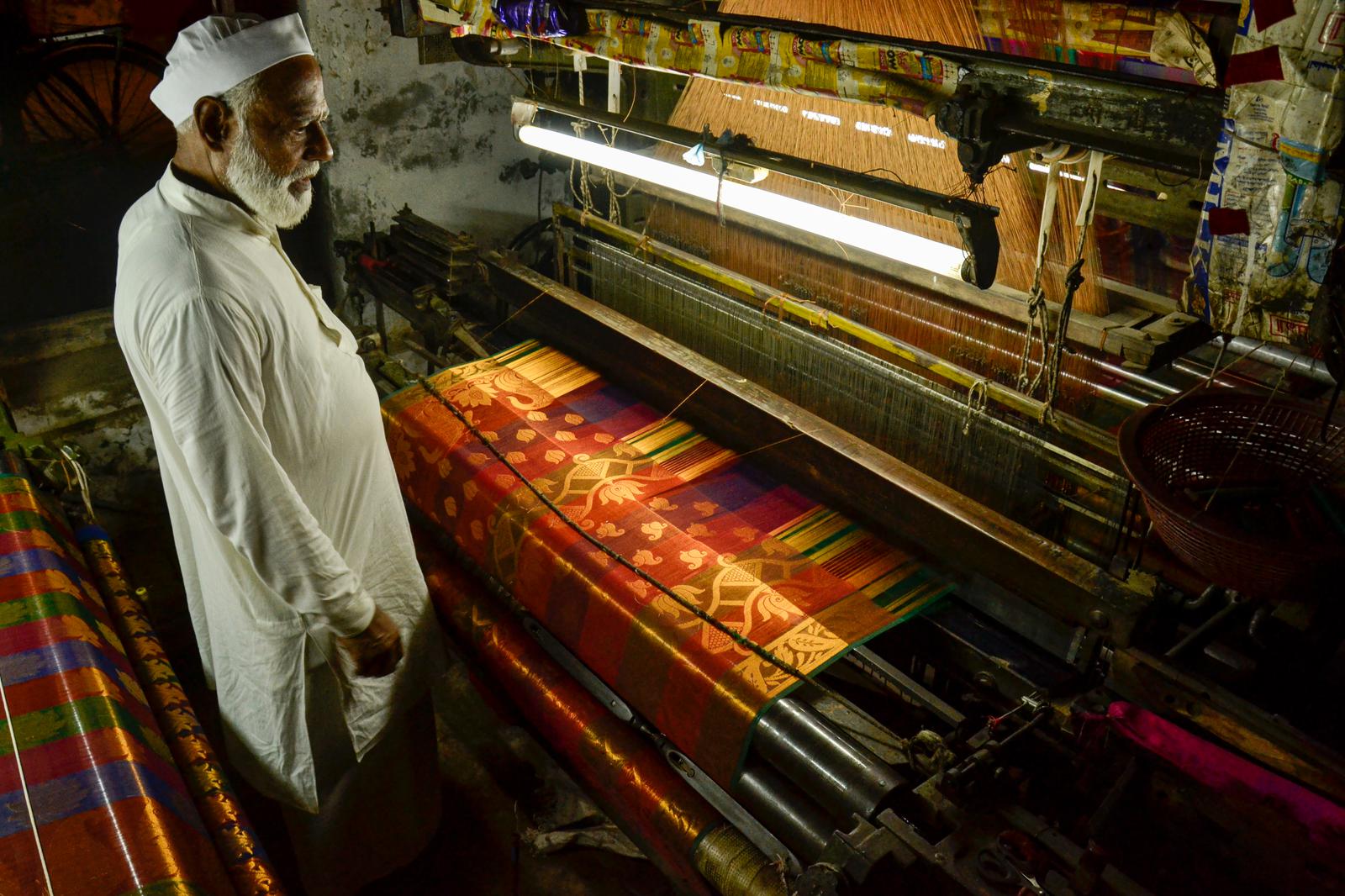
Moving toward the plains of Uttar Pradesh, the air is thick with the history of Chikankari (GI Tag), a delicate shadow-work embroidery from Lucknow, and the heavy luster of Banarasi Silk (GI Tag), where real gold and silver threads—known as Zari—are woven into timeless sarees. This region is also a powerhouse of Copper and Brass Smithery, particularly in Moradabad, known as the "Brass City," where intricate engraving meets functional utility. Meanwhile, the vibrant spirit of Punjab is captured in Phulkari (GI Tag), a flower-work embroidery that covers fabrics in dense, silken geometric patterns.
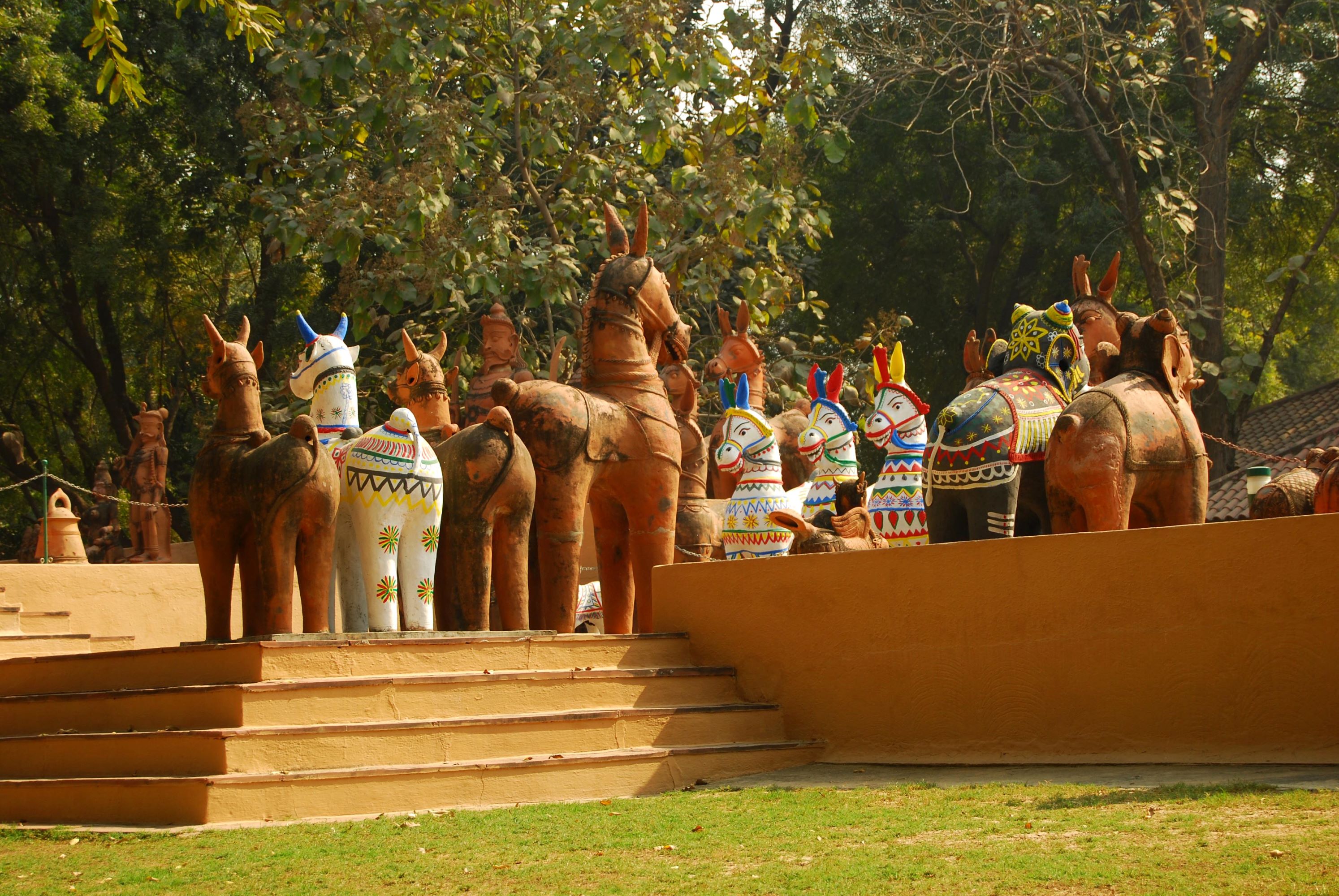
As the journey shifts toward the East and Northeast, the art becomes more ritualistic and deeply connected to natural fibers. Bihar is the home of Madhubani painting (GI Tag), an ancient style where women use fingers and twigs to create mythological scenes. In West Bengal, the earth itself becomes art through the Terracotta temples of Bishnupur and the recycled beauty of Kantha embroidery, which breathes new life into old fabrics.
The region also excels in Leather Craft, specifically the Santiniketan Leather Goods (GI Tag), which use vegetable tanned skins and artistic embossing. Further into the Northeast, the mastery of Cane and Bamboo reaches its zenith, complemented by the golden Muga Silk of Assam (GI Tag)—a fiber so rare it naturally shines brighter with every wash—and the traditional Loin Loom weaving of the Naga tribes.
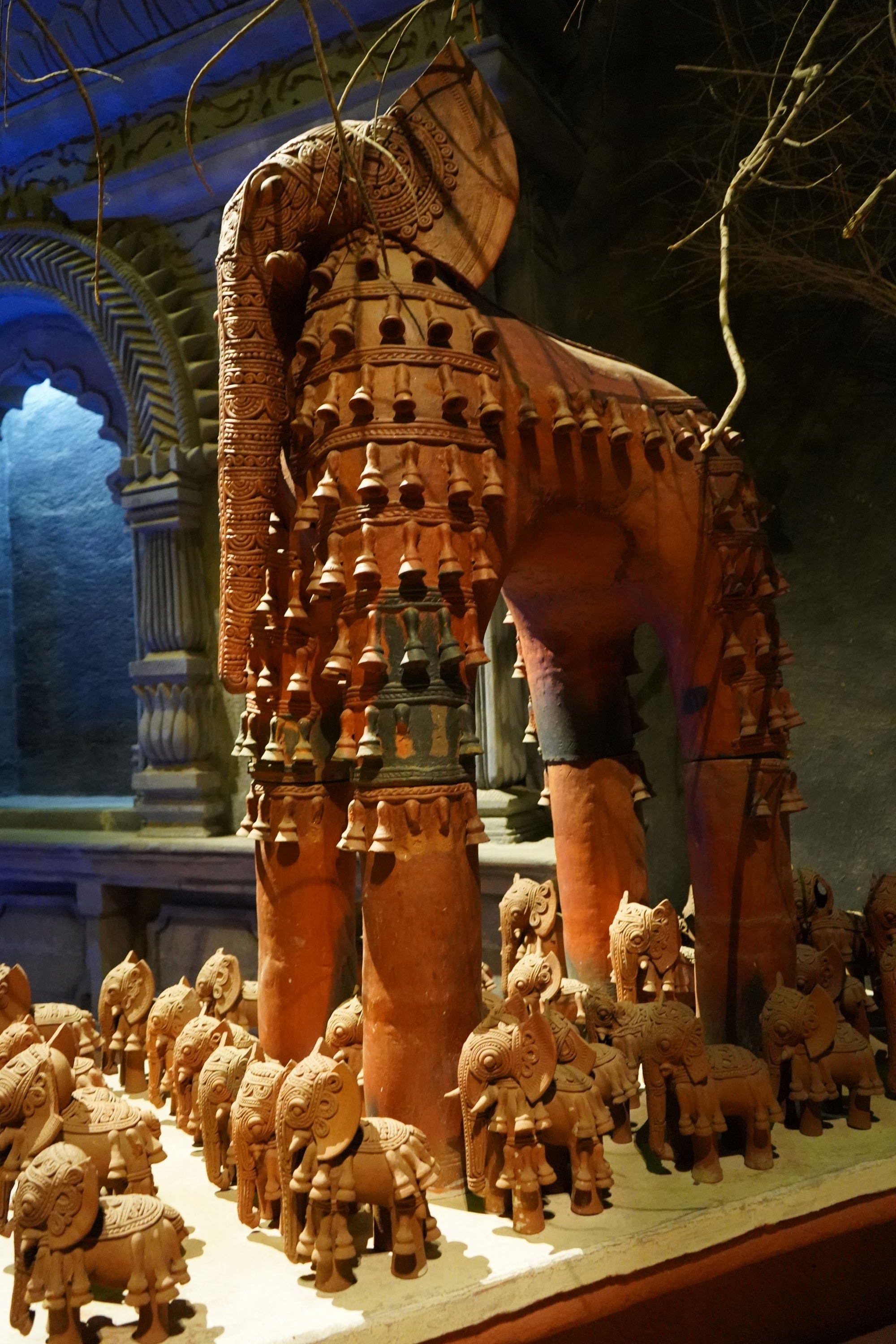
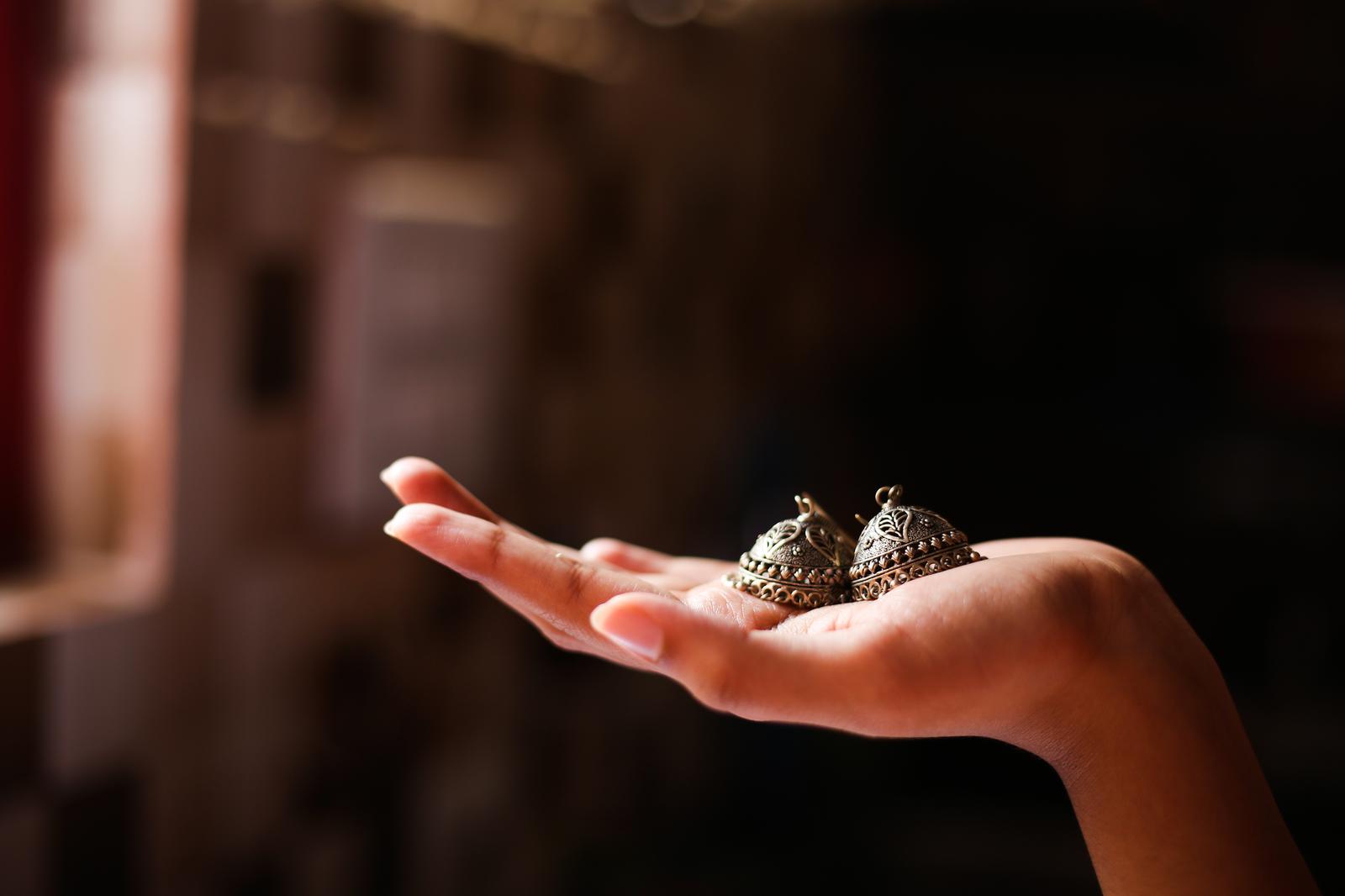
Central India serves as the heart of tribal expression, where the connection between the forest and the artisan remains unbroken. The Gond artists of Madhya Pradesh use intricate dots and lines to give life to nature on canvas, while the craftsmen of Chhattisgarh and Odisha preserve the ancient Dhokra technique (GI Tag), a lost-wax metal casting method that has remained largely unchanged for four thousand years.
This region also produces the sheer, ethereal textures of Chanderi (GI Tag) and Maheshwari silks, which bridge the gap between tribal roots and royal patronage. The heritage of sculpting is etched into the very stone of the region, echoing the precision of the Khajuraho era, where stone-carvers continue to transform soapstone and marble into divine forms.
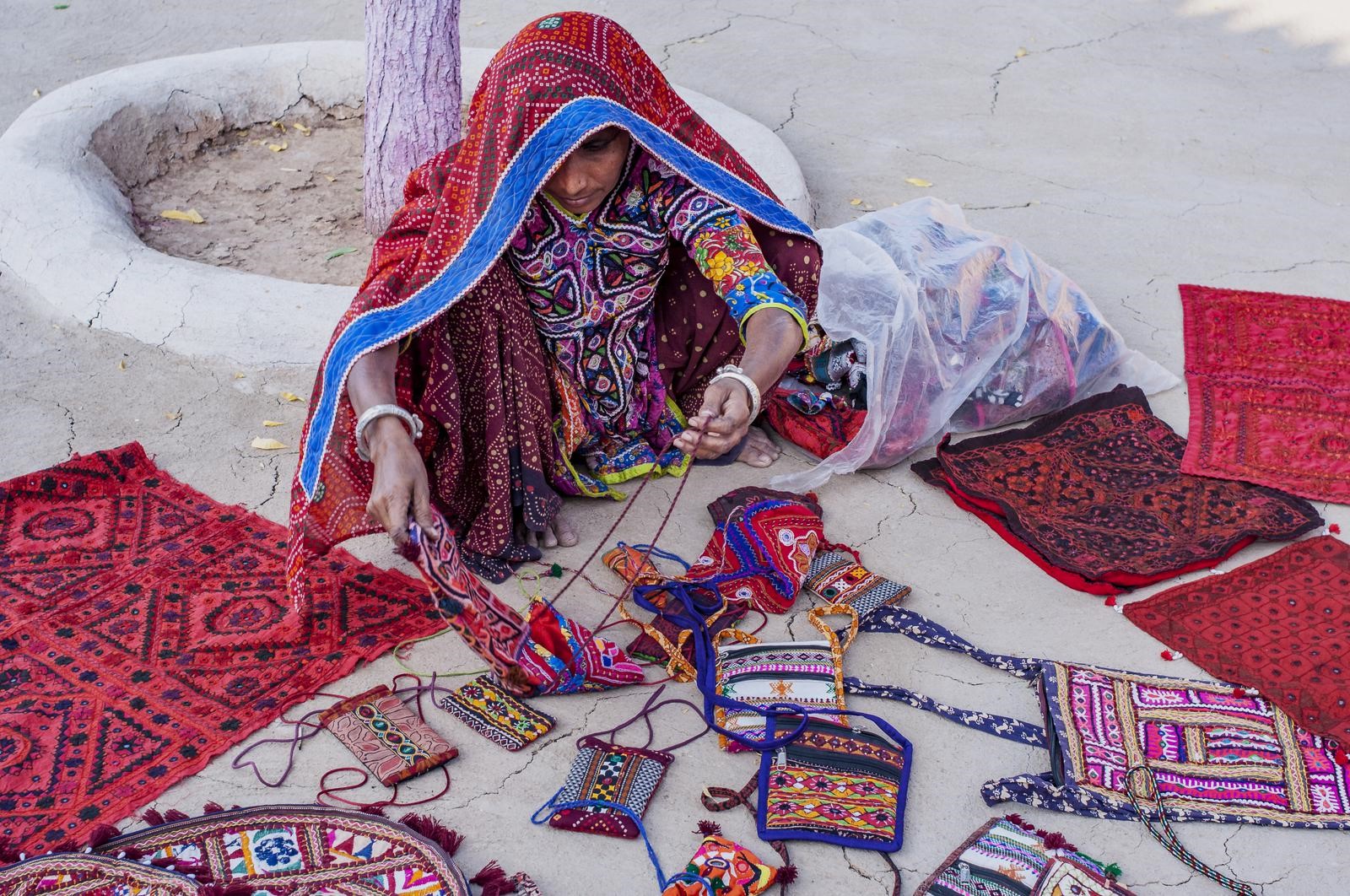
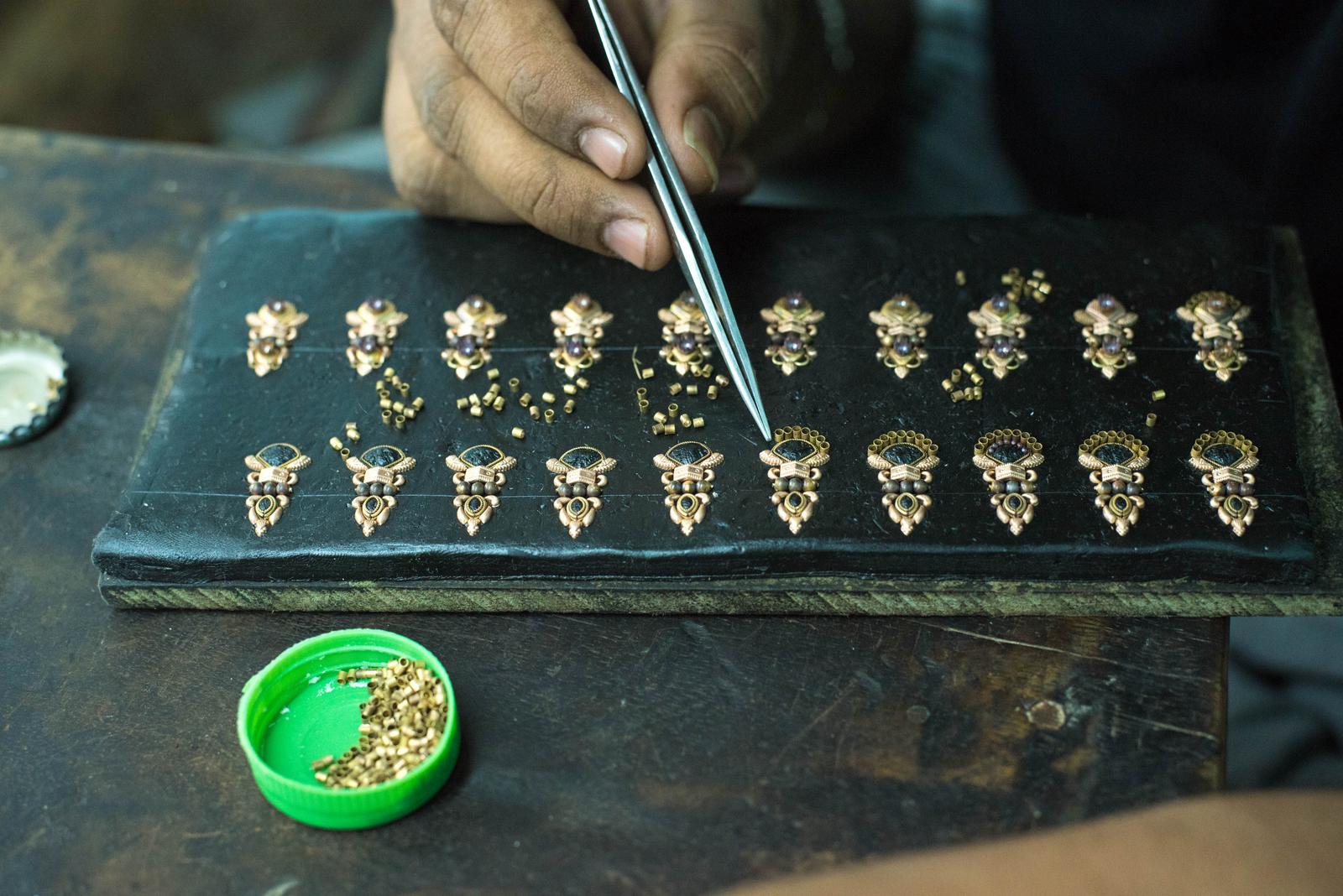
In the West, the arid landscapes of Rajasthan and Gujarat are compensated for by an explosive use of color and geometry. Rajasthan is a treasure trove of Blue Pottery (GI Tag) and the rhythmic art of Bandhani tie-dye. It is here that Jewelry reaches its pinnacle with Thewa (GI Tag)—the breathtaking fusion of gold on colored glass—and the vibrant Meenakari enamel work of Jaipur.
The state is also famous for its rugged Mojari Leather Craft (GI Tag), featuring intricate embroidery on camel hide. Gujarat complements this with the legendary Patola of Patan (GI Tag)—a double-ikat silk so complex it can take a year to weave—and the sparkling Mirror-work of Kutch. Even the minimalist Warli paintings (GI Tag) of Maharashtra, created using simple geometric shapes, manage to convey complex stories of social harmony.
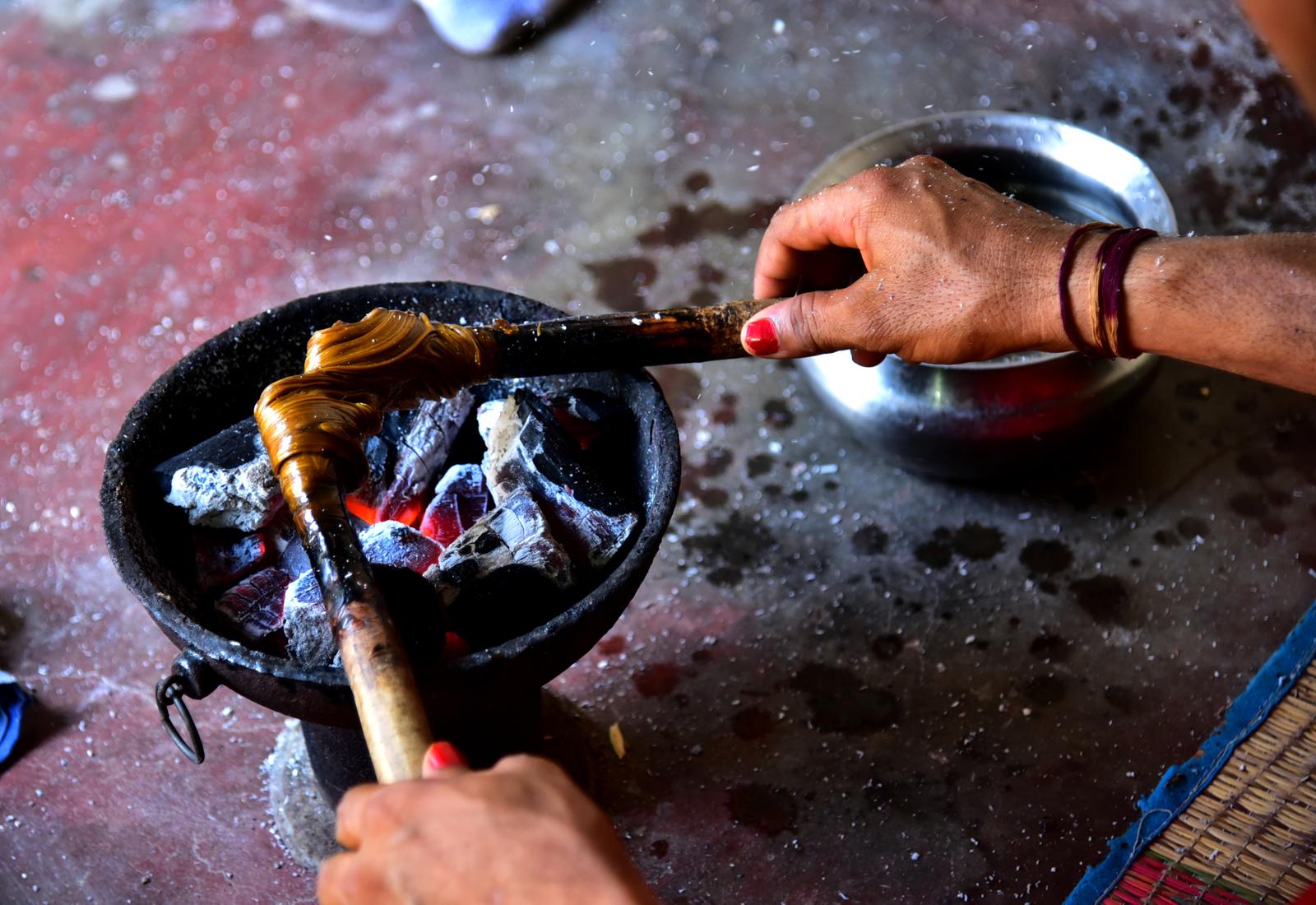
The journey concludes in the South, where art is heavily influenced by monumental temple traditions. Tamil Nadu is world-renowned for its Bronze Icons (Swamimalai Bronze Icons - GI Tag), a peak of sculpting excellence using the Cire Perdue process, alongside Tanjore paintings (GI Tag) and the majestic Kanchipuram silks (GI Tag).
Karnataka offers the fragrance of carved Sandalwood and the whimsy of Channapatna’s lacquered wooden toys (GI Tag). In Andhra Pradesh and Telangana, the hand-painted narratives of Kalamkari (GI Tag) and the striking silver-in-black Bidriware (GI Tag)—a unique metal smithery using a blackened alloy of zinc and copper—showcase a legacy of precision. Finally, Kerala’s serene temple Murals and elegant gold-bordered Kasavu textiles provide a graceful finish to this continental gallery of human creativity.