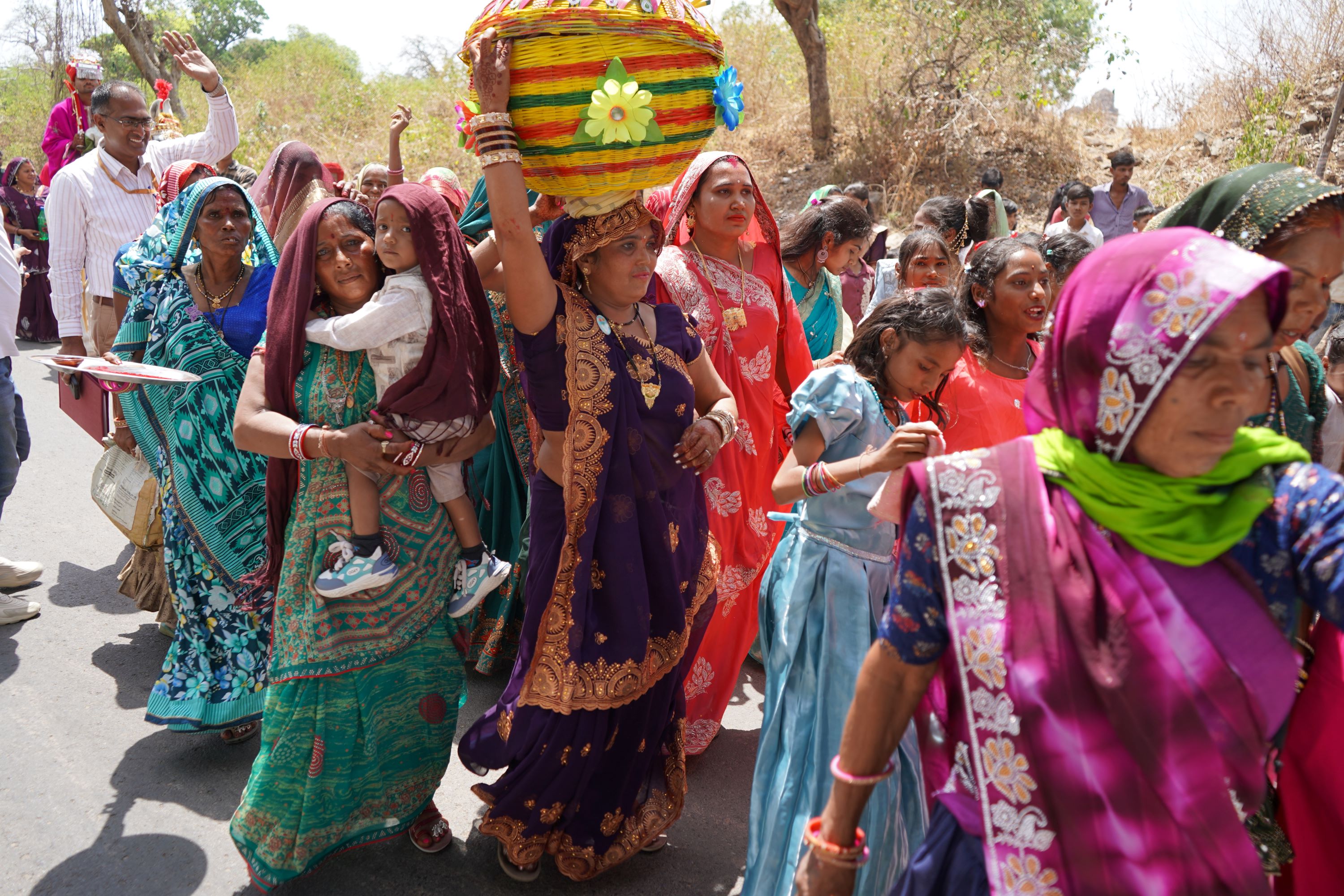
The Sacred Rhythm of the Bolni
In Madhya Pradesh, travel isn’t just about the sights; it’s about the rhythmic pulse of traditions that refuse to fade.


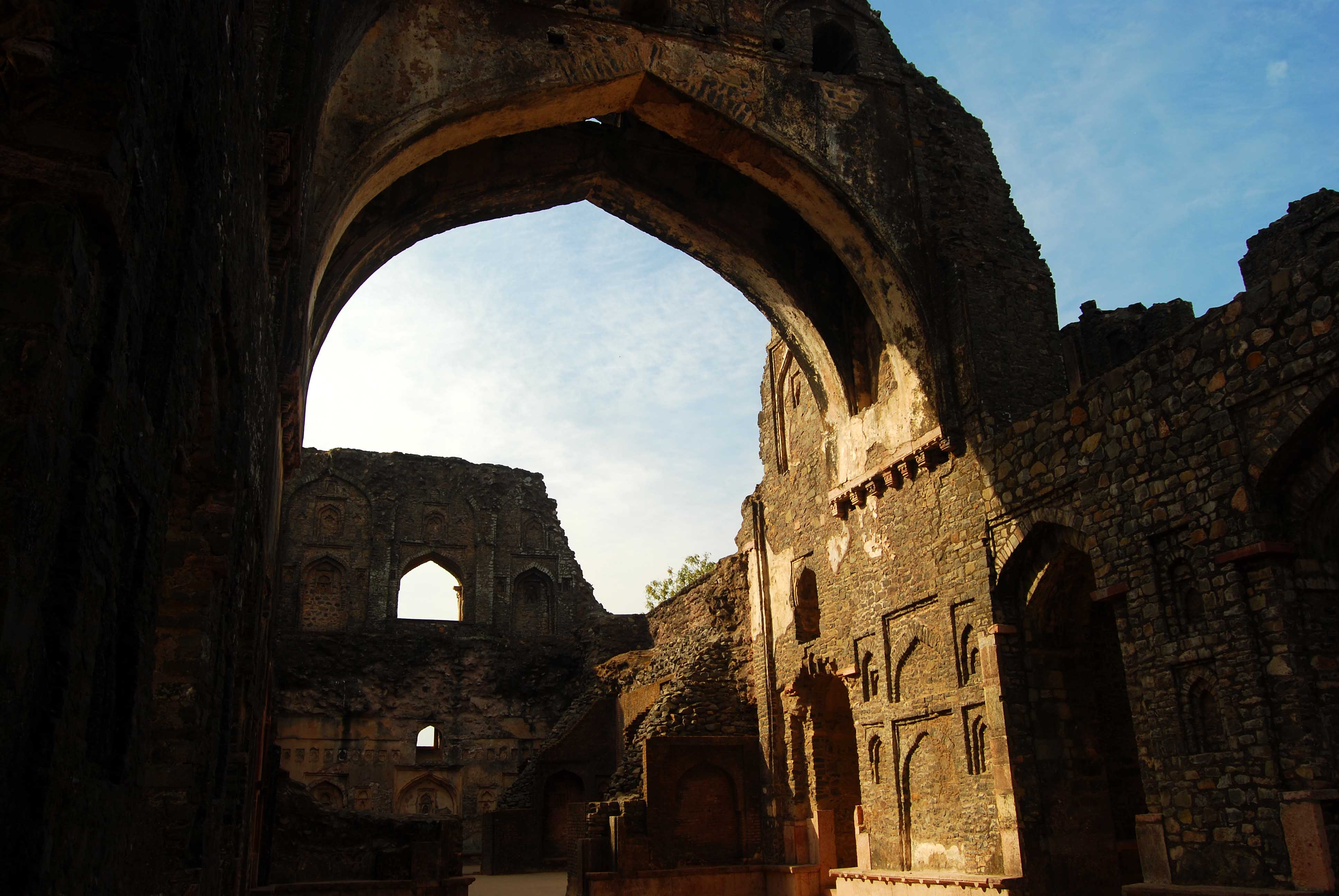
High atop the rugged Vindhya ranges, where the earth reaches up 2,000 feet to meet the sky, lies Mandu—a sprawling celebration of life etched eternally in stone. It is a city born of a poet-prince’s passion and a queen’s devotion, where the bold lines of Afghan architecture merge seamlessly with the refined heritage of the Turkish world. Here, the grand palaces still hum with the whispers of royal romance, while the towering Darwazas stand as grim sentinels recounting centuries of imperial conquest. The city is protected by a 45 km parapet of defensive walls, punctuated by twelve strategic gateways. The most magnificent of these is the Delhi Darwaza, which serves as the primary entrance to the fortress city, reached through a historic progression of the Alamgir and Bangi gates.
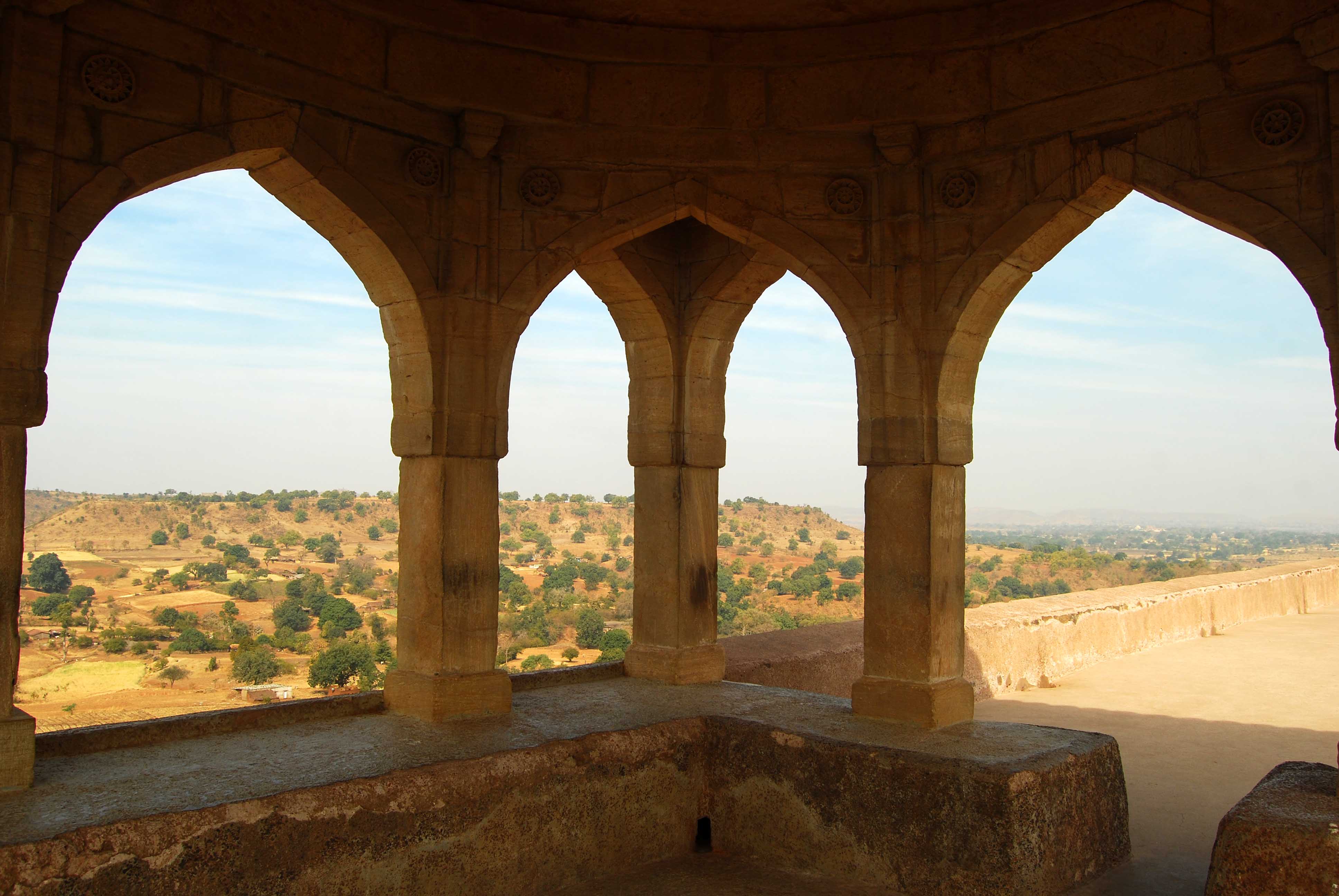
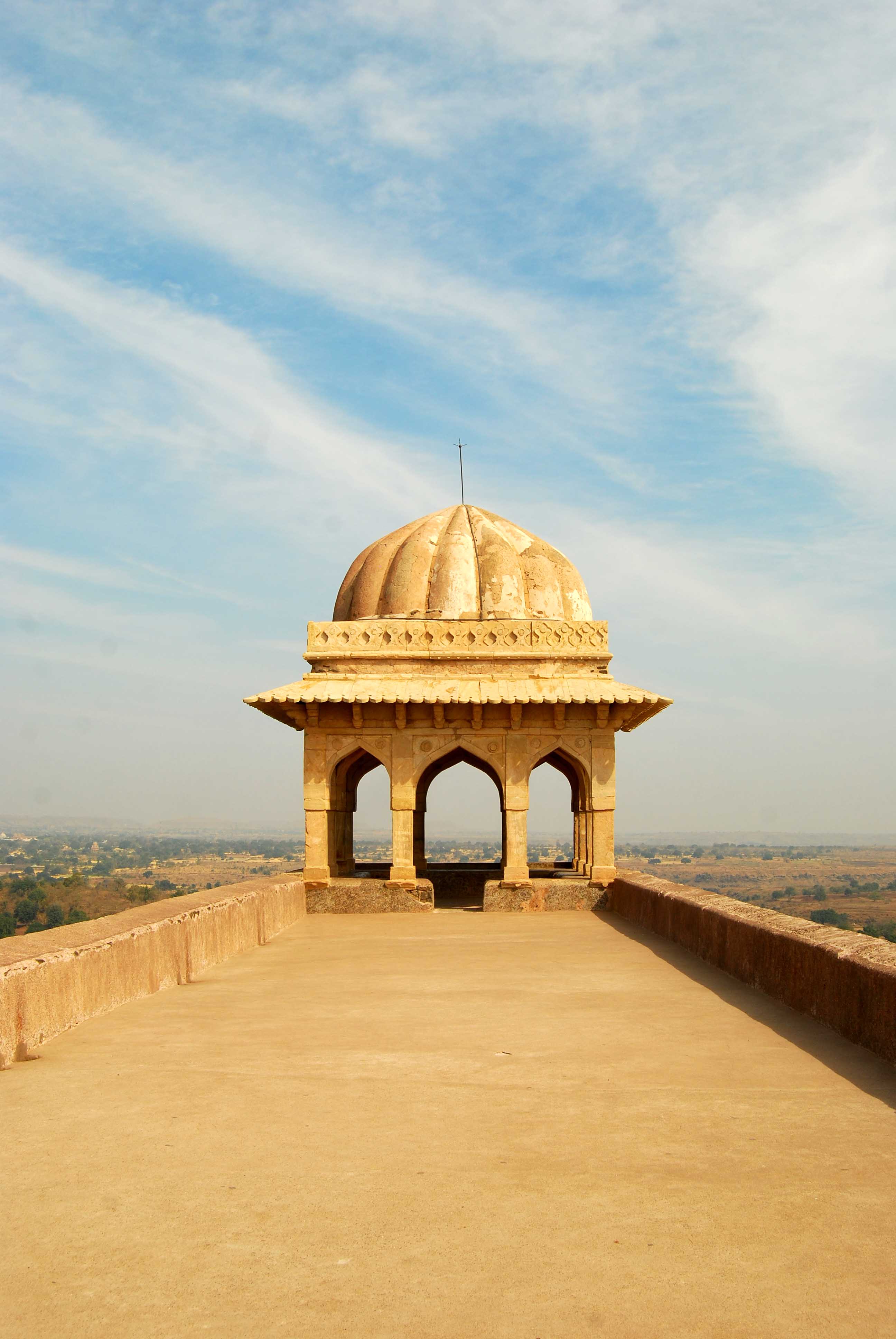
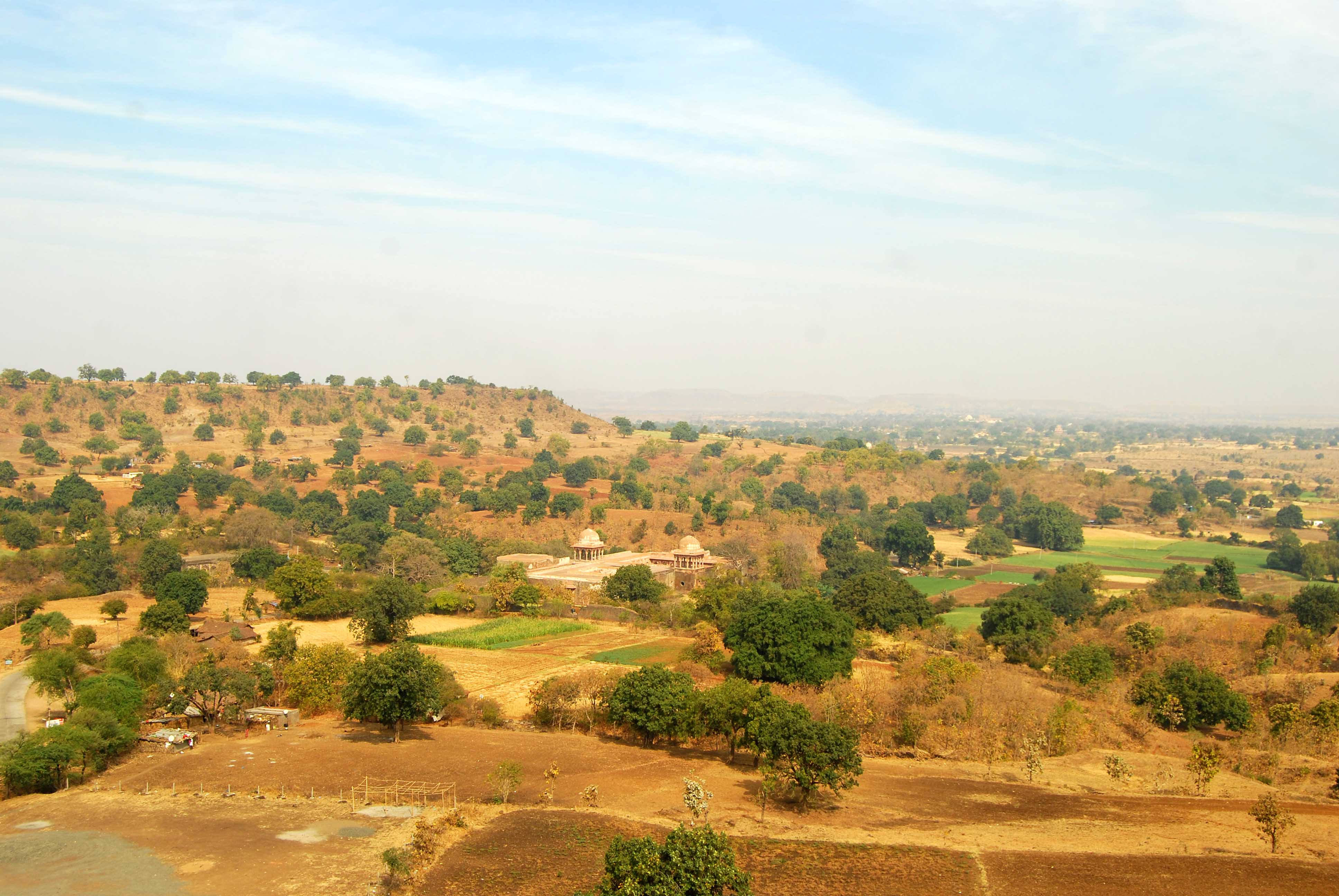
The soul of Mandu is inextricably woven into the legendary romance of Baz Bahadur and Rani Roopmati, a narrative of devotion that physically sculpted the city’s southern ridge. High atop this crest sits the Roopmati Pavilion; once a stark military outpost, it was softened into a graceful retreat so the Queen might forever gaze upon the sacred Narmada River and the distant palace of her beloved. Tucked just below, the Baz Bahadur Palace radiates 16th-century sophistication, its spacious courtyards and elevated terraces offering quiet, sweeping views of the verdant rolling countryside.
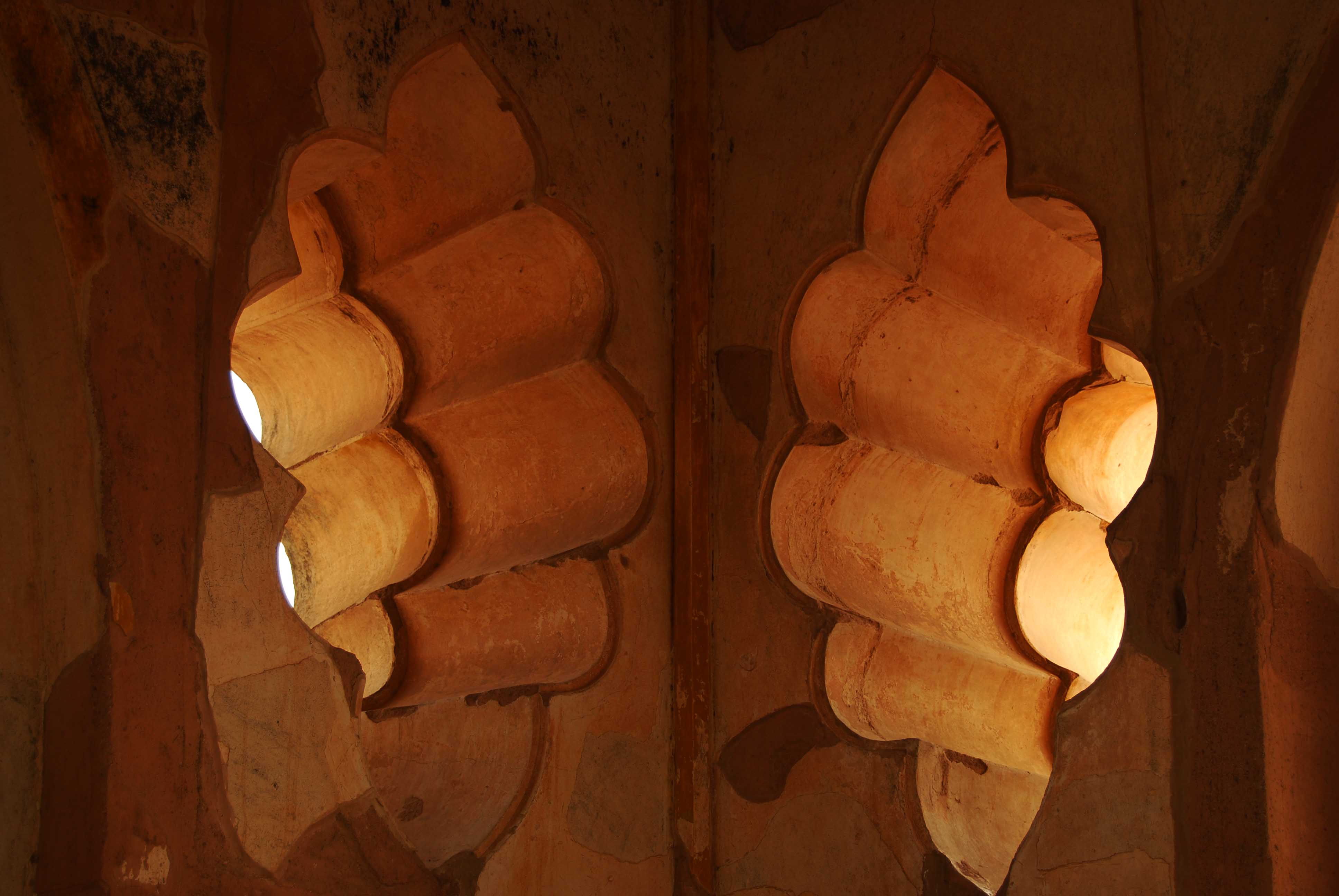
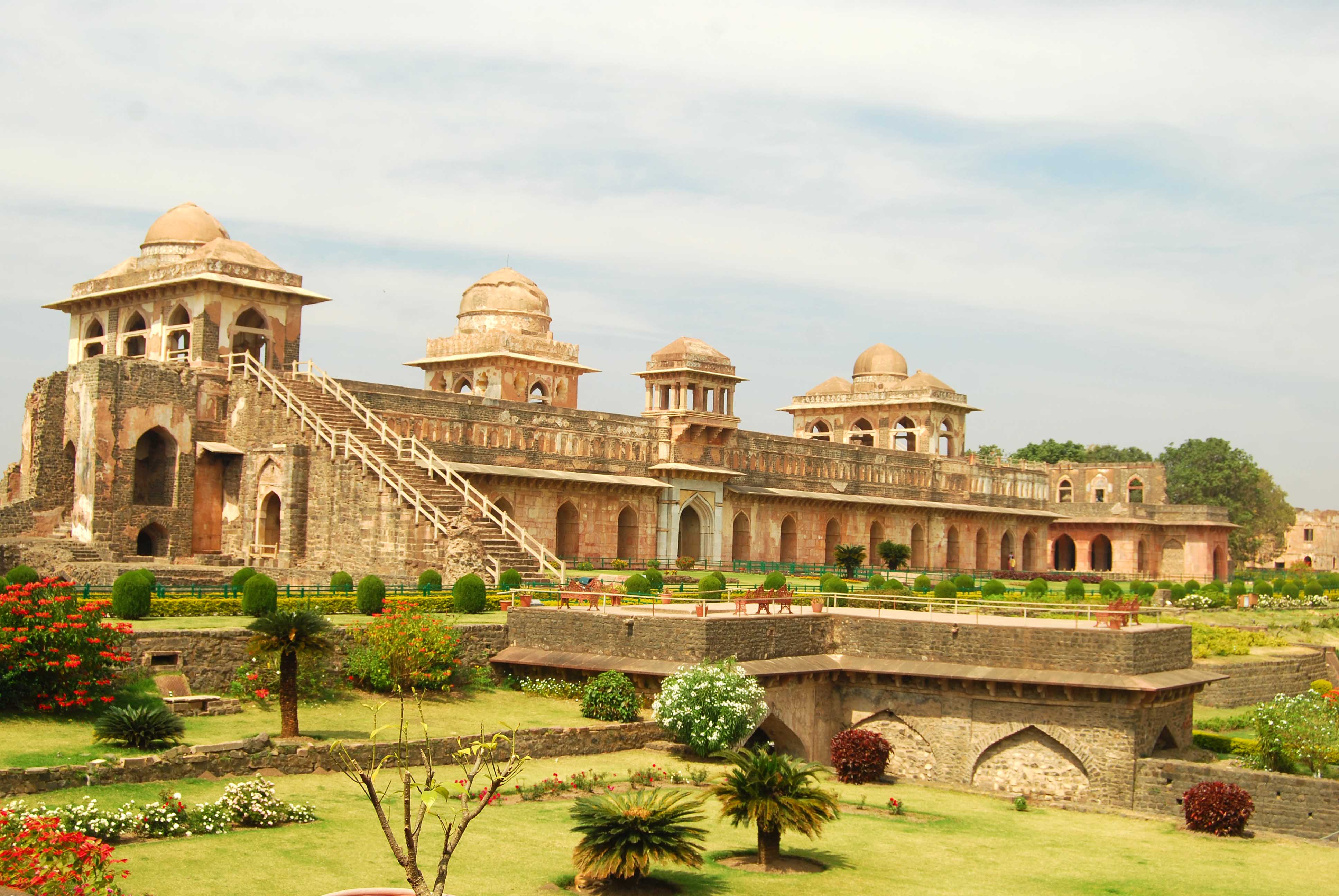
This spirit of imaginative grandeur finds its most poetic expression in the Jahaz Mahal, a 120-meter-long ship of stone and mortar. Anchored eternally between the twin waters of Munj and Kapur Talao, this two-story "Ship Palace" appears poised to set sail across the lakes, its overhanging balconies and open terraces serving as a silent, floating witness to the city’s storied past. Nearby, the Hindola Mahal, or "Swinging Palace," plays with perception; its uniquely sloping sidewalls create a curious illusion of gentle motion, balanced by the stillness of delicate sandstone trellis work.
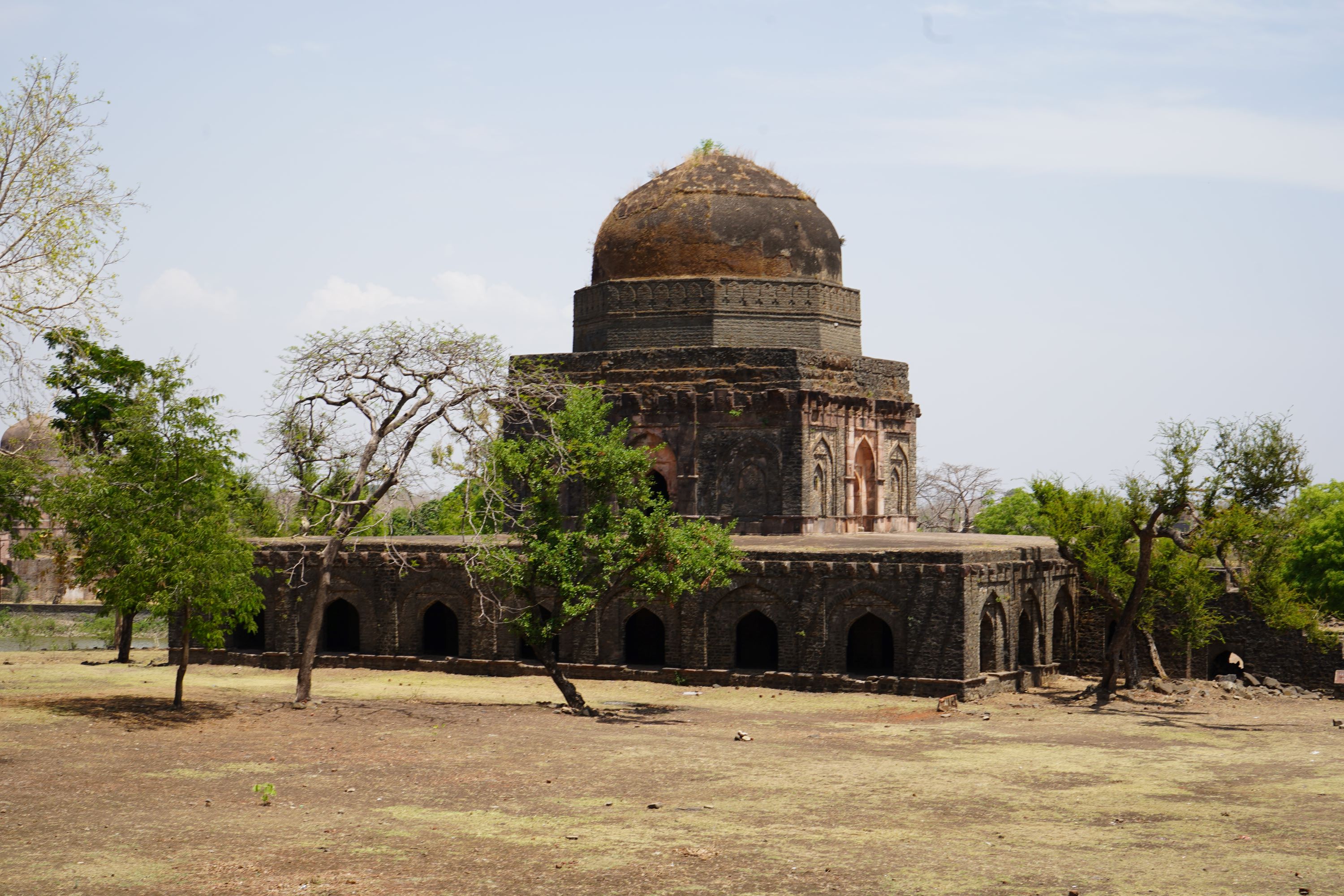
The landscape is further dotted with the remnants of soaring ambition, such as the Ashrafi Mahal. Conceived as a prestigious academic institution, this "Palace of Gold Coins" once boasted a seven-story victory tower and a tomb intended to be Mandu’s largest structure, though it eventually succumbed to the weight of its own hurried construction. For those seeking deeper reflection, the Nilkanth Mahal—built during the Mughal era for Emperor Akbar’s Hindu wife—sits in quiet repose near a sacred Shiva shrine. Its walls, etched with verses on the futility of earthly power, serve as a poignant reminder of time's passage.
From the enigmatic, massive proportions of the Hathi Mahal to the ancient, rock-cut Bagh Caves that bridge the gap between centuries, Mandu remains a spellbinding sanctuary. Here, the architectural mastery is defined not just by its breathtaking scale, but by the way every stone continues to tell the story of a bygone golden age.
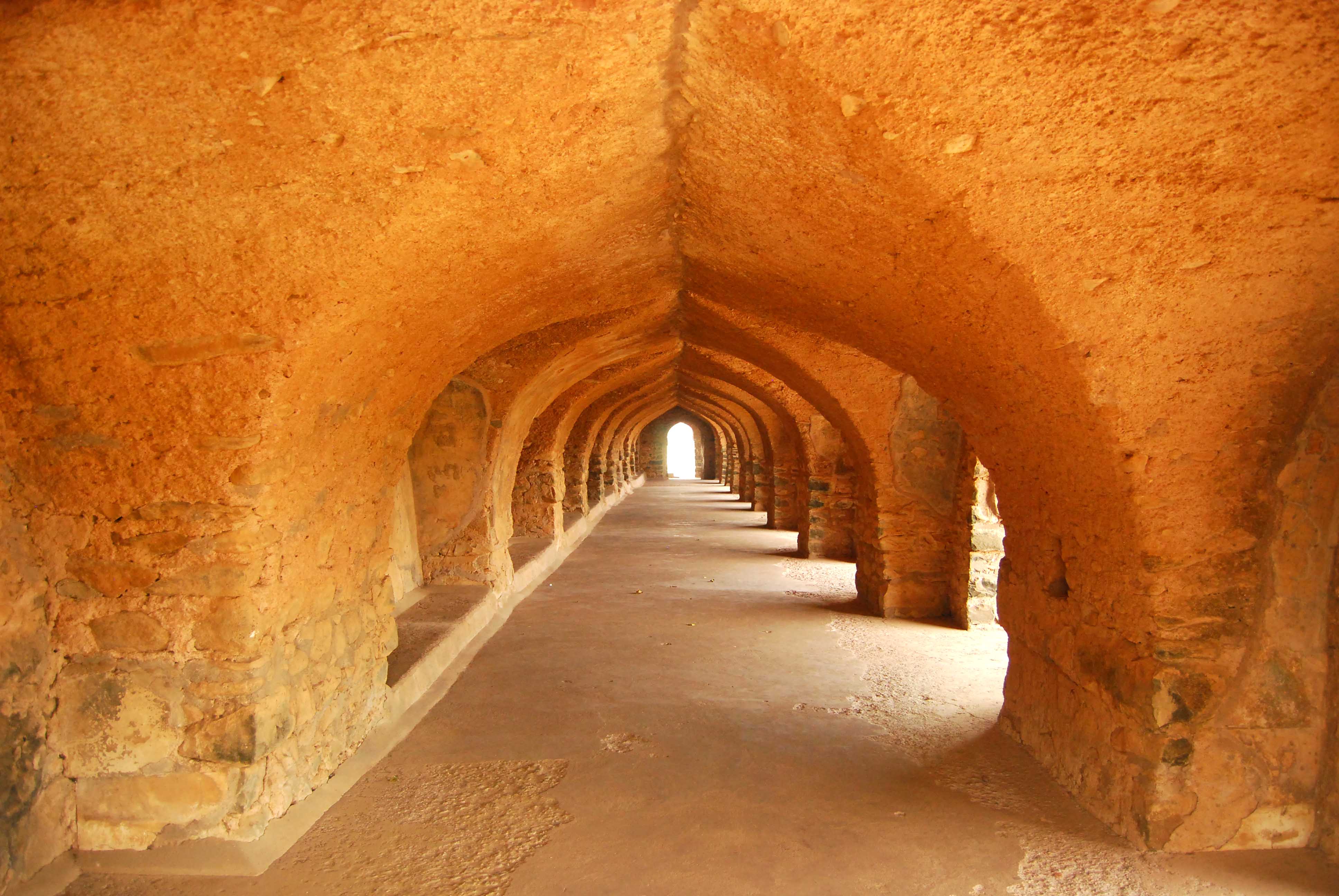
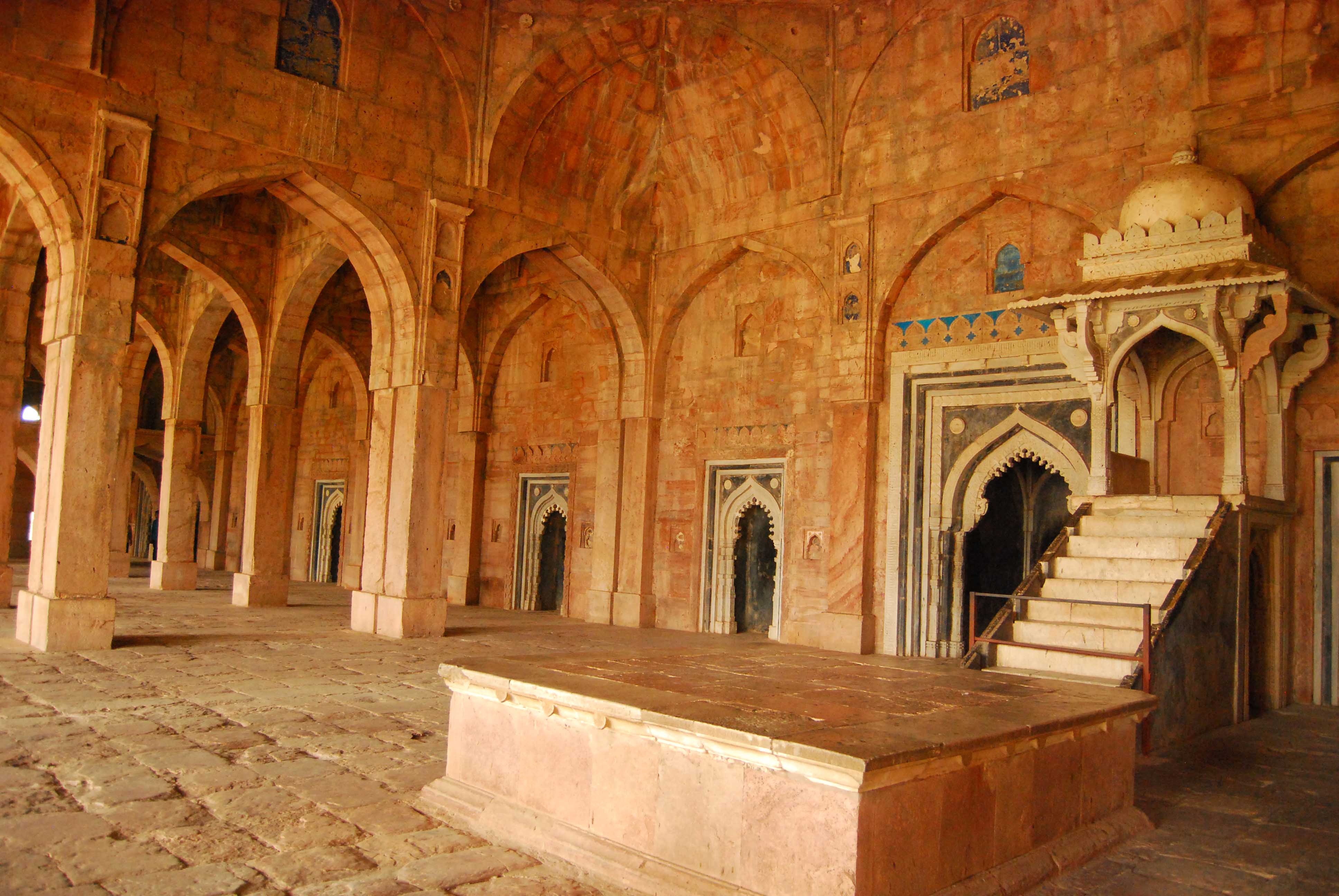
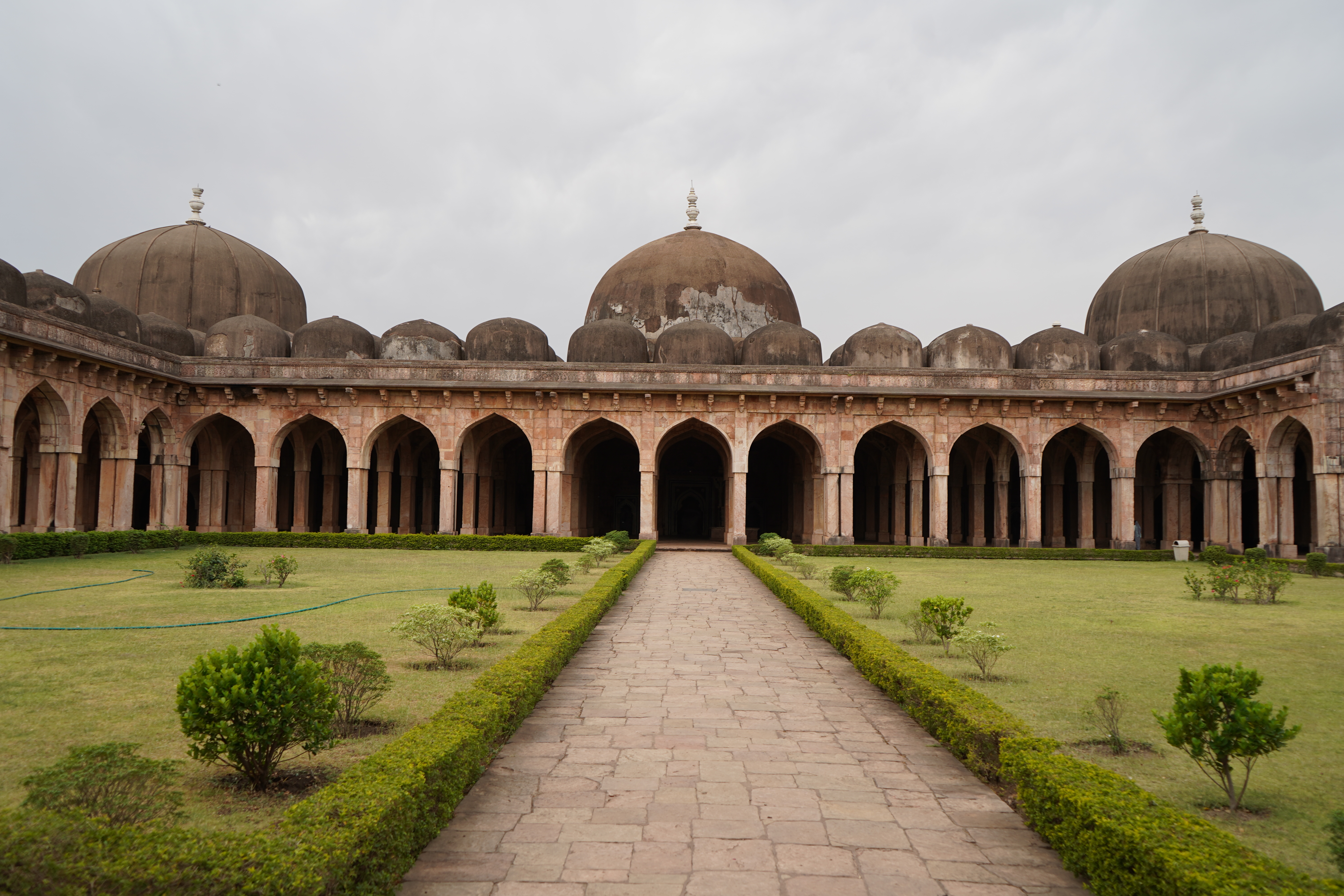
Mandu’s influence ripples far beyond its own walls, shaping the very soul of Indian architecture. Hoshang Shah’s Tomb, India’s first marble edifice, radiates such mathematical and aesthetic perfection that Emperor Shah Jahan sent his master builders here to find the inspiration that would eventually blossom into the Taj Mahal. This reverence for scale is mirrored in the Jami Masjid, inspired by the Great Mosque of Damascus. Its enormous proportions and rhythmic arcades create a forest of pillars and domes that leave the modern traveler spellbound. Even the Mughal era left its mark at the Nilkanth Mahal; built for Emperor Akbar’s Hindu wife near an ancient Shiva shrine, its walls bear inscriptions that serve as a poignant reminder of the futility of earthly glory.
Wandering through this open-air gallery of forts, temples, and ruins, one feels the power of Mandu to bridge the gap between centuries. From the intriguing depths of the Bagh Caves to the 45-kilometer parapet of walls punctuated by the mighty Delhi Darwaza, the city remains an architectural jewel. It is a place where history is not merely remembered but felt—a stone symphony of a bygone era that refuses to be forgotten.
Perhaps the most unique botanical and culinary marvel in Mandu is the presence of the giant Baobab trees. Originally native to Africa, these prehistoric-looking giants were brought to the region in the 14th century, when their seeds were gifted by the Caliphs of Egypt to the Sultans of Mandu.
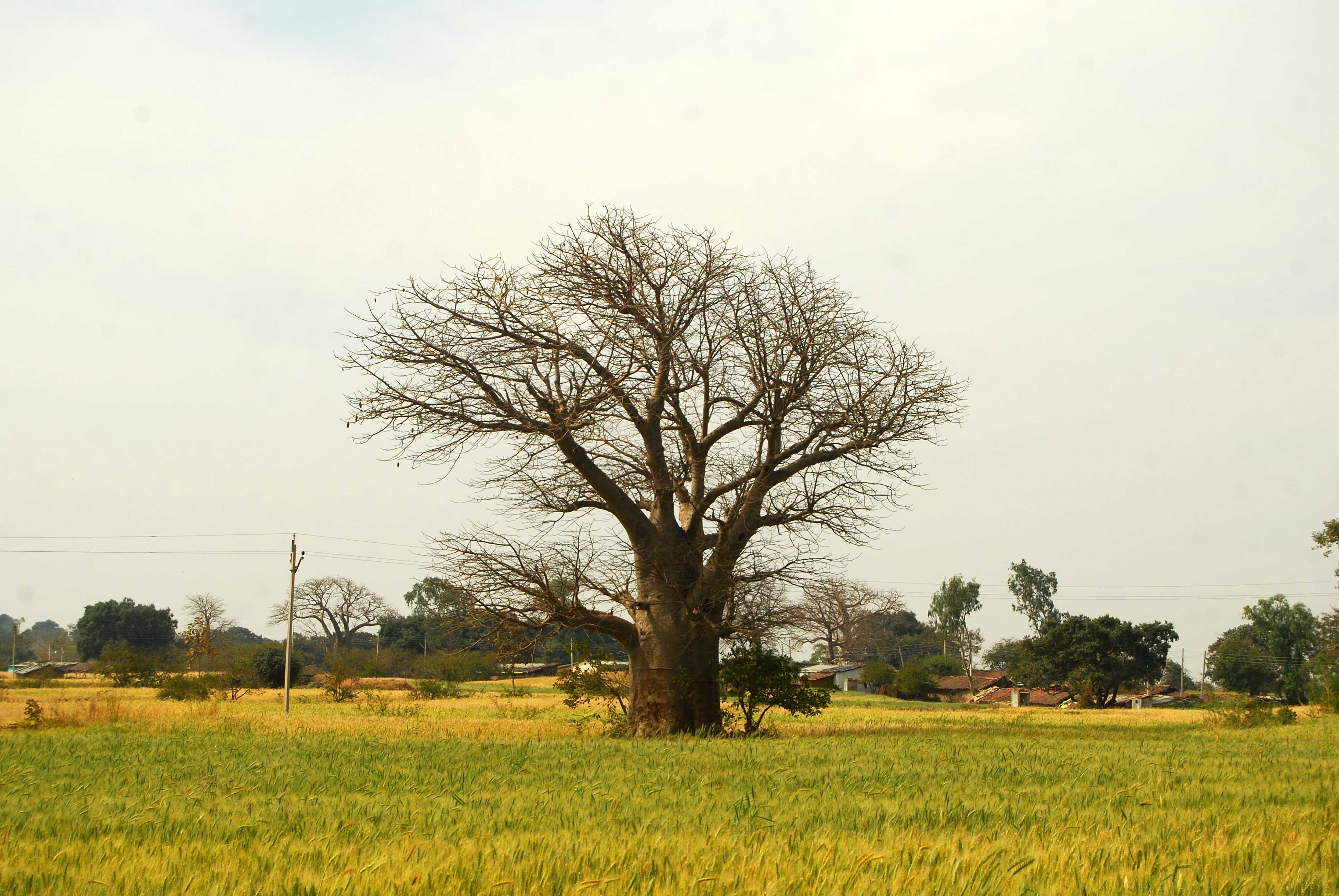
Locally cherished as Khorasani Imli, the fruit of the Baobab is a large, gourd-like treasure. Inside, it holds a dry, white pulp with a distinctive tangy profile that is far more nuanced than common tamarind. This "Mandu Imli" is the secret ingredient used by locals to add a sharp, refreshing zest to their dals and curries. If you visit in February, you will find local vendors selling these ripened, sun-dried fruits along the fortress walls—a living link to a six-hundred-year-old gift from a distant land.
Explore destinations through a sharper lens. Our location-specific blogs uncover hidden gems and cultural nuances, delivering immersive, bite-sized stories that make every journey more meaningful.
In Madhya Pradesh, travel isn’t just about the sights; it’s about the rhythmic pulse of traditions that refuse to fade.