

The Sacred Rhythm of the Bolni: A Dance with Tribal Tradition in Mandu
The dusty roads of Mandu have a way of leading you toward secrets you didn't know you were looking for. For an avid traveler, these journeys aren’t just about checking locations off a map; they are deep dives into a living cultural fabric where colorful rituals hold their ground even against the tide of modern times. It was on one of these wandering afternoons that I accidentally gatecrashed a Bhil wedding procession, an encounter that transformed a simple walk into a front-row seat to an ancient heritage.
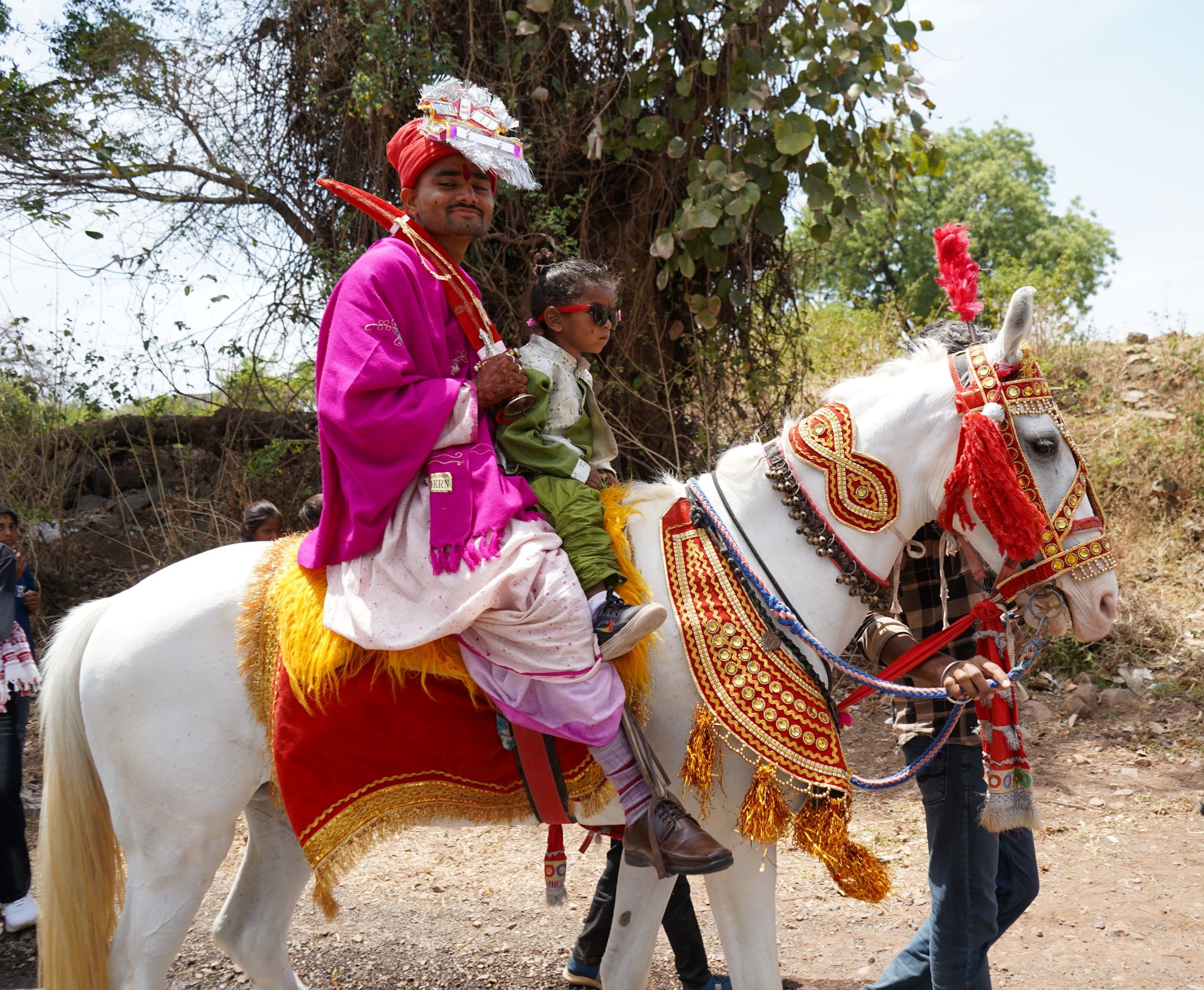
The energy of the Barat was raw and infectious, a whirlwind of rhythmic movement and celebration. Amidst the sea of vibrant attire and the thrum of the Mandal drum, my eyes were drawn to a woman leading the group with effortless grace. Balanced perfectly on her head was a beautifully crafted bamboo basket, topped with an artistic lid that gave it an air of mystery and sacredness. It felt less like a piece of luggage and more like a vessel of history.
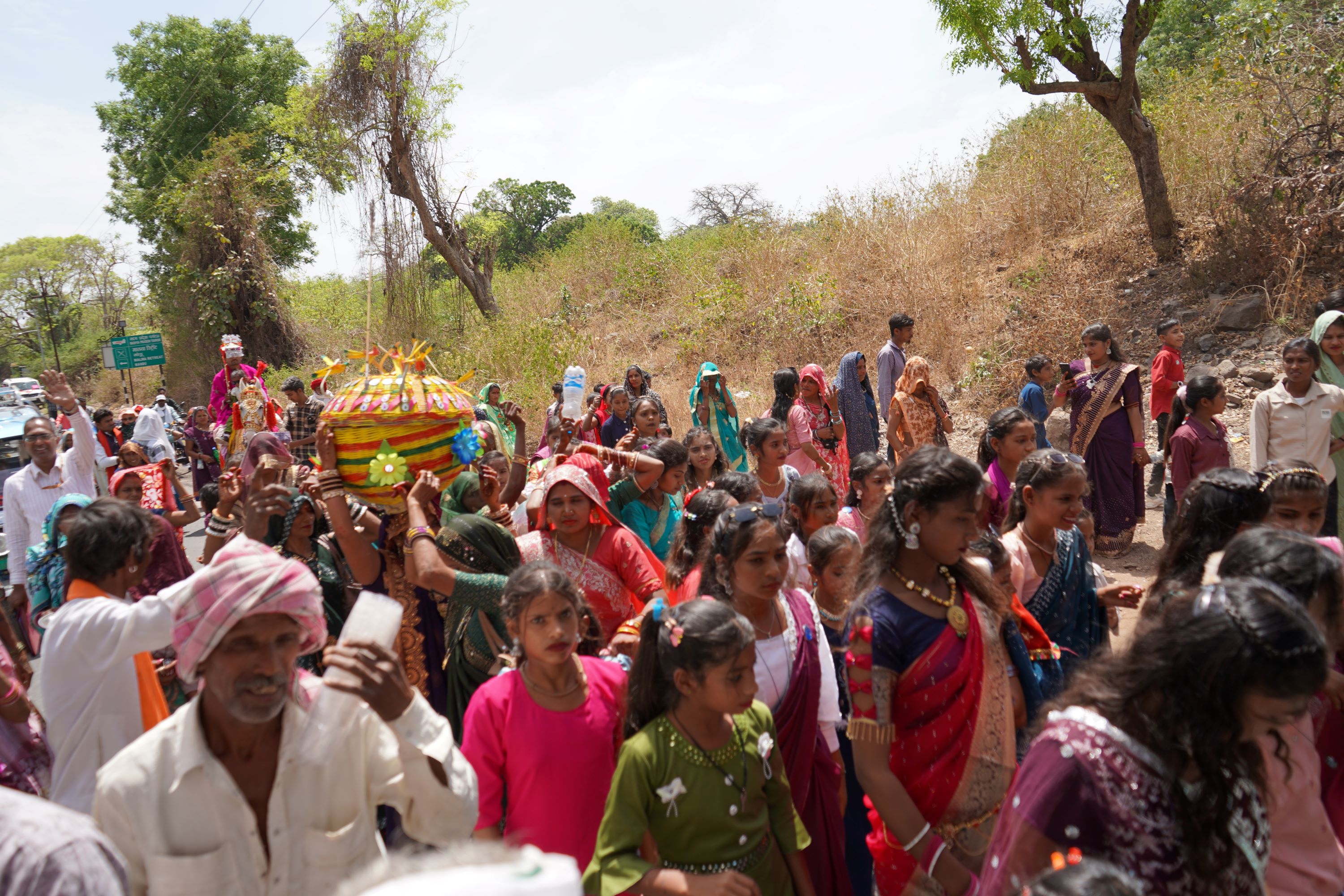
Curiosity led me to seek out the story behind this object, and I discovered it was a Bolni. For centuries, the Bhil, Bhilala, and Barela tribes of Madhya Pradesh—home to India’s largest tribal population—have woven these baskets to serve as the ceremonial heart of a wedding. More than just a utility item, the Bolni is a sacred piece of tribal art. It carries the weight of a new beginning, literally holding the bride and groom’s wedding clothes and their heavy, traditional silver jewelry.
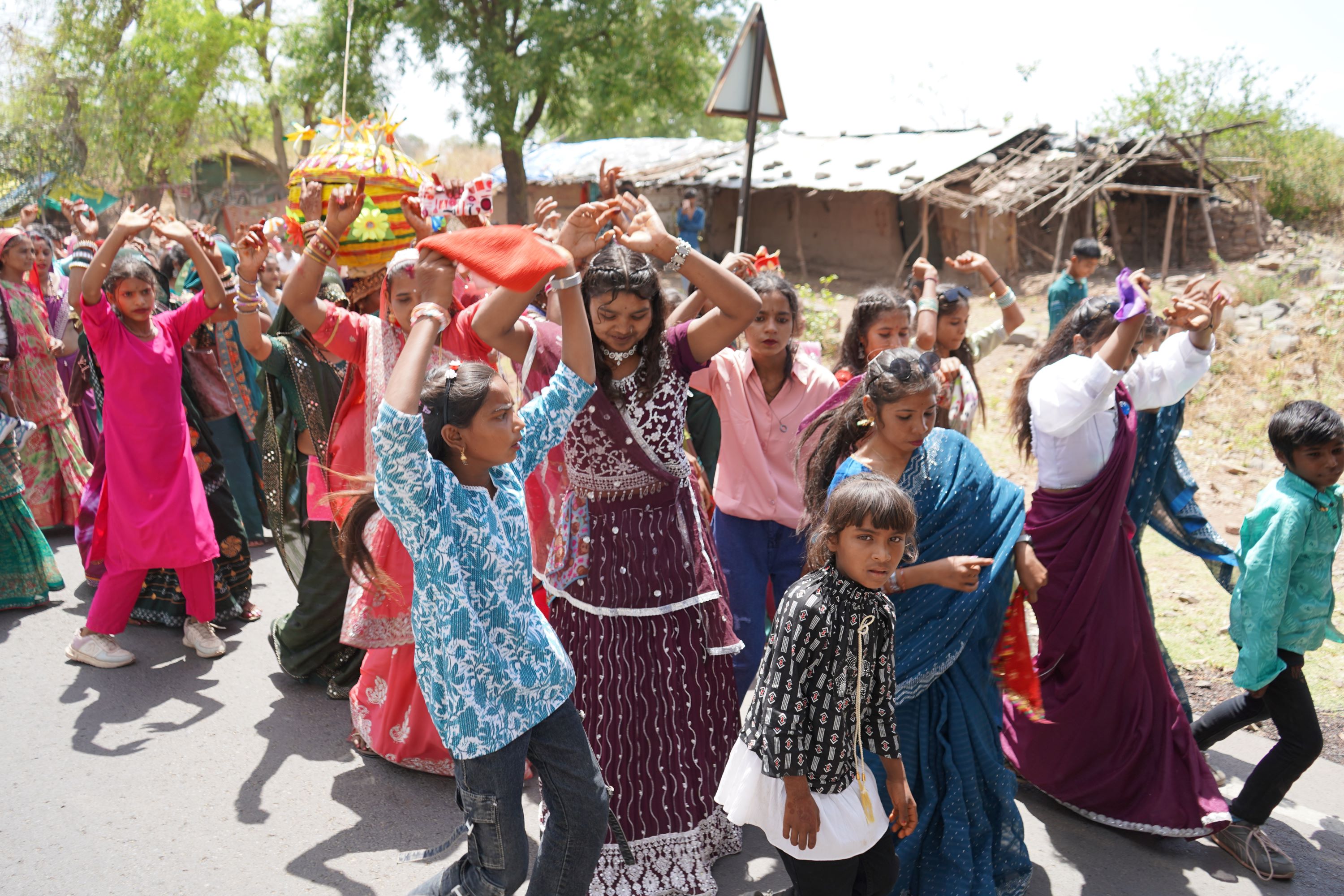
Watching the Bolni move through the crowd is a sensory experience. Every basket is a labor of love, taking two to three days to hand-weave from bamboo, a material the tribes of Jhabua and Dhar consider "living" and pure. To match the festive spirit, the weavers adorn them with intricate lace, shells, colorful yarn, and tiny ghungrus. As the women dance through the procession, these small bells create a rhythmic jingle that cuts through the air, announcing the safe transition of the couple’s identity into their new life together.
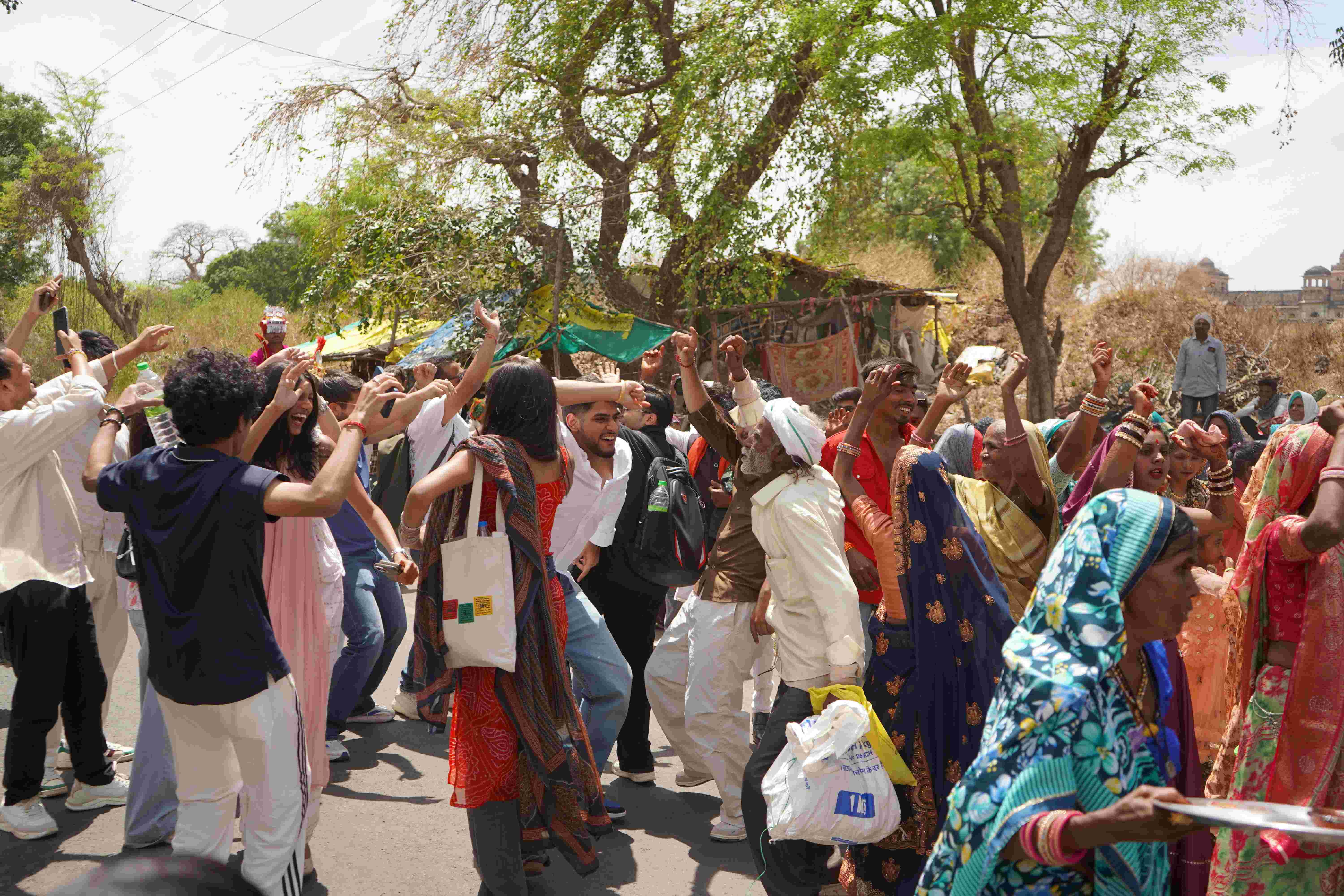
While the craft dates back thousands of years and is rooted in deep mythological history, its appeal has finally transcended tribal boundaries. Today, these baskets are appearing in local markets far beyond the Alirajpur and Khargone districts, appreciated by various communities for their aesthetic beauty. Yet, seeing a Bolni in the wild, balanced precariously yet firmly on a dancing woman’s head amidst the heat and joy of a Mandu wedding, reminded me that the truest beauty of craft lies in the ritual that keeps it alive.
Sumnesh
11 Apr 2026It was a Great Experience to have seen such a Colourful Musical Procession with 60-70 females & males dancing in rhythm to the sensuous beats of the Drums 🥁