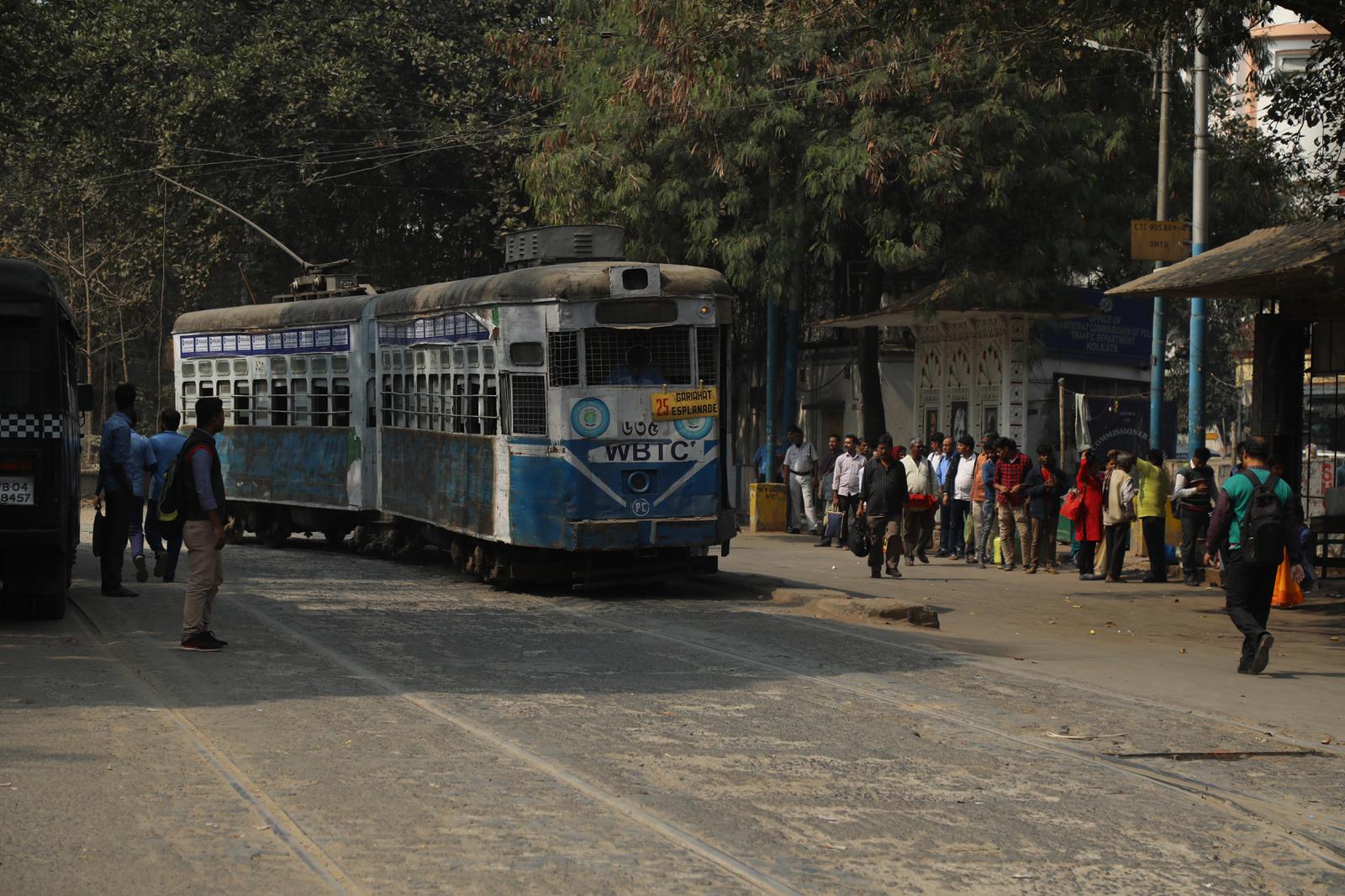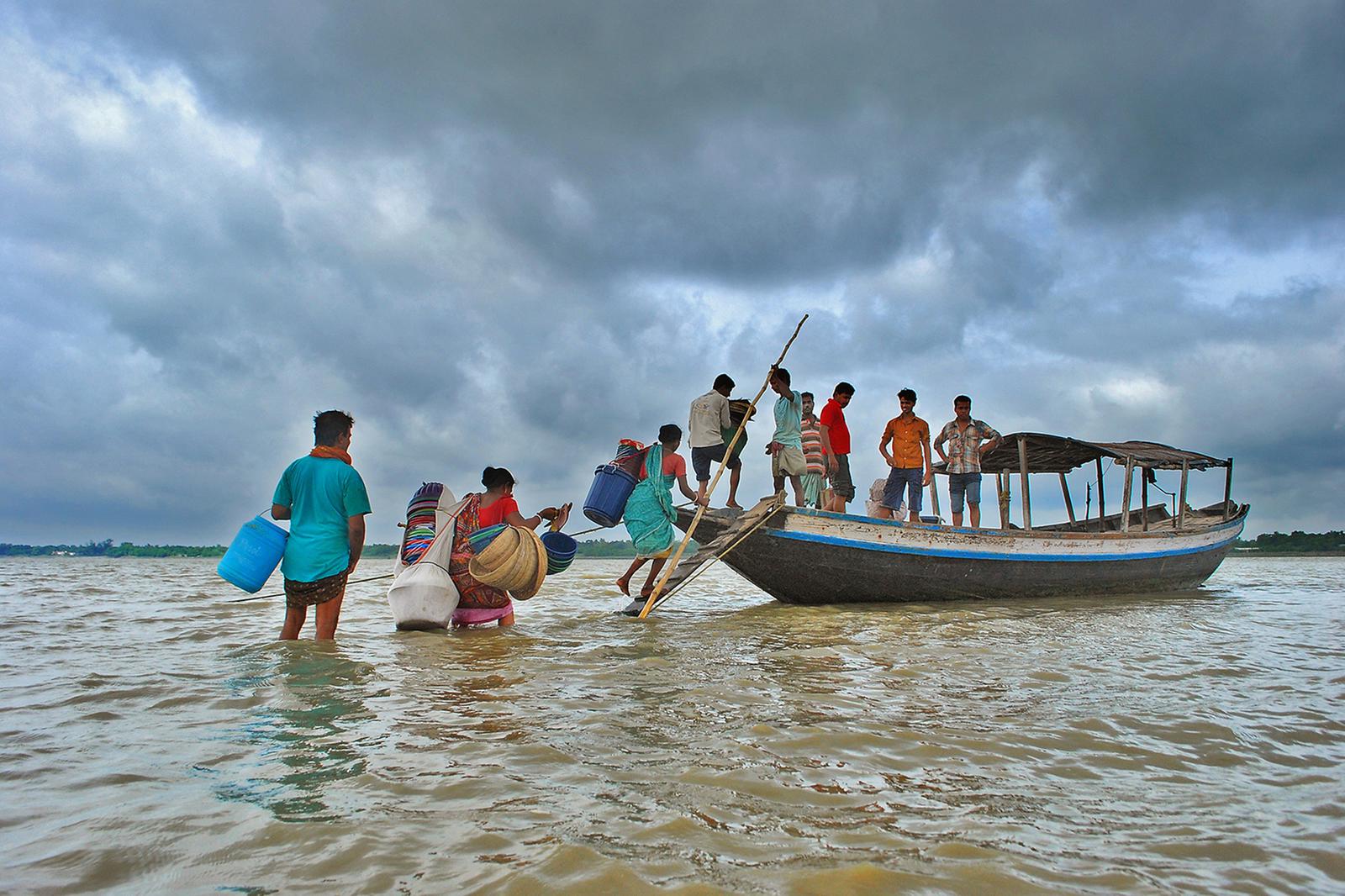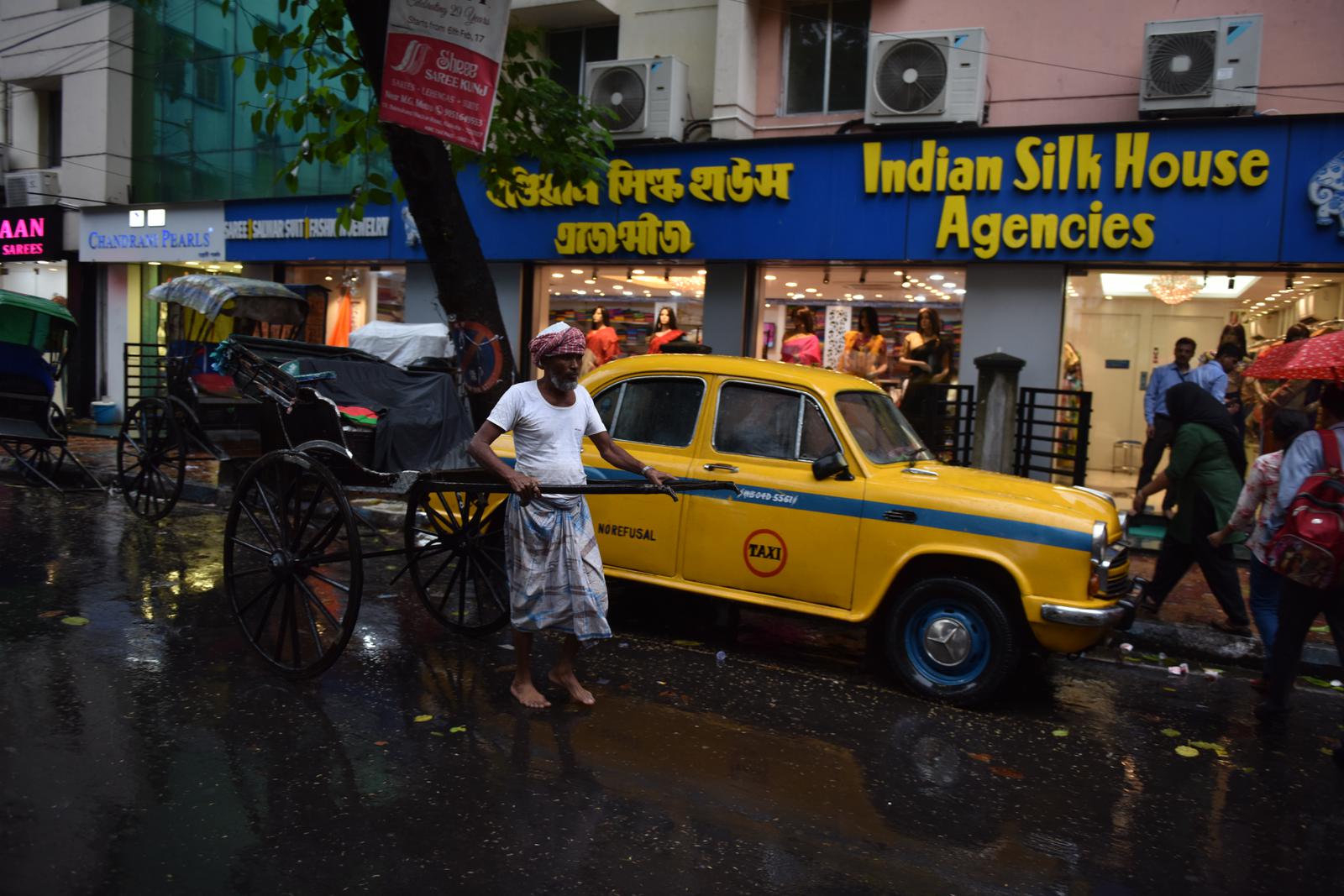

If cities were animals, Kolkata would be a resilient, shuffling amphibian—equally at home in the silken mud of the Hooghly as it is amidst its towering monuments of stone. It is one of nature’s great survivors, an unlovely creature of silt and brick blessed with "strange beatitudes." Spawned in the sandbanks of three malarial villages, it grew like a laboratory tissue culture, sprouting limbs and appendages in rich profusion. From a minor trading outpost, it mutated into the second capital of the British Empire, a city that glittered briefly in the imperial sun before the tides of history swept it back toward its primeval, poetic lair. Even for the first-time visitor, there is no such thing as a "first impression" here; the very name Kolkata carries a freight of associations—from the dark legends of the Black Hole to the luminous heights of the Bengali Renaissance. It is a city where every step is a walk through a quirky, defiant, and wonderfully layered past.
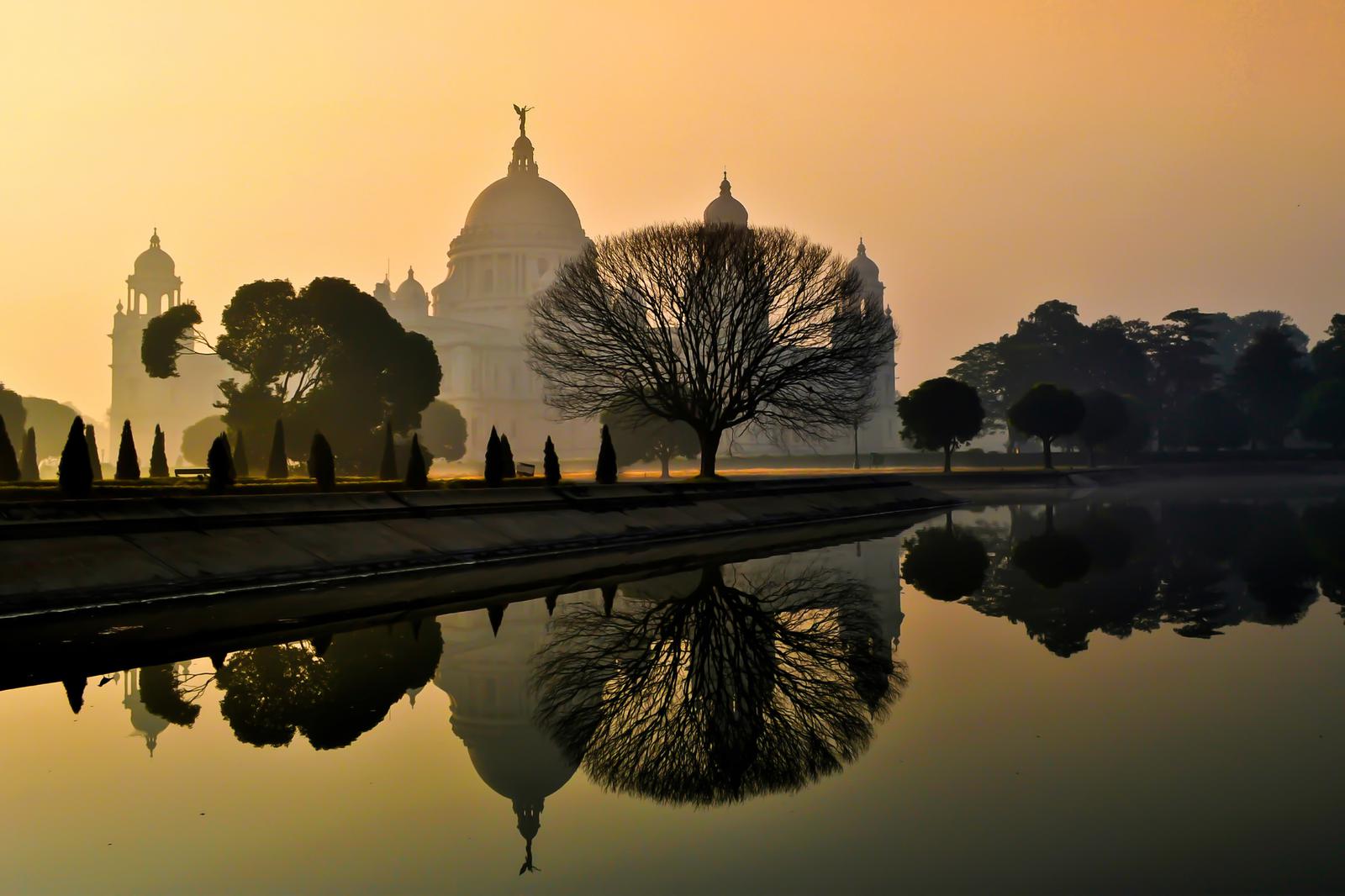
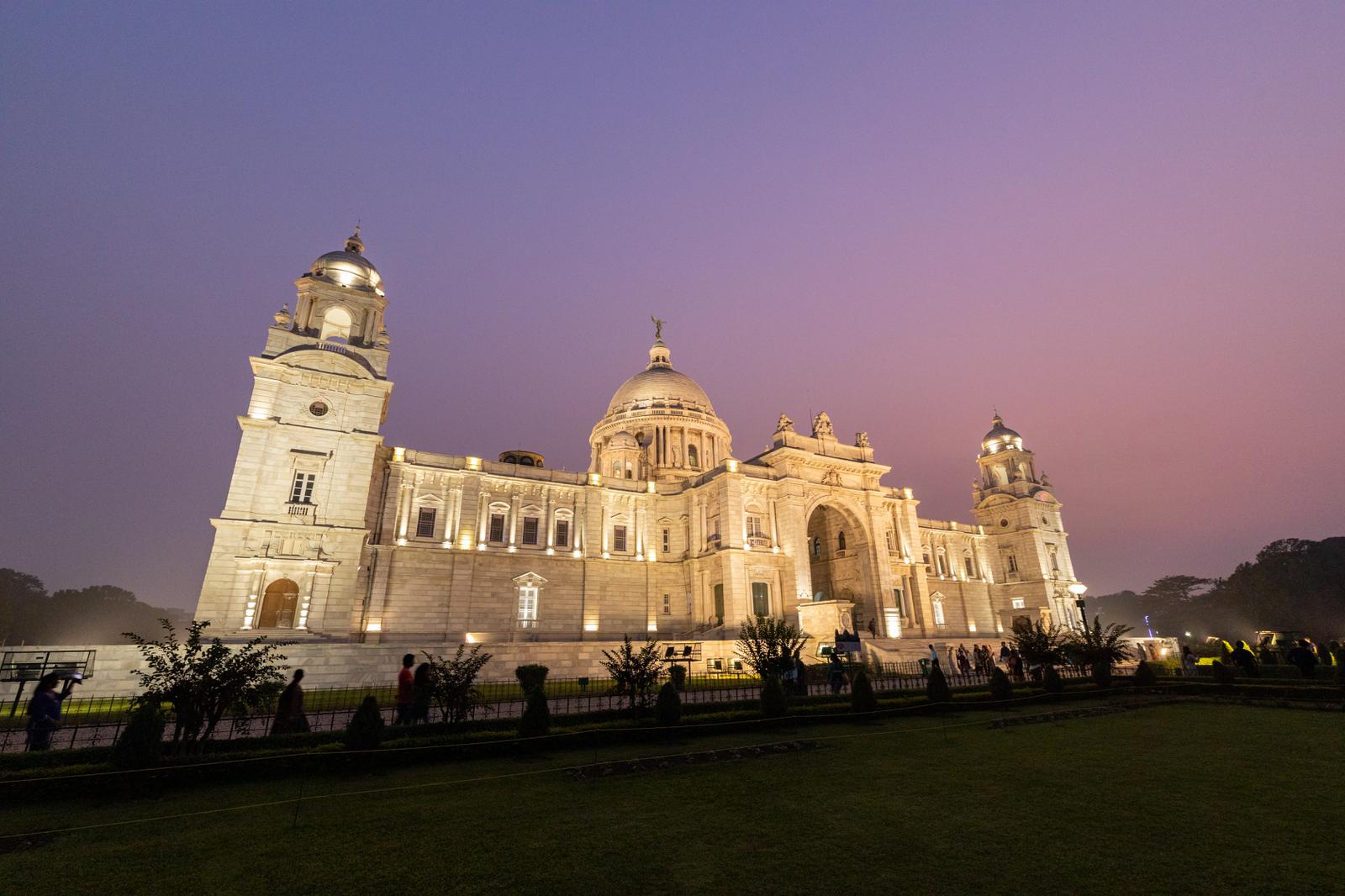
The skyline of Kolkata is a physical timeline of its grand, often turbulent, evolution. At the southern edge of the Maidan stands the Victoria Memorial, a sprawling Baroque masterpiece of white Makrana marble that looks like a Taj Mahal reimagined for the British Raj. Conceived by Lord Curzon as a "White Mughal" tribute, it now serves as a museum where colonial uniforms and Queen Victoria’s piano sit beneath a massive, rotating bronze Angel of Victory. Nearby, St. Paul’s Cathedral rises with its Indo-Gothic spires and stained-glass windows, famously glowing under the light of a thousand candles during the Midnight Mass.
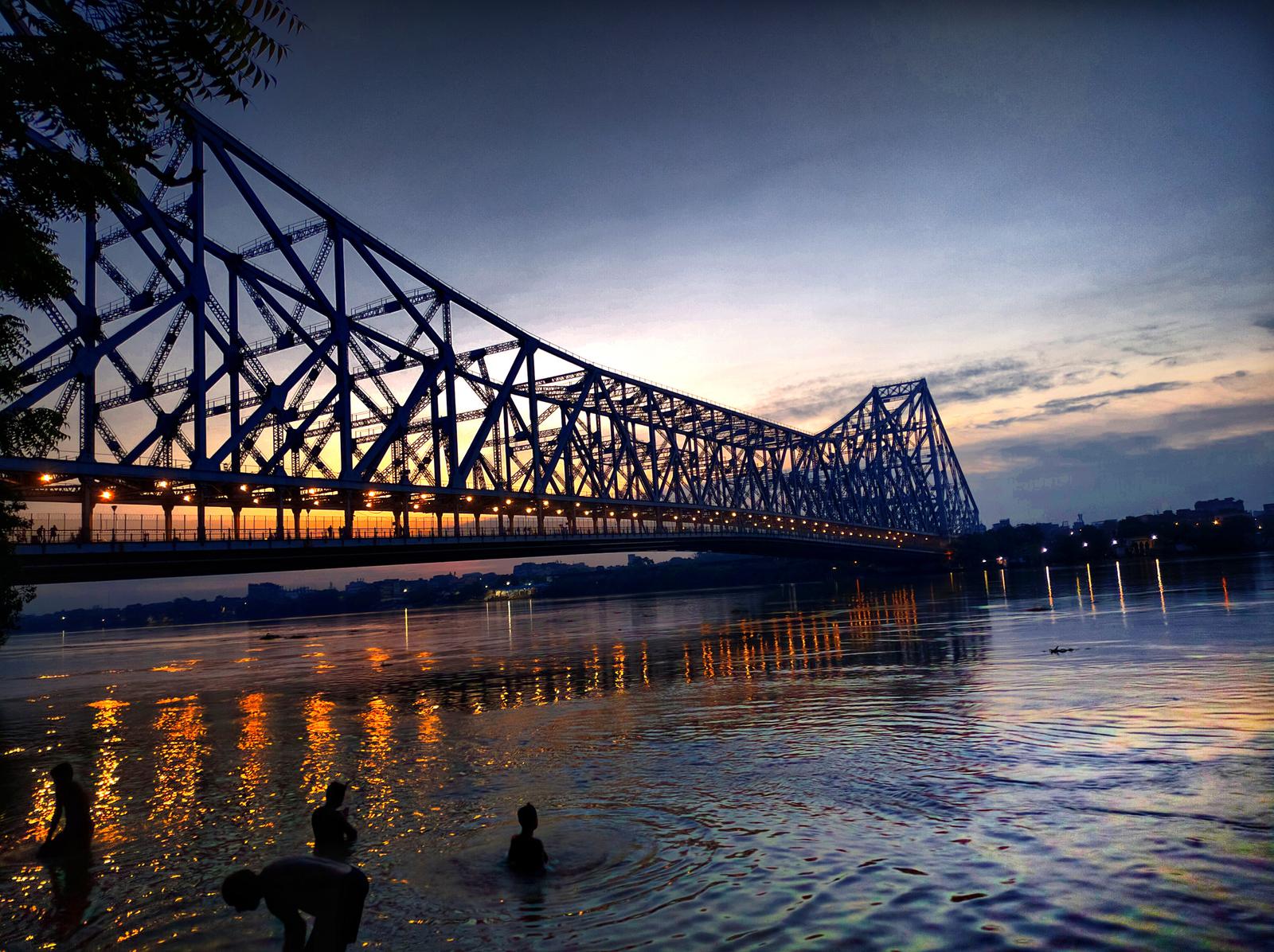
In the winding lanes of North Kolkata, the architectural language shifts to "Zamindari" opulence. The Marble Palace is perhaps the city's most eccentric treasure—a private mansion dripping with Venetian chandeliers, Belgian mirrors, and original paintings by Rubens and Gainsborough. Its courtyard, still inhabited by rare birds and the descendants of the original patriarch, feels like a portal to the 19th century. Across the city, the Howrah Bridge—a massive, cantilevered steel structure—serves as the city's iron pulse, connecting the bustling railway terminus to the spiritual and commercial heart of the riverbank.
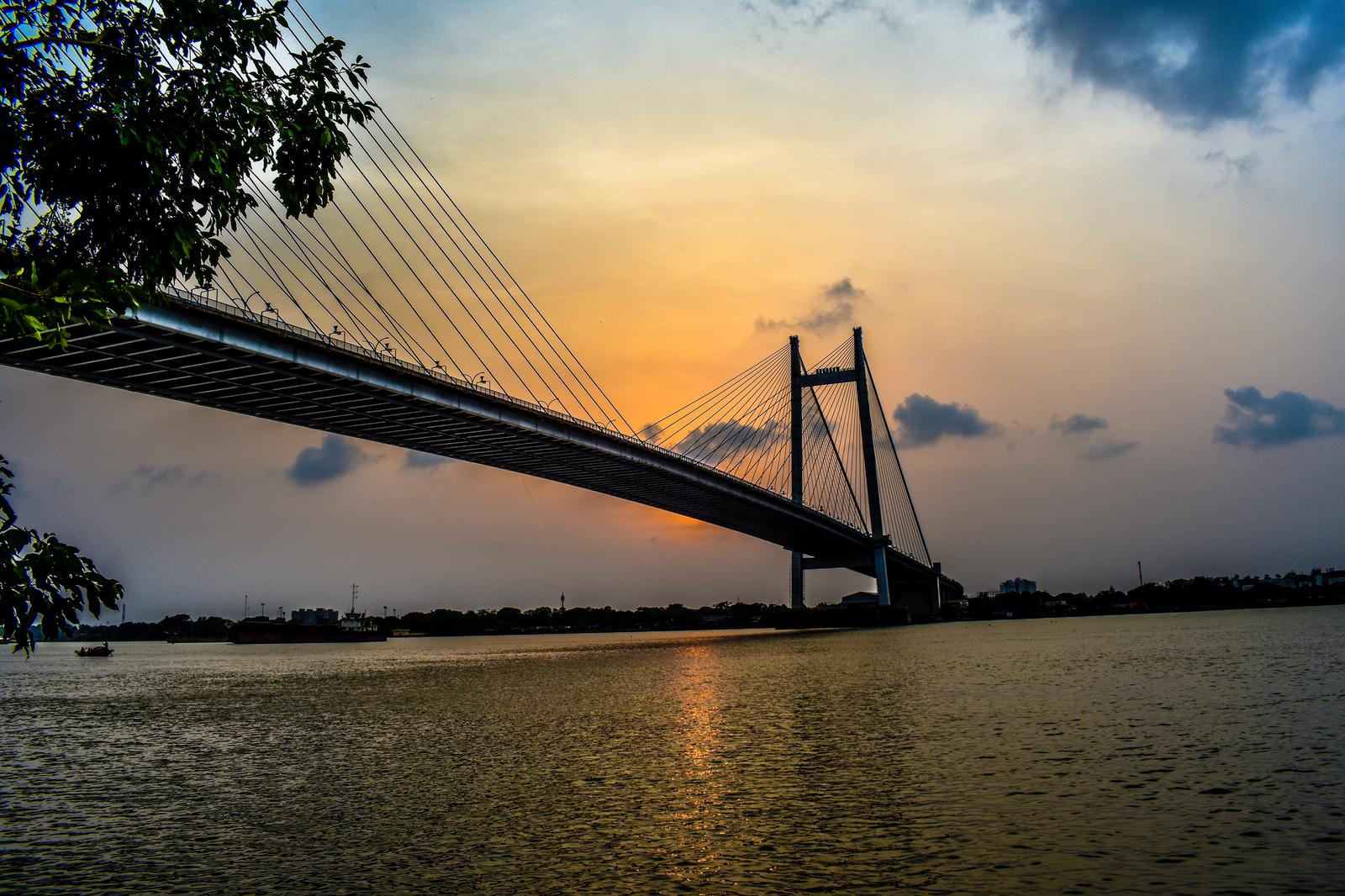
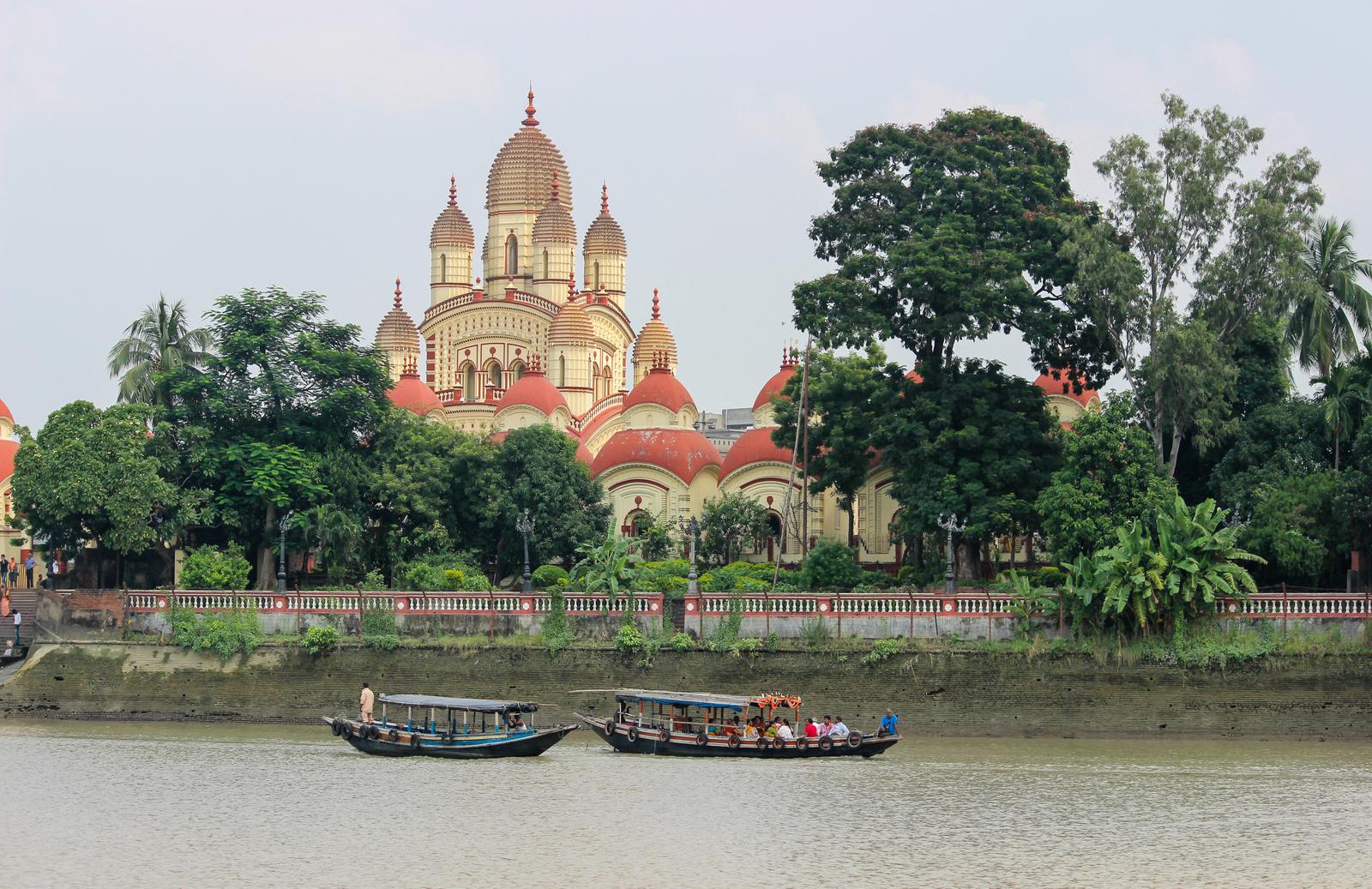
The soul of Kolkata remains tethered to the riverfront, where the city’s story began with Job Charnock’s landing in 1690. The best way to experience this origin story is on foot along the Strand, where a cooling breeze always shades the walk. Start at Prinsep Ghat, a sparkling white memorial with fluted Ionian columns that frame the majestic Vidyasagar Setu. Further along, Baboo Ghat pulses with energy; built in 1838, its Doric frontage now hosts a kaleidoscope of morning rituals, from priests performing Vedic chants to local wrestlers practicing in the mud.
For a moment of quietude, step into the Eden Gardens. While known globally as a "Mecca of Cricket," the gardens themselves—laid out in 1841—are a peaceful sanctuary of mahogany and mango trees. They house a genuine three-storied Burmese Pagoda, brought from Myanmar by Lord Dalhousie, standing in silent contrast to the roaring stadium next door. It is here, by the river, that the city’s history is most tangible, amidst the wooden canoe-like boats and the heavy scent of the Ganga.
Kolkata is the "Cultural Capital of India," a title earned through the staggering intellectual output of its people. The city was the cradle of the Bengali Renaissance, a movement that sought to blend Eastern philosophy with Western rationalism. Rabindranath Tagore, the first non-European Nobel laureate, is the city's spiritual North Star. His ancestral home, the Jorasanko Thakurbari, is now a shrine where his legacy continues to inspire modern art and music.
The city’s political DNA is defined by firebrands like Subhas Chandra Bose (Netaji) and the revolutionary trio of Benoy, Badal, and Dinesh, who famously fought a gun-battle in the corridors of the Writer’s Building. The city also claims the compassionate spirit of Mother Teresa and the scientific genius of Satyendra Nath Bose and Sir Jagadish Chandra Bose. Even the cinematic world bows to Kolkata's Satyajit Ray, whose humanistic films put Indian cinema on the world map, forever cementing the city's reputation as a sanctuary for the thinker and the dreamer.
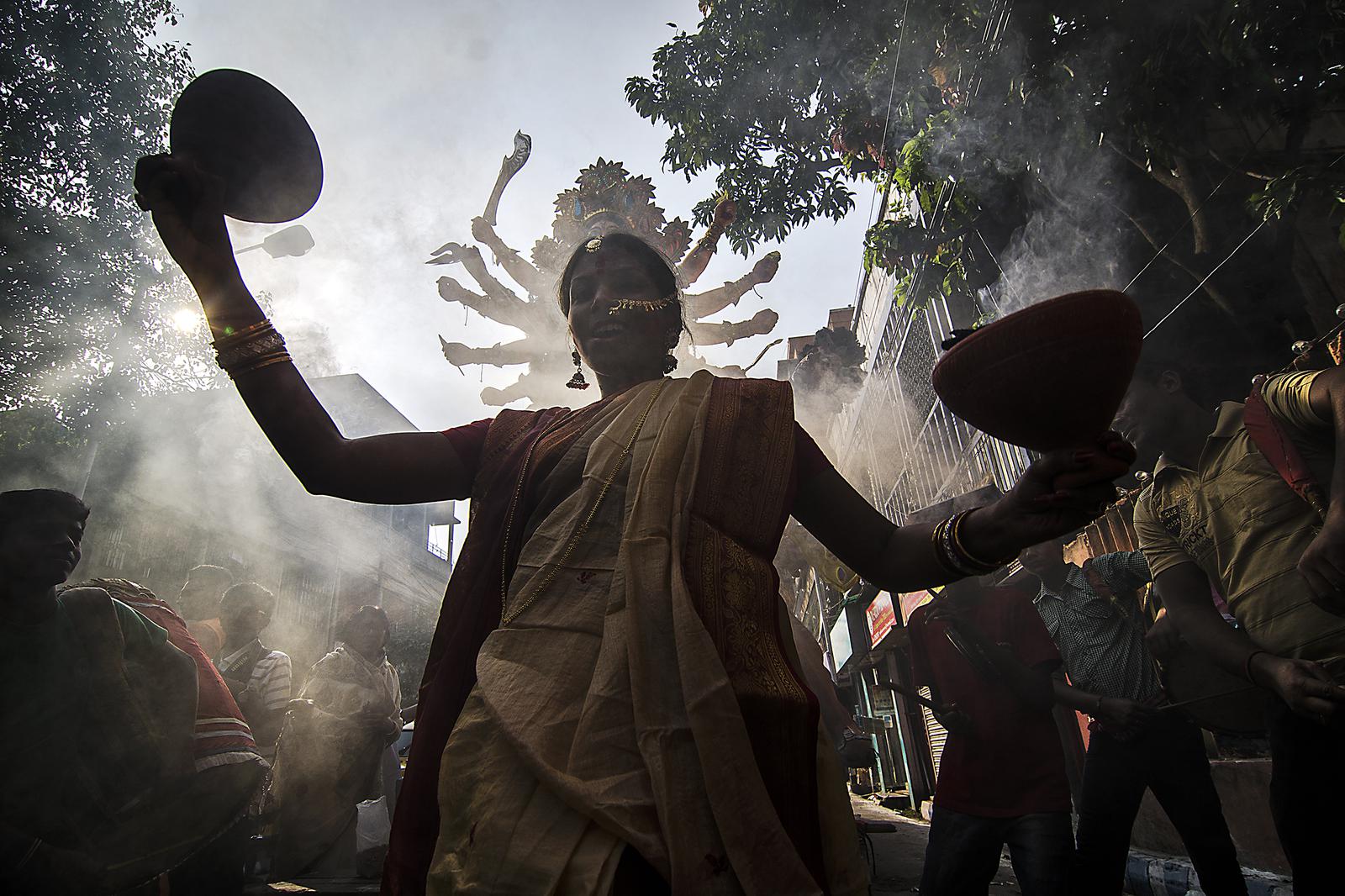
To be in Kolkata during Durga Puja is to witness a city transformed into the world’s largest open-air art gallery. This UNESCO-recognized festival is far more than a religious event; it is the emotional and social climax of the year. The reverence for Maa Durga—the warrior goddess who defeated the buffalo-demon Mahishasura—is a profound expression of the triumph of good over evil and the celebration of Shakti (feminine power).
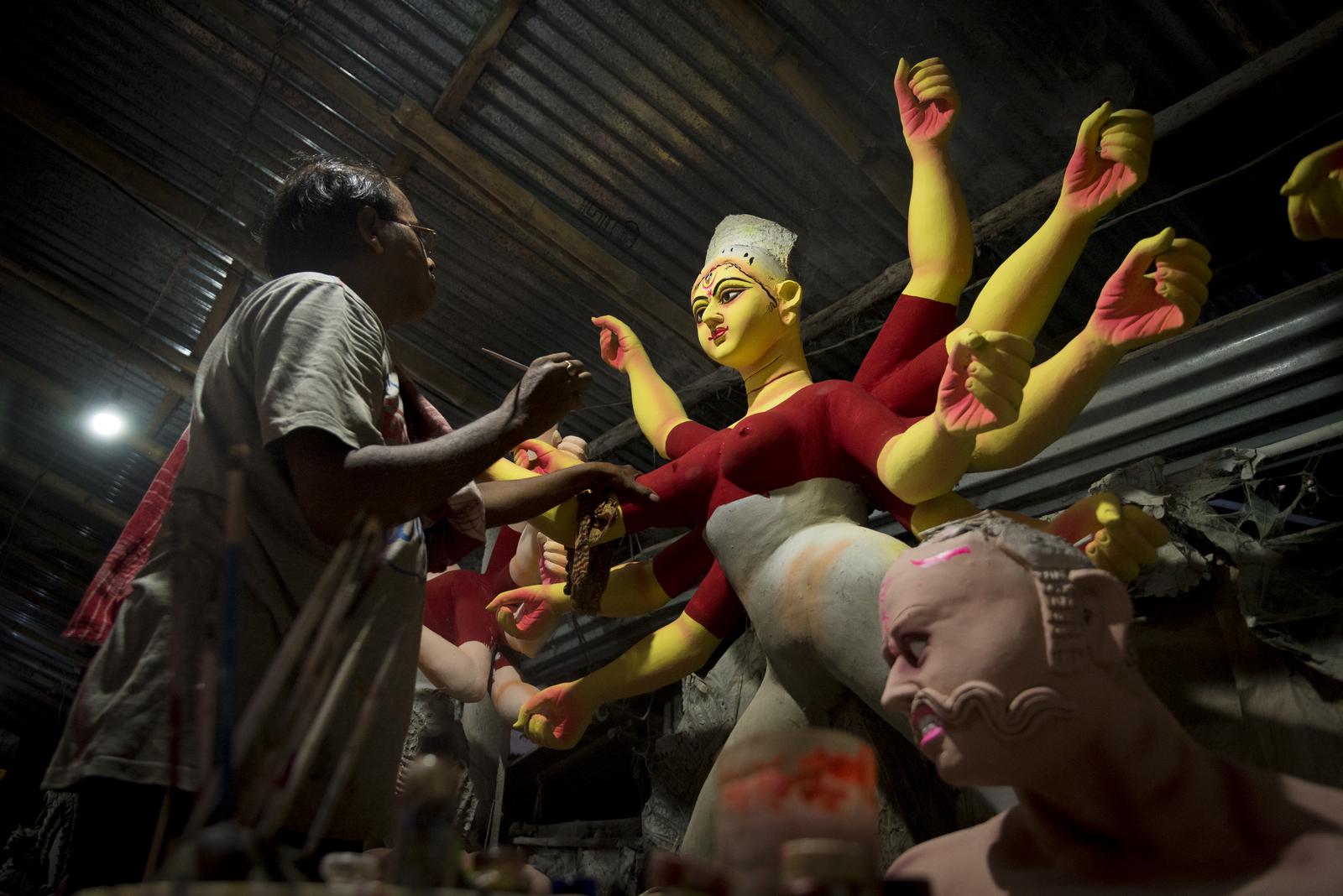
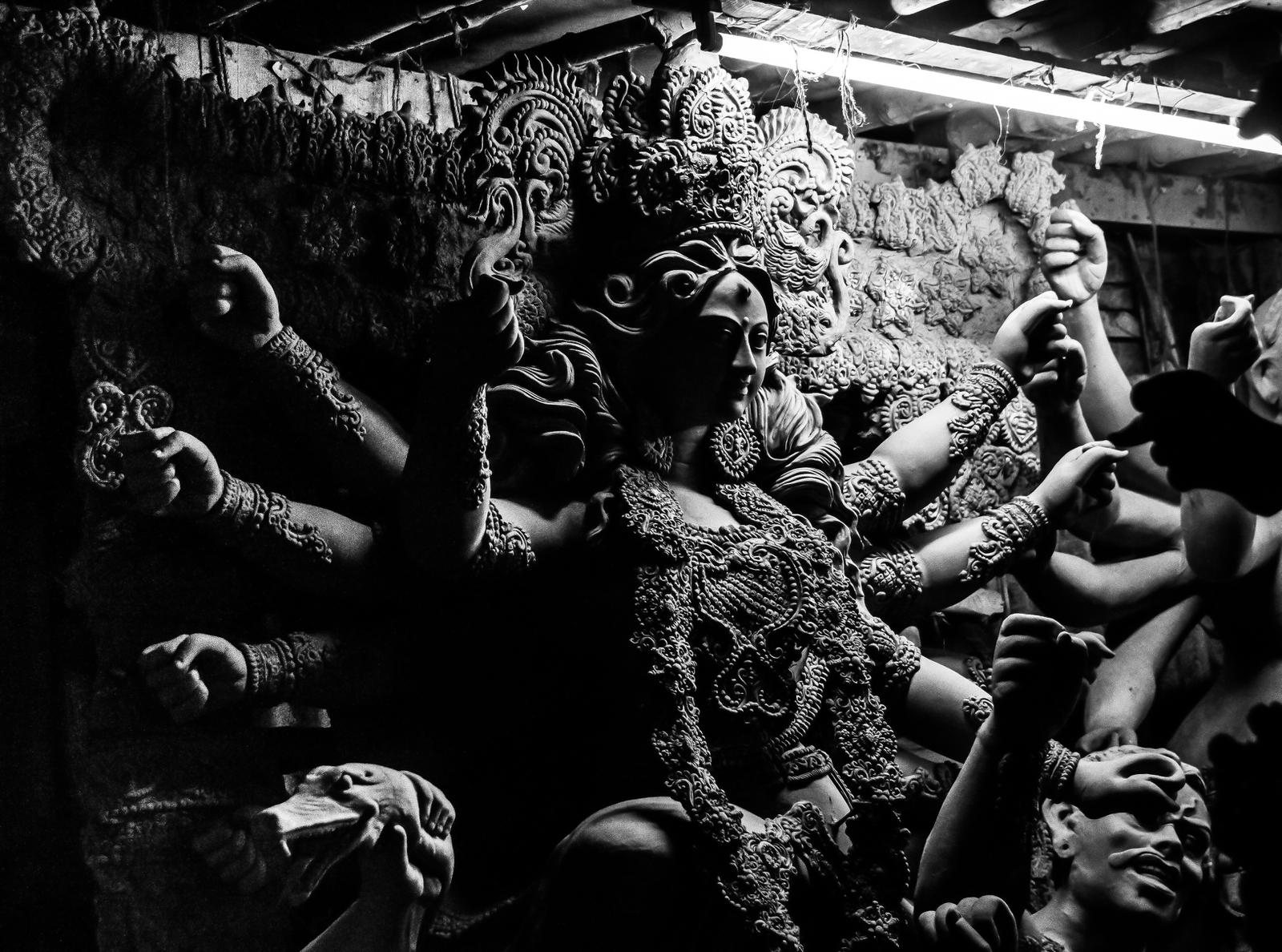
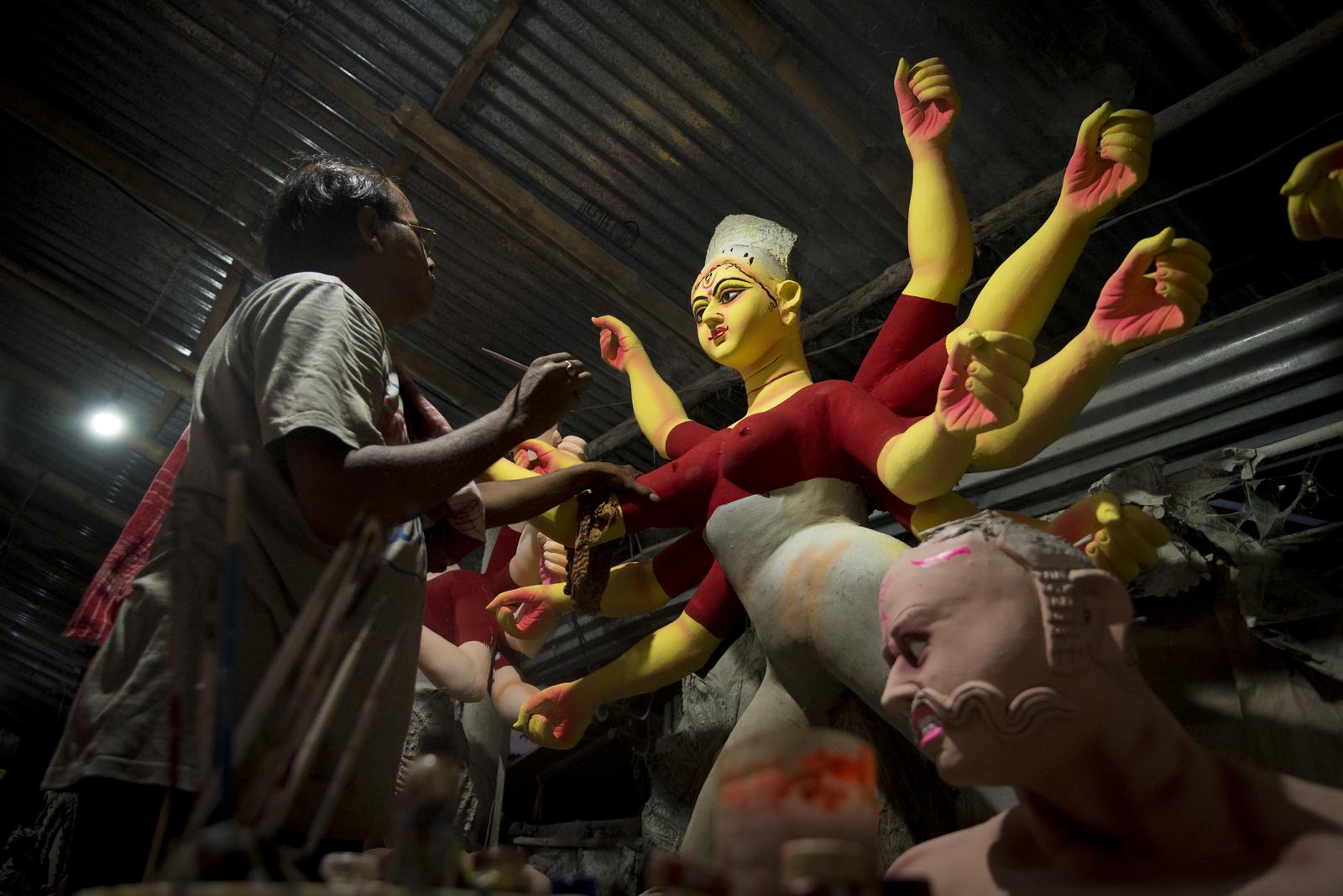
Thousands of "Pandals" are constructed, each following a specific artistic theme, from ancient mythology to modern social commentary. The air is thick with the scent of Shiuli flowers and the rhythmic, intoxicating beat of the Dhaki drums. From the intricate clay-modeling in the artisan district of Kumartuli to the final immersion of the idols in the Hooghly River, the festival is a testament to the city's collective spirit. It is a time when the entire "City of Joy" unites in a breathtaking celebration that proves Kolkata is not just a place on a map, but a feeling in the heart.
In Kolkata, food is not just sustenance; it is a philosophy. The Bengali palate is a sophisticated balance of the pungent and the sweet, centered around the legendary Maach-Bhaat (fish and rice). A traditional meal is a structured symphony, starting with bitter shukto, moving through thick dal and fried bhaja, and culminating in the centerpiece: perhaps a royal Chingri Macher Malaikari (prawns in coconut milk) or the pungent Sorshe Ilish (Hilsa in mustard gravy).
The city’s culinary heritage also bears the fragrant imprint of the exiled Nawabs of Awadh, giving birth to the Kolkata Biryani, uniquely characterized by the presence of a soft, spice-soaked potato. On the streets, the air is thick with the aroma of sizzling Kati Rolls, spicy Puchkas, and the Indo-Chinese stir-fries of Tangra. However, the true crowning glory is the Mishti (sweets). Kolkata is a city of milk and honey, where the spongy Rosogolla, the creamy Sandesh, and the caramelized Mishti Doi are treated with the reverence usually reserved for fine art. Every neighborhood has its favorite Moira (sweet-maker), and no visit is complete without a terracotta cup of tea followed by a bite of Nolen Gur Sandesh.