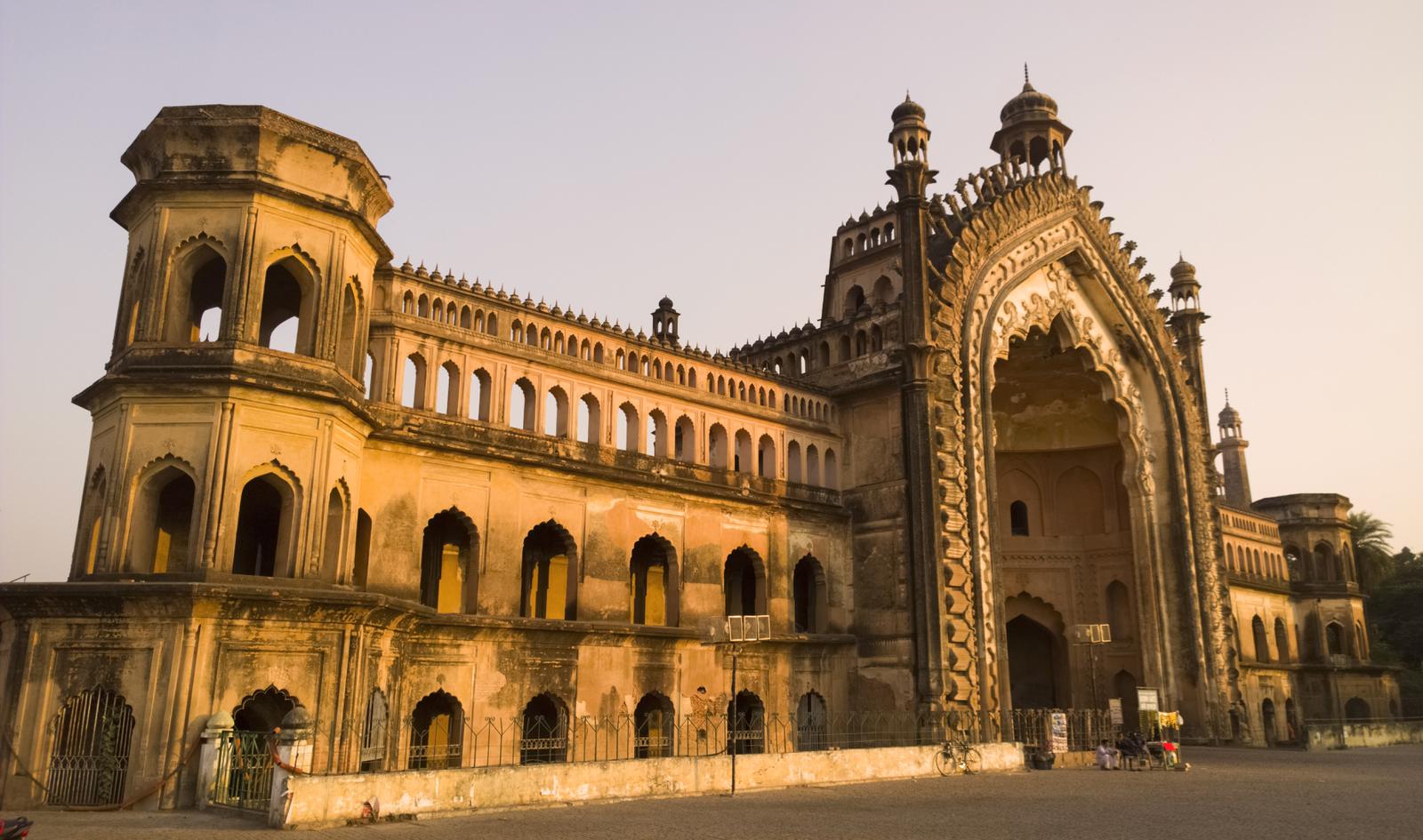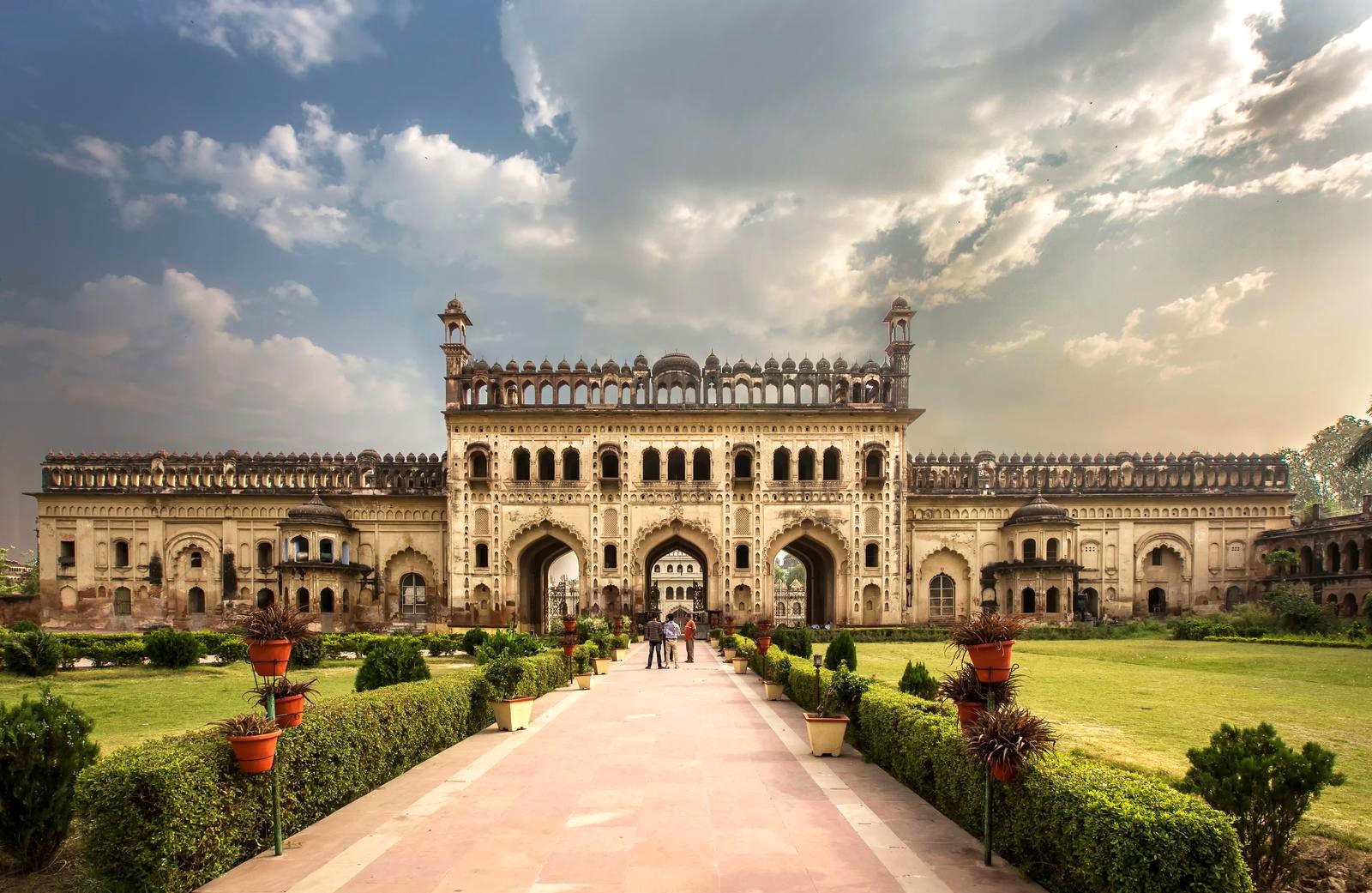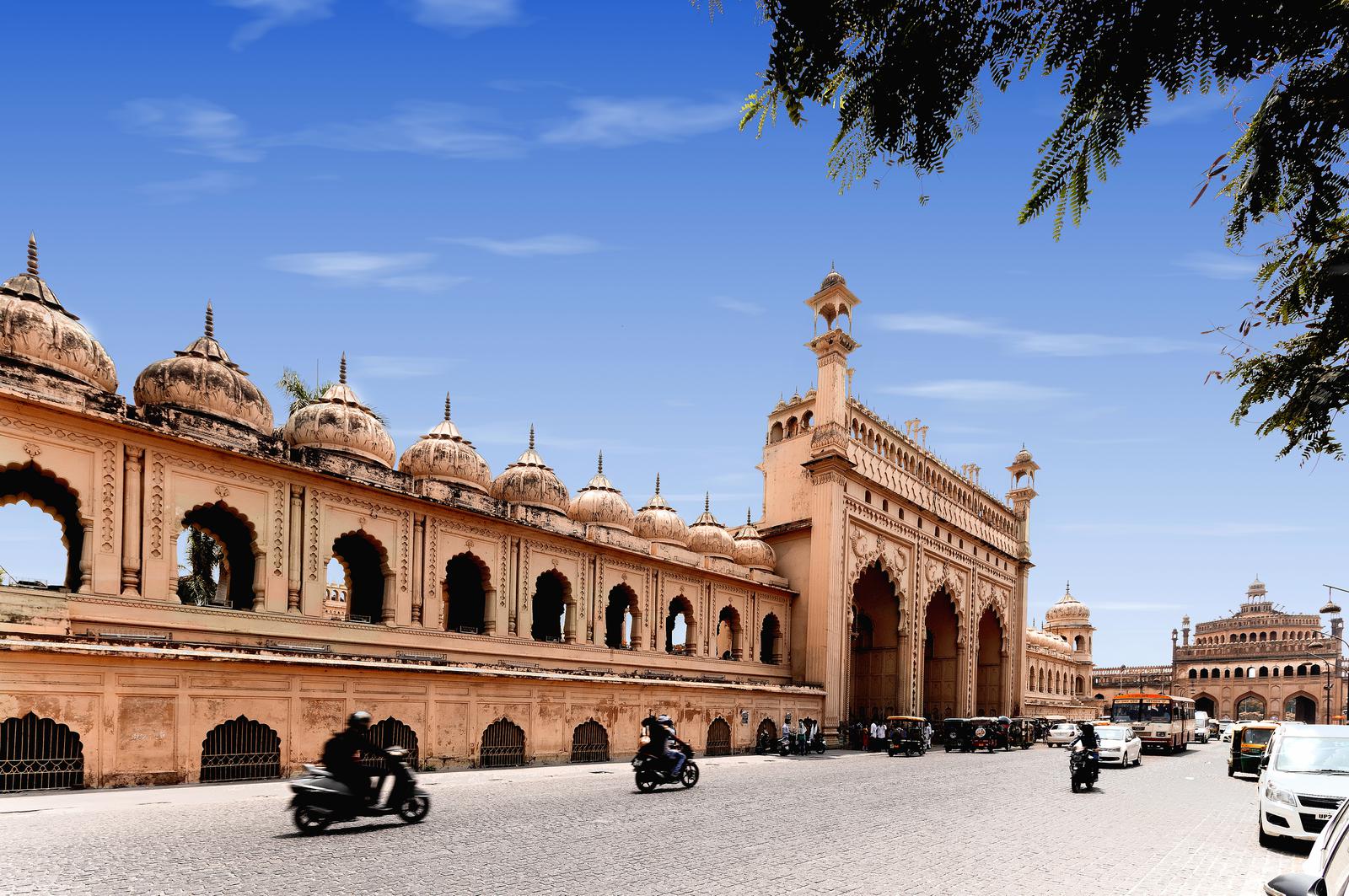

Lucknow is a city that does not merely exist; it breathes through the layers of its own legend. Often called the "Pearl of Avadh", its origins are shrouded in the mists of antiquity and etymology. Some say the name is a tribute to Lakshman, the loyal brother of Lord Rama, who founded the ancient settlement of Lakshmanapur. Others, perhaps more attuned to the city’s rhythmic relationship with the Gomti River, insist the name stems from the lakh nau—the hundred thousand boats—that once bobbed upon its sparkling waters.
While history remembers the glittering Mughal capitals of Delhi and Agra, there was a golden century between 1722 and 1856 when Lucknow outshone them both. This was the era of the Nawabs, a dynasty of Persian origin who transformed a provincial seat into a beacon of Indo-Persian refinement. Under their patronage, the Urdu language reached its most melodic heights, the intricate footwork of Kathak dance was perfected, and the soulful strains of the sitar and tabla became the city’s heartbeat. To visit Lucknow today is to step into a world where that cultural grace—the legendary Tehzeeb—still lingers in the air like a faint, elegant perfume, even as it contends with the bustling pace of modern politics.
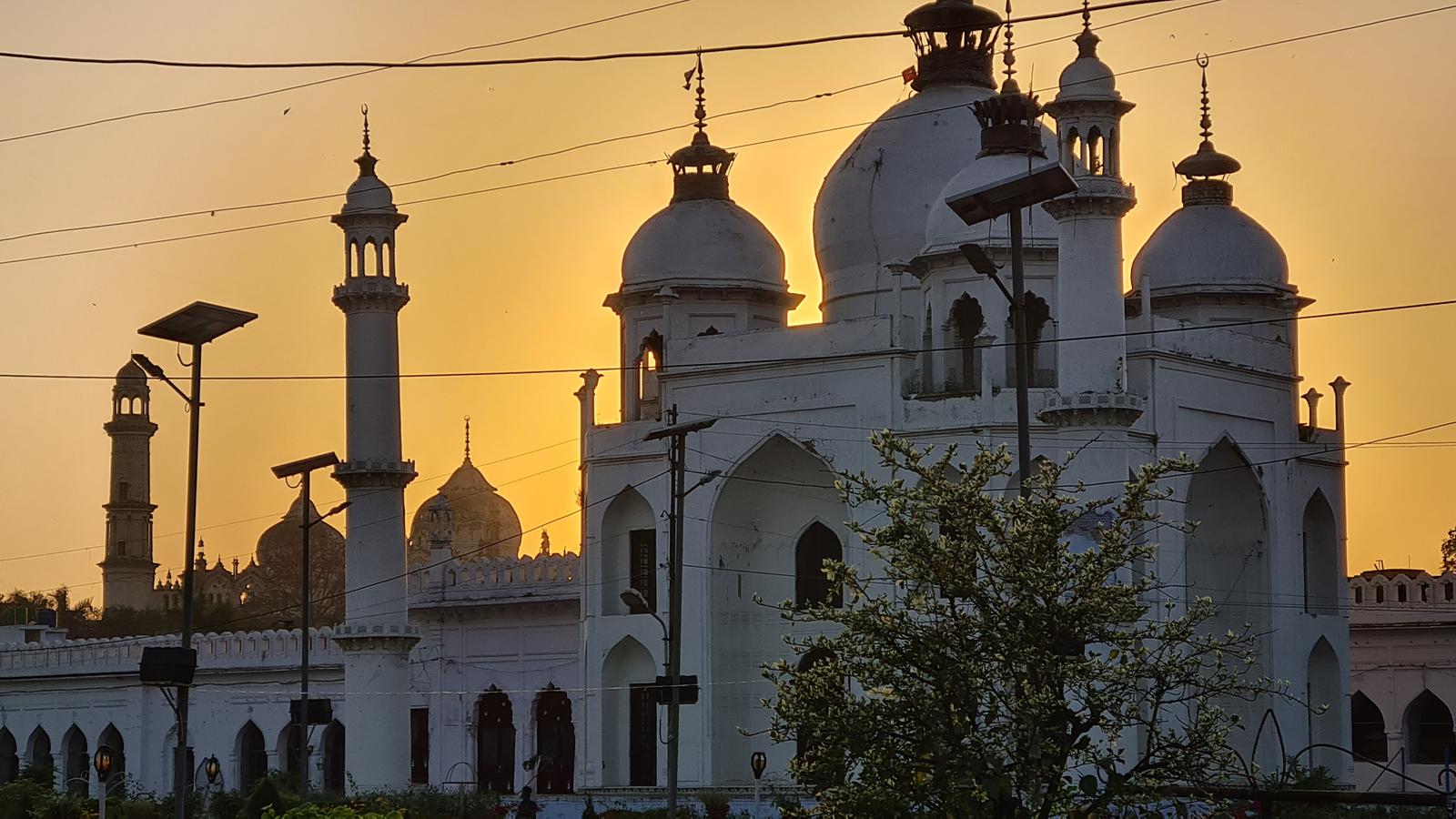
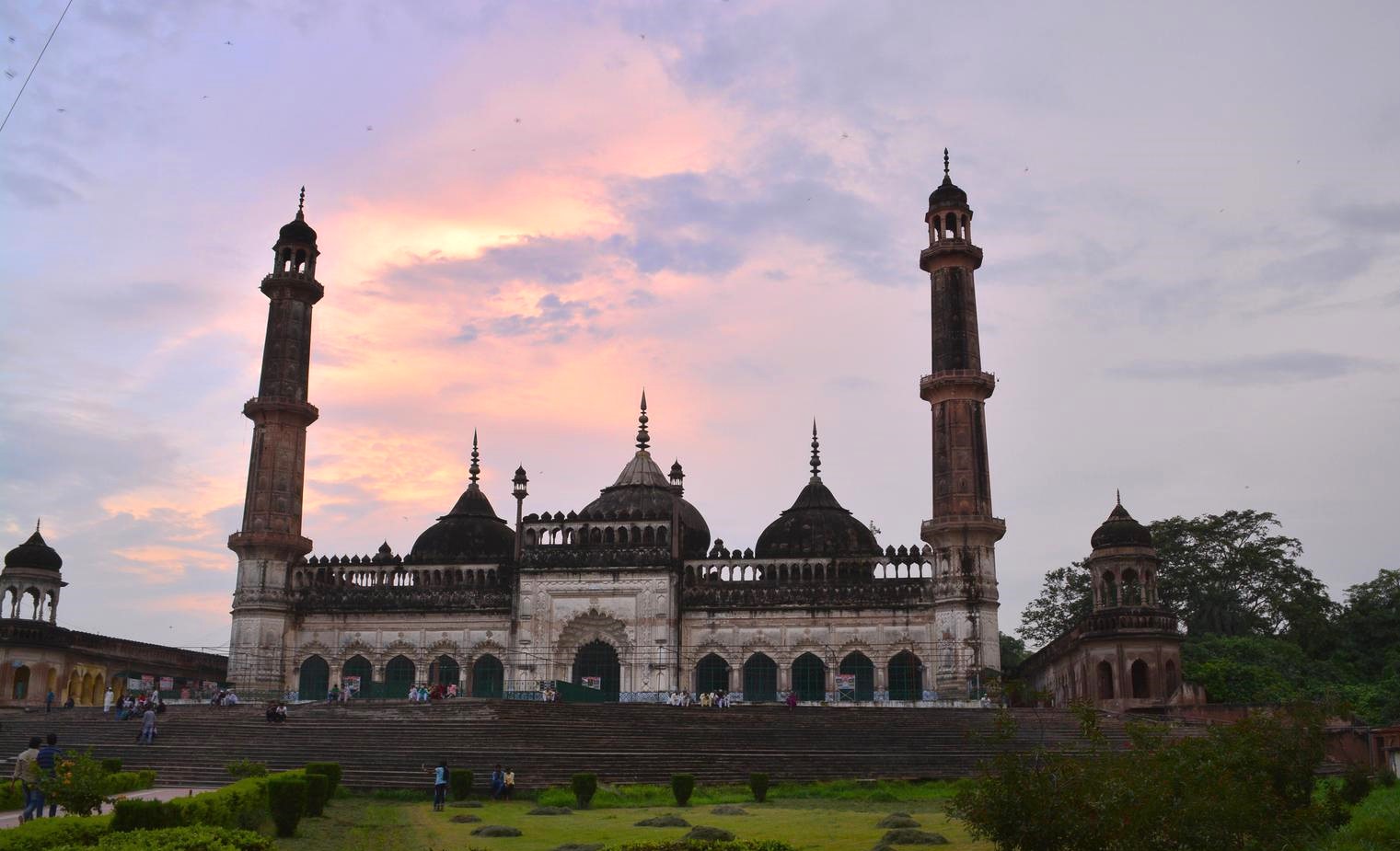
The true metamorphosis of Lucknow began in 1775 when the fourth Nawab, Asaf-ud-Daula, moved the capital from Faizabad to the banks of the Gomti. Seeking to outstrip his predecessors and create a cosmopolitan marvel, he launched an era of flamboyant construction. The skyline began to bristle with ornamented gates, stately mosques, and the unique imambaras—monuments of the Shia faith built to house taziyas, or symbolic tombs.
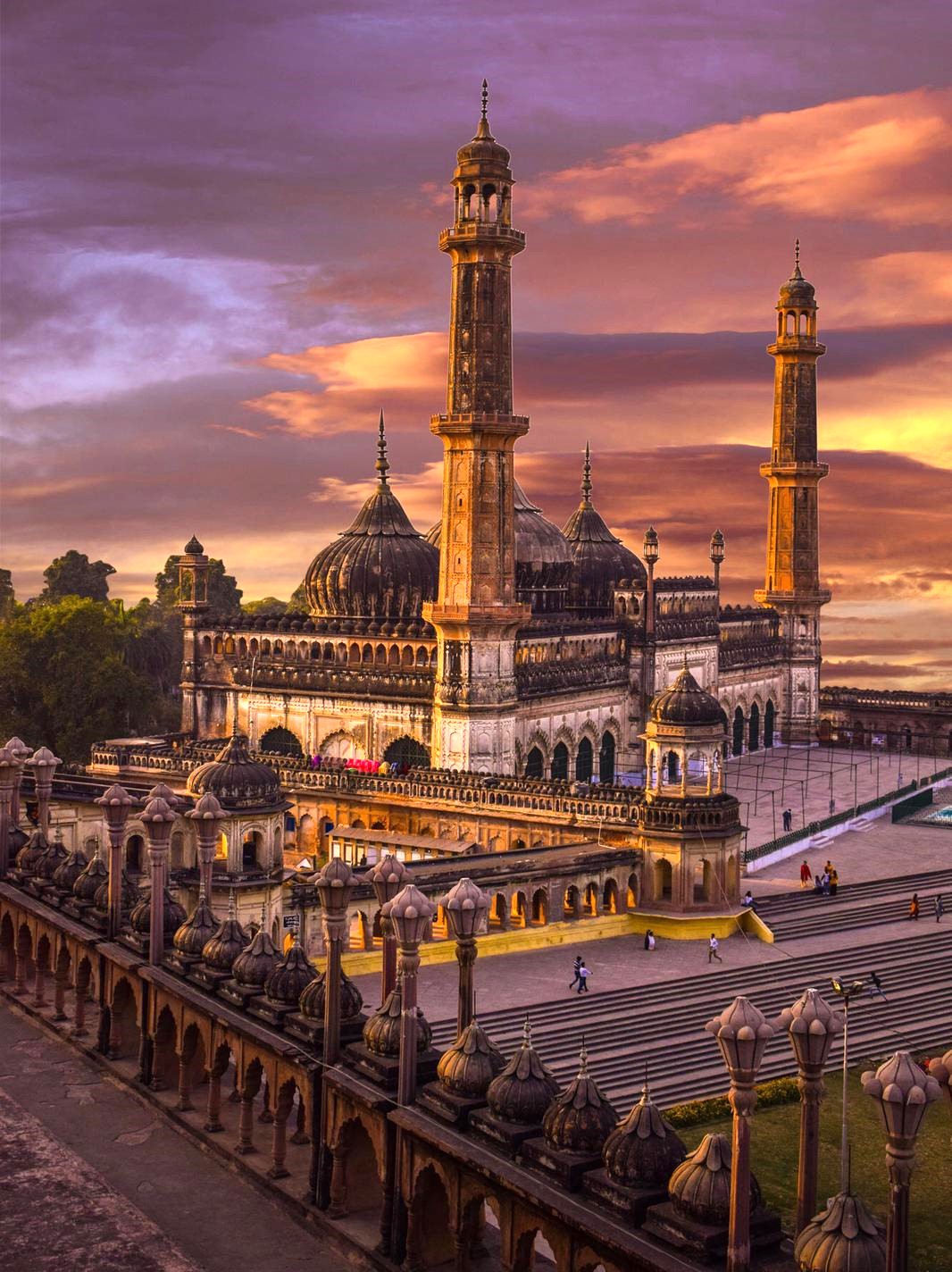
None of these structures is more iconic than the Rumi Darwaza. This massive, stucco-ornamented gateway was inspired by the portals of Constantinople, serving as a magnificent threshold for processions of elephants and British Residents. Adjacent to it stands the Bara Imambara, an architectural miracle. Its central hall is a vaulted masterpiece, stretching 163 feet without a single wooden support. Above it lies the Bhul-bhulaiya, a labyrinthine network of passages designed to distribute the roof's weight, offering those who navigate its turns a panoramic view of the sprawling complex. Nearby, the 'Bowlee Palace'—a stepped well surrounded by cool, fountain-fed rooms—stands as the final vestige of the medieval Macchi Bhawan Fort.
As the decades passed, Asaf-ud-Daula’s successors added buildings so extravagant they were often compared to a stage set. This theatricality reached its zenith—and its tragedy—under the last Nawab, Wajid Ali Shah. A gifted poet and patron of the arts, the portly ruler famously turned the Qaisarbagh Palace into a living theater. Here, he would cast himself as Lord Krishna, persuading the ladies of the court to play the roles of gopis in elaborate reenactments of Hindu legends.
Though much of the original Qaisarbagh was later demolished by the British, the remnants speak of a "Rose Garden of Paradise". The nearby Hussainabad Clock Tower, modeled after a Moorish minaret in Spain, and the Picture Gallery—once a grandstand for viewing animal fights—remain as silent witnesses to this era of unreality. Even the Dilkhusha Palace, a Palladian hunting lodge modeled after an English country manor, shows how the Nawabs blended European aesthetics with the demands of the North Indian plains.
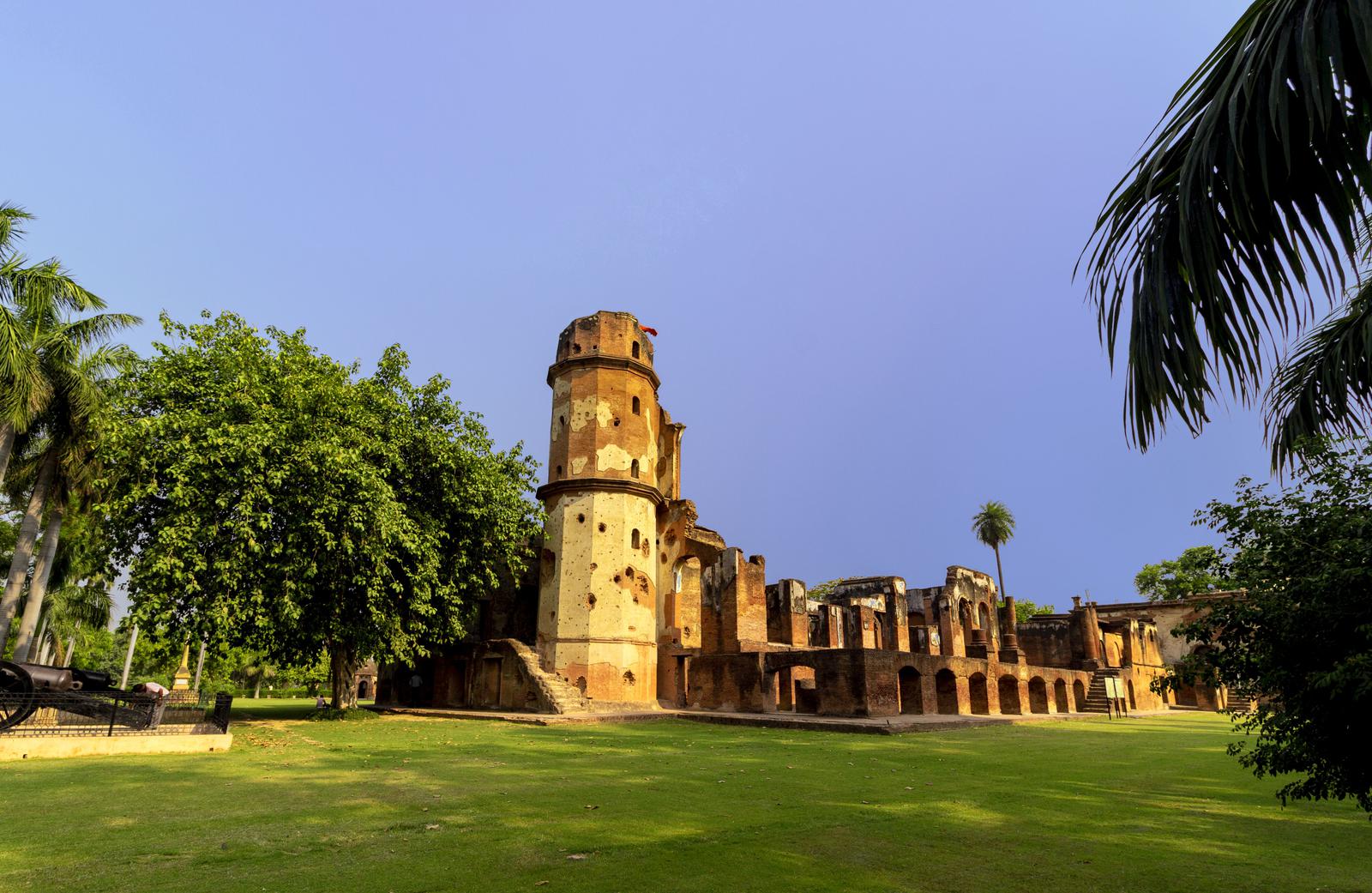
The dream of the Nawabs was shattered in 1856 when the East India Company annexed Avadh, citing maladministration. This act of "insidious advice" turned into open conflict during the Indian Rebellion of 1857. Lucknow became a focal point of the uprising, led by the indomitable Begum Hazrat Mahal.
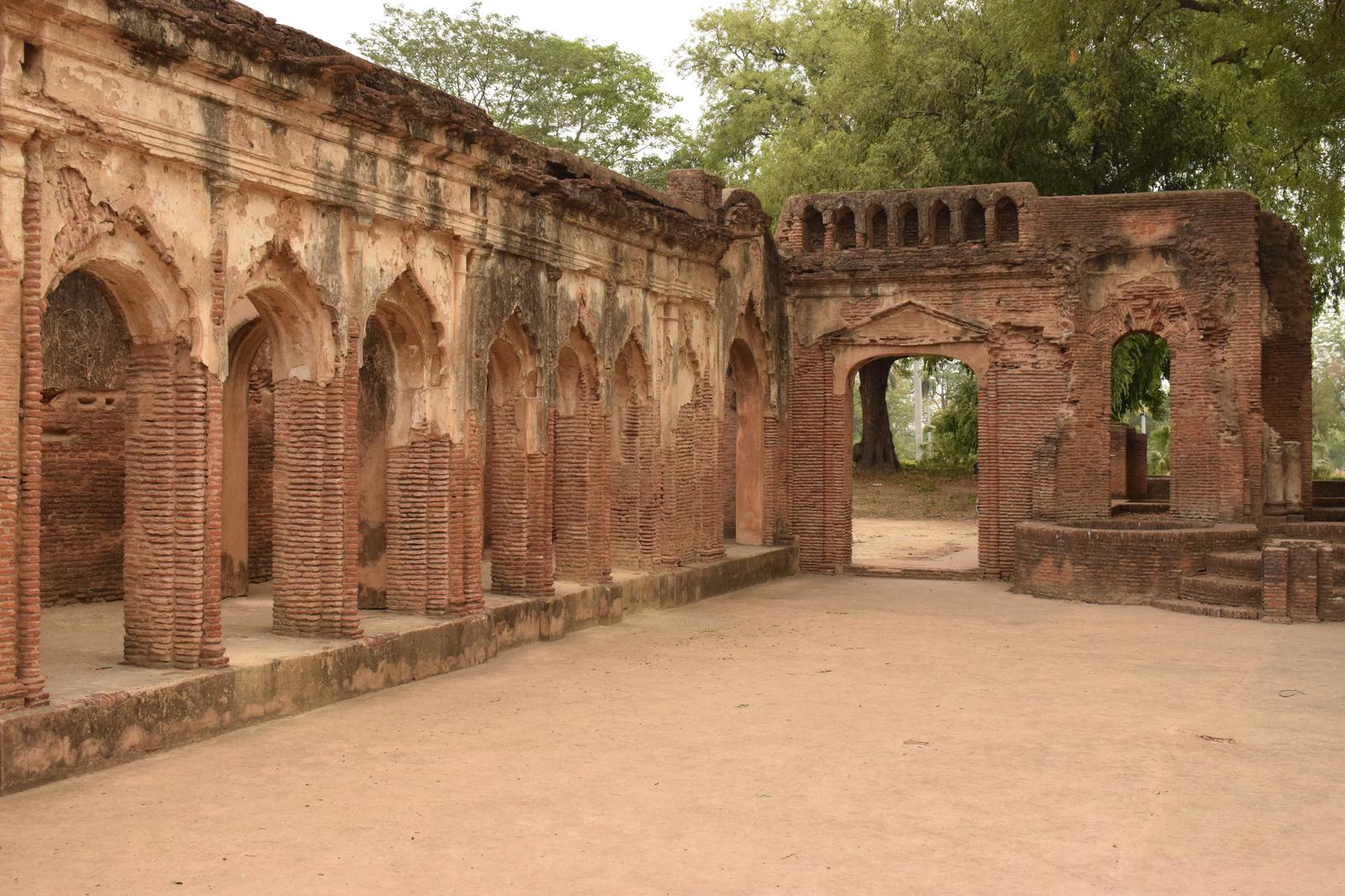
Today, the ruins of the British Residency serve as a poignant, pock-marked memorial to those desperate months of siege. While the manicured lawns suggest peace, the museum and the bullet-scarred Bailey Guard Gate tell a different story. Excavations continue to reveal the hidden history of the 'native' hospital and the skeletons of those caught in the crossfire. In the little cemetery, the grave of Sir Henry Lawrence marks a British loss, but the resting places of the countless Indian revolutionaries who fought to defend their deposed Nawab remain largely anonymous, woven into the very soil of the city.
To find the living pulse of Lucknow, one must leave the riverbank monuments and head into the Chowk. This is the ancient core of the city, a labyrinth of winding streets that double back on themselves in a random, enchanting pattern. Here, the aroma of spices leads you to the legendary Tunde ke Kabab. Legend has it that the kebabs are so melt-in-the-mouth succulent because Nawab Asaf-ud-Daula lost his teeth early in life and demanded meat that required no chewing.
The Chowk is also the center of the city’s famed chikan work—delicate, ethereal white-on-white embroidery that has been the hallmark of Lucknawi fashion for centuries. Walking through these alleys, you might stumble upon the Farangi Mahal, a 17th-century seminary that once belonged to the East India Company, or the Nakkhas market, where on Sundays you can find everything from singing birds to antique curiosities.
Lucknow’s history is further enriched by its "wondrous follies", none more spectacular than La Martiniere College. Built by Claude Martin, a French-born soldier of fortune who rose to the rank of Major General in the Company army, the building is a hybrid of a palace, a tomb, and an elite school. Immortalized in Kipling’s Kim, it remains one of India’s most prestigious institutions.
The city continued to evolve through the colonial era into the independence movement. The Legislative Council Chamber, with its stately 1928 dome, and the Raj Bhavan—once a powder mill with walls thick enough to contain explosions—represent the shift toward modern governance. It was here, during the Congress session of 1916, that the Lucknow Pact was signed, marking a rare and pivotal moment of unity between Mahatma Gandhi, Jawaharlal Nehru, and Muhammad Ali Jinnah.
Lucknow may not offer the immediate, polished convenience of the tourist hubs in Rajasthan, but its rewards are deeper and more intimate. It is a city that requires you to work for its secrets, whether you are exploring the silver taziyas of the Shah Najaf Imambara or searching for the spot where a young Cliff Richard once strummed his guitar in the gardens of the Sibtainabad Imambara.
From the two entwined fish—the mahi maratib—that serve as the city’s auspicious icon to the crumbling facades of the Chattar Manzil, Lucknow remains a testament to a time when art, literature, and grace were the true currencies of power. It is a city of shadows and sunlight, of revolutionary fervor and poetic silence—a place where every stone has a story to tell, provided you are willing to listen.
To visit Lucknow and ignore its kitchen is to leave the city’s story half-read. Here, dining is a ritual known as the Dastarkhwan, defined by the art of Dum—a slow-cooking technique that seals in every drop of aroma. The undisputed sovereign of this table is the Galouti Kebab, famously created for a toothless Nawab and infused with over 160 secret spices. A pilgrimage to the legendary Tunday Kababi in the narrow lanes of Chowk or Aminabad reveals kebabs so delicate they dissolve instantly, especially when paired with a saffron-tinted Sheermal.
The city’s pulse is felt in its daily food rituals, starting at dawn with the rich, spicy Nihari stew and fluffy Kulchas at Raheem’s. For a lighter start, locals gather at Sharma Ji Ki Chai for a frothy clay cup of tea and Bun Makkhan—pillowy buns slathered in fresh white butter. As twilight falls, the scent of Lucknawi Biryani fills the air. Unlike its spicier cousins, this version is a subtle, fragrant masterpiece of long-grain rice and tender meat, with Idrees and Lalla Biryani standing as the hallowed shrines for purists.
Lucknow’s vegetarian street food and sweets provide a sparkling finale to any culinary journey. The Royal Cafe in Hazratganj serves its iconic "Basket Chaat"—a crispy potato nest bursting with tangy chutneys—while Shukla Chaat House offers the city’s most soulful Aloo Tikki. For dessert, the winter-only Makkhan Malai is an ethereal milk foam gathered under the moonlight, while the creamy Kesar-Pista Kulfi at Prakash Ki Mashoor remains a year-round classic. Whether you are navigating a smoky alley or the gilded halls of Oudhyana, the flavors of Lucknow are designed to linger long after the final bite.