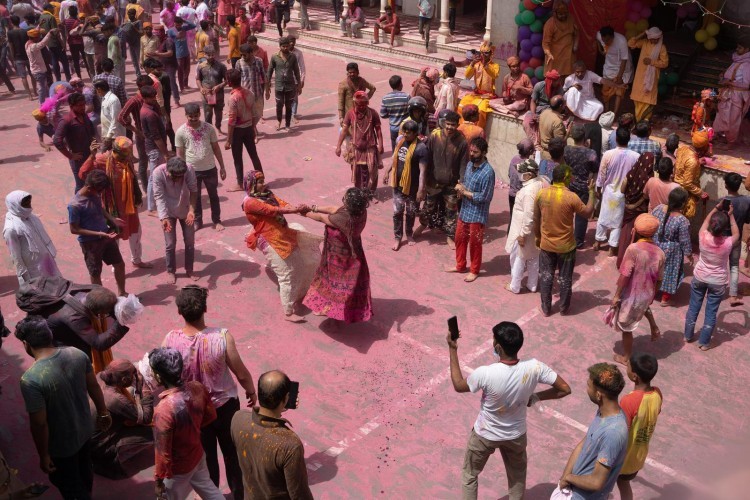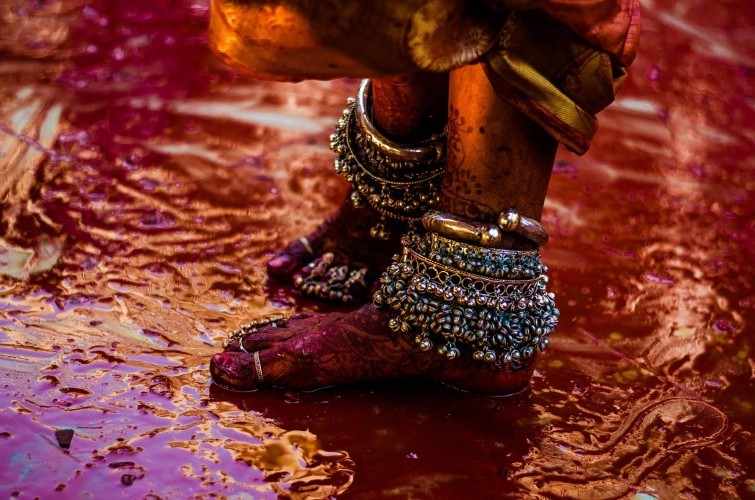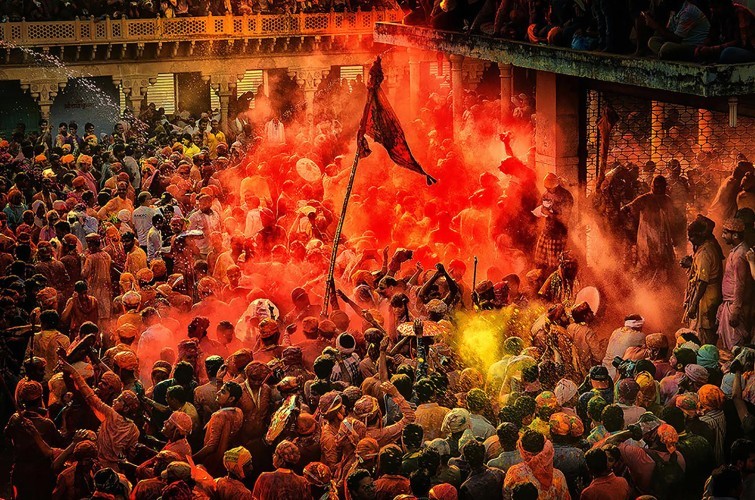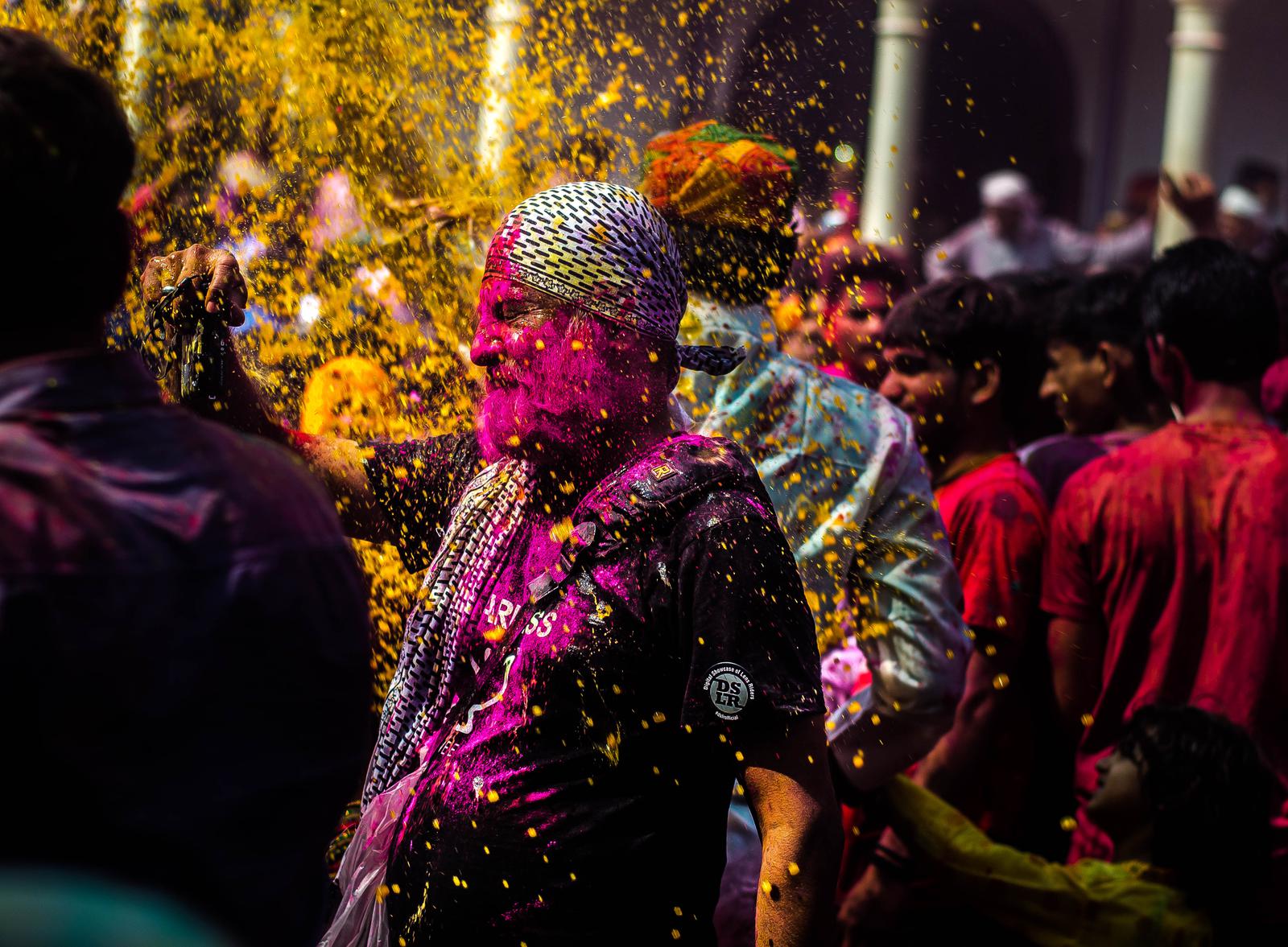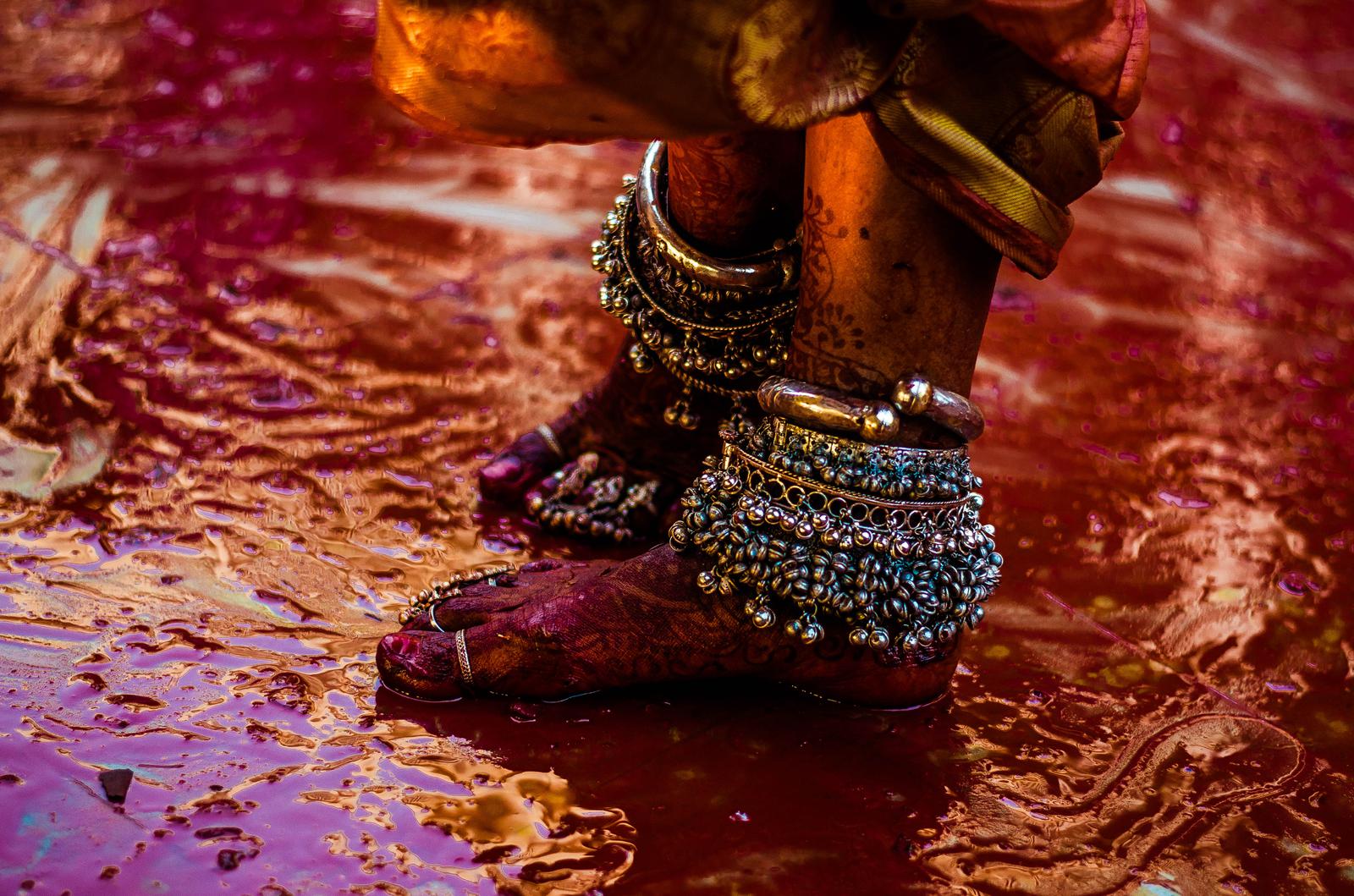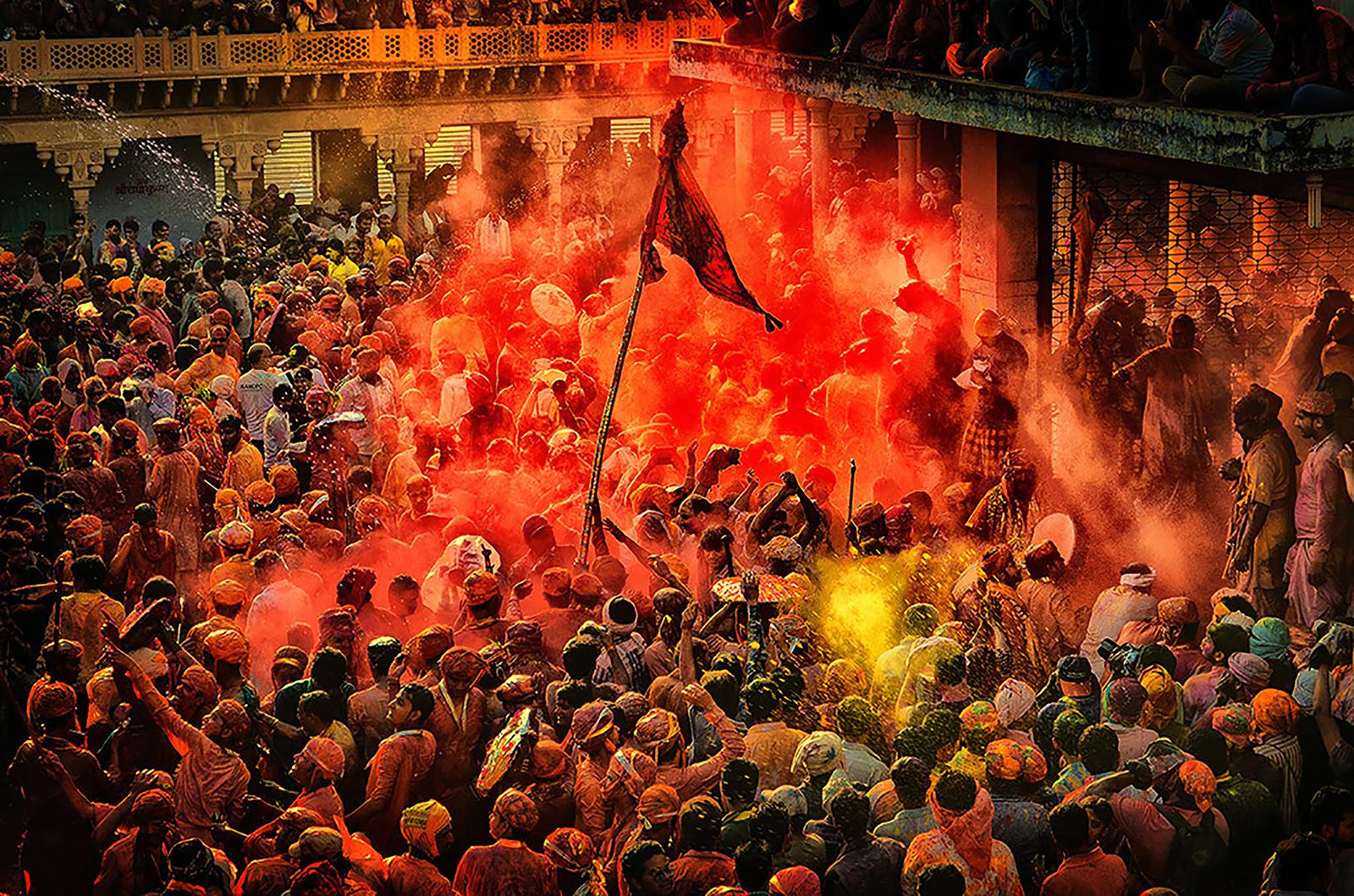

Brij Bhoomi is far more than a point on a map; it is a sprawling cultural landscape where the veil between ancient scripture and modern devotion remains perpetually thin. Stretching across the banks of the Yamuna River, this sacred heartland anchors itself in Uttar Pradesh but spills its spiritual influence into the neighboring plains of Haryana, Rajasthan, and Madhya Pradesh. It is a region where the dust is considered holy, believed to have been trodden upon by the feet of Radha and Krishna, whose stories transform the geography into a living altar. From the birthplace of Mathura to the mystical groves of Vrindavan, the land serves as a permanent stage for the "Krishna Circuit", attracting millions who come not just to see, but to breathe the same air as the divine.
Mathura stands as the eternal capital of the Braj region, a city that feels heavy with the weight of antiquity and the gravity of its divine purpose. As the birthplace of Lord Krishna, it is revered as the "Mokshyadayni Tirth", a title signifying its status as a place so sacred that it is believed to grant liberation from the endless cycle of birth and death. The city’s identity is inextricably linked to the Krishna Janmasthan, a sprawling and majestic temple complex built over the very spot where the Lord was born in a subterranean prison cell under the tyranny of King Kansa. This site serves as a powerful architectural and spiritual reminder of the darkness of that era and the radiant light that emerged to challenge it, drawing millions of devotees who seek to touch the ground of this miraculous beginning.
Beyond its profound theological roots, Mathura is a city of immense historical depth, having served as a strategic and prosperous hub for the Mauryan and Kushan empires. Its prime location along the banks of the Yamuna River fostered a lasting legacy of trade and intellectual exchange, allowing it to become the cradle for the world-renowned Mathura School of Art. This movement produced some of the most iconic and delicate Buddhist and Hindu sculptures in human history, characterized by the use of local red sandstone. To walk through the vibrant streets of Mathura today is to traverse a living bridge that connects the ancient Surasena kingdom to a modern epicenter of devotion. It is a sensory experience like no other, where the ethereal scent of temple incense mingles with the rich, earthy aroma of the world-famous Mathura pedhas, offering a taste of the city's enduring sweetness.
While Mathura represents the majestic and historical facets of the divine, Vrindavan is the city of the soul, a place where the sacred is found not in grand palaces, but in the intimate "van" or forest. Though the ancient, sprawling groves of basil and Kadamba trees have largely transitioned into a vibrant labyrinth of thousands of temples, the town remains the eternal stage for Krishna’s most cherished acts, known as "Leelas". It is here that the celestial sound of the flute once echoed through the trees, creating a spiritual magnetism that later drew revered saints like Chaitanya Mahaprabhu and Swami Haridas to rediscover the hidden sites of Krishna’s youth. This mystical heritage continues to breathe life into the town, preserving the essence of a divine playground where every corner tells a story of love and devotion.
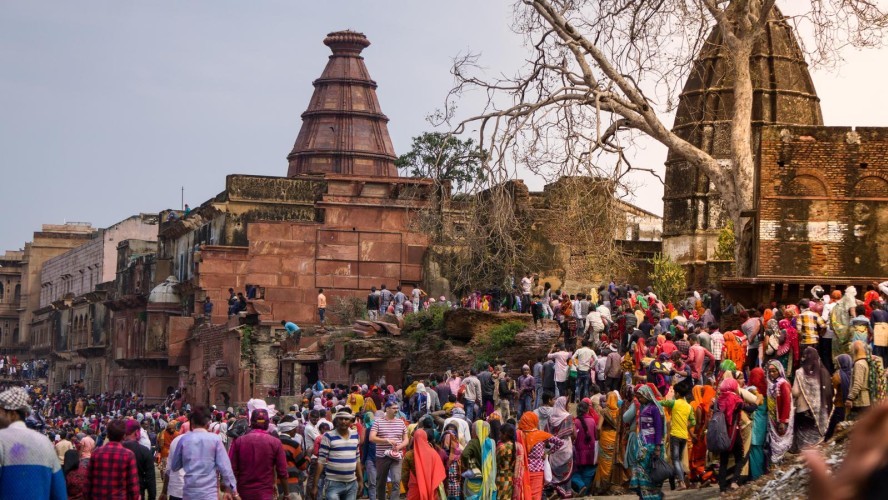
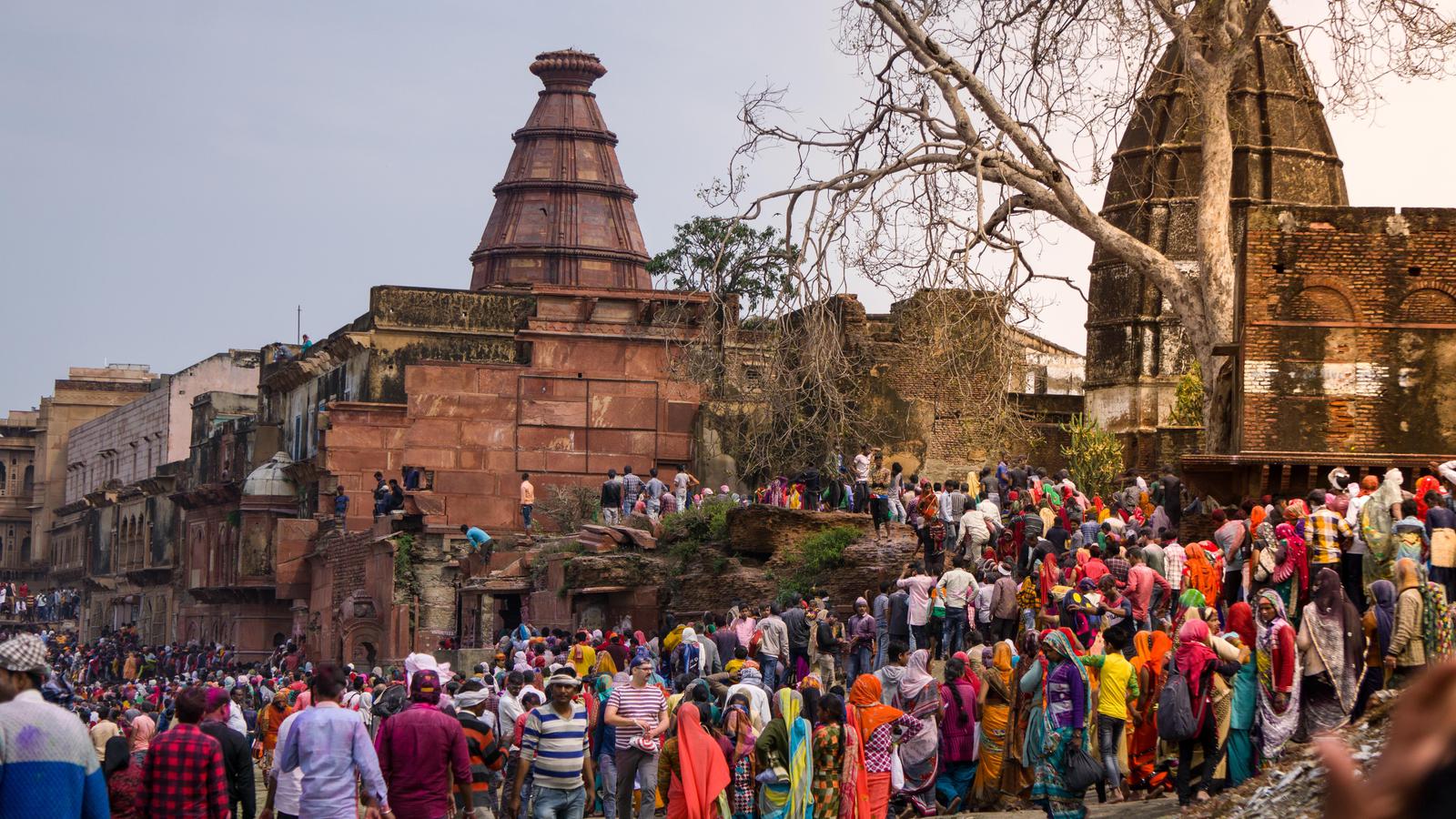
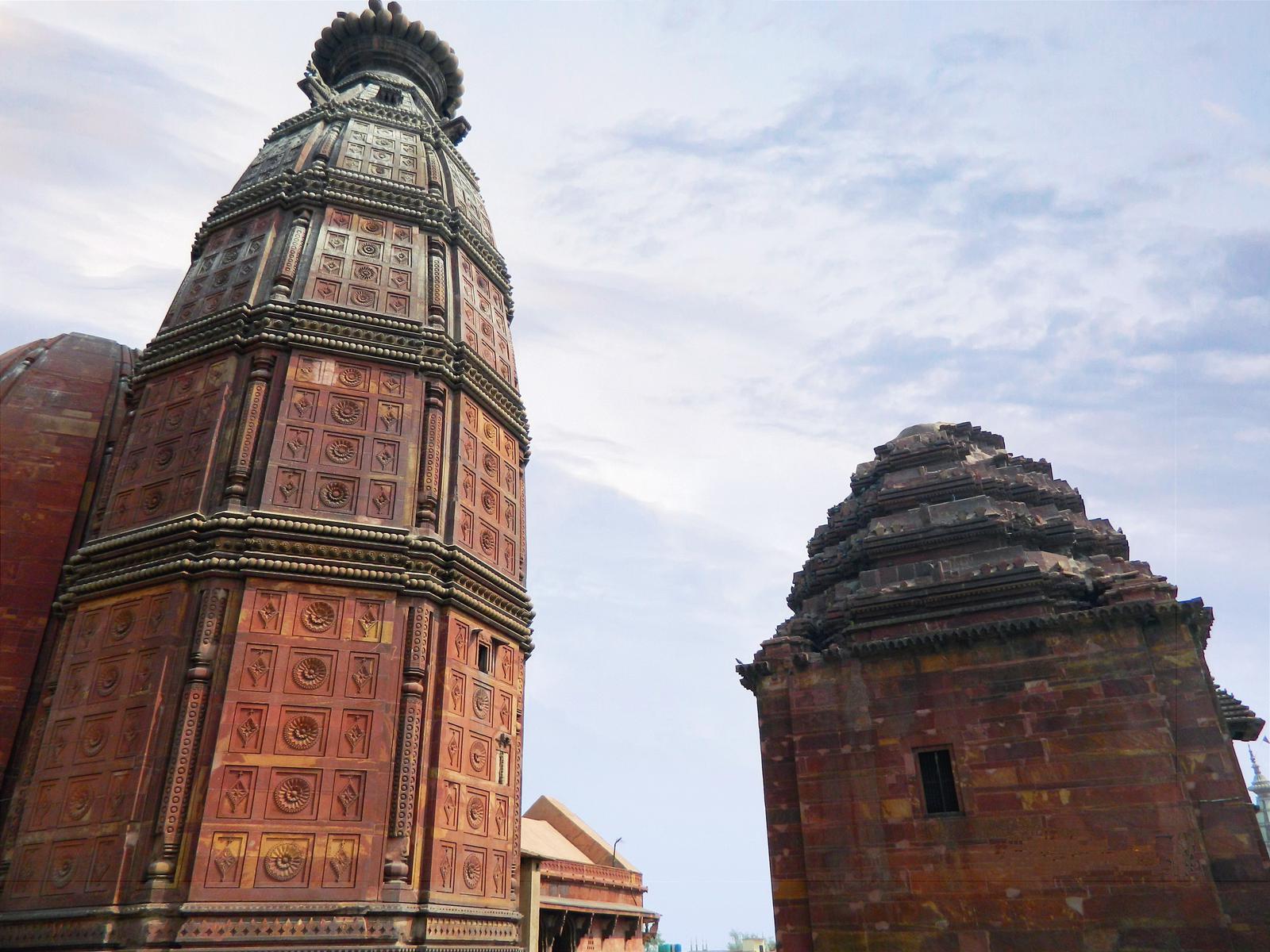
The lifeblood of Vrindavan is found in its "Prachin Mandirs", or ancient temples, such as the towering red sandstone Govindadeva Temple and the historic Madan Mohanji Temple, which sits regally atop a hill overlooking the Yamuna River. These structures are far more than mere architectural feats; they are living vessels of the Bhakti movement, where the soul-stirring poetry of Meerabai and Surdas is still recited with the same fervor as it was centuries ago.
The town operates on a unique spiritual rhythm that culminates every evening in a sensory explosion of sound and light. As the temple bells begin their rhythmic clamor for the evening Aarti, the crowded, chaotic streets are transformed into a singular space of total surrender. In this moment, the distractions of the modern world are silenced by an overwhelming sense of peace and spiritual unity, allowing the "Krishna within" to finally be heard.
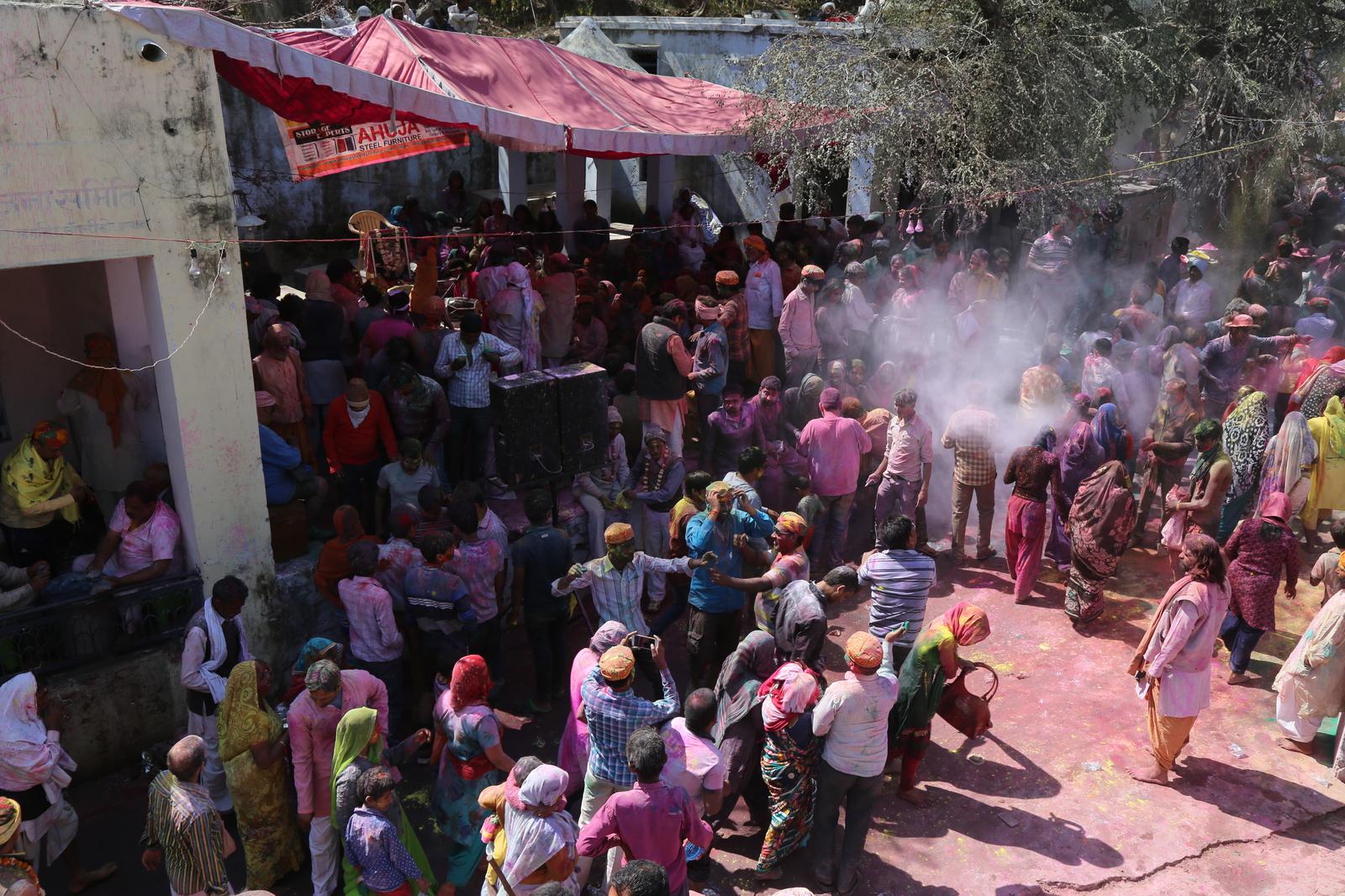
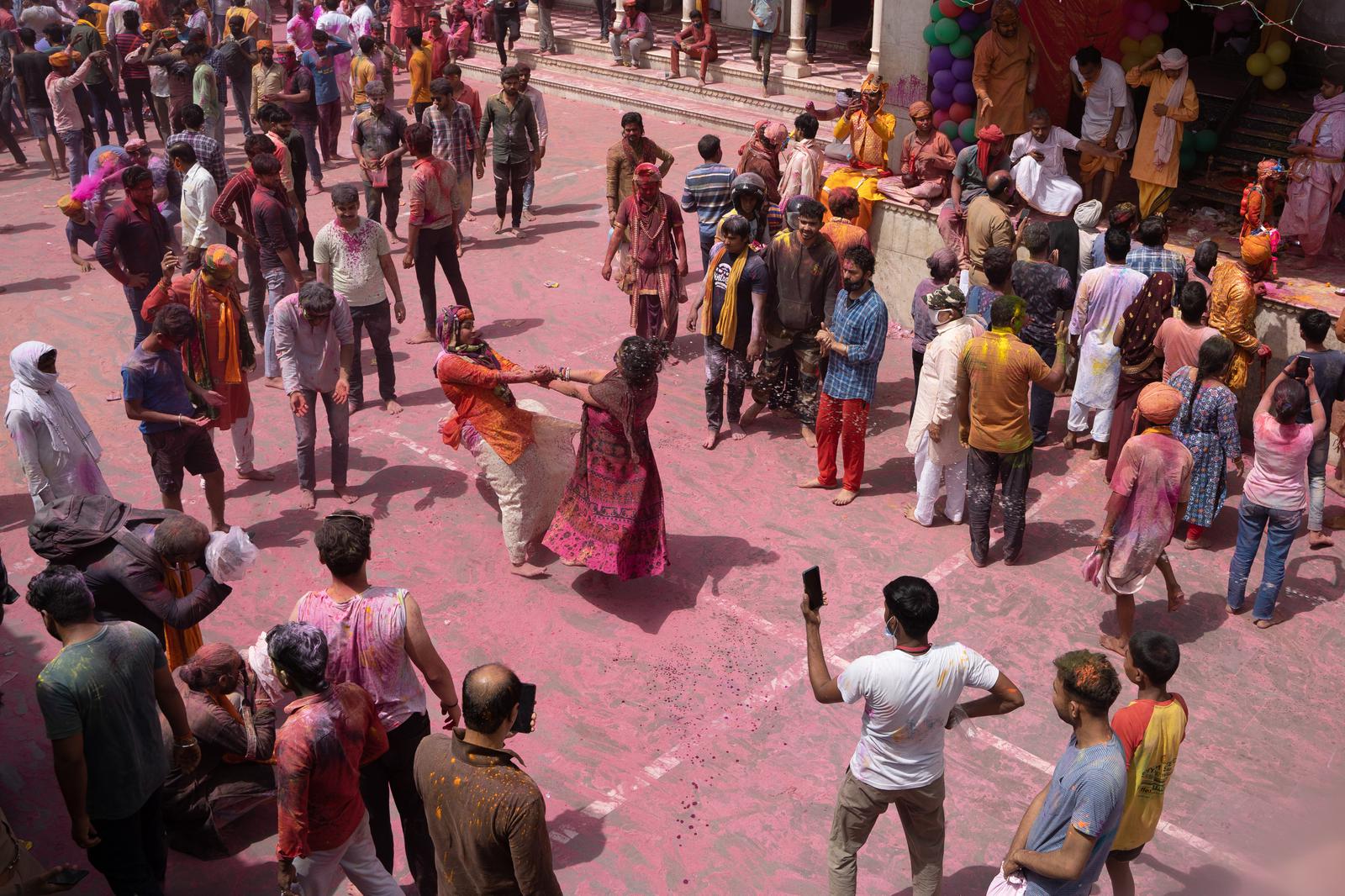
The relationship between Mathura and Vrindavan is one of perfect spiritual symmetry, moving from the birth of the savior to the life of the lover. In Mathura, the devotee encounters the "Janma" or birth, a moment of profound significance that establishes the presence of God on earth. In Vrindavan, the seeker experiences the "Rasa", the essence of divine emotion and the playful interaction between the creator and the created. This journey is physically mirrored by the flow of the Yamuna River, which connects the ancient stone ghats of Mathura to the serene, turtle-inhabited banks of Vrindavan. Whether one is contemplating the historical ruins of the Kushan era in a Mathura museum or participating in the vibrant, circular dance of the Ras Leela in a Vrindavan courtyard, the experience is two sides of the same coin. Together, these towns create a sanctuary where history and myth are indistinguishable, ensuring that the legacy of Brij Bhoomi remains as vibrant and impactful today as it was five thousand years ago.
The map of Brij Bhoomi expands outward to follow the milestones of Krishna’s youth. In Gokul, one finds the sanctuary where the infant was whisked away for safekeeping by his foster parents, Nanda and Yashoda. The hills of Barsana and Nandgaon echo with the laughter of Radha and the cowherd boys, while the waters of Radhakund and Mahavan whisper of ancient miracles. Perhaps most impactful is the ridge of Goverdhan, where Krishna is said to have lifted the mountain on his finger to protect the villagers from the wrath of Indra. This act of protection transformed the hill into a site of eternal pilgrimage, where devotees still perform the thirty-five-kilometer walk of faith. Even the Yamuna River itself carries a message of environmental harmony; local lore suggests that Krishna’s victory over the serpent Kaliya was a metaphor for the first environmental restoration, purging the waters of toxic pollution to protect the life they sustained.