

Perched atop a quiet hill in Madhya Pradesh, the Great Stupa of Sanchi does more than dominate the horizon; it silences the soul. While many monuments are built to celebrate the ego of a conqueror, Sanchi was crafted to dismantle it. It stands as a "sermon in stone," a physical manifestation of a journey from the chaos of war to the profound stillness of enlightenment.
The King and the Catalyst: A History of Transformation
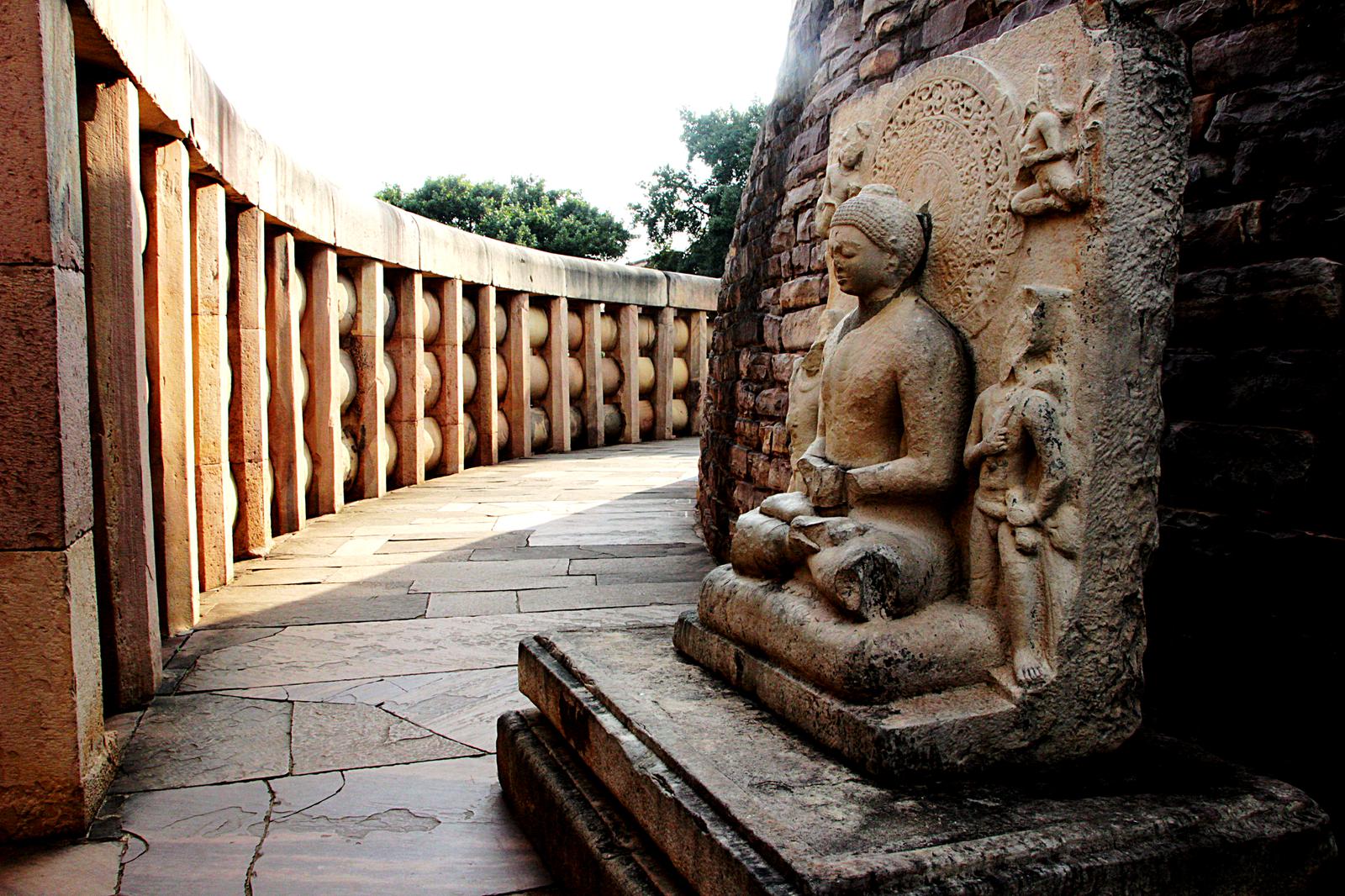
The story of Sanchi is inseparable from the legacy of Emperor Ashoka. After the bloody conquest of Kalinga, Ashoka sat amidst the carnage and realized that true power is not found in seizing land, but in conquering the self. He renounced violence and embraced the teachings of the Buddha, commissioning the Great Stupa in the 3rd century BCE as a spiritual laboratory. This site became a place where the jagged edges of a warrior’s past were smoothed into the rounded, peaceful dome of the Dharma.
Deciphering the Design: A Map for Mindful Living
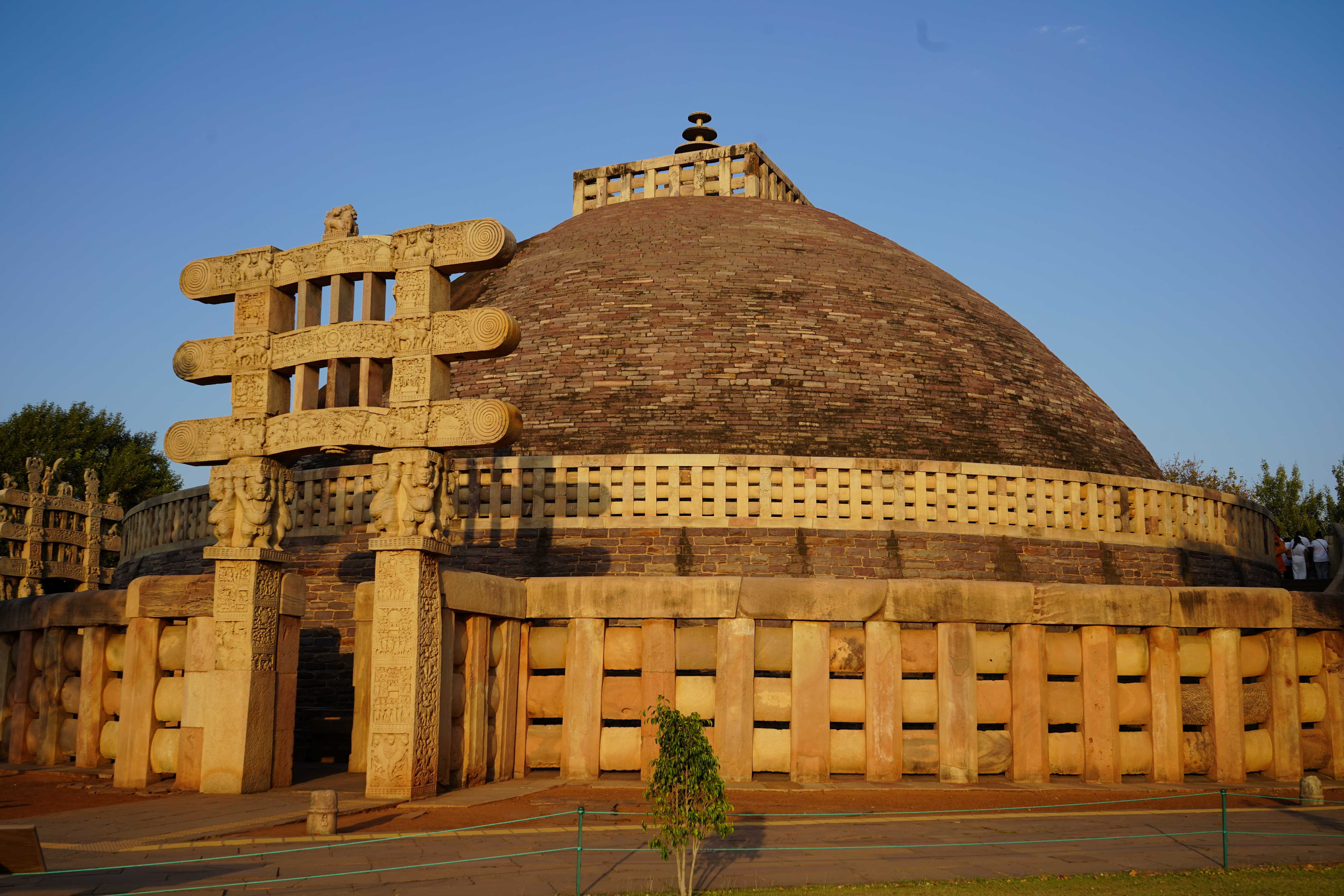
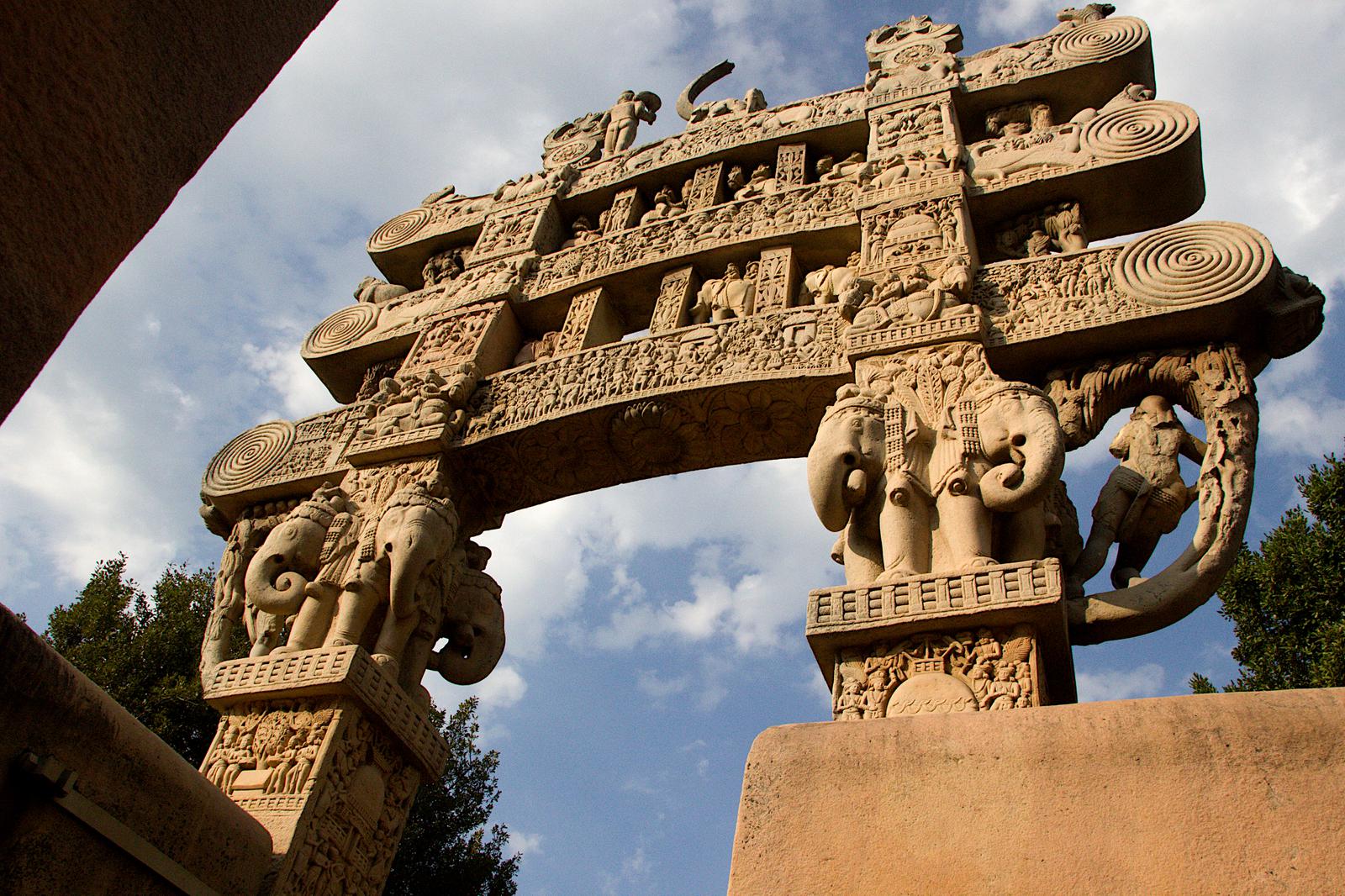
Every curve and carving at Sanchi serves as a manual for spiritual growth, with the architecture designed to guide the viewer through the core tenets of Buddhism. The massive hemispherical dome, known as the Anda, represents the cosmic egg and the cycle of life, urging us to transcend the ego to find wholeness. Above it, the square railing or Harmika marks the transition to a higher state of consciousness, topped by a three-tiered umbrella that honors the Buddha, his teachings, and the community. Perhaps most striking are the four intricate gateways, or Toranas, which tell the Buddha’s story entirely through symbols like footprints and empty thrones. This deliberate choice reminds us that the wisdom of the teachings should always take precedence over the personality of the teacher.
Beyond the Stones: The Spirit of the Town
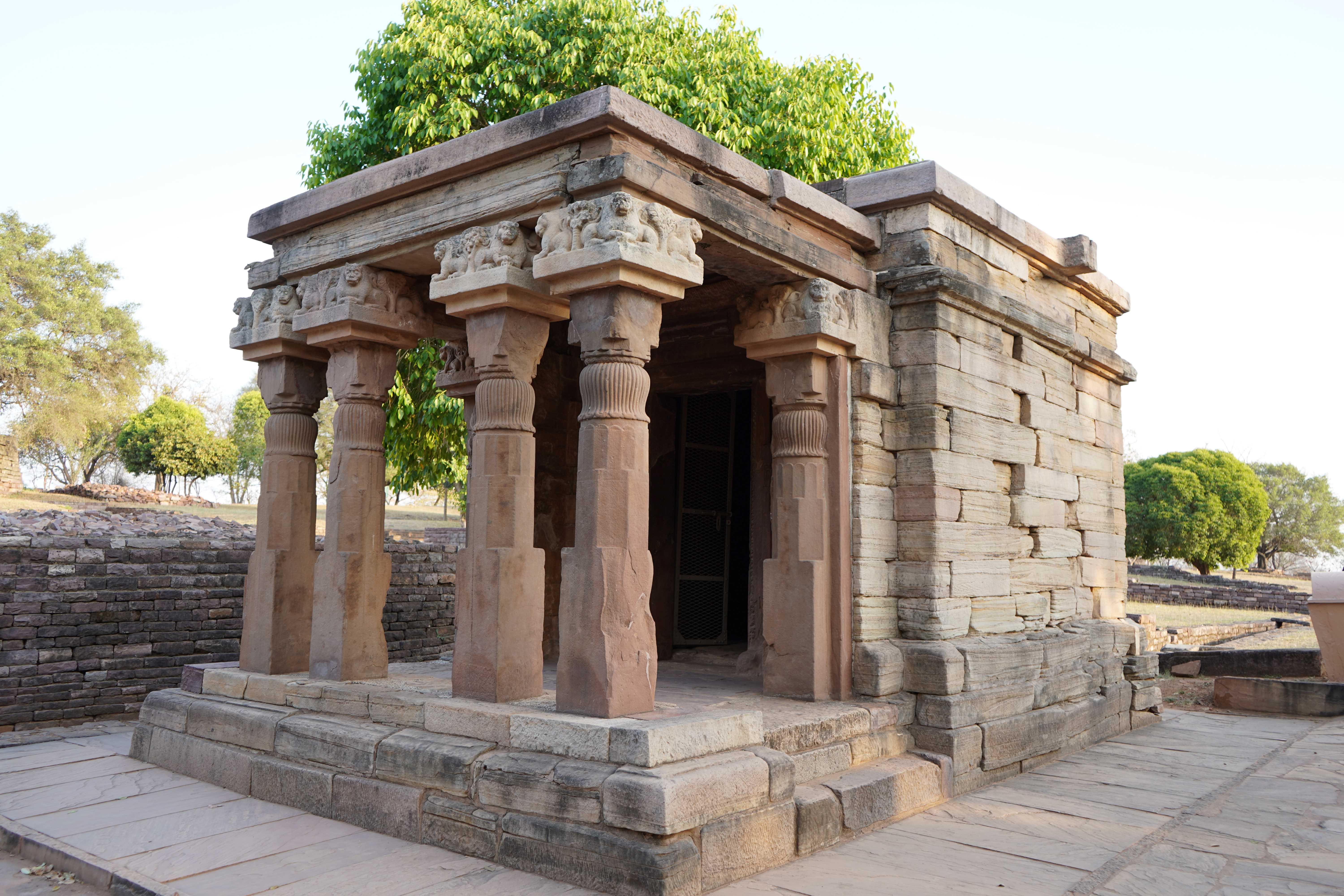
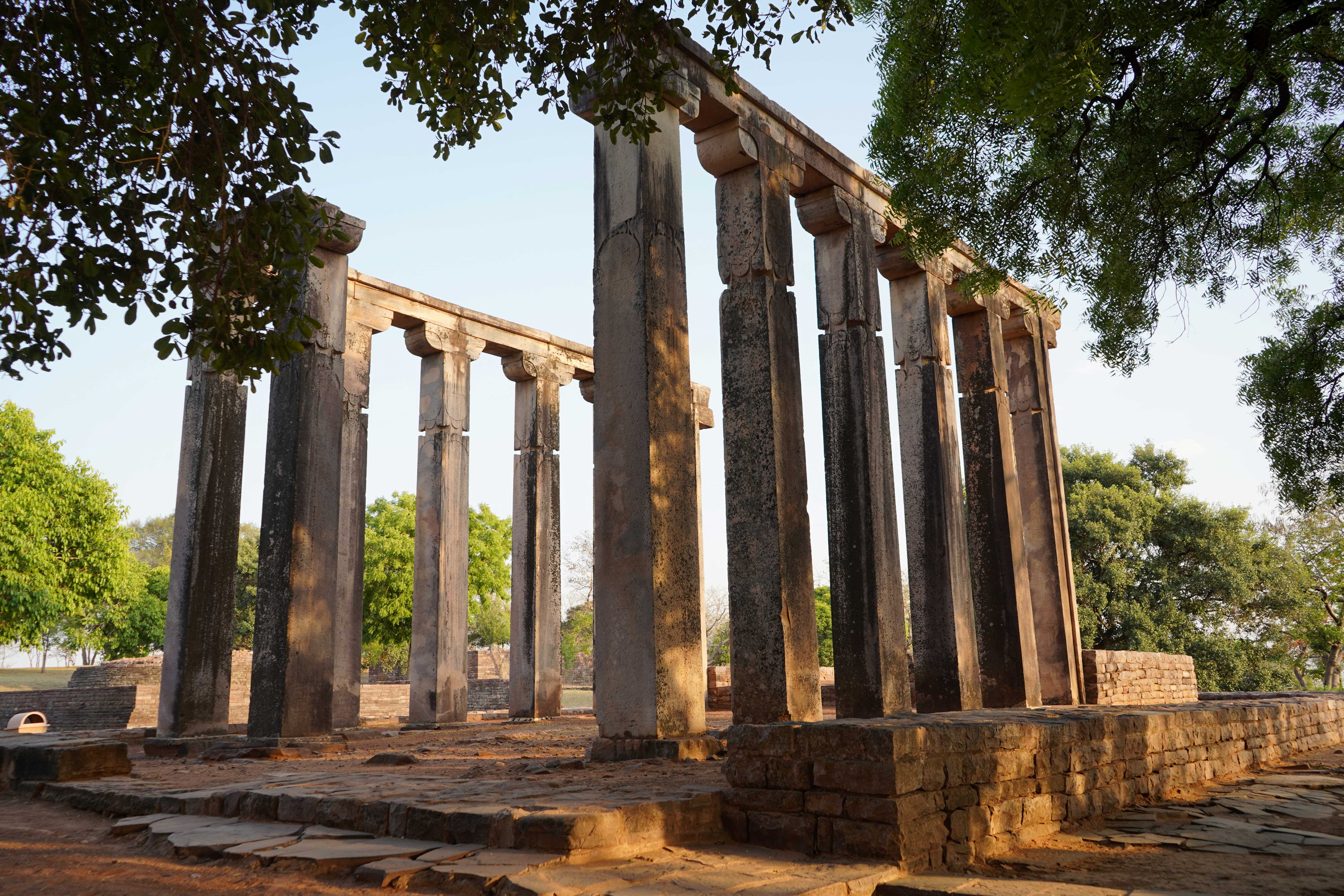
Sanchi holds secrets that distinguish it from almost any other world heritage site. Unlike the many ancient wonders funded exclusively by royal treasuries, historical inscriptions reveal that Sanchi was a true people’s monument. It was built through the collective contributions of ivory workers, artisans, and merchants from across India. This spirit of community is anchored by the nearby fragments of the Ashoka Pillar, which once carried an imperial warning against division. Despite being swallowed by the jungle and forgotten for centuries after the decline of Buddhism, its accidental rediscovery in 1818 preserved a level of detail that remains unparalleled today.
The Takeaway: Finding Your Own Sanchi
The enduring lesson of Sanchi is that change is always possible. If a conqueror responsible for the devastation of war could transform into a champion of peace, then the potential for harmony exists within all of us. By practicing mindful presence and seeking internal mastery over external validation, we honor the legacy of this ancient hill. Sanchi remains a powerful, silent reminder that the greatest victory is never won on a battlefield, but within the quiet chambers of the heart.
Comments