

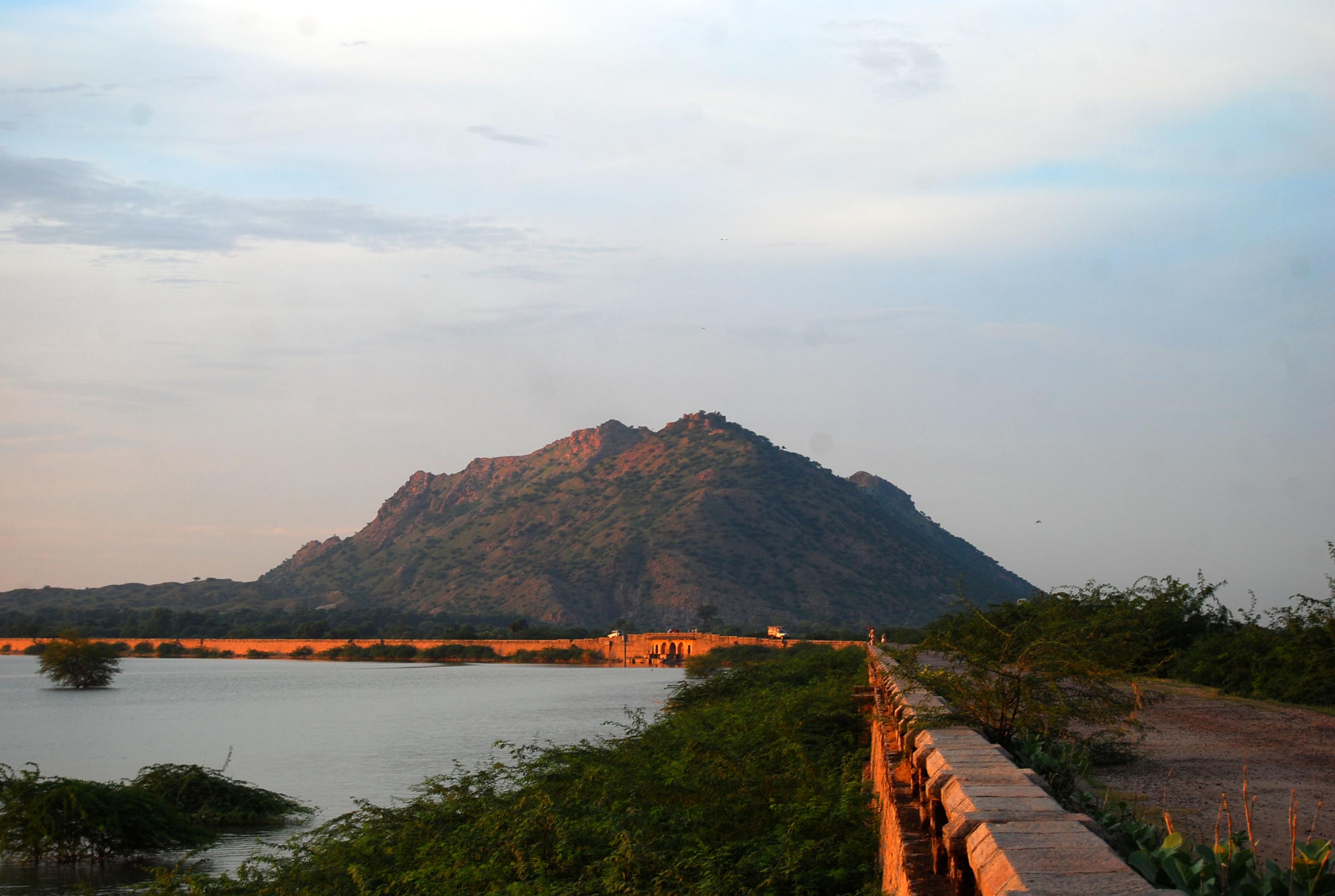
Rajasthan is world-renowned for its "Pink," "Blue," and "Golden" cities, but nestled quietly between the well-trodden paths of Jaipur, Pushkar, and Ranthambore lies a region almost entirely obscured from the conventional tourism map. For the discerning traveler seeking the authentic soul of India—away from the curated crowds and souvenir stalls—it is time to redirect the compass toward the Tordi, Toda Raisingh, and Bisalpur loop. This is Tonk, a land where Aravalli peaks, shifting dunes, and 16th-century chivalry remain perfectly preserved in a landscape of surprising diversity.
Garh Tordi: A Living Legacy at the Foothills
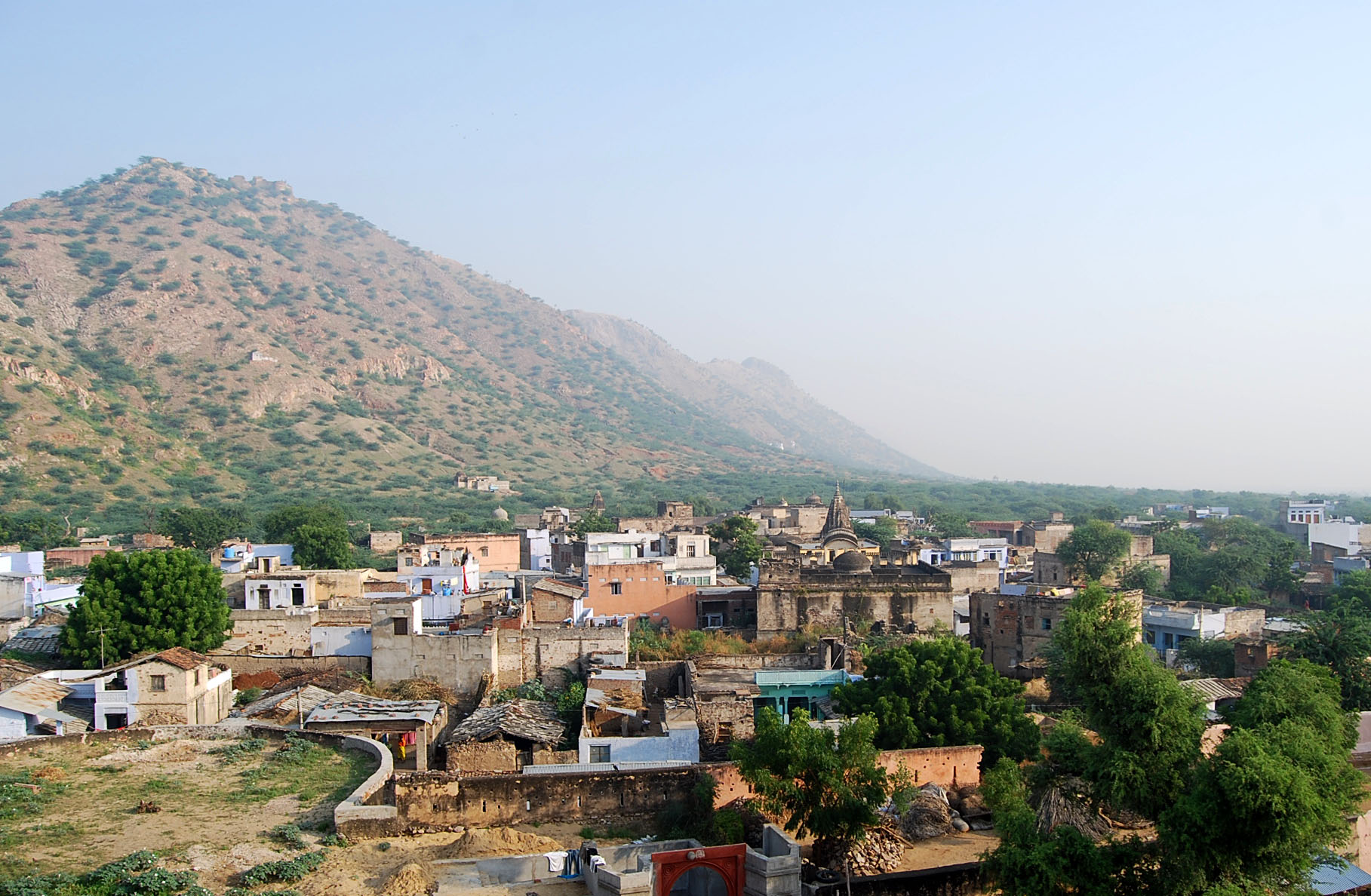
Your journey begins in Tordi, a village that feels like a living museum blissfully ignored by the rush of modern life. The horizon here is dominated by the impressive Tordi Fort, perched like a silent sentinel atop a rugged hill, while the Tordi Palace sits gracefully at the foothills in the heart of the village. Established in the 16th century by Thakur Akhey Singhji of the Khangarot clan, the Garh has now opened its heavy wooden gates to those willing to relive the glory of a bygone age. Guests are invited to experience the legendary hospitality of a Rajput chieftain within a village that remains untouched by the hustle and bustle of the city.
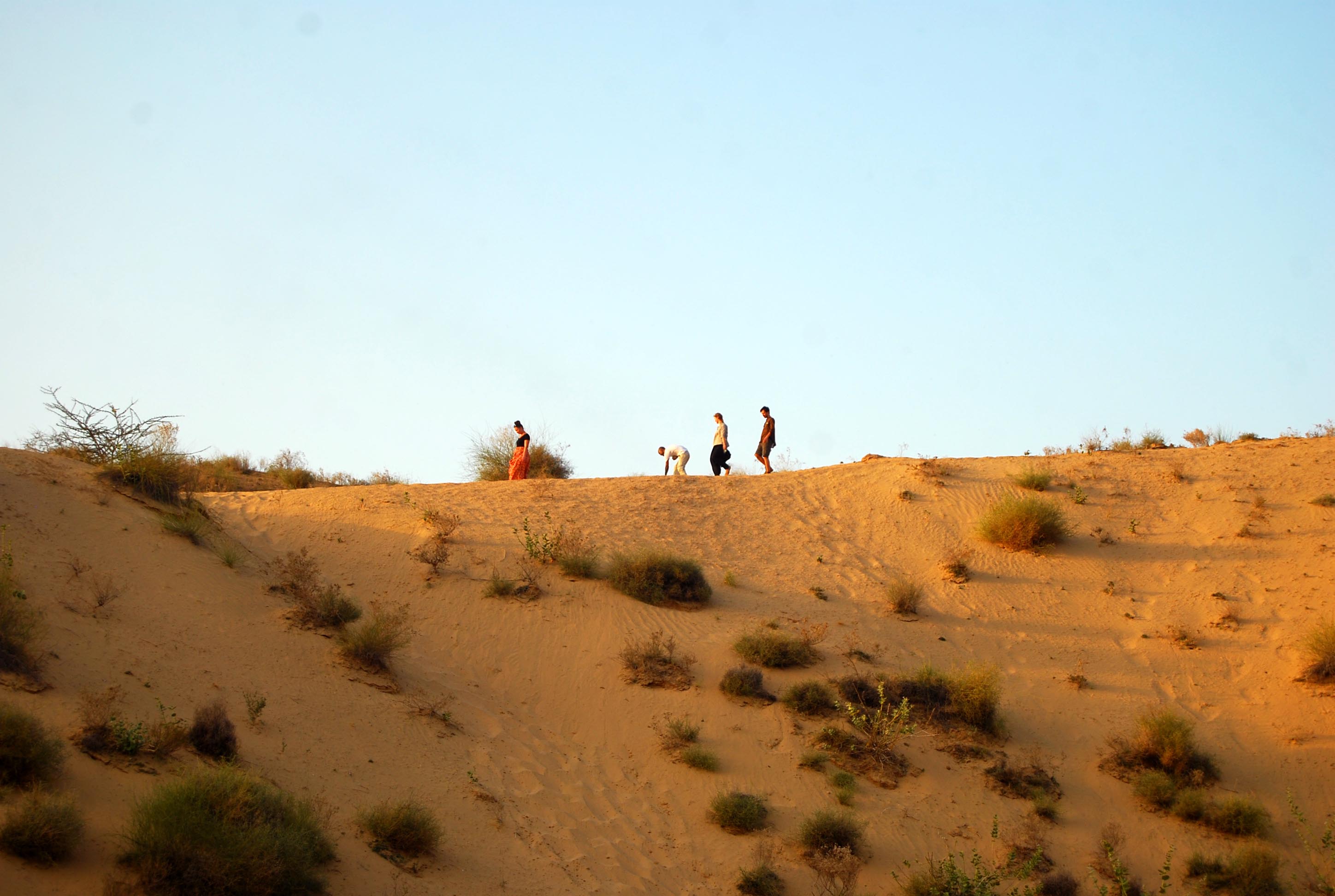
The geography around Tordi is a rare anomaly in the desert state. Within a short radius, the landscape shifts from a long stretch of golden sand dunes to the magnificent Tordi Sagar Dam, an engineering marvel from the late 19th century. Commissioned around 1887, this expansive water reservoir covers an area of nearly twenty-five square kilometers and stands as a testament to traditional water management that has sustained the local ecology for generations. The dam offers a breathtaking vista where the rugged Aravalli hills dip into the serene, mirror-like waters, creating a sanctuary for a vibrant array of migratory birds. The sight of the sun setting over the seasonal canals and the vast expanse of the reservoir provides a moment of profound tranquility, blending historical utility with a raw, natural grace that defines the spirit of the region.
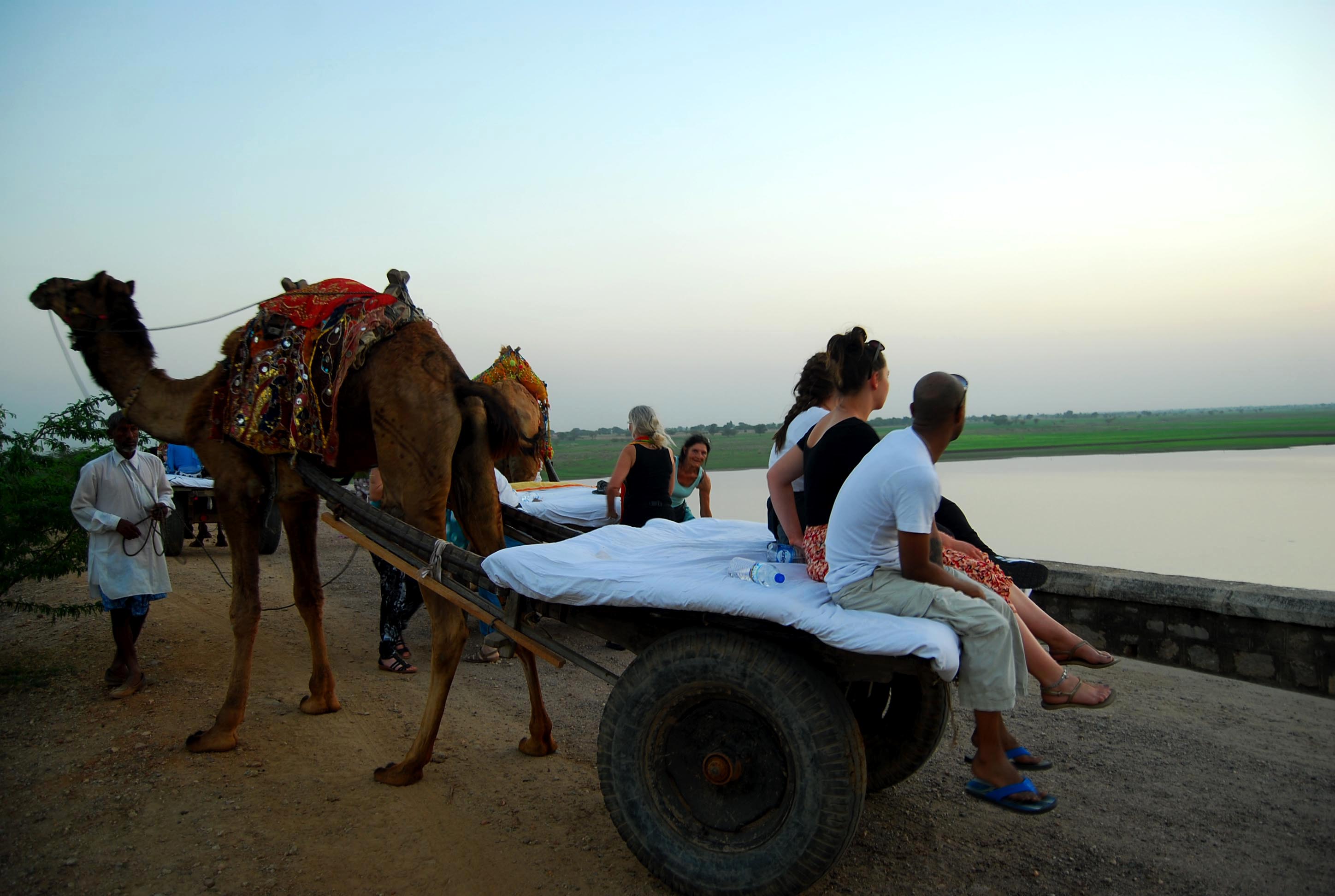
The Aravalli range provides a dramatic backdrop to a countryside filled with seasonal rivers, ancient canals, and lush green farms where local communities live with a sense of timelessness that has endured for centuries. The rustic countryside around Tordi provides a unique opportunity for visitors to appreciate and understand the Rajasthani culture and way of life in its most authentic form.
The Architectural Grandeur of Toda Raisingh
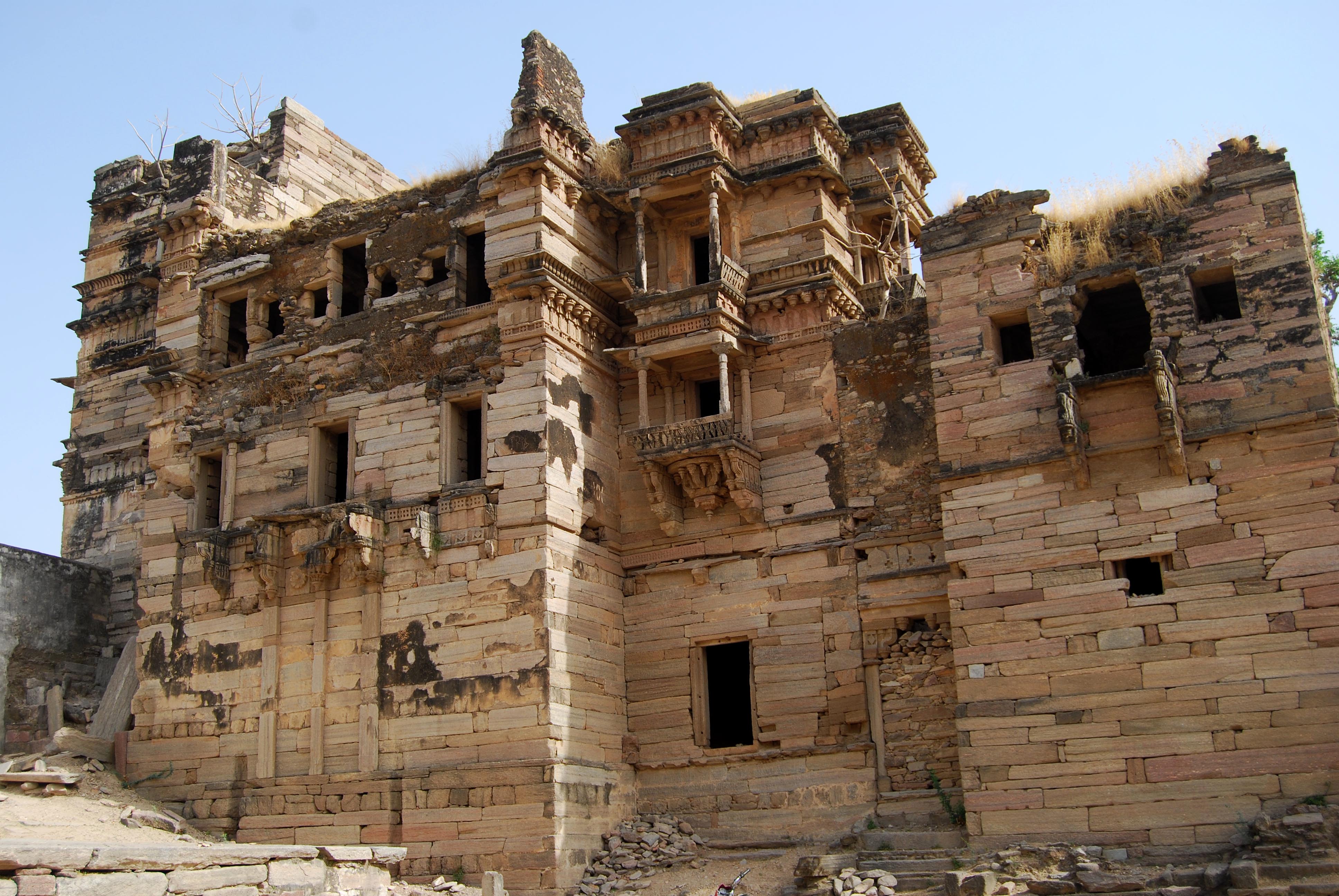
Continuing south, the road leads to the picturesque town of Toda Raisingh, a place of immense archaeological weight surrounded by pristine wilderness. Known in antiquity by names like Takshakpur and Ishtikapur, this town was founded by the Nagas in the 4th century and later served as the capital for Solanki Rajputs. Its current name honors Rai Singh Sisodia, a famous Mughal Mansoobdar during the reign of Shahjahan.
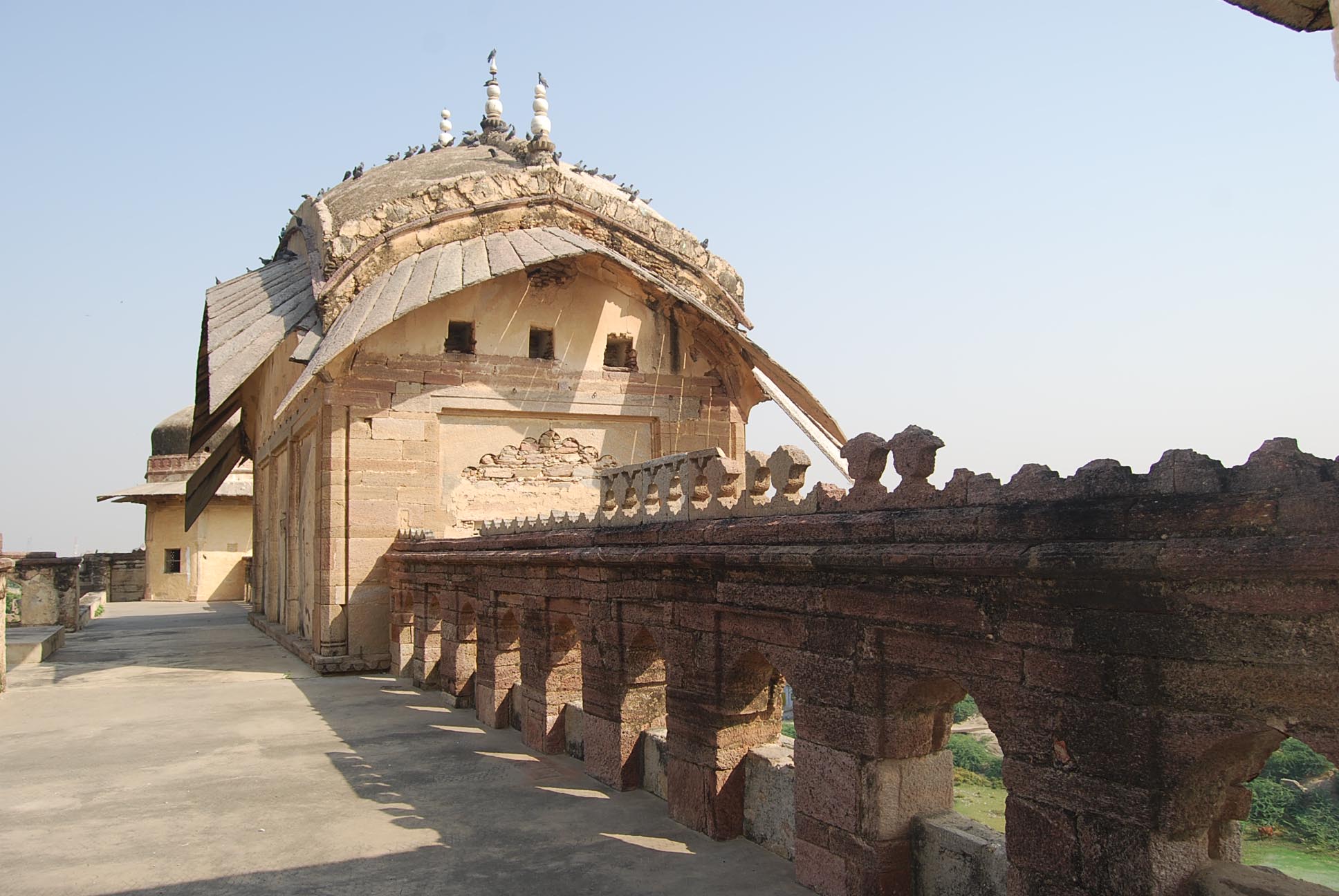
The town is a treasure trove for those who appreciate historical depth and architectural precision, famously home to a staggering 365 stepwells, symbolizing a different source of water for every day of the year. The most iconic among these is the Hadi Rani Ki Baori, a multi-storied marvel of geometric symmetry and Rajput design. Adding to this subterranean tapestry is a stepwell commissioned by the Mughal Emperor Akbar, reflecting the grand imperial influence on the region’s landscape.
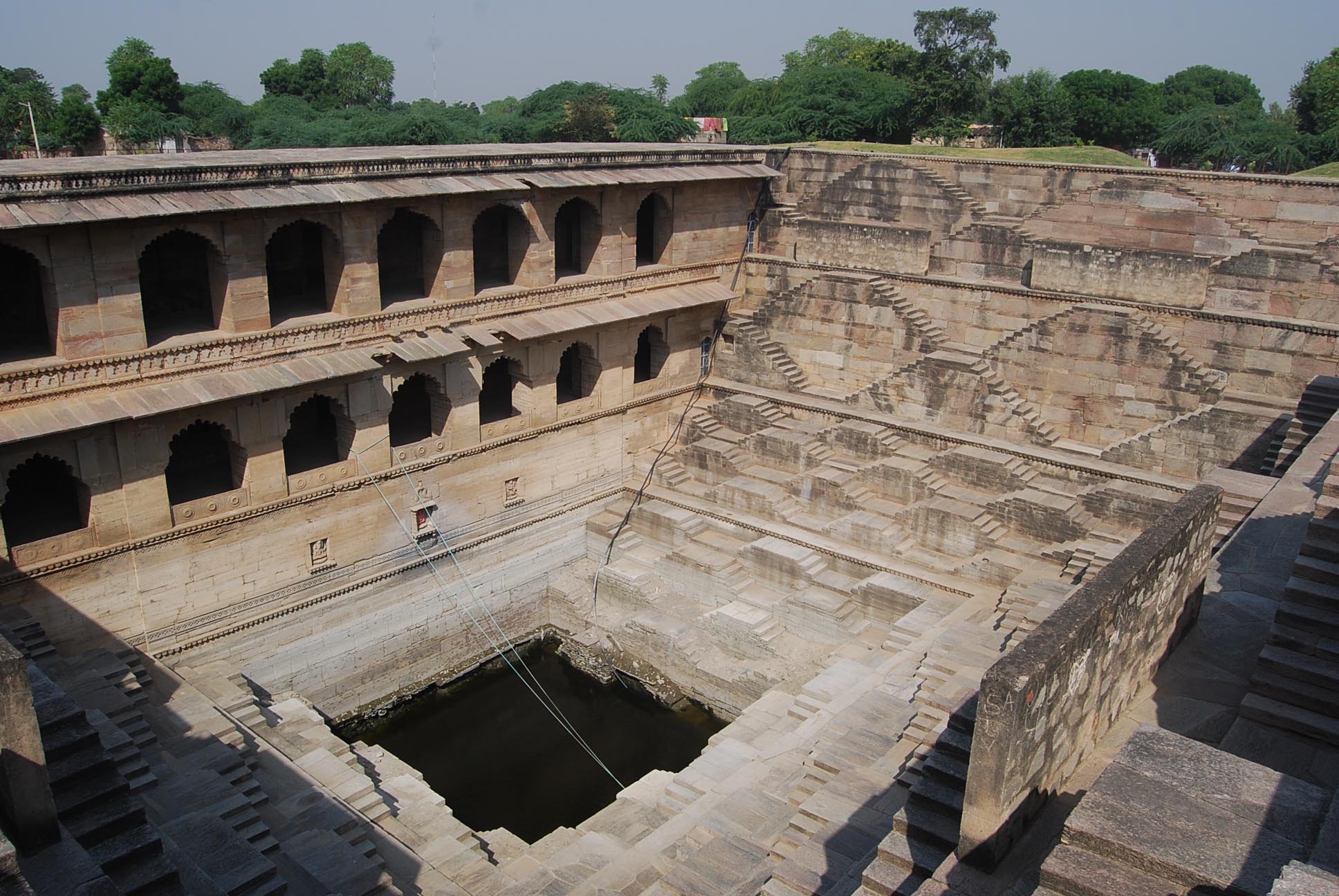
Perhaps the most intriguing is the Chor Baori, which legend suggests was built by a fugitive, its hidden depths and secretive history adding a layer of folk mystery to the town's masonry. Together with the Isar and Bhopat stepwells, these structures form an unparalleled heritage of water architecture.
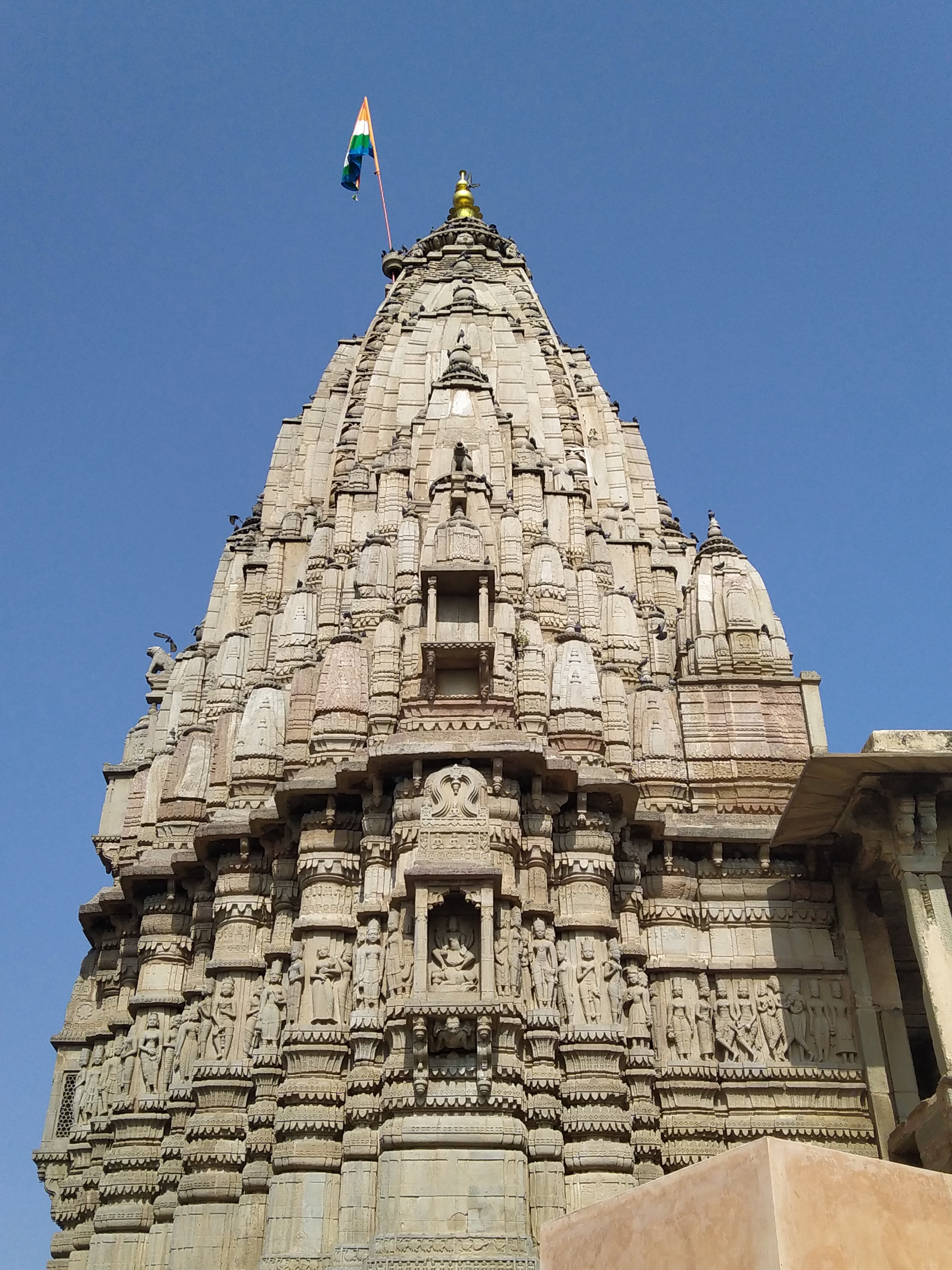
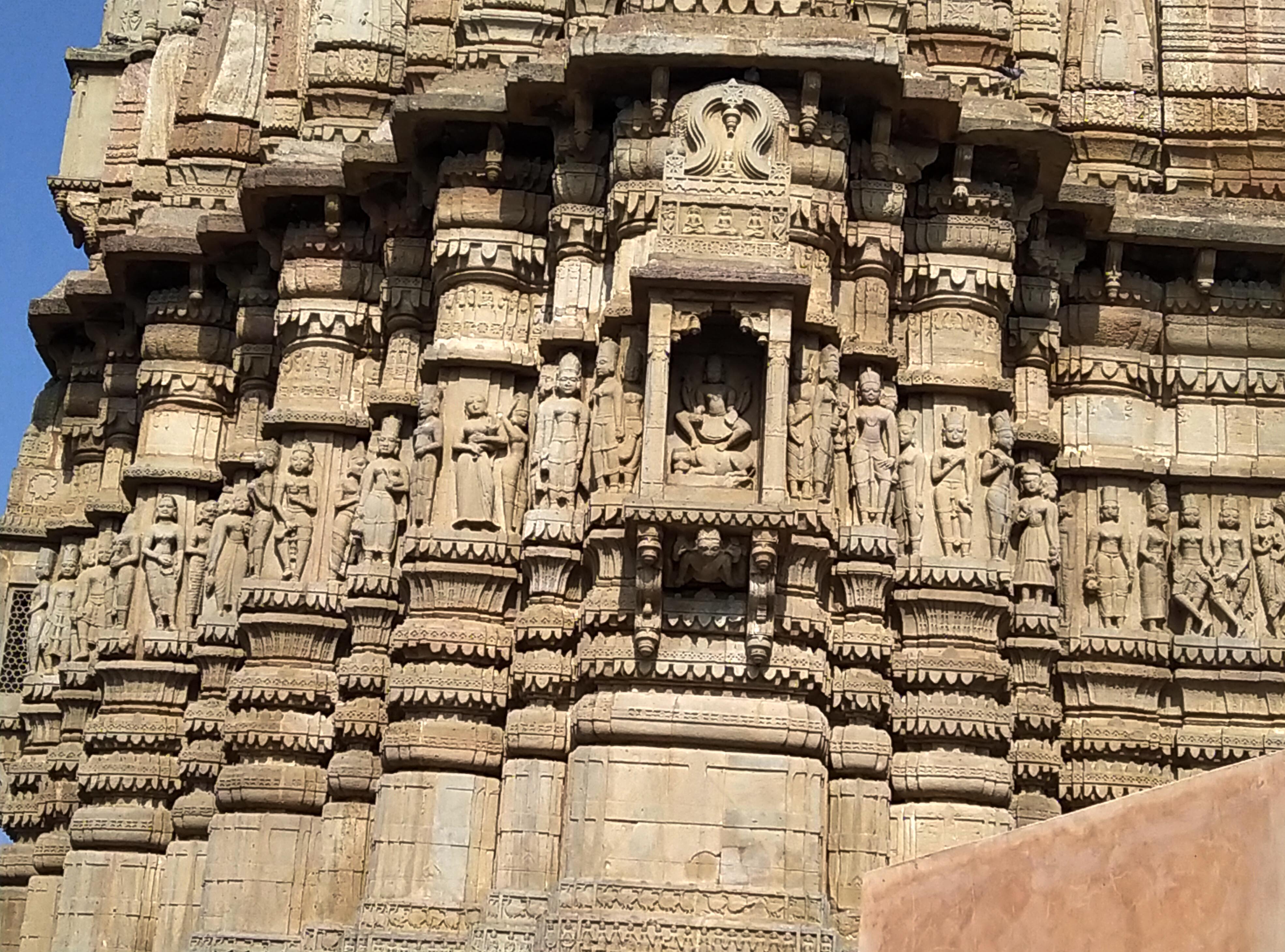
Beyond the water architecture, the town is home to the majestic Raja Rai Singh’s Mahal and a collection of beautiful temples dedicated to Kalyanji and Gopinathji. Ancient inscriptions even suggest that Toda Raisingh was once a thriving center of Jainism, adding a layer of spiritual heritage to its rugged beauty.
A Sanctuary of Nature and Spirit
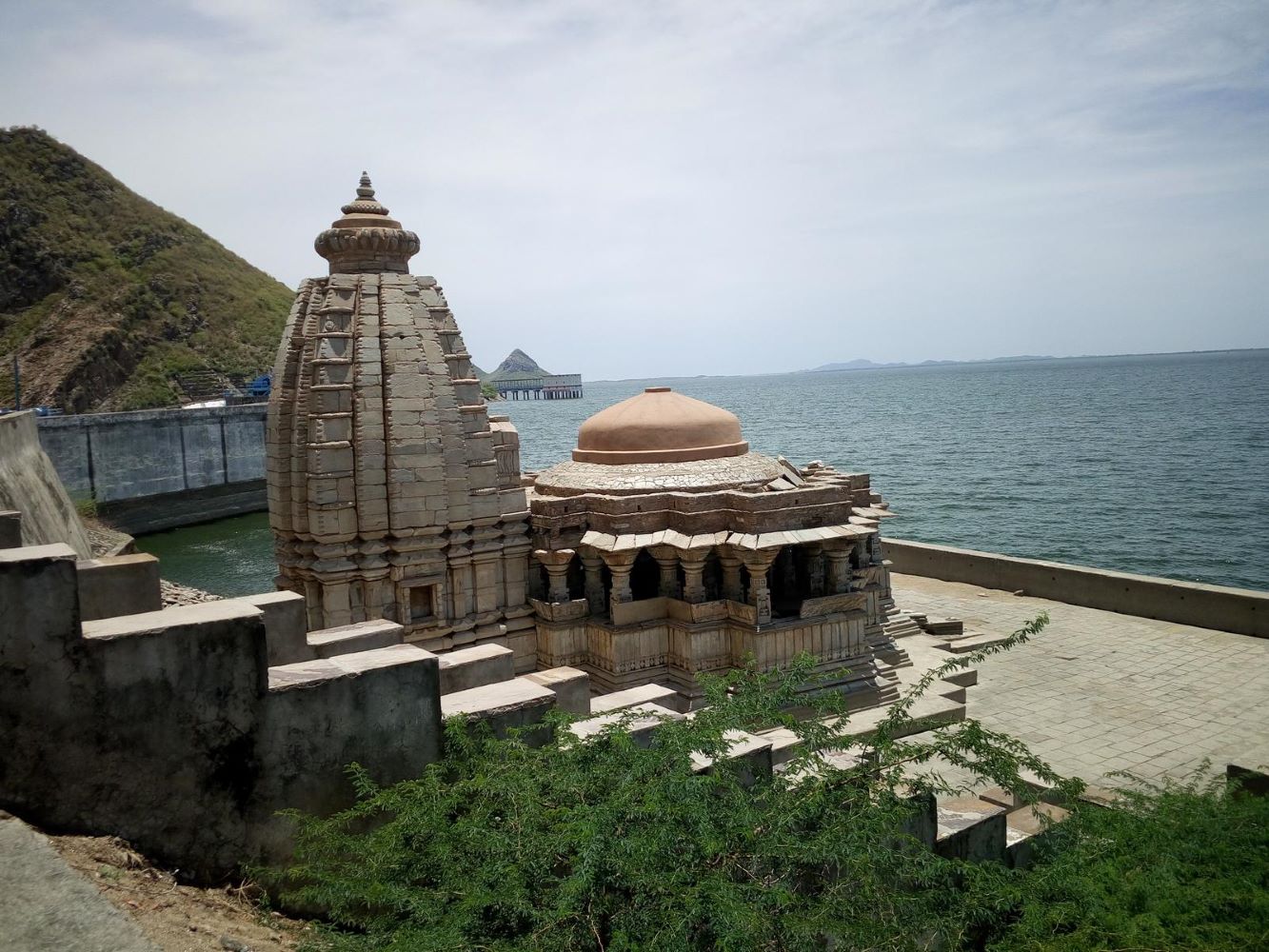
The journey reaches its natural and spiritual crescendo where the Banas River converges with the high Aravalli peaks, creating a landscape defined by both massive engineering and ancient reverence. The Bisalpur Dam, an imposing earth-fill structure, has transformed the region into a sprawling aquatic sanctuary. Its vast reservoir, stretching across the horizon, offers a breathtaking vista where the rugged mountains appear to dip directly into mirror-like waters. This expanse has become a vital habitat for a vibrant array of migratory birds, making it a serene destination for those who find beauty in the quiet interplay of water and wilderness. Nearby, the 12th-century Bisaldeo Temple stands as a stone witness to this beauty; dedicated to Lord Shiva and featuring a grand hemispherical dome, it remains a focal point of sacred grace amidst the modern scale of the dam.
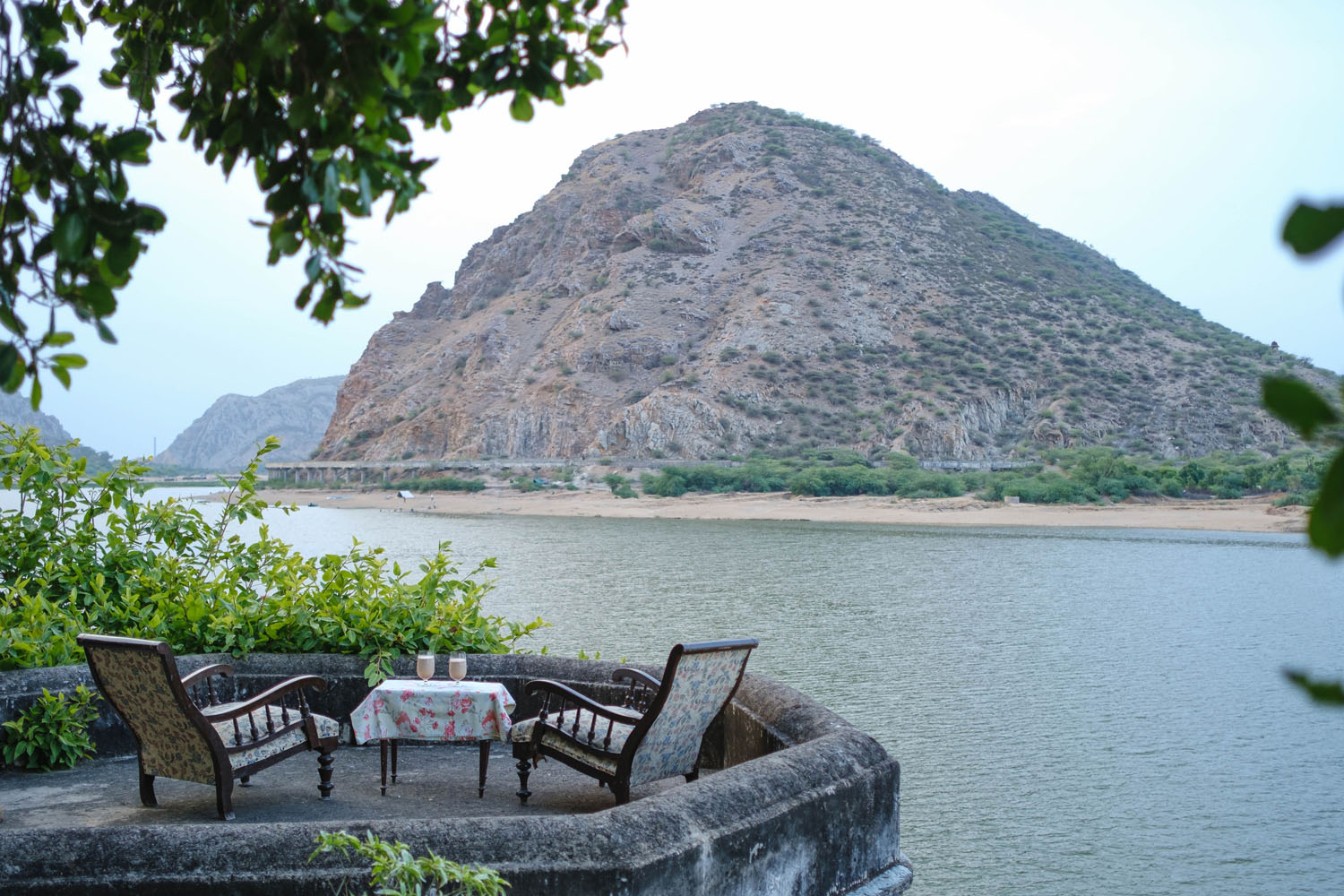
Just before the Banas River meets the Bisalpur reservoir, it flows past the historic Rajmahal Palace, located near Duni. This "fairy tale" destination was originally built approximately 350 years ago by Rai Singh Sisodia, the great-grandson of Maharana Pratap, who chose this specific bend in the river for its unparalleled scenic grandeur. The palace stands on a precipice overlooking the perennial Banas, surrounded by the emerald folds of the Aravalli hills. In 1798, the site came under the Maharaja of Jaipur, who later bestowed it upon the Rao of Duni, whose family added the upper storeys in the 19th century. Today, the palace remains an evocative retreat where travelers can watch the sunrise over the river from the terrace or take traditional boat rides accompanied by local musicians.
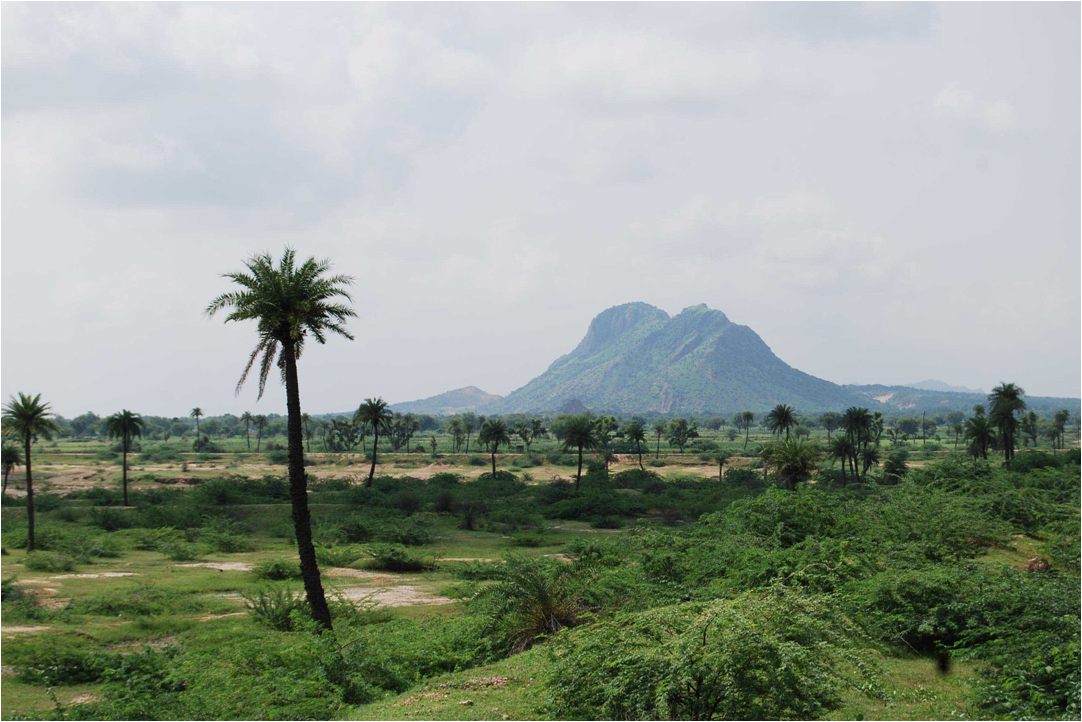
The confluence of these elements—the historic Rajmahal Palace, the sacred Bisaldeo Temple, and the blue expanse of the Bisalpur Dam—creates a region of "sacred and natural grace." It is one of the few places in Rajasthan where the geography shifts seamlessly from rocky valleys and lush green pastures to expansive wetlands. For the discerning traveler, this final stretch of the loop offers a profound sense of tranquility, providing a unique opportunity to experience the Rajasthan that exists beyond the frame of conventional tourism.
ABHAY SINGH JAIN
17 Apr 2026After reading your blog, I realized that although I’ve visited this area three times, I had never truly seen it this way. Thank you for sharing such a thoughtful and insightful perspective