

As the sun dips below the horizon, casting a fiery glow over the arid Rajasthan landscape, Sambhar Lake emerges not just as a geographical feature, but as a tranquil, haunting masterpiece of nature. Stretching endlessly from the edge of the historic salt town, its dry bed presents a surreal vista where plains of cracked earth and shimmering white crust merge seamlessly into distant purple hills. It is a canvas of sublime beauty, where time seems to hold its breath.
A Landscape of Stoic Beauty
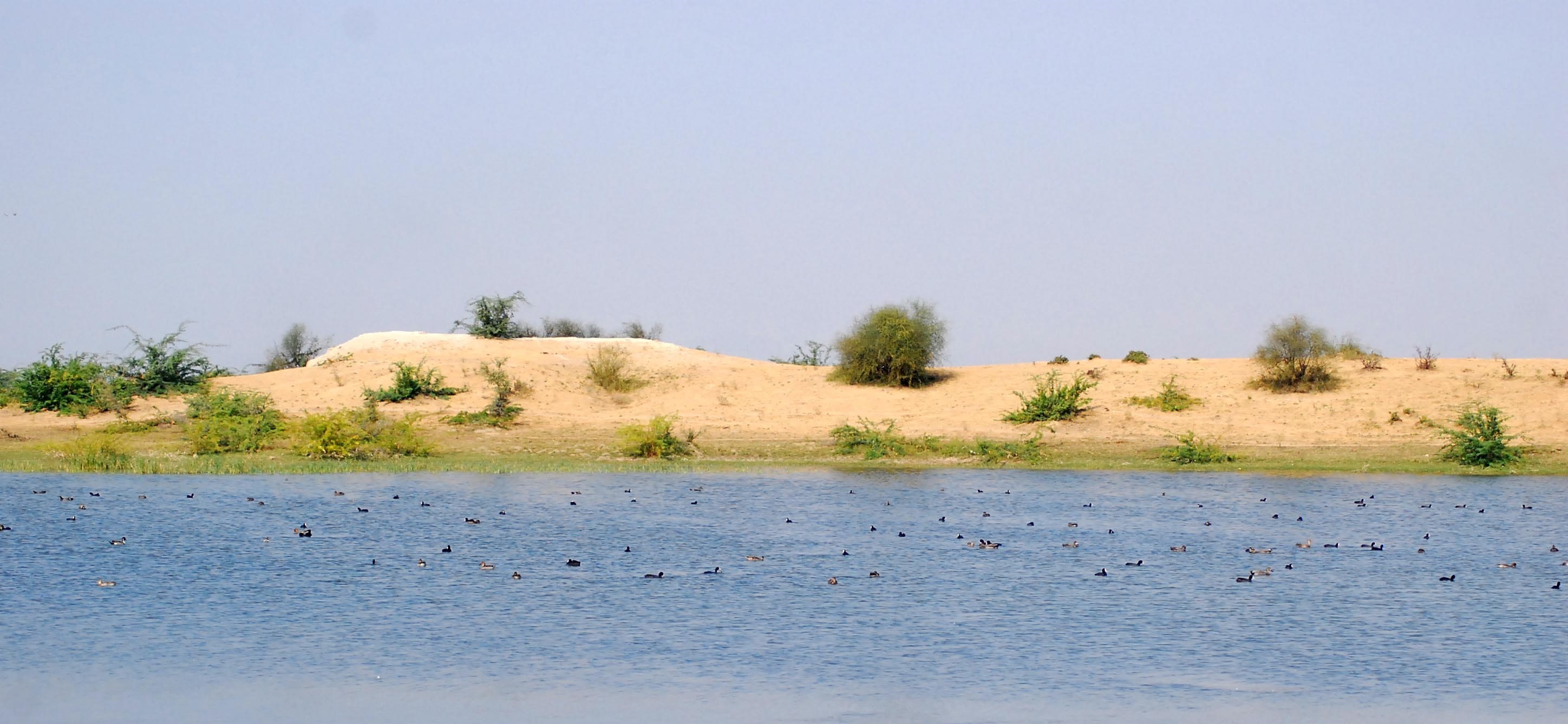
Amidst this vast saline expanse, weather-beaten babul trees stand as stoic sentinels. Their gnarled branches are a testament to an environment that is as harsh as it is beautiful. Where compacted mud yields to loose, wind-swept sand, these trees punctuate the horizon, offering the only fleeting respite and shade in an otherwise relentless sun-drenched plain.
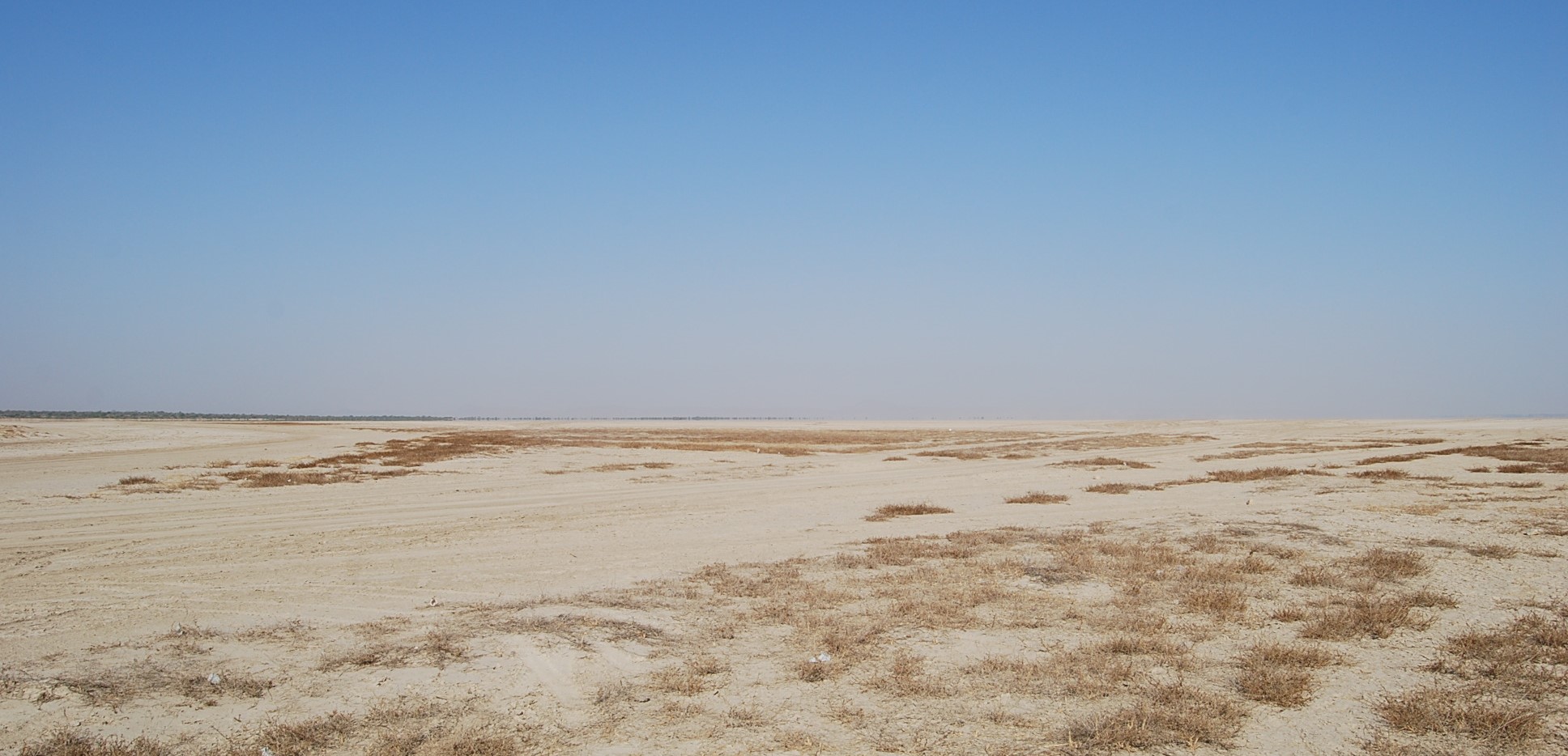
Yet, it is the mounds of salt that truly captivate the senses. In the crimson twilight, they glisten like heaps of raw diamonds. Each crystalline granule reflects the dying light, casting an ethereal glow over the lakebed. In this eerily silent realm, one cannot help but ponder the significance of salt—a humble mineral that has shaped the economies of empires and the destinies of nations.
The Ecological Soul: A Ramsar Site of Global Importance
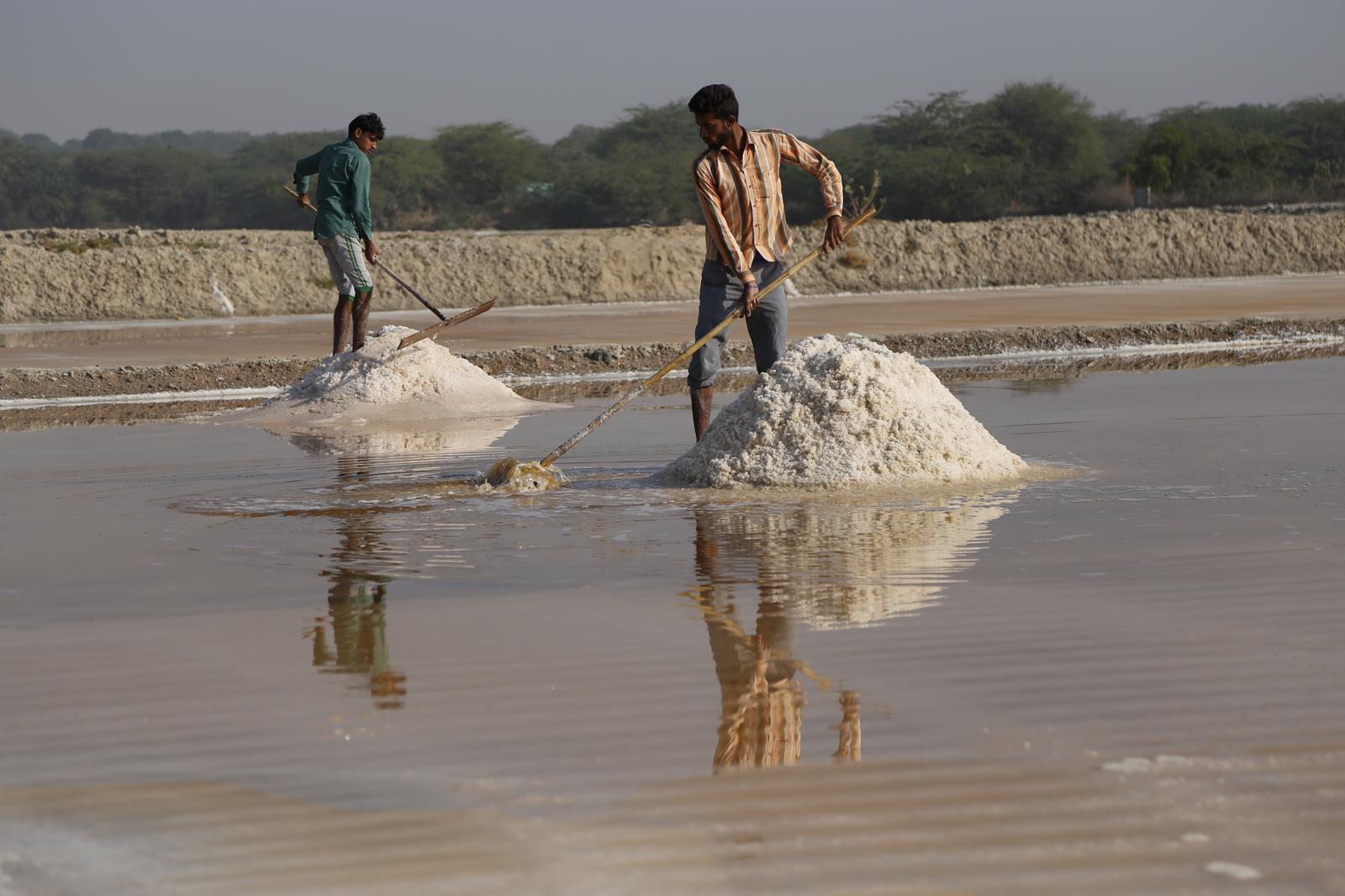
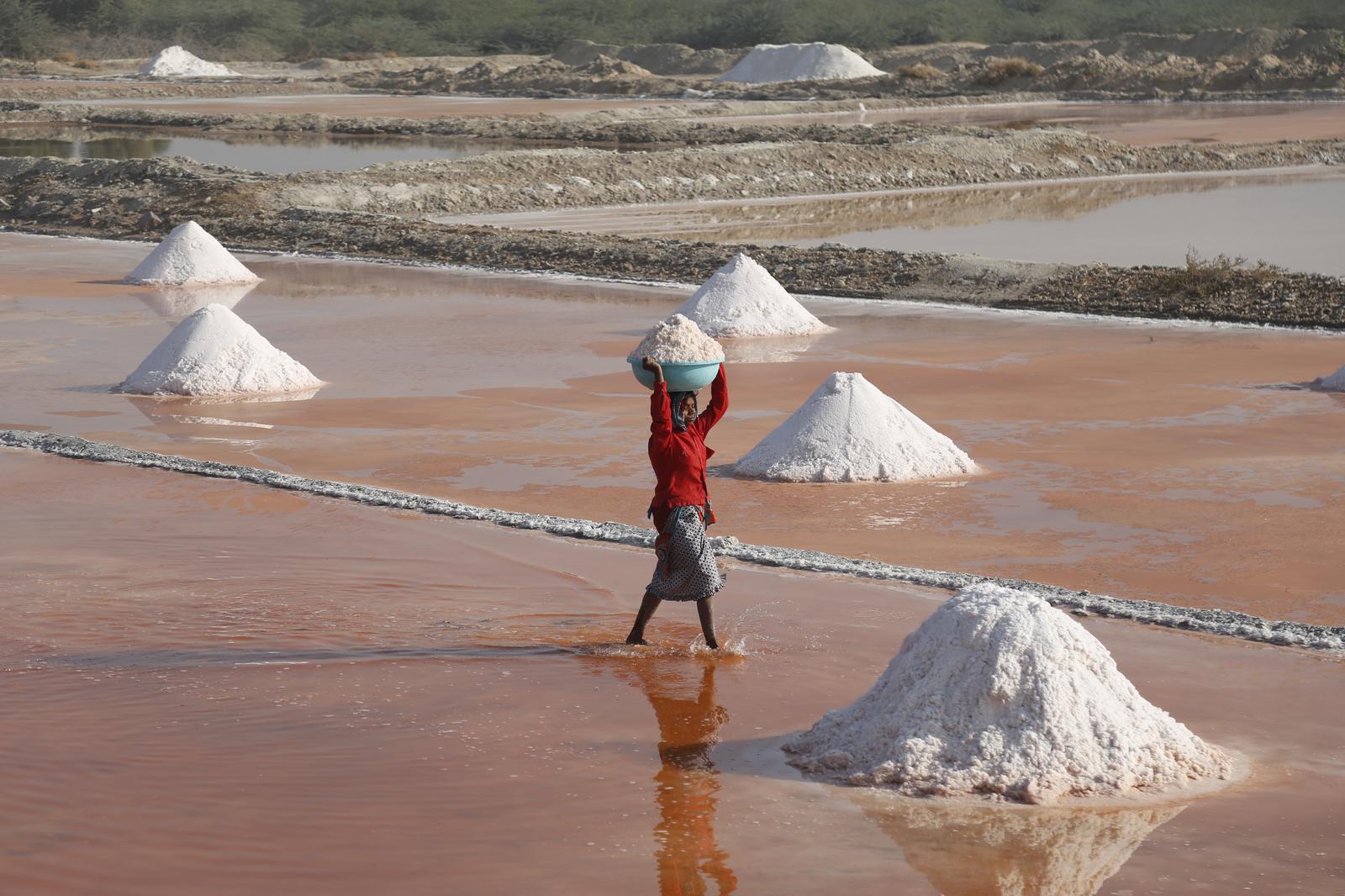
While its industrial output is staggering—yielding roughly 196,000 tons of pristine salt annually and accounting for 9% of India’s total production—Sambhar’s true value lies in its fragile ecology. In 1990, this "shallow land depression" was designated as a Ramsar Site, recognizing it as a wetland of international importance.
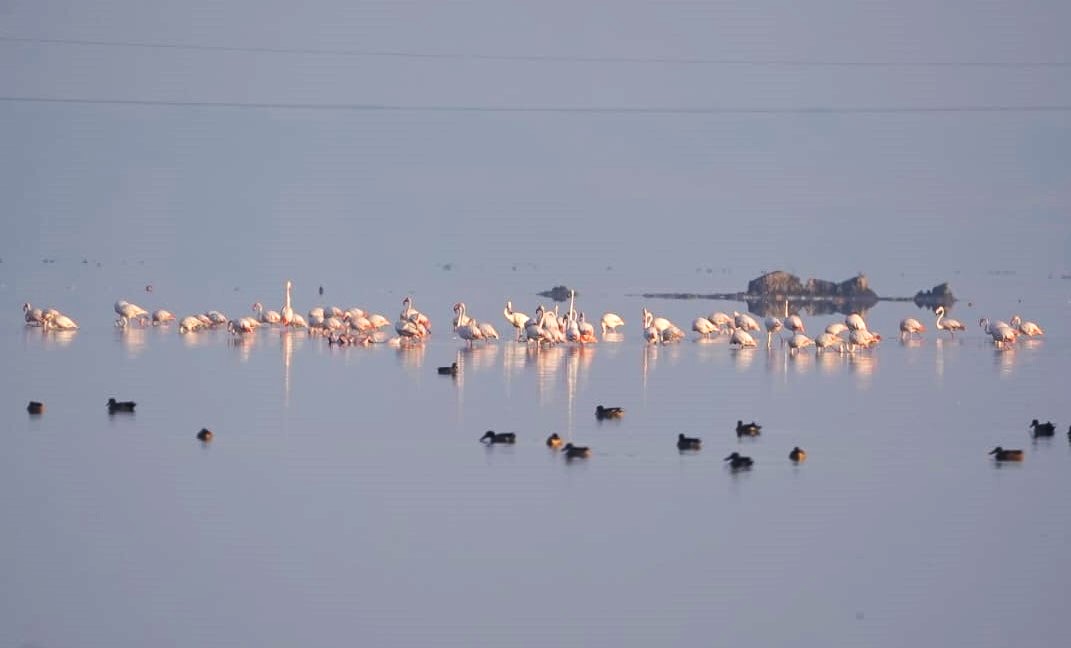
This designation is more than just a title; it is a vital shield for a unique ecosystem. Sambhar is a hypersaline environment, meaning its salt concentration is significantly higher than seawater. This creates a specialized habitat for brine shrimp and algae, which in turn attracts an exodus of feathered wanderers from as far away as Siberia and Northern Asia.
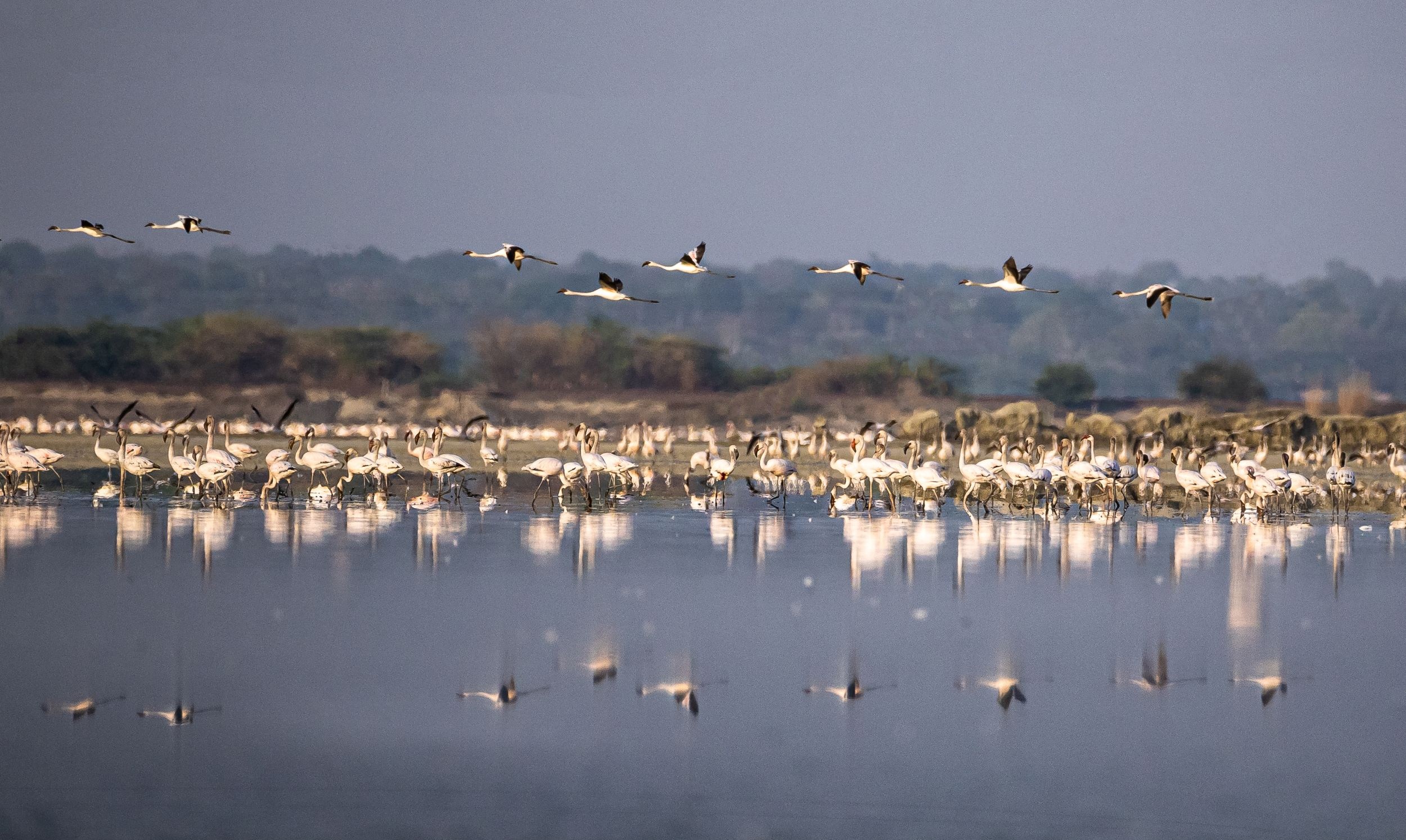
As the monsoon’s gentle caress bids farewell and the waters retreat by October, a silent symphony unfolds. The skies become a canvas adorned with the vibrant hues of migratory flocks. Waders of every feather tread lightly upon the glistening earth, but it is the Lesser Flamingos that steal the show. Their shocking pink plumage stands in stark contrast against the blinding white salt flats. For these birds, Sambhar is not just a scenic stopover; it is a critical breeding and feeding ground, a lifeline in an increasingly uncertain world.
Myth, Majesty, and Mughal History
At the edge of the Sambhar salt flats, history and legend dissolve into one another like the brine itself. This "white desert" is anchored by the Mahabharata, whispered to be the site where Emperor Raja Yayati, a descendant of Lord Brahma, wed Devyani, the daughter of the sage Shukracharya. This mythic union breathes life into the Devyani Temple and Kund—a site so revered it is known as the "Grandmother of all Tirths." Here, among the golden reflections of ancient shrines and the haunting call of waders, the hero Ashwatthama is said to have performed his penance, leaving behind a profound stillness that transports visitors to a surreal, spiritual world.
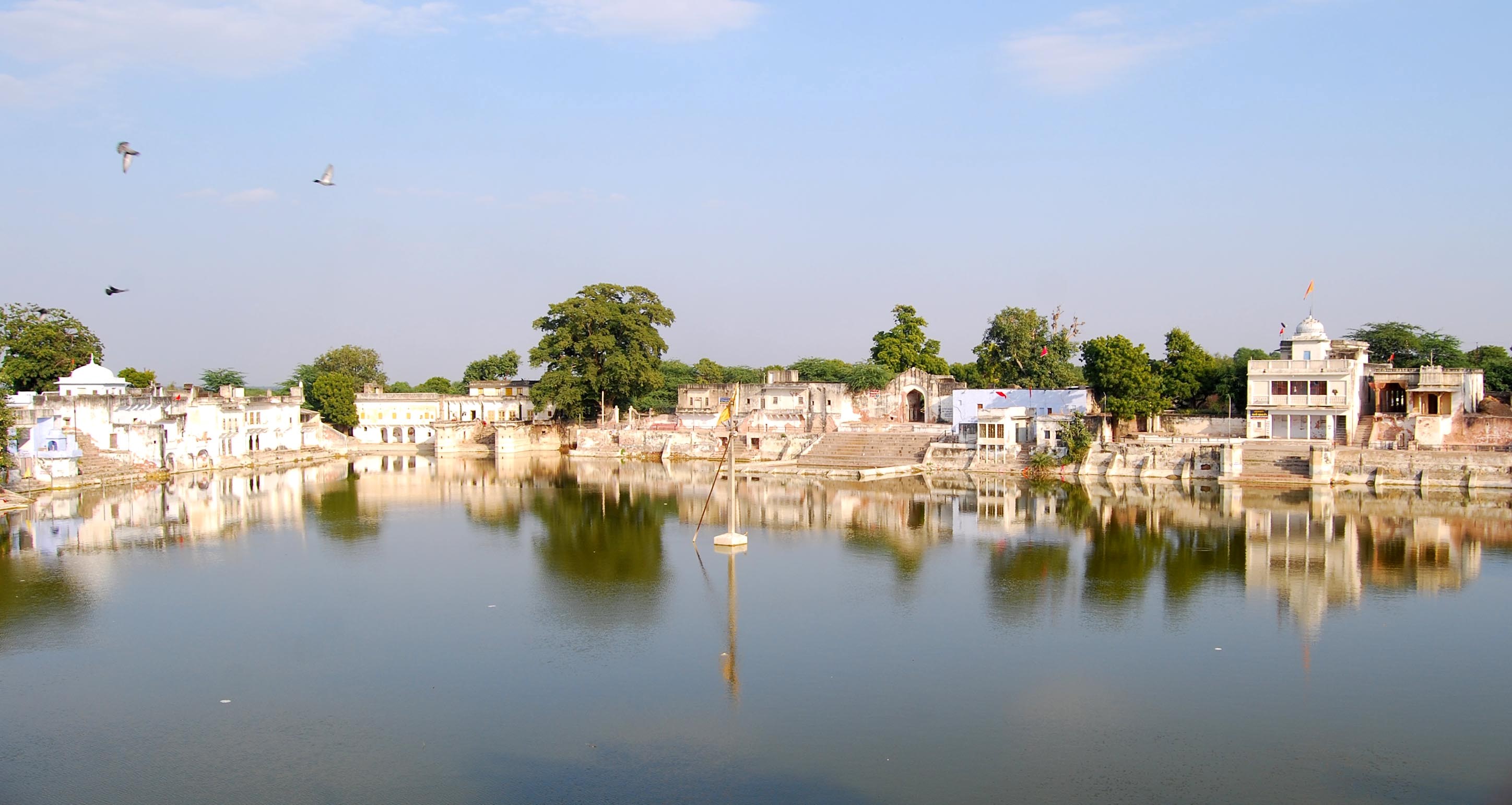
Beyond its sacred silence, the Devyani complex stands as a twin to the famous Pushkar Sarovar, mirroring its architectural grandeur and status as a gateway to salvation. While it transforms into a vibrant hub of devotion during the annual Karthik Purnima mela, the site remains a hidden gem on the Rajasthan tourist circuit. With its striking resemblance to Pushkar and its deep ancestral roots, the complex offers a unique opportunity to bridge the gap between ancient pilgrimage and modern tourism, drawing travelers from the paths of Ajmer and Udaipur into its timeless, shimmering embrace.
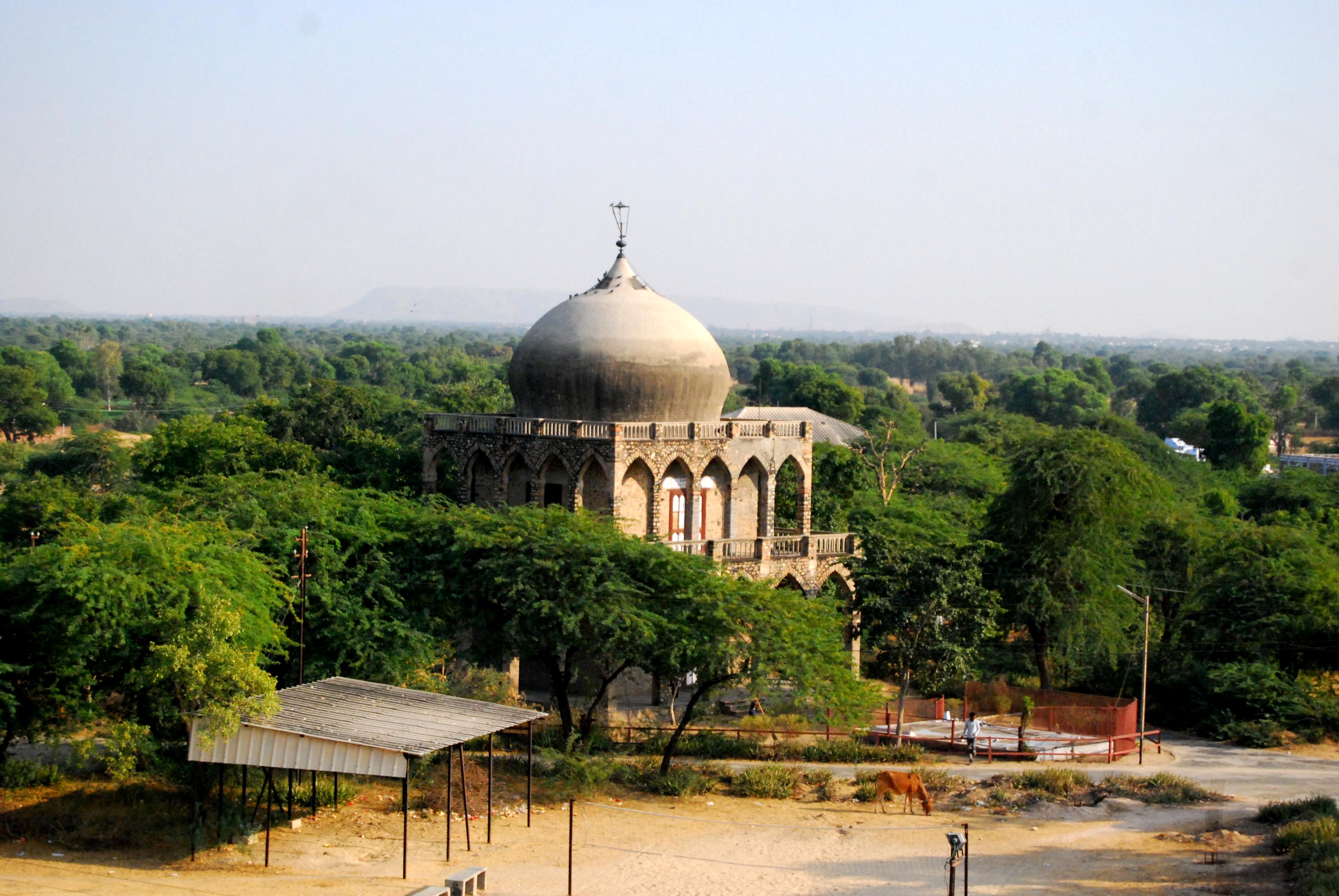
Centuries later, the Mughal Emperor Babur discerned the untapped riches of the lake. From the 16th century onward, Sambhar emerged as a cornerstone of regional affluence, furnishing the salt that seasoned the kitchens of the subcontinent. Today, the Salt Laboratory and Salt Museum in town offer an immersive dive into these intricate processes that have shaped the region’s identity for over half a millennium.
Beyond the Shore: Spirituality and Stargazing
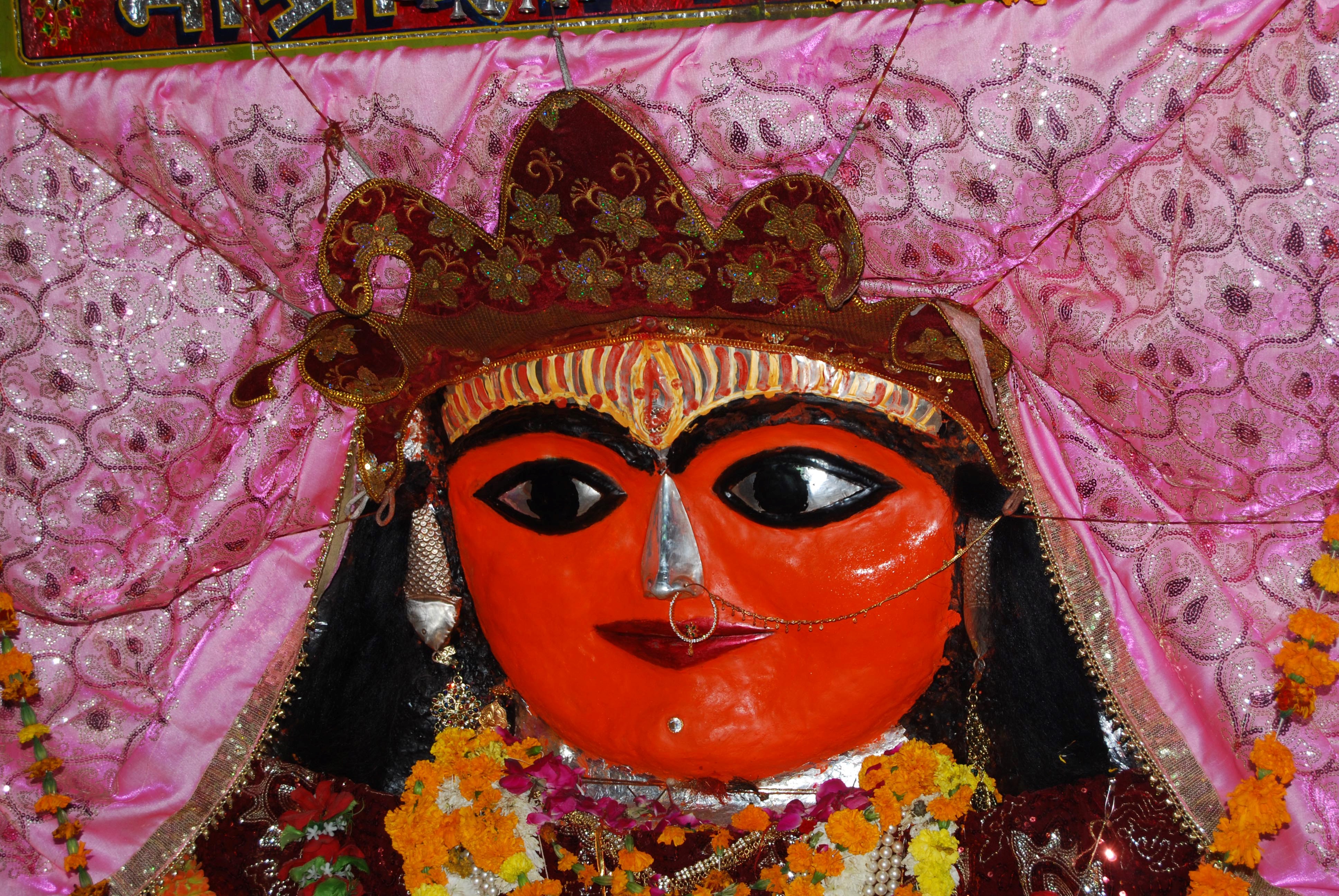
Beyond the vast brine of the lake, Sambhar thrives on a spiritual legacy where divine mercy and human frailty collide. At its heart lies the legend of Shakambhari Devi, the "Goddess of Vegetation" and guardian of the Chauhan dynasty, who sought to bless a commoner with infinite wealth. She commanded him to walk without looking back, promising that every step would turn the earth behind him into silver. Driven by doubt, the man turned to witness the miracle, and in that instant, his path of silver transformed into the 36-kilometer expanse of salt that defines the region today—a natural phenomenon that still triggers with every falling raindrop.
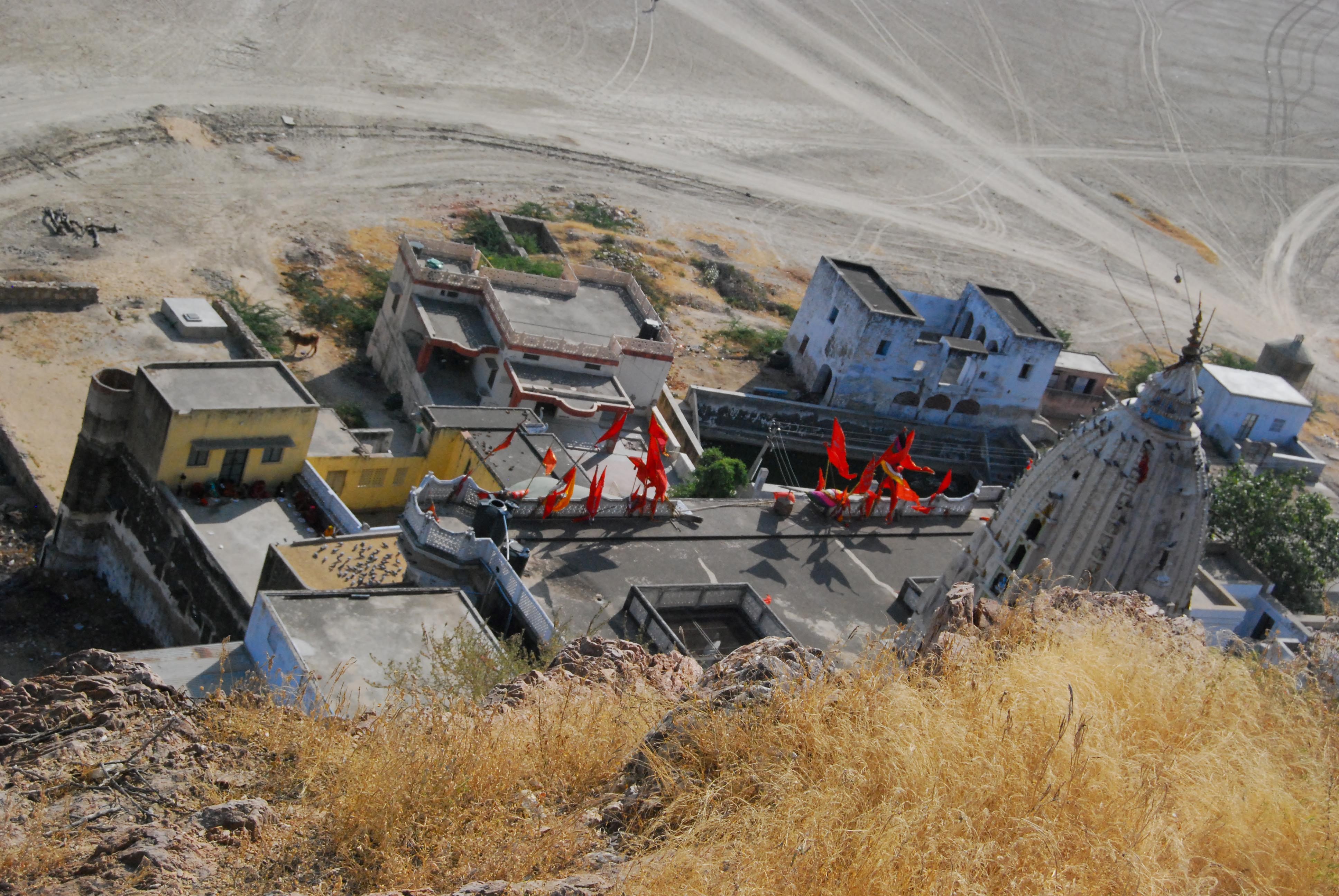
Perched upon a rocky hillock, a 1,400-year-old whitewashed temple commemorates the Goddess, its stones echoing with the secrets of the powerful Chauhan kings. Built by the grandfather of the legendary Prithviraj Chauhan, the sanctuary was once so remote that royals accessed its inner sanctum through a labyrinth of secret underground tunnels to ensure their devotion remained unseen. Though these passages are now sealed, the temple remains a vibrant beacon of heritage, drawing thousands during the Radha Ashtami festival to a place where the aura of ancient Rajasthan feels tangibly, brilliantly alive.
The Salt Mirror: Sambhar’s Celestial Frontier
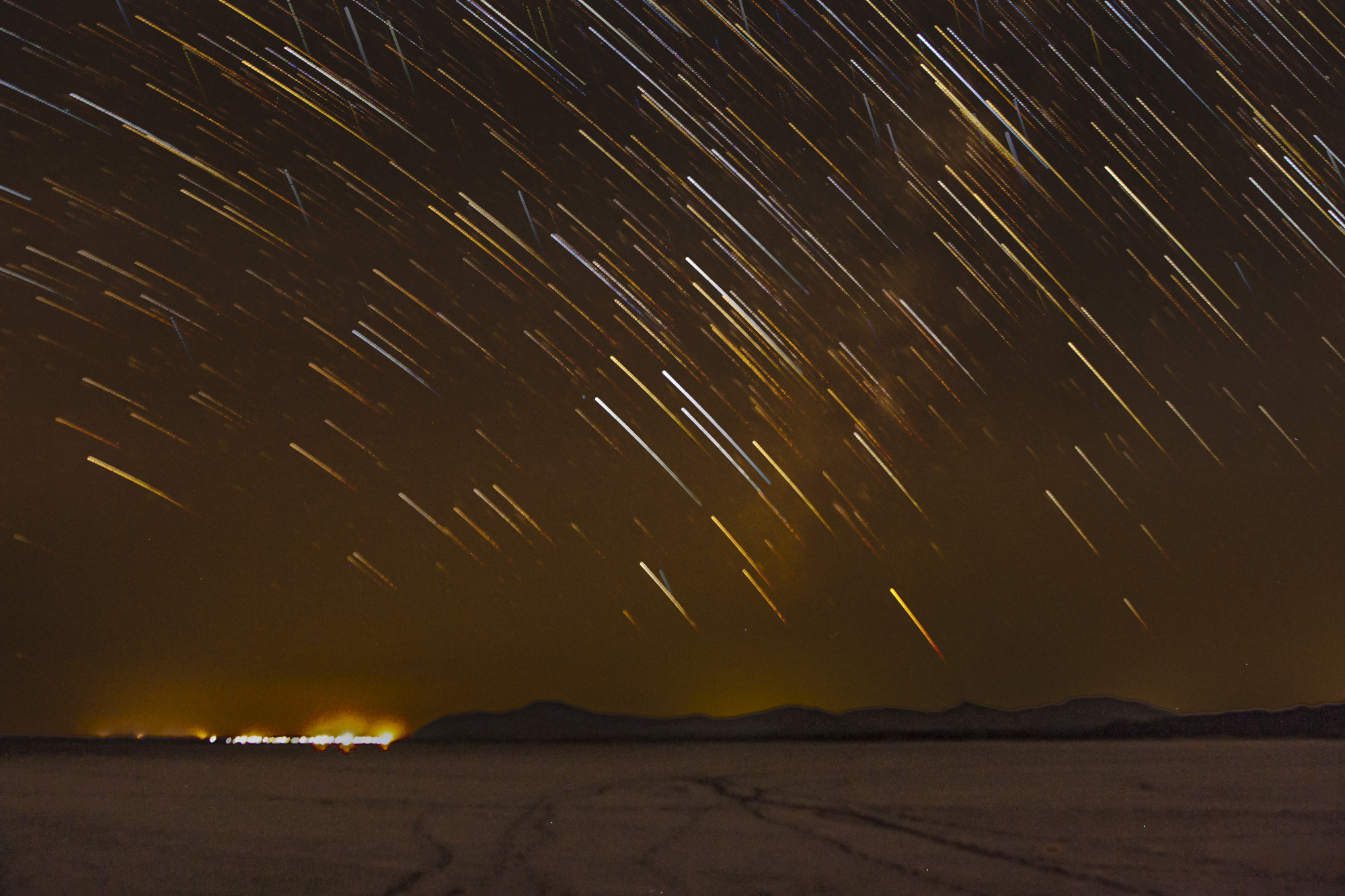
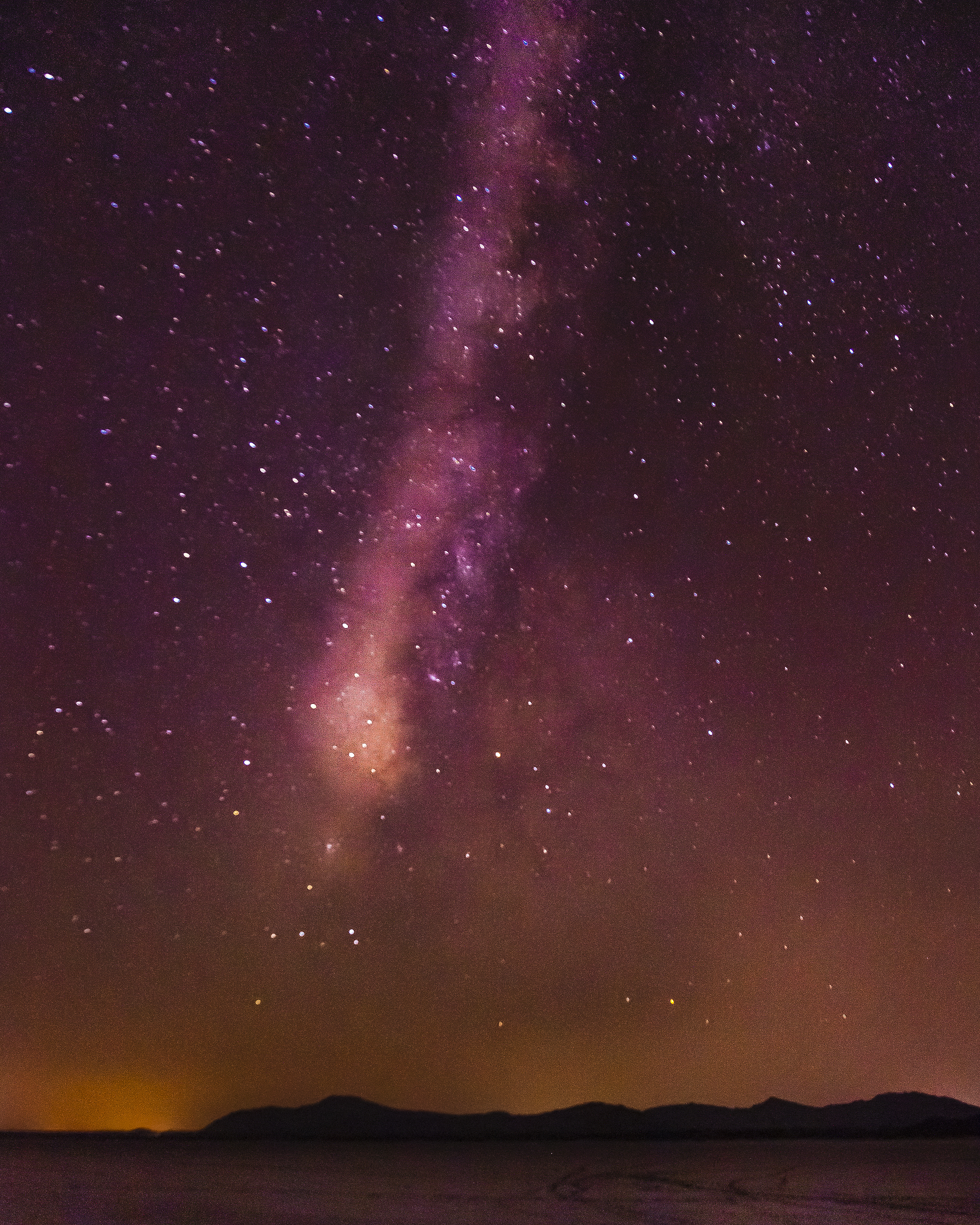
When the sun vanishes beneath the horizon, Sambhar Lake sheds its historical weight to reveal a modern, breathtaking frontier: a premier destination for astro-photography and celestial exploration. Far removed from the intrusive glare of urban light pollution, the lakebed serves as a pristine, dark-sky sanctuary. The unique combination of low humidity and minimal dust over the salt pans creates a "crystal-clear window" into the deep cosmos, allowing the Milky Way to appear as a vivid, luminous arch. For photographers, the landscape offers a surreal stage where the galaxy’s glow is so intense it casts soft shadows upon the white crust, turning the earth into a mirror for the heavens.
For those seeking a transformative escape, night camping on the lakebed offers an immersive journey into the stars. As darkness descends like a velvet cloak, the silence is broken only by the visual spectacle of peak-season meteor showers, where "shooting stars" streak across the sky in rapid succession. These cosmic displays are often reflected perfectly in the shallow, still waters, creating a seamless transition between the celestial and the terrestrial. Whether capturing the perfect long-exposure shot or simply witnessing the infinity of the universe from a lakeside tent, Sambhar presents an unparalleled scope for modern adventurers to reconnect with the night.
A Call to the Wild
In Sambhar, every moment is a revelation. Whether you are capturing the perfect shot of a flamingo in flight, documenting the architectural heritage of the nearby mansions, or setting up a tripod to track the rotation of the stars, the lake offers a sense of profound scale.
It is a place where history whispers from the salt mounds and the wild sings in the call of the crane. Sambhar Lake invites you to lose yourself in its enchanting, saline embrace—a gentle reminder that even in the heart of the desert, wonders exist that are both ancient and eternally new. Welcome to the white sands, where the earth meets the stars.

Pic credits: @anilkhubani, @abhaysinghjain
Comments