

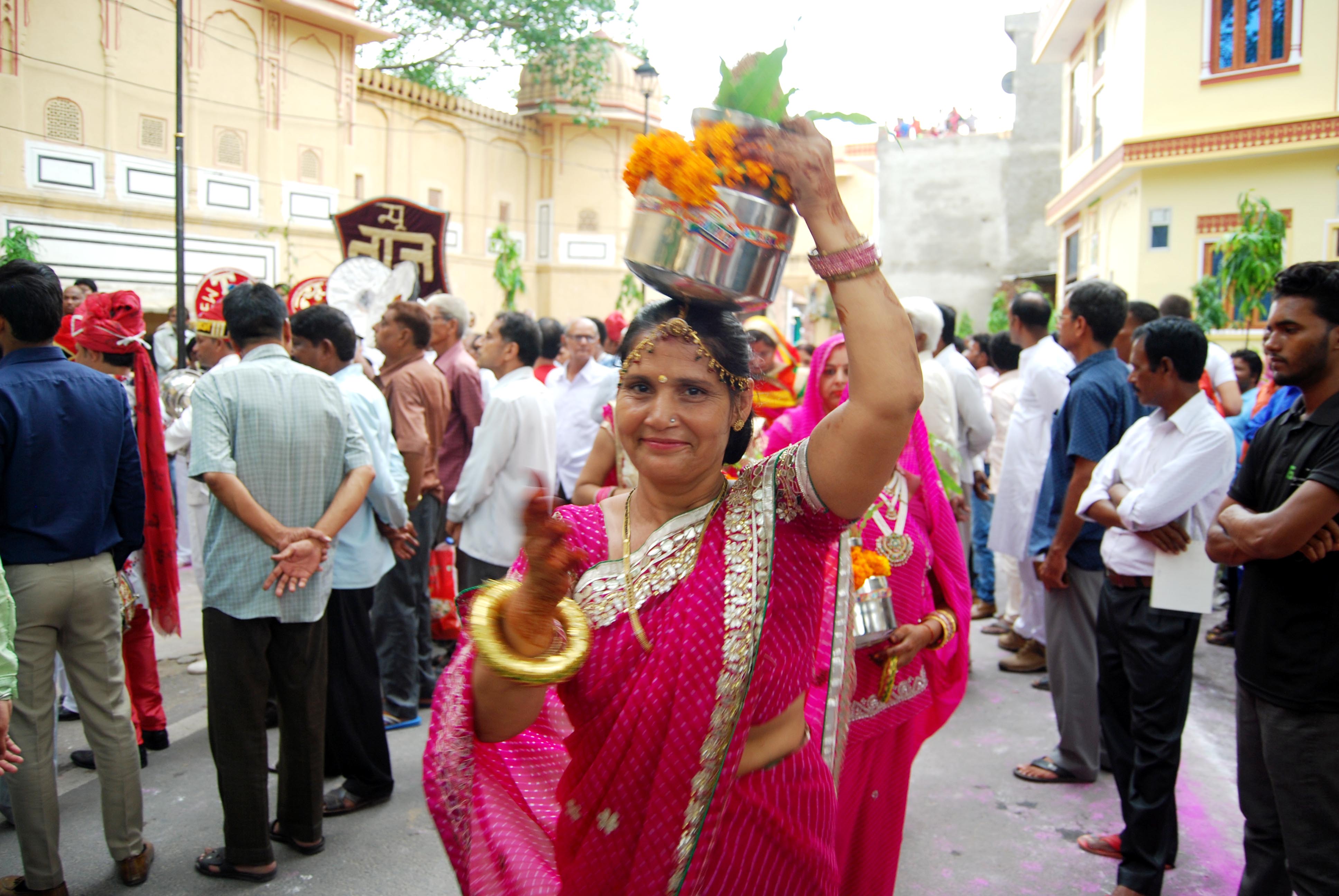
Monsoon clouds roll over the Aravalli hills, bringing a cool, fragrant breeze that cuts through the scorching heat of Rajasthan. As rain droplets kiss the sun-baked earth, a sudden, electric transformation sweeps across the capital. During Teej, Jaipur—the world-famous Pink City - casts off its quiet terracotta calm to ignite in a breathtaking explosion of color. Women flood the streets wrapped in magnificent Leheriya sarees - their sweeping wave patterns transforming the historic city into a swirling, living sea of color.
This vibrant festival, known as Savan Teej (or Teej), marks the arrival of the monsoon season in India - usually taking place in July or August. Occurring on the third day after the new moon, it honors the sacred union of the Hindu deities Lord Siva and Goddess Parvati. During this time, married women pray for the long life and happiness of their marriage, young, unmarried women wish for a loving life partner, and families gather to celebrate.
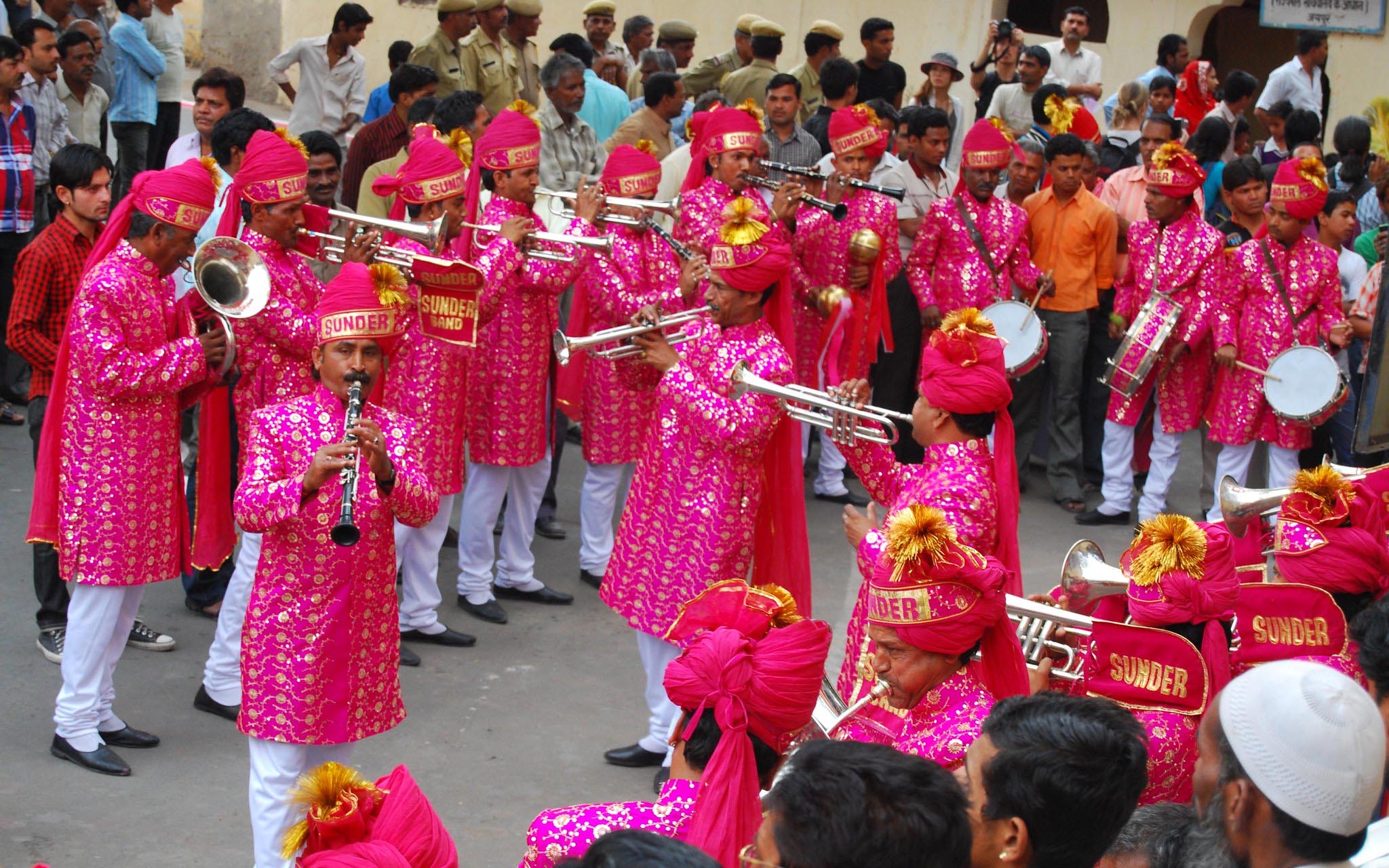
While Teej is observed across many parts of northern India, Jaipur offers the ultimate experience: the city transforms into a grand, colorful spectacle complete with traditional processions, music, and royal cultural performances.
A Royal Legacy Restored to the Streets
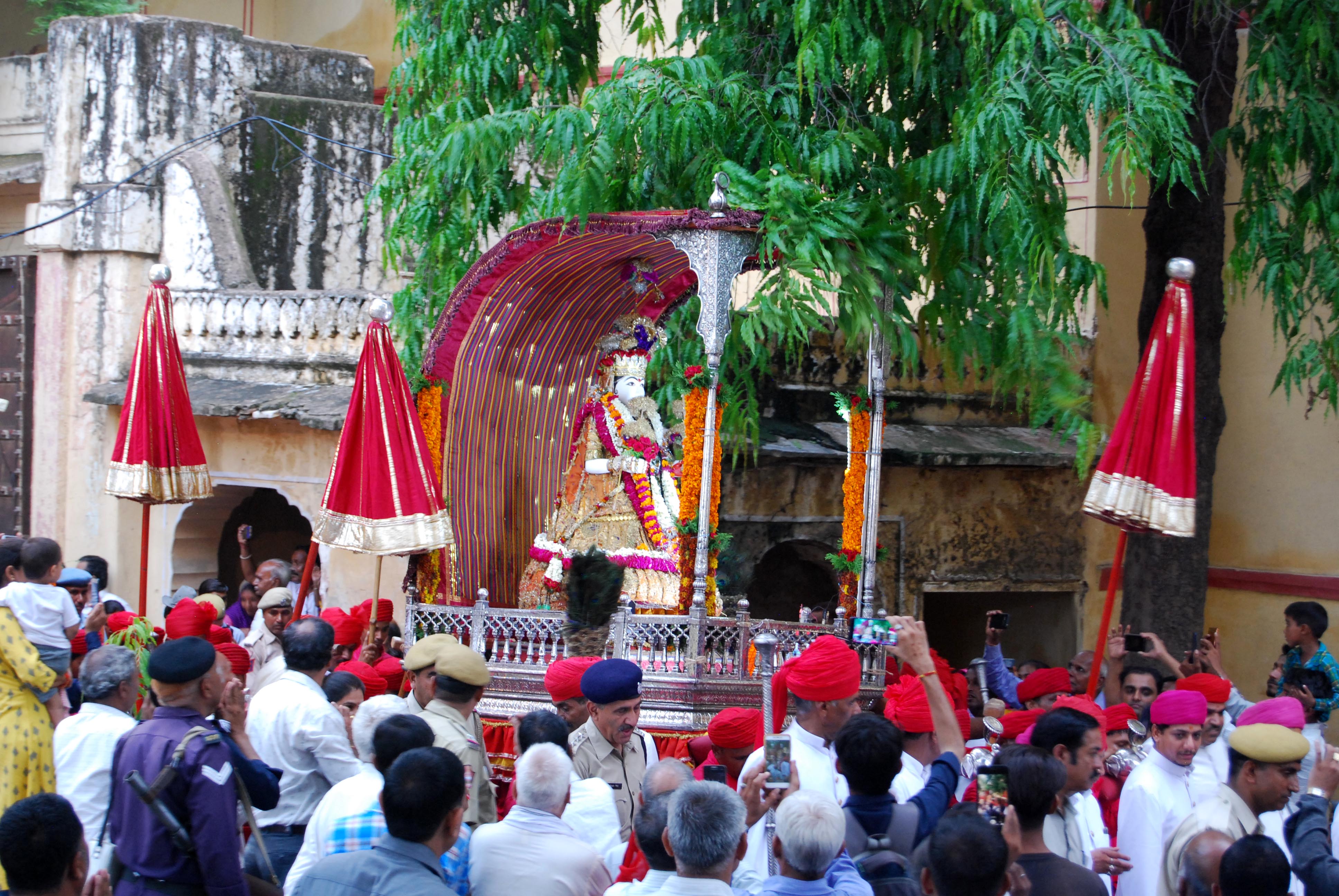
What sets Jaipur’s celebrations apart is a grand royal legacy that has remained unbroken for centuries. Unlike modern festivals that often feel commercialized, Teej belongs entirely to the soil and its people. The royal family of Jaipur still ceremonially oversees the ornamentation of the Teej Mata idol, maintaining a living bridge to the city's Rajput heritage.
When the sacred morning arrives, the heart of the celebration beats from within the grand courtyards of the City Palace. The idol of Goddess Teej - an incarnation of Parvati - is draped in magnificent finery and placed upon a heavy palanquin crafted from pure gold and silver.
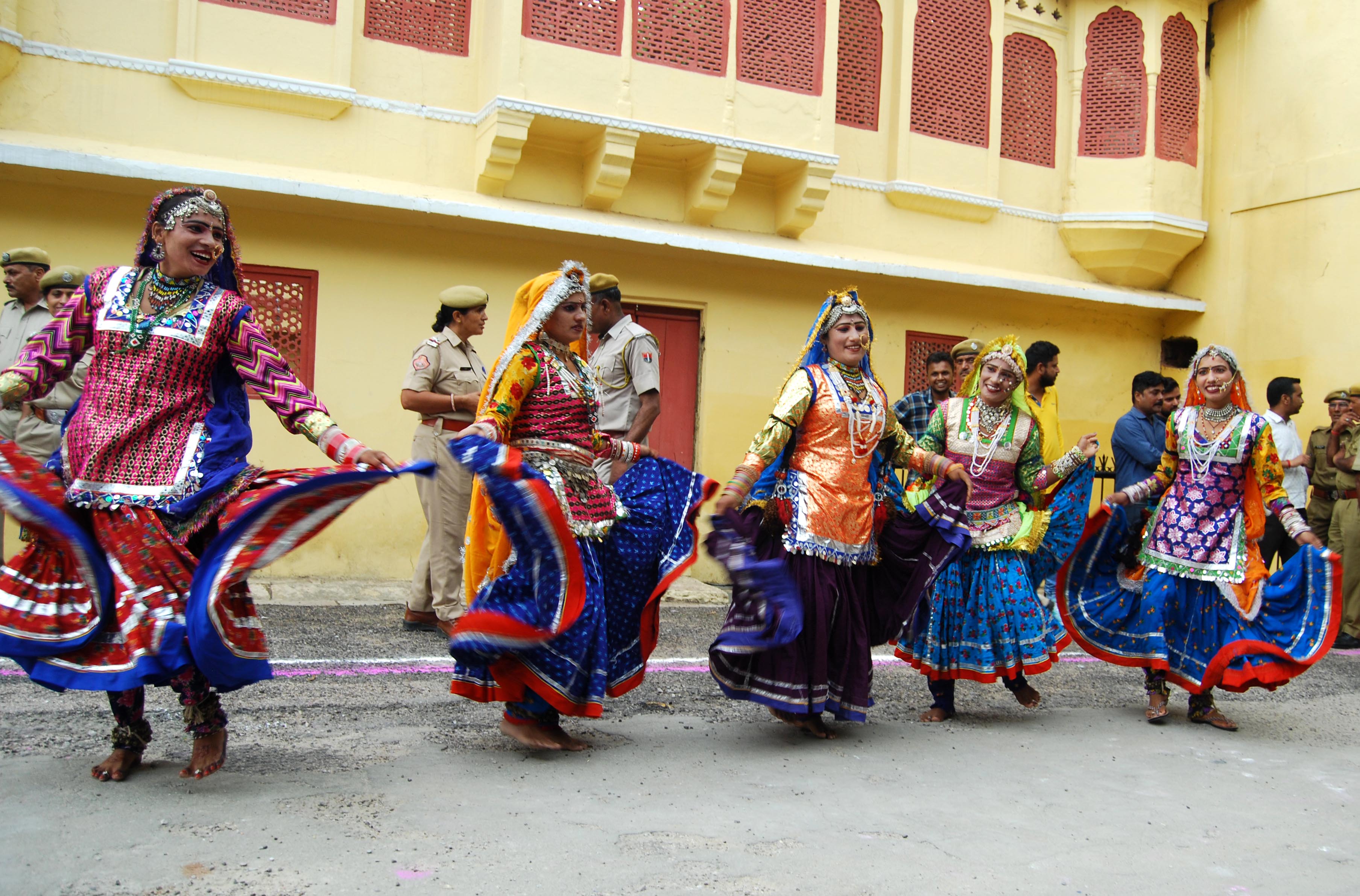
As the grand Tripolia Gate swings open, the goddess emerges to meet her people, setting off an unforgettable spectacle. Royal guards in ceremonial attire lead the way, followed by a majestic convoy of decorated elephants, horses, and camels. Traditional folk musicians play soulful melodies while dancers twirl in rhythmic delight. The grand procession winds its way through old bazaars draped in marigolds and past ancient havelis, taking two days to traverse its path toward the Chaugan Stadium.
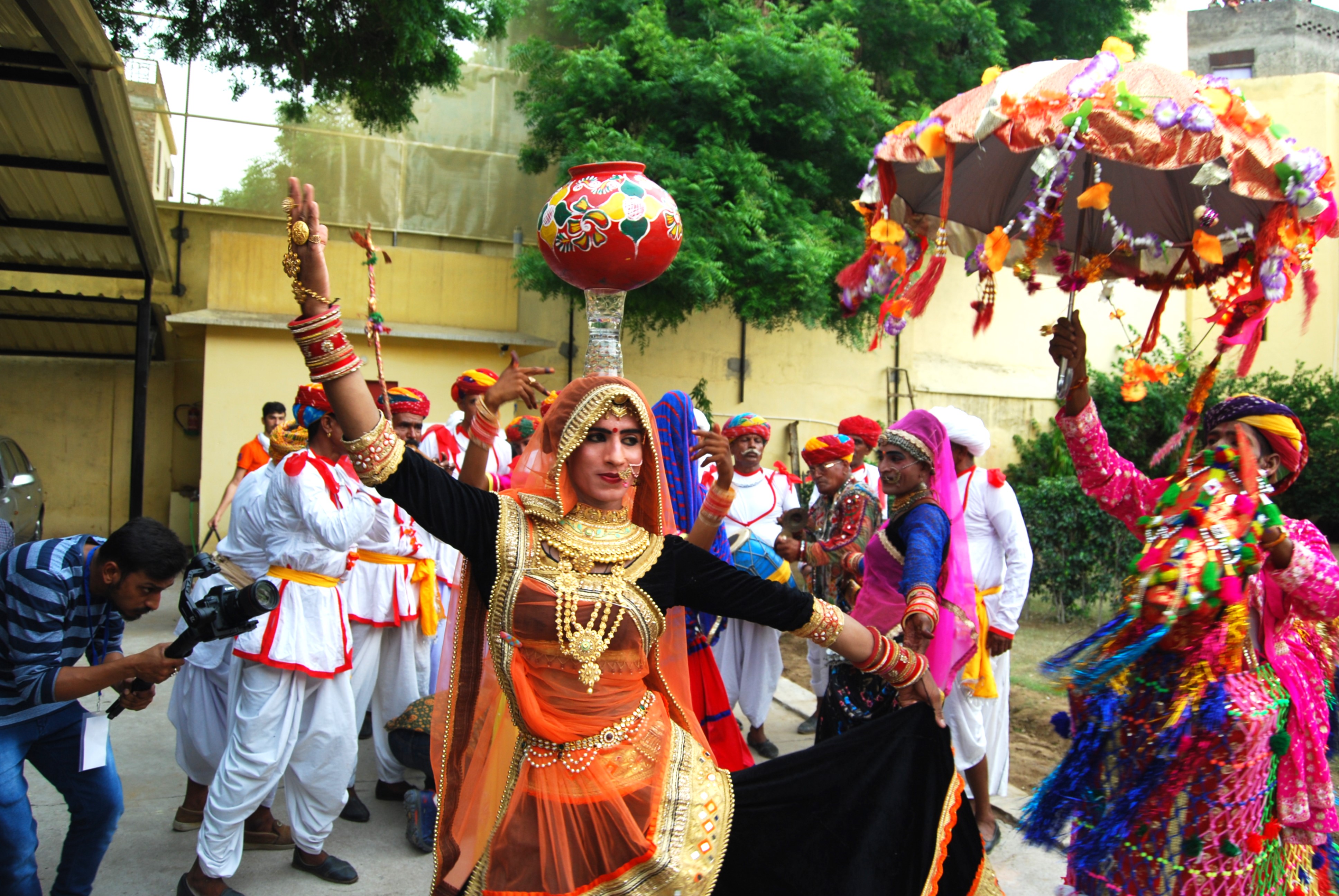
Echoes of Devotion: Mehndi, Swings, and Sacred Fasts
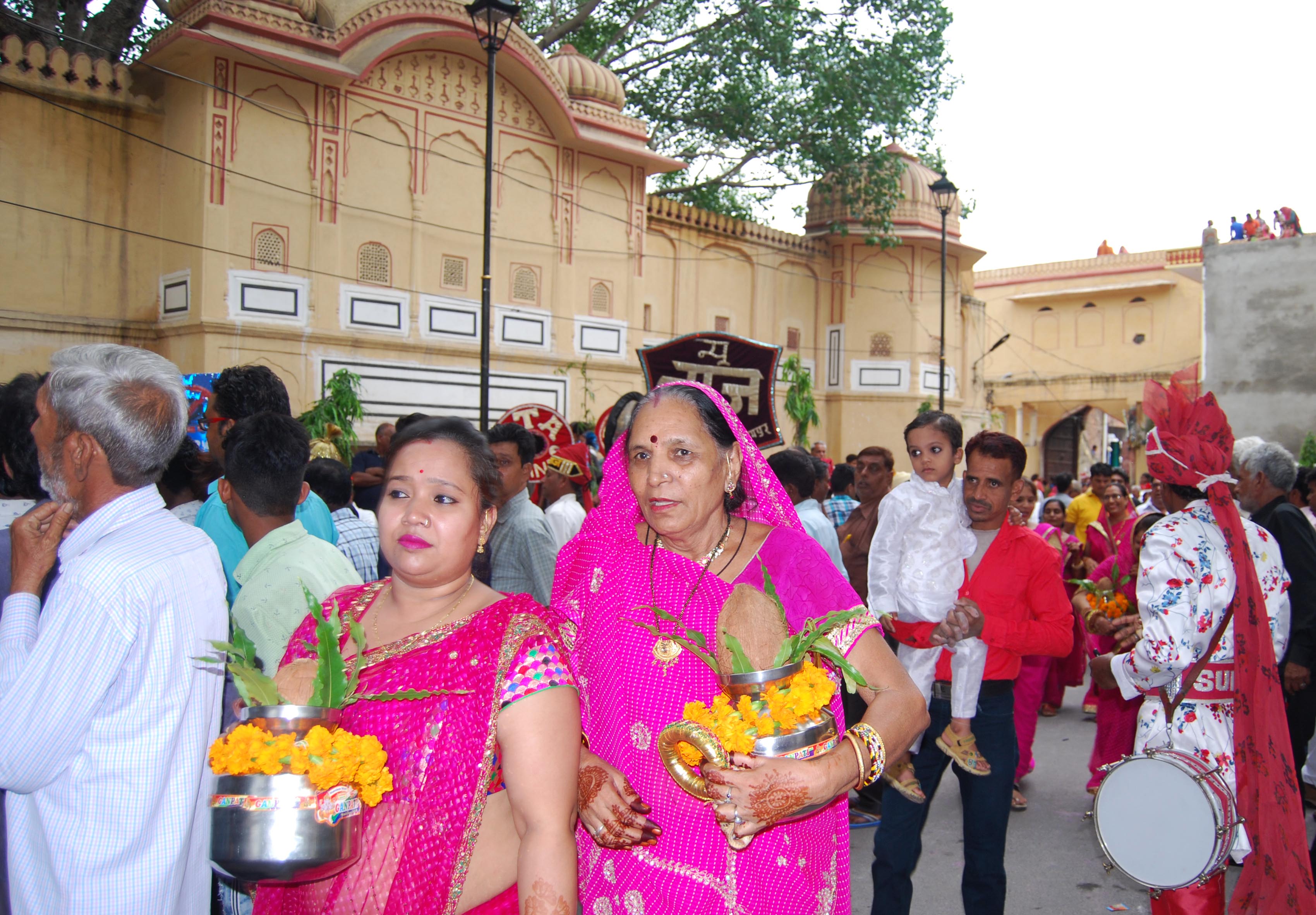
Long before the main procession reaches the streets, the devotion begins in the quiet courtyards of every home. The day preceding Teej is known as Sinjara, an evening steeped in intimate, quiet beauty. Parents send elaborate gift packs to their daughters containing bindis, vermilion, bangles, traditional lahariya tie-dye sarees, and delicious festive sweets.
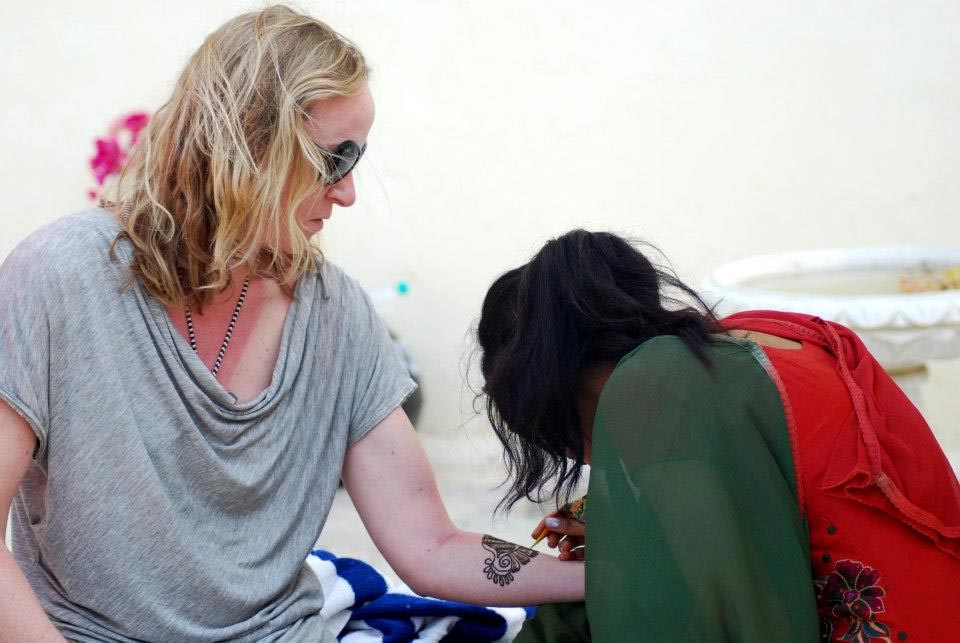
Walk through any neighborhood on the eve of Sinjara, and the air smells rich with rose water and fresh henna. Women sit together, singing traditional Rajasthani folk songs as intricate mehndi designs are painted onto their hands and feet.
Devotion deepens on the day of Teej, when women observe the strict Nirjala Vrat - a complete fast without food or water that lasts until sunset. Yet, despite the physical rigor of the fast, the energy is purely joyful. Floral-adorned swings (jhoolas) hang from the branches of ancient trees in temple courtyards and public parks like Central Park or Sisodia Rani Bagh. Dressed in brilliant shades of green to honor new growth and prosperity, women take turns swinging toward the sky, their laughter echoing through the monsoon air.
The Flavors and Textures of a Festive Bazaar
To wander through Jaipur during Teej is to experience a feast for all five senses. The markets of the walled city transform into vibrant wonderlands of color, sound, and aroma.
In Johari Bazaar and Bapu Bazaar, shopfronts overflow with lahariya, the distinctive multi-colored wave-print fabric that is the official wardrobe of the monsoon season. Bright lac bangles, floral hair accessories, embroidered juttis, and silver jewelry fill every market stall.
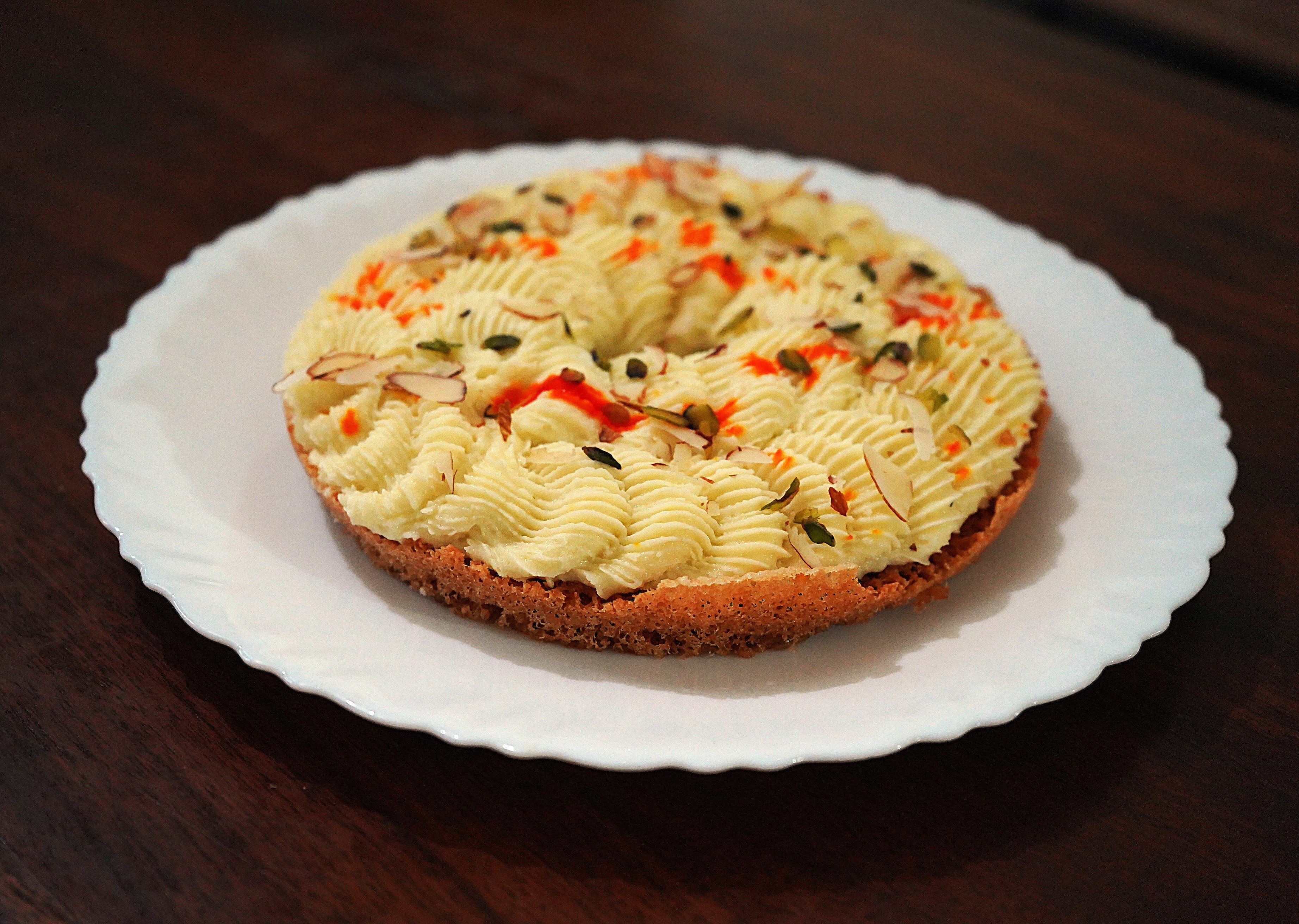
Food plays an equally magnificent role in the celebrations. No Teej is complete without tasting Ghewar, the undisputed queen of monsoon sweets. This delicate, honeycomb-textured disc of deep-fried batter is soaked in sugar syrup and topped with rich rabdi or cream, with iconic sweet shops like LMB in Johari Bazaar producing their finest batches. Alongside Ghewar, sweet vermicelli cooked in milk (Feeni) and jaggery-infused wheat porridge (Laapsi) are prepared as sacred offerings. Once the sun sets and fasts are broken, the savory aroma of freshly fried onion kachoris and spicy aloo sabzi drifts from local kitchens and street stalls, luring crowds of hungry celebrants.
Immersed in the Atmosphere: Essential Spectator Spots
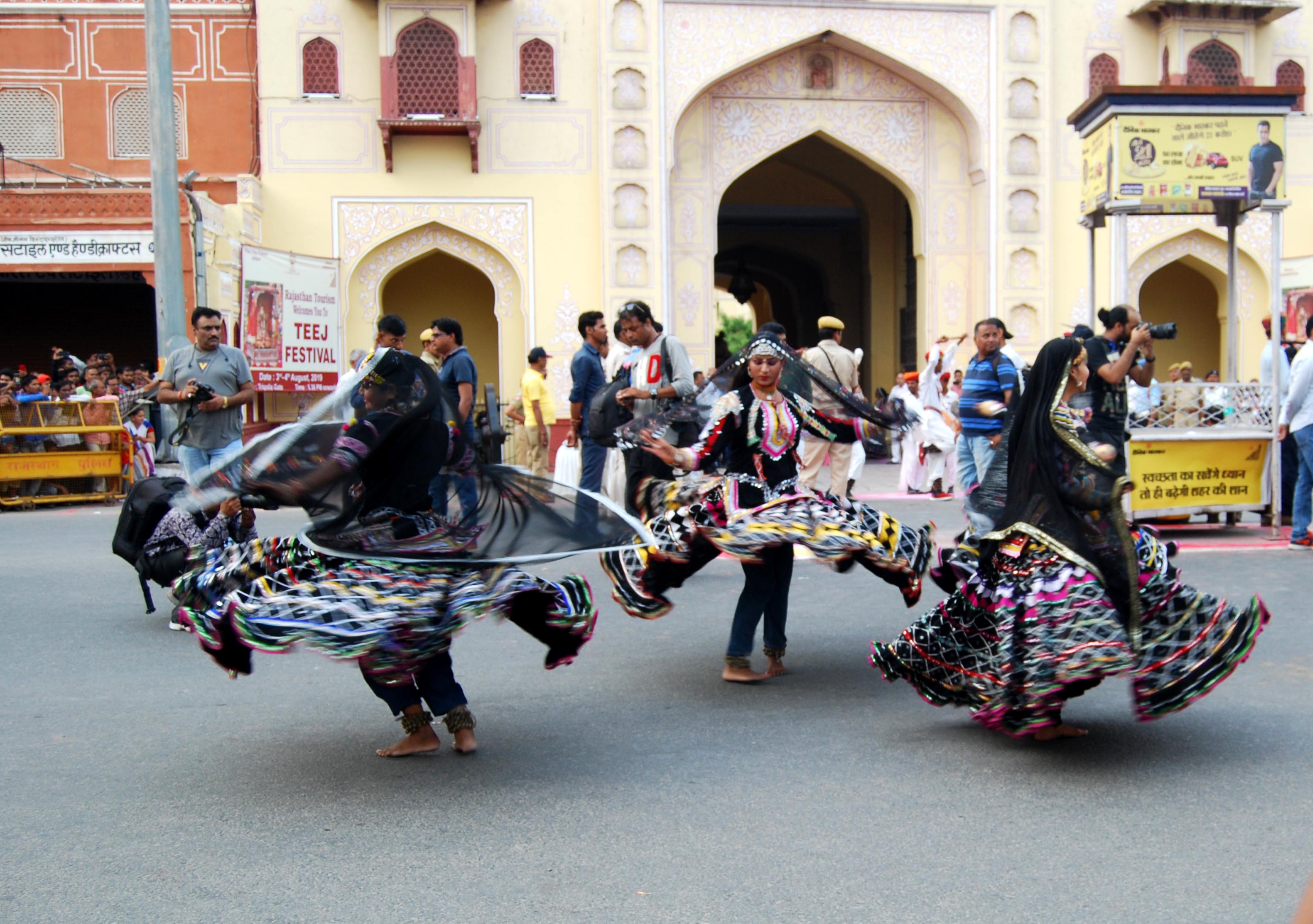
For a traveler, navigating the festive energy requires a bit of timing and planning. The key to capturing the true pulse of Teej lies in finding the right vantage point along the historic procession line.
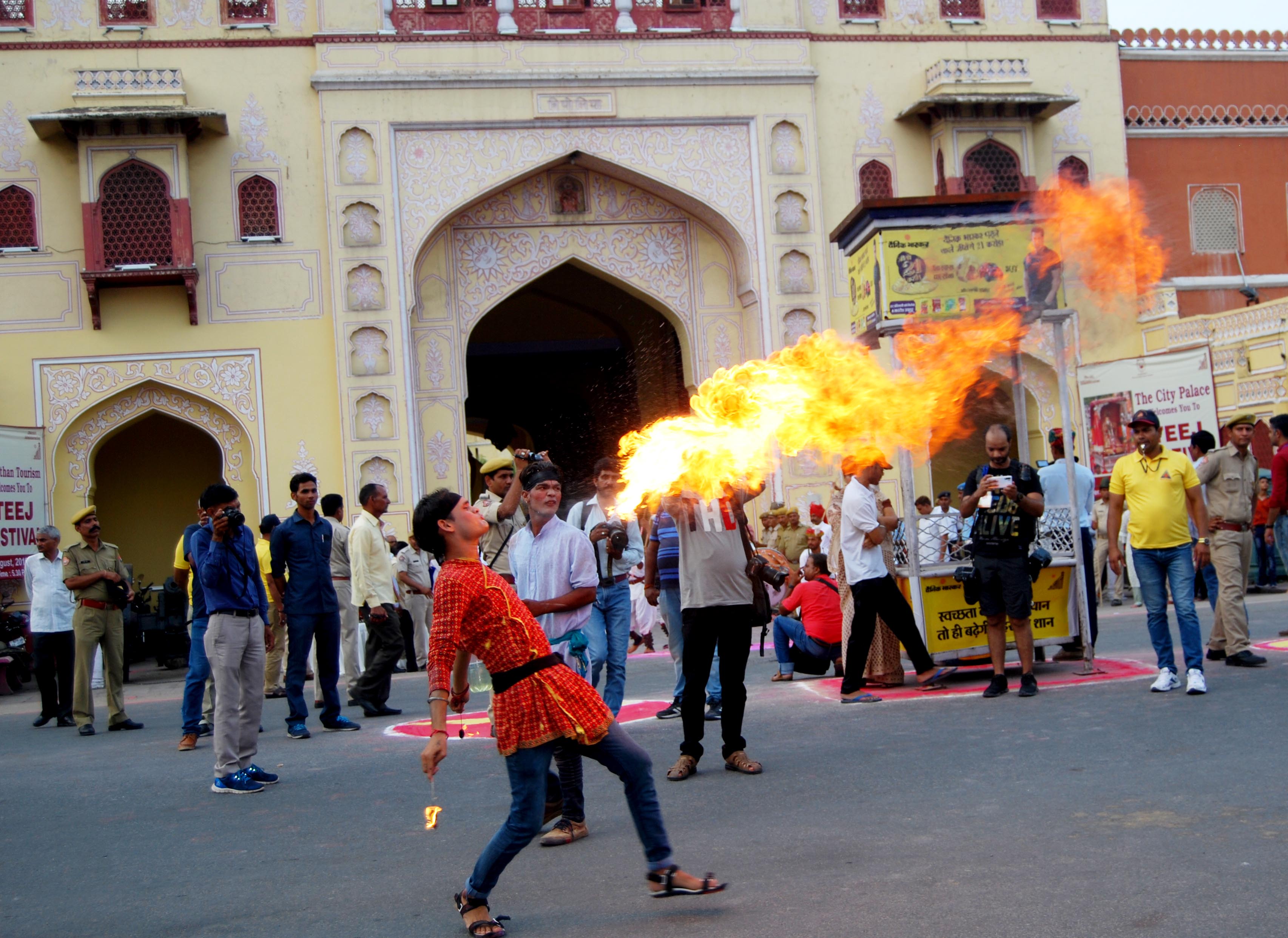
Standing near Tripolia Market or the historic Tripolia Gate puts you directly in the center of the action, where the pink sandstone archways frame the procession of emerald-clad devotees against the blue monsoon skies. Alternatively, securing a spot near the City Palace Courtyard allows you to watch the procession depart with full royal grandiosity, while the open grounds of Chaugan Stadium offer a front-row seat to the cultural performances that mark the journey's finale. Arriving early in the morning, staying inside the old city, and dressing respectfully in green attire ensures you experience the festival at its most warm and welcoming.
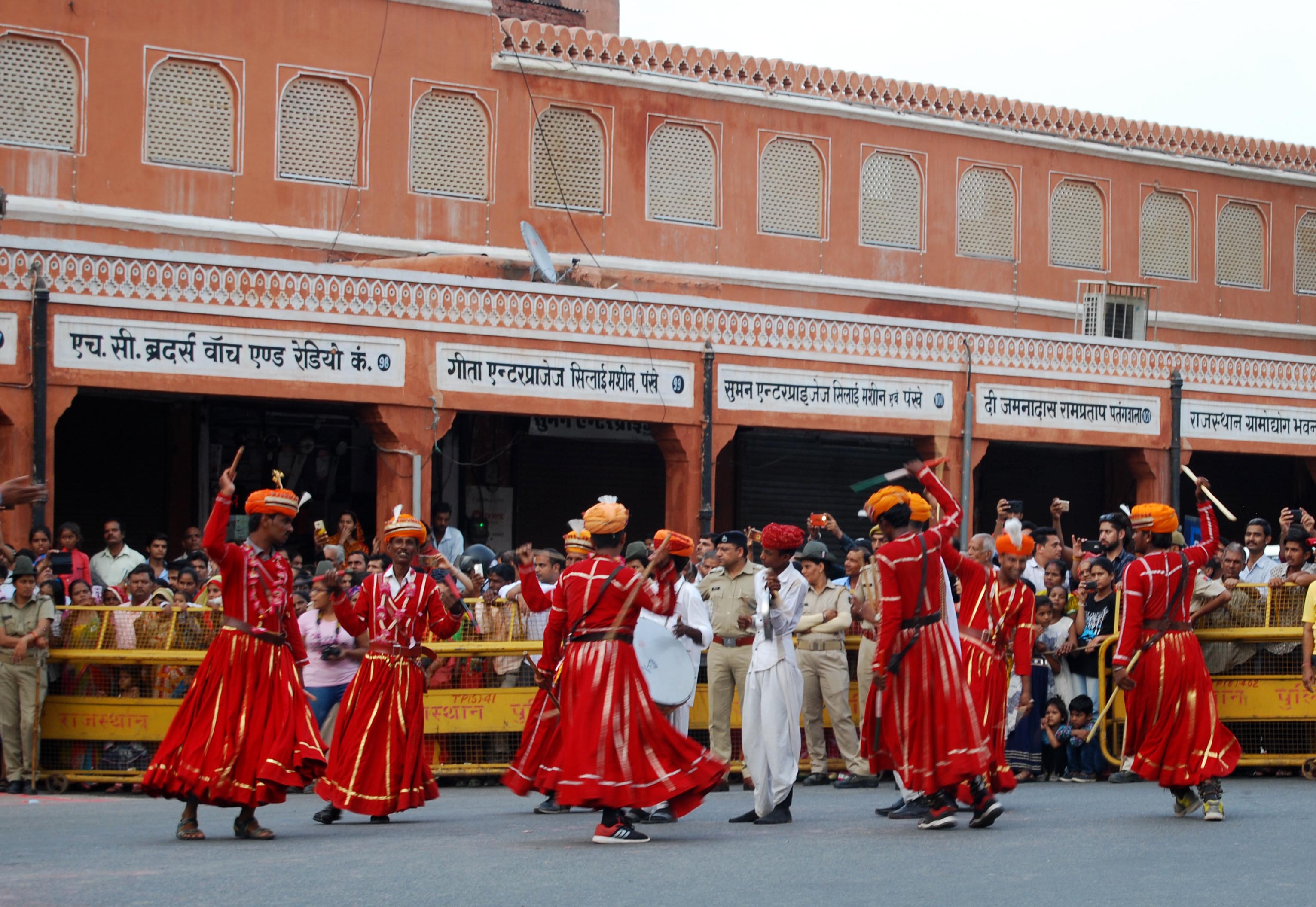
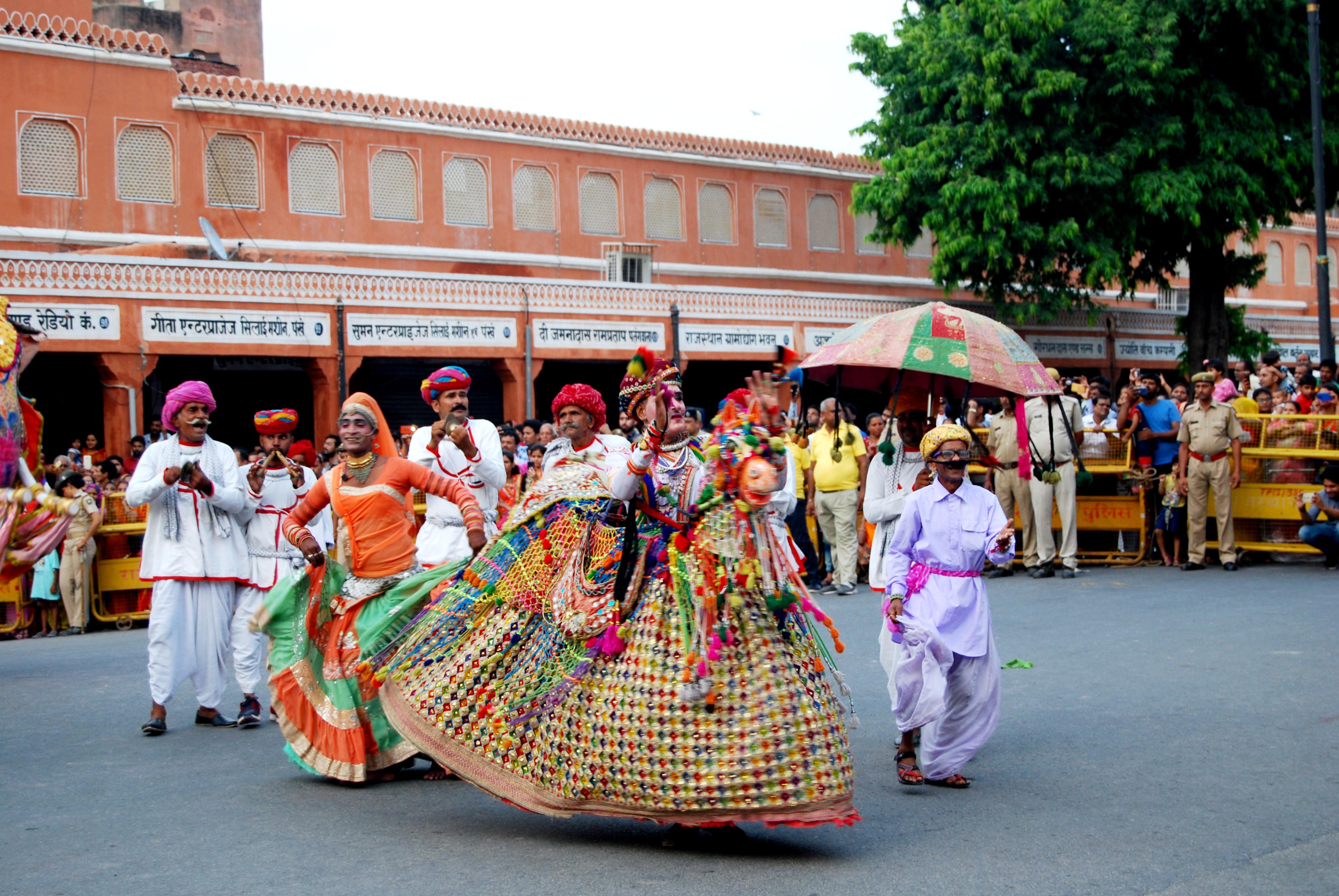
An Unfiltered Soul of Rajasthan
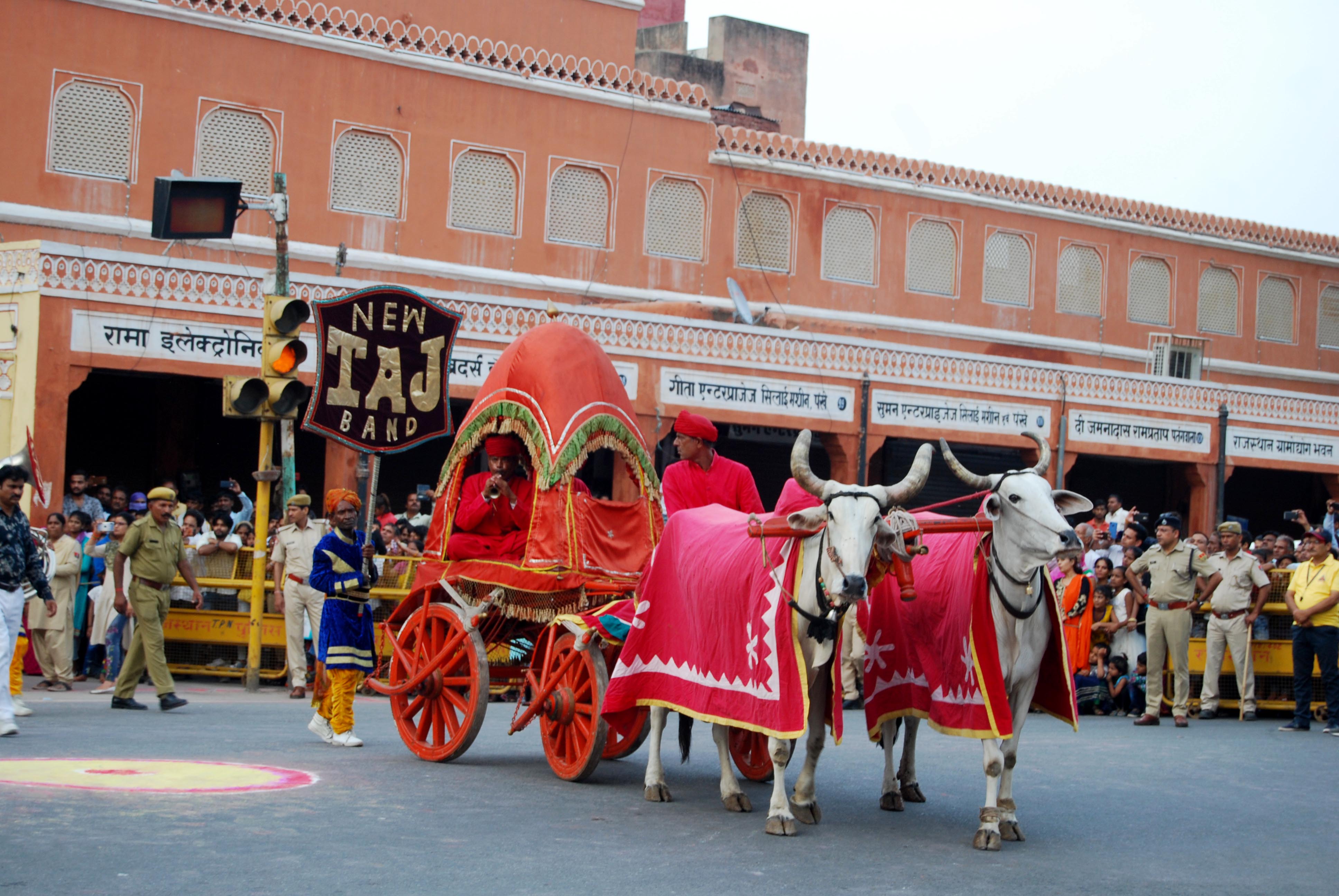
In an era where ancient traditions are frequently repackaged into sterile, ticketed tourist events, Teej in Jaipur remains refreshingly, fiercely authentic. There are no corporate stages or barrier ropes separating the public from the sacred.
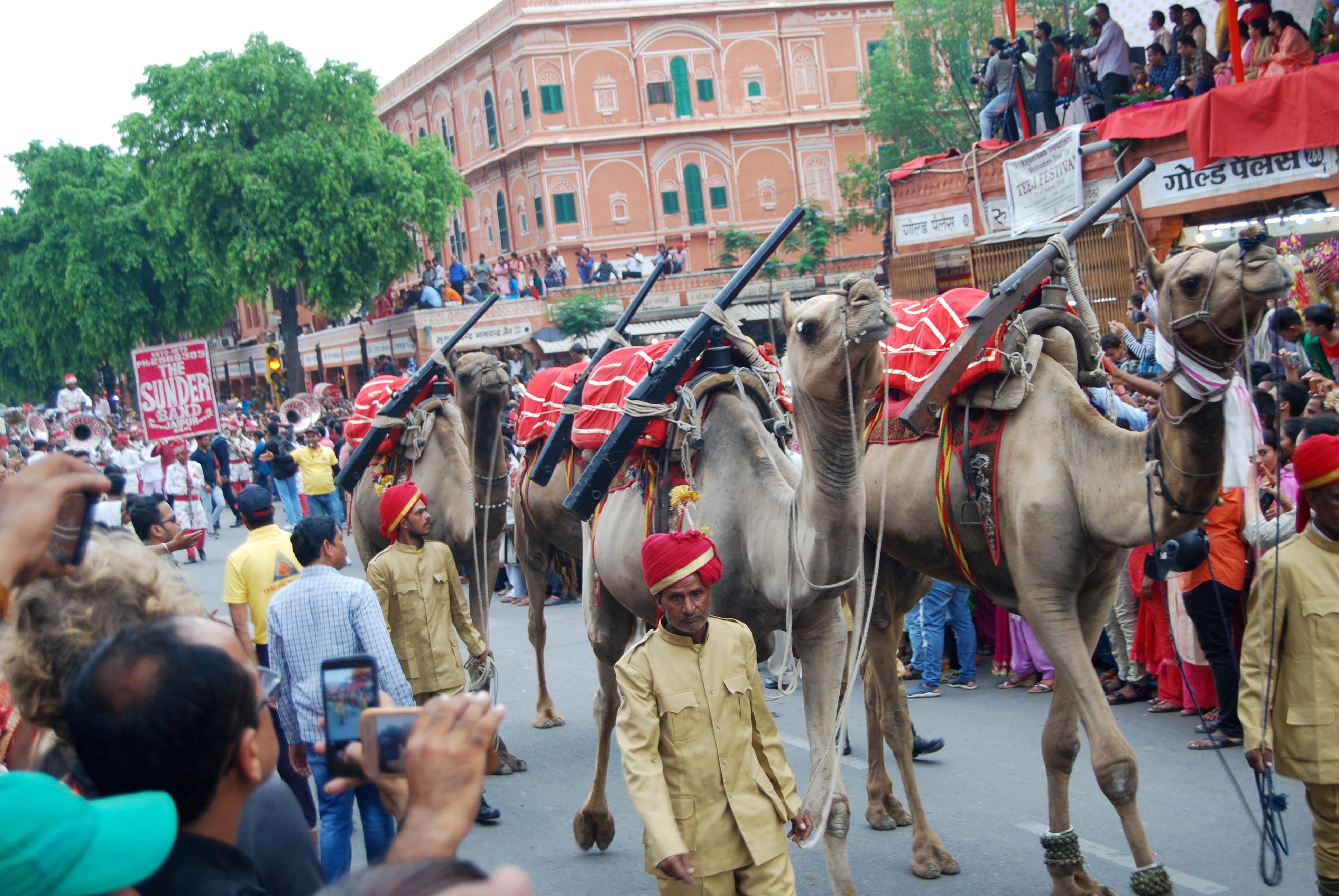
The grand palanquin sways through the streets for the simple reason that it always has. The women line the balconies in vibrant green because their mothers and grandmothers did before them. To stand in the crowded, spice-scented lanes of Jaipur during Teej is to realize that you aren't just observing a festival - you are witnessing the timeless, beatific heart of Rajasthan itself.
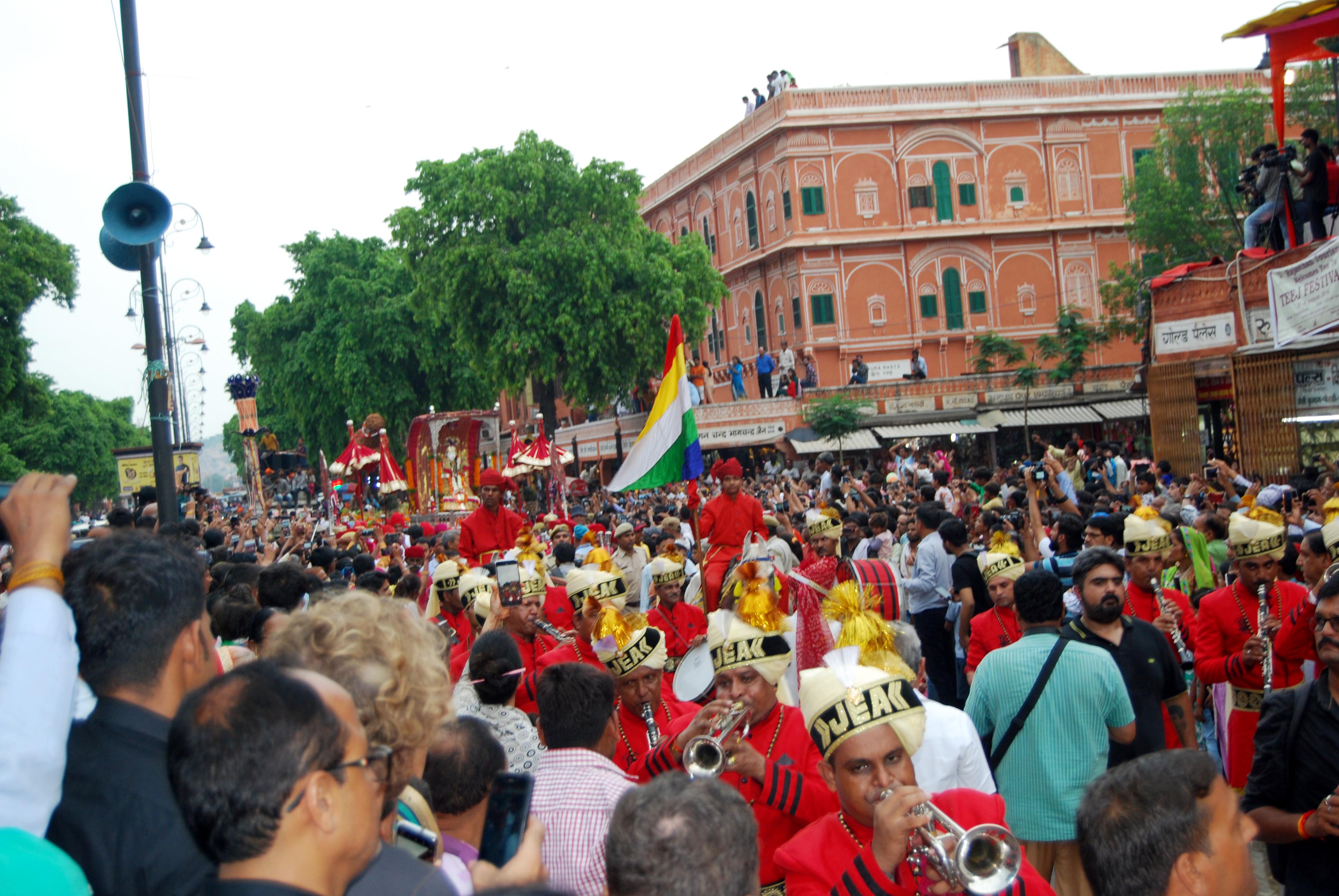
Comments