

Long before the modern metropolis enveloped it, Old Delhi existed as Shahjahanabad - a walled paradise commissioned in 1639 by the Mughal Emperor Shah Jahan. Designed with unmatched grandeur, it was a city of tree-lined avenues, moonlight canals reflecting the night sky, expansive gardens, and courtyard havelis echoing with ghazals, poetry, and royal refined culture (tehzeeb). Shahjahanabad was not merely a political capital; it was the cultural heart of the empire, where artisans, scholars, and nobles flourished under a canopy of architectural opulence.
However, as the sun set on the Mughal Empire, the fate of Shahjahanabad altered drastically. The catastrophic events of 1857 saw British forces breach its walls, ransacking royal quarters, dismantling canals, and converting grand plazas into military outposts. Decades of colonial neglect, coupled with the eventual trauma of the 1947 Partition, fractured the social fabric of the old city. Overcrowding, commercialization, and urban decay slowly replaced its aristocratic charm. Yet, beneath the tangle of overhead cables and crumbling plaster, the ghost of Shahjahanabad’s old-world romance remains stubbornly alive.
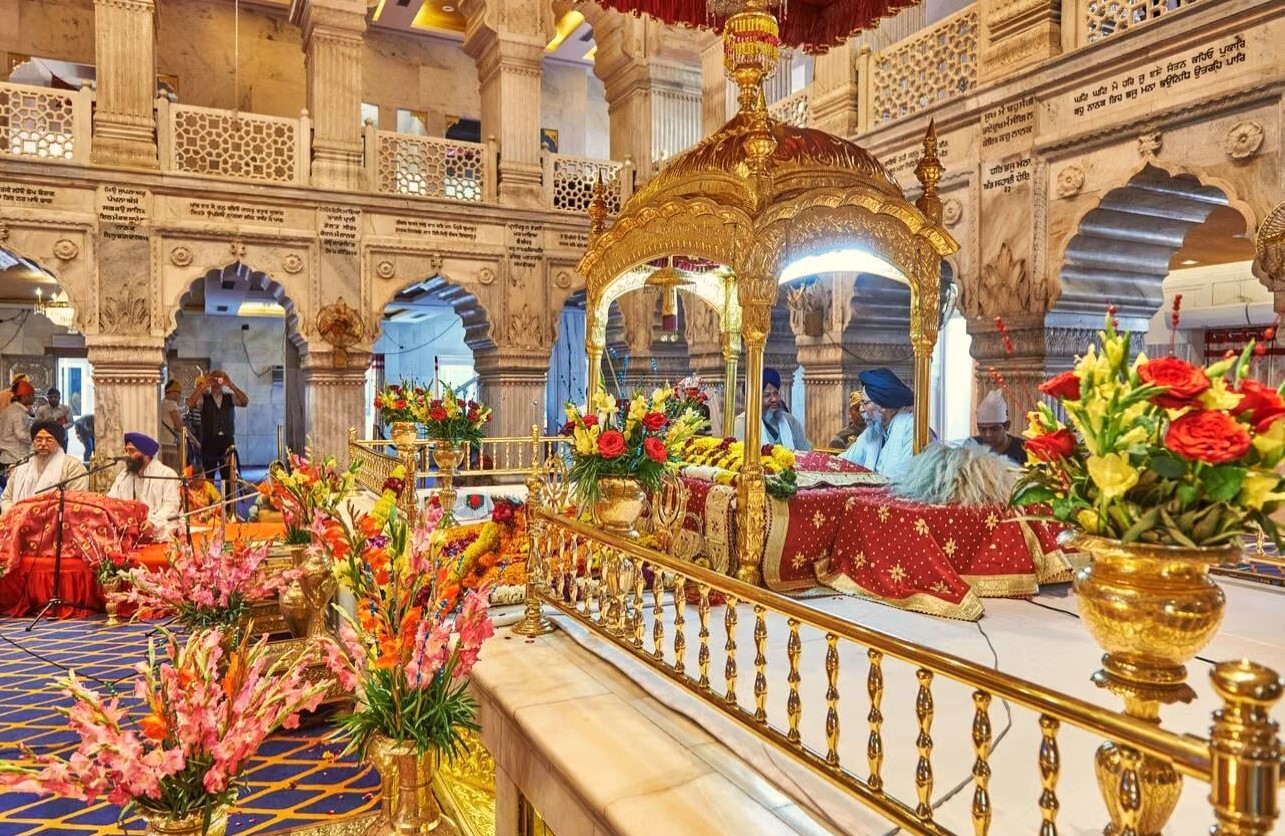
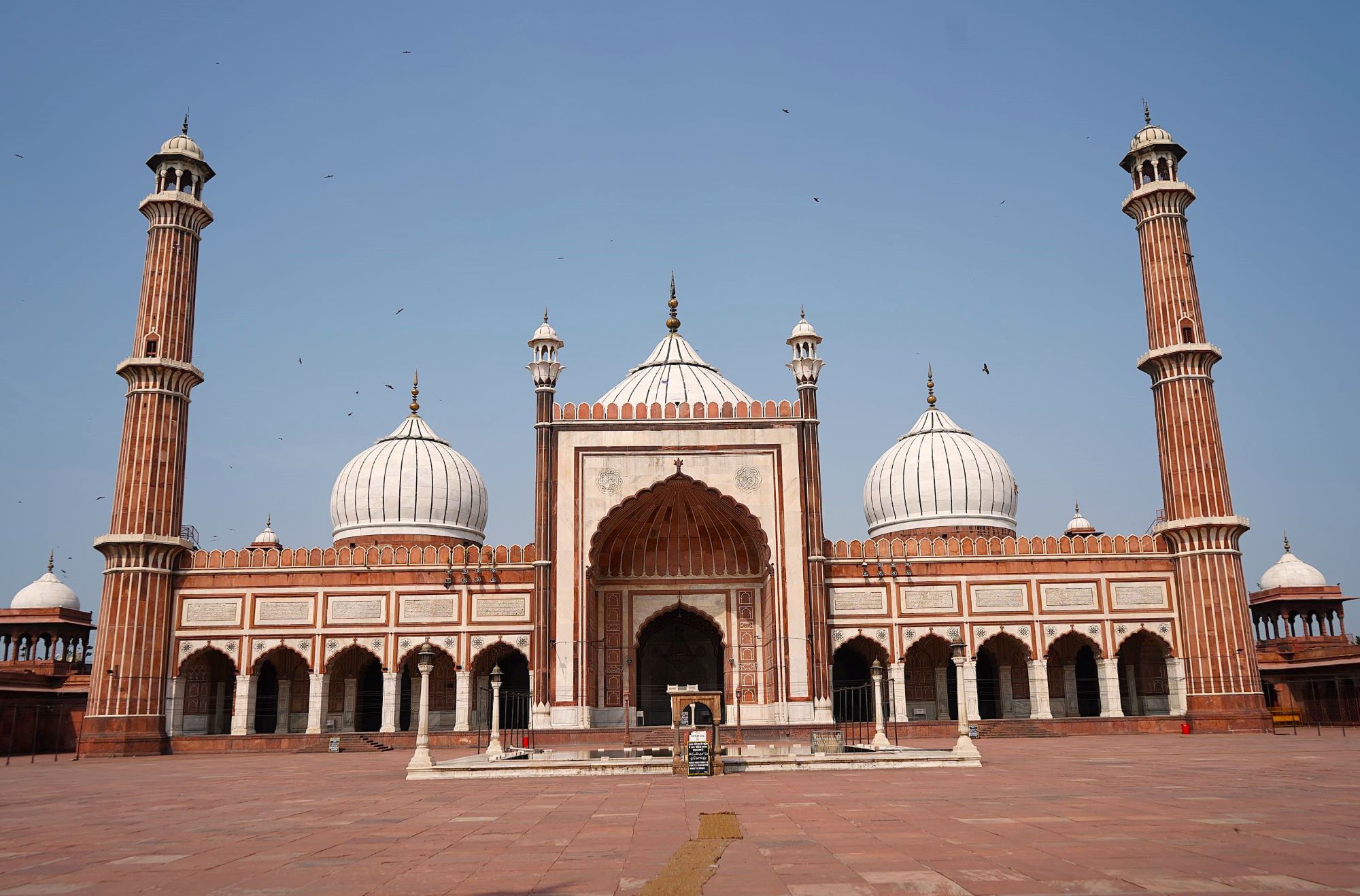
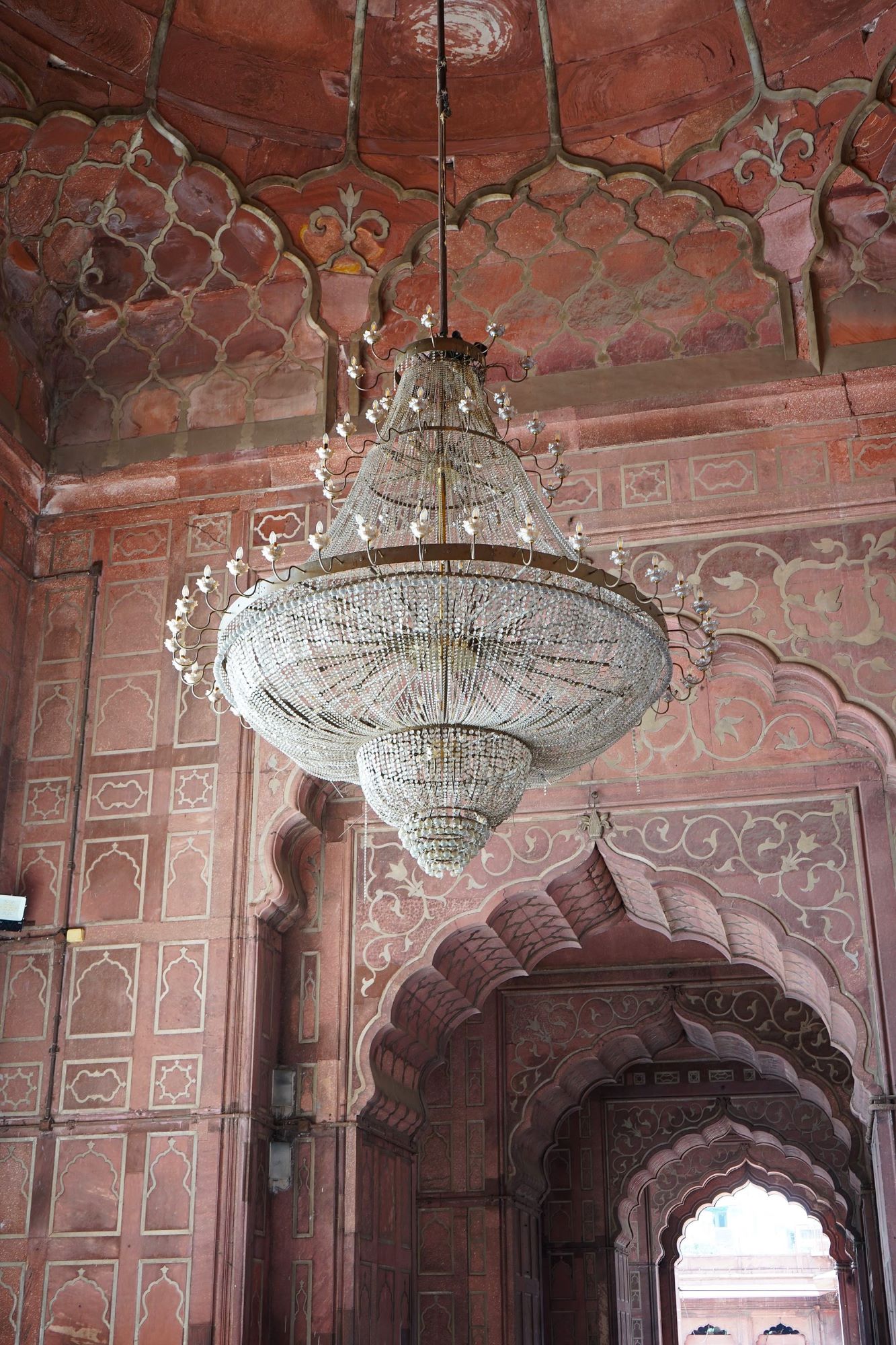
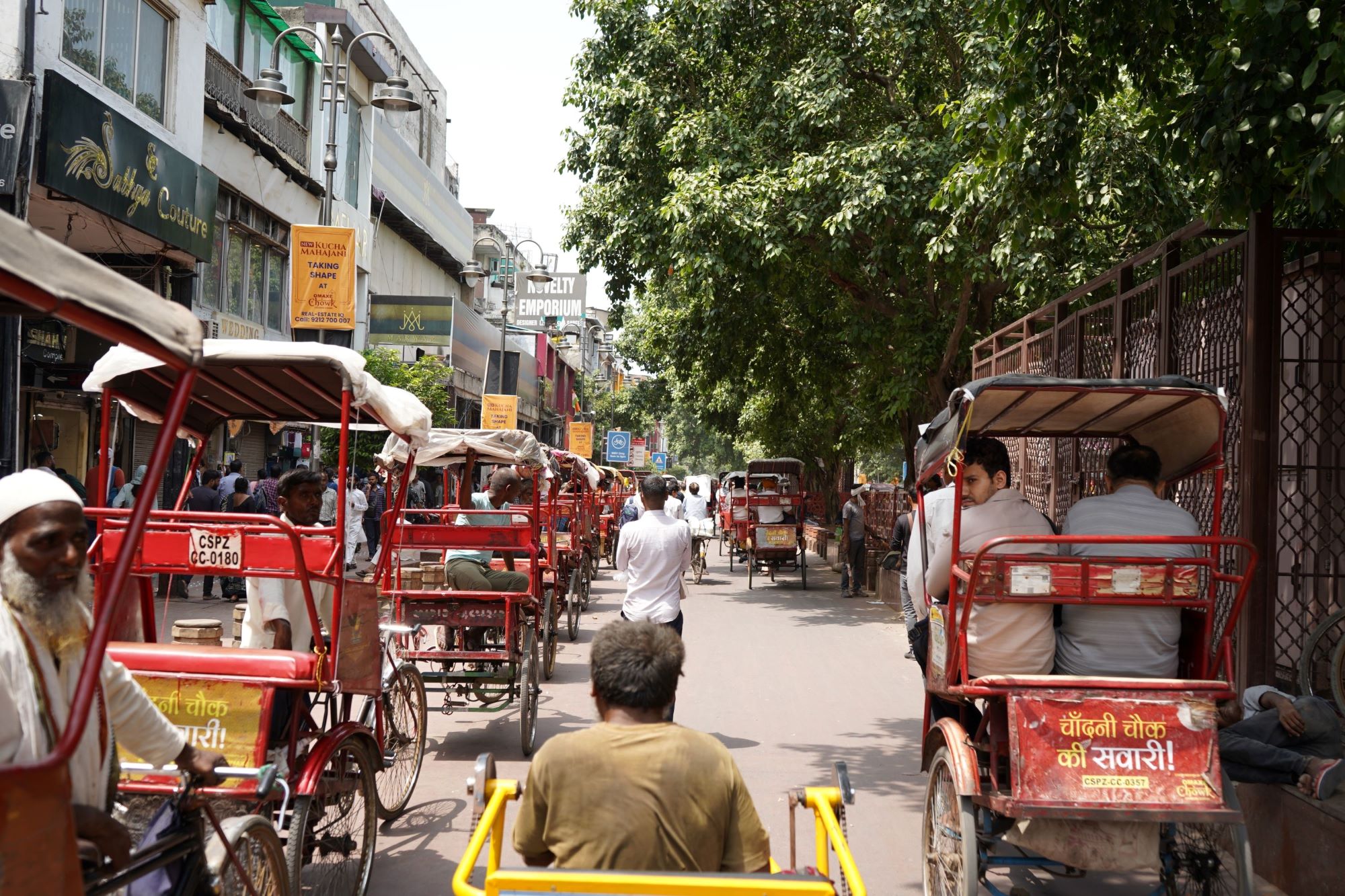
Our heritage walk begins at the grand Jama Masjid, Shah Jahan’s majestic red sandstone mosque that rises above the city like a quiet guardian. Standing atop its sweeping steps, you gaze out toward the rhythmic chaos of Chandni Chowk. Moving down the main artery, we reach the sacred Gurudwara Sees Ganj Sahib, marking the site of martyrdom of the ninth Sikh Guru, Guru Tegh Bahadur. The soothing gurbani echoing from its marble halls offers a brief moment of tranquility amid the hum of the bazaar.
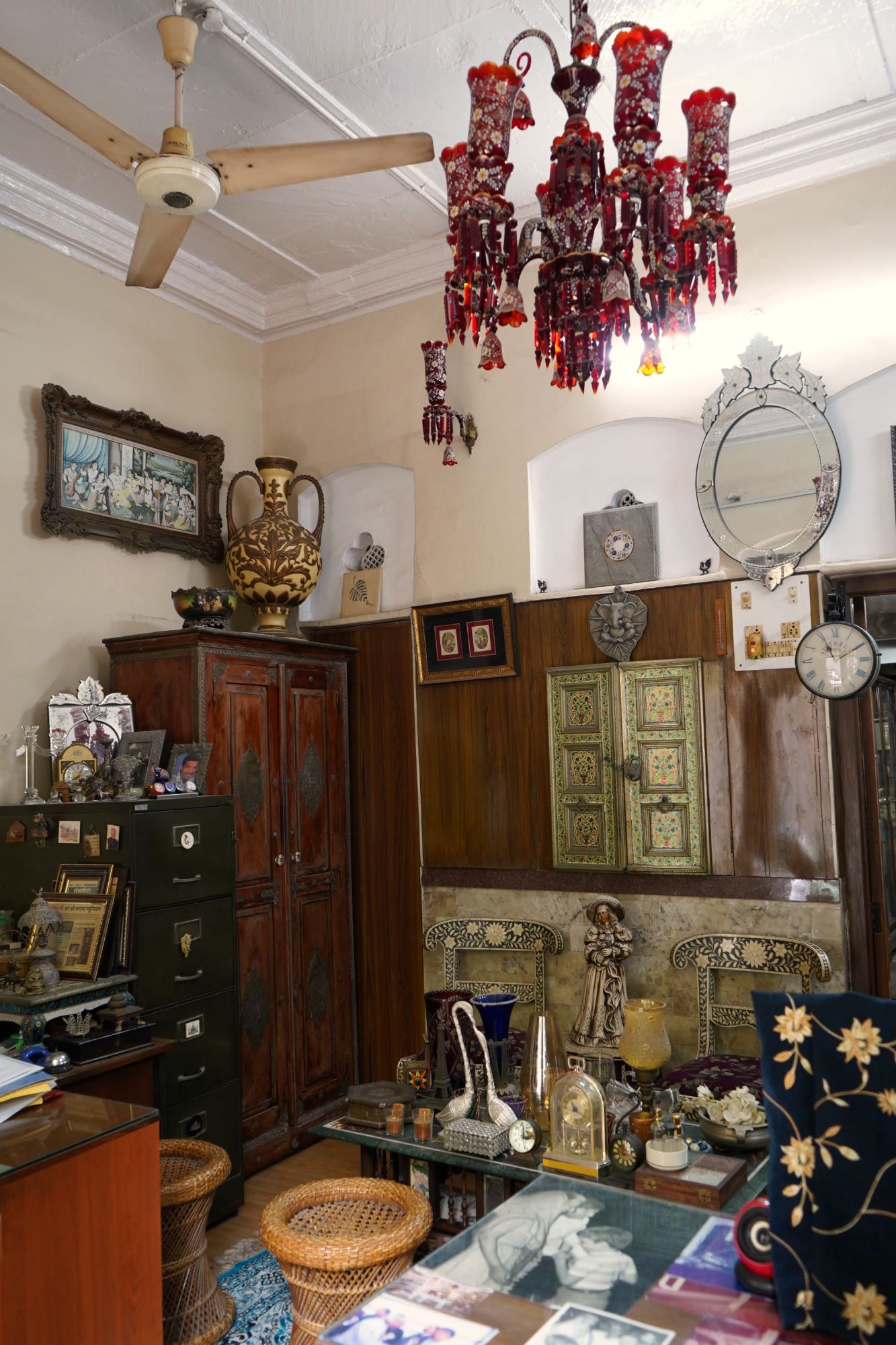
Diving deeper into the labyrinth, we leave the main thoroughfare for the narrow gali-mohallas. We venture first into the serene Jain locality and Naya Jain Temple, where lanes are adorned with intricate marble carvings and ancient Digambar Jain shrines that radiate peaceful devotion. Continuing onward, we enter the Naughara, or Navgrah, locality - a hidden, picturesque lane containing nine colorfully painted havelis dating back to the 18th century, showcasing traditional wooden doors, brass knockers, and intricate floral artwork. From there, the path opens into Kinari Bazaar, a dazzling alley bursting with metallic threads (zari), brocades, bridal lace, and traditional hand-crafted embellishments.
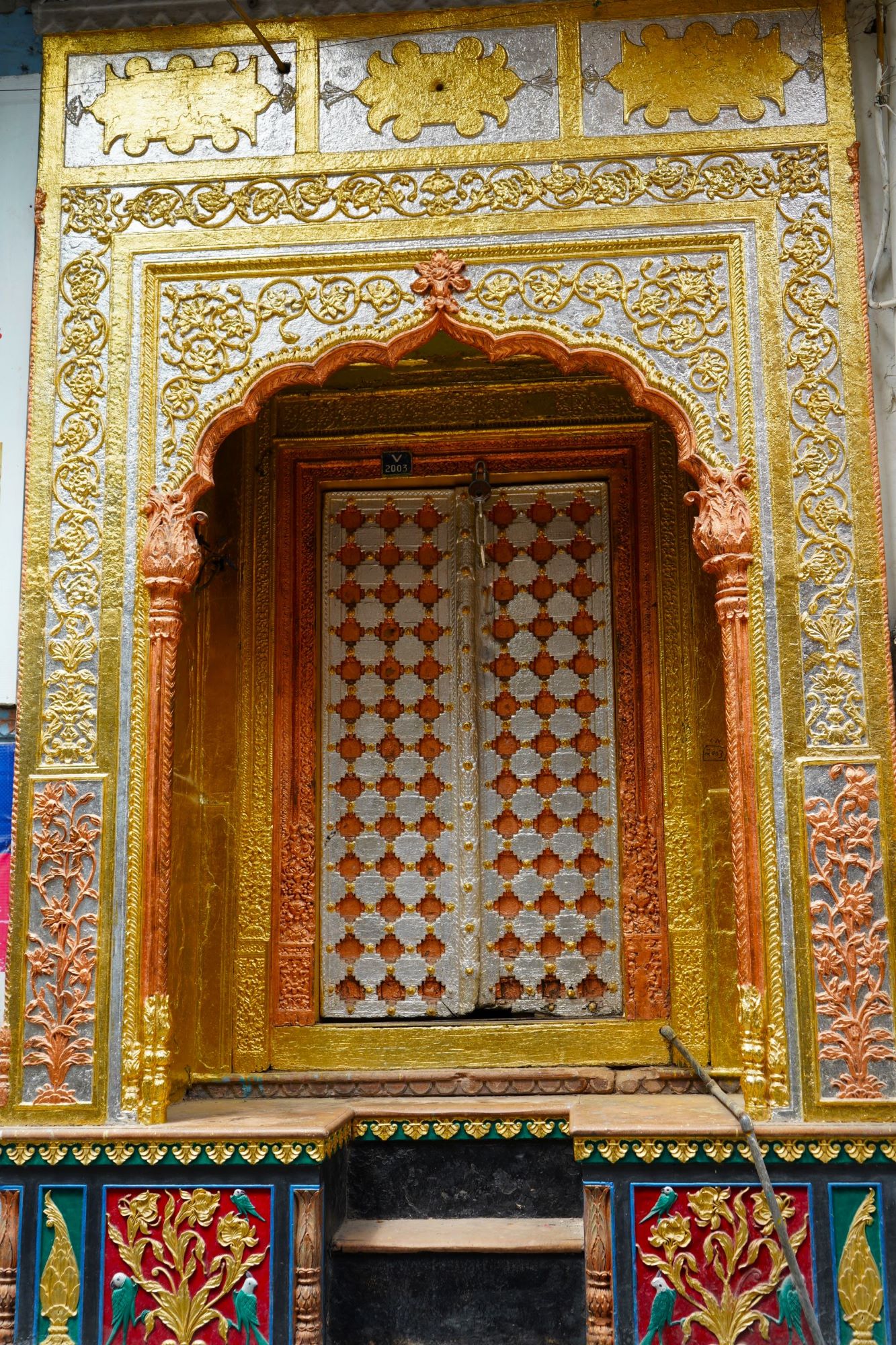
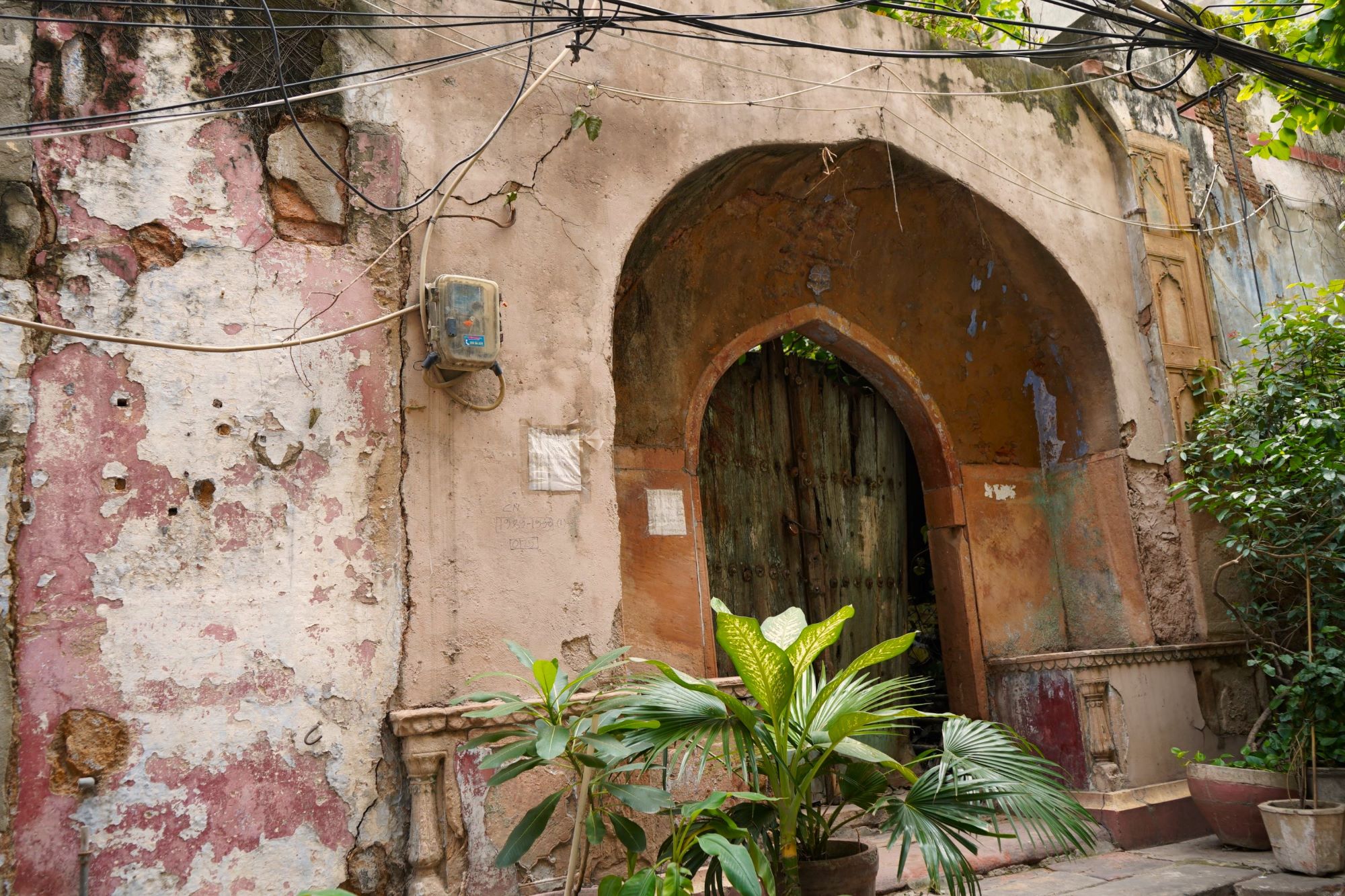
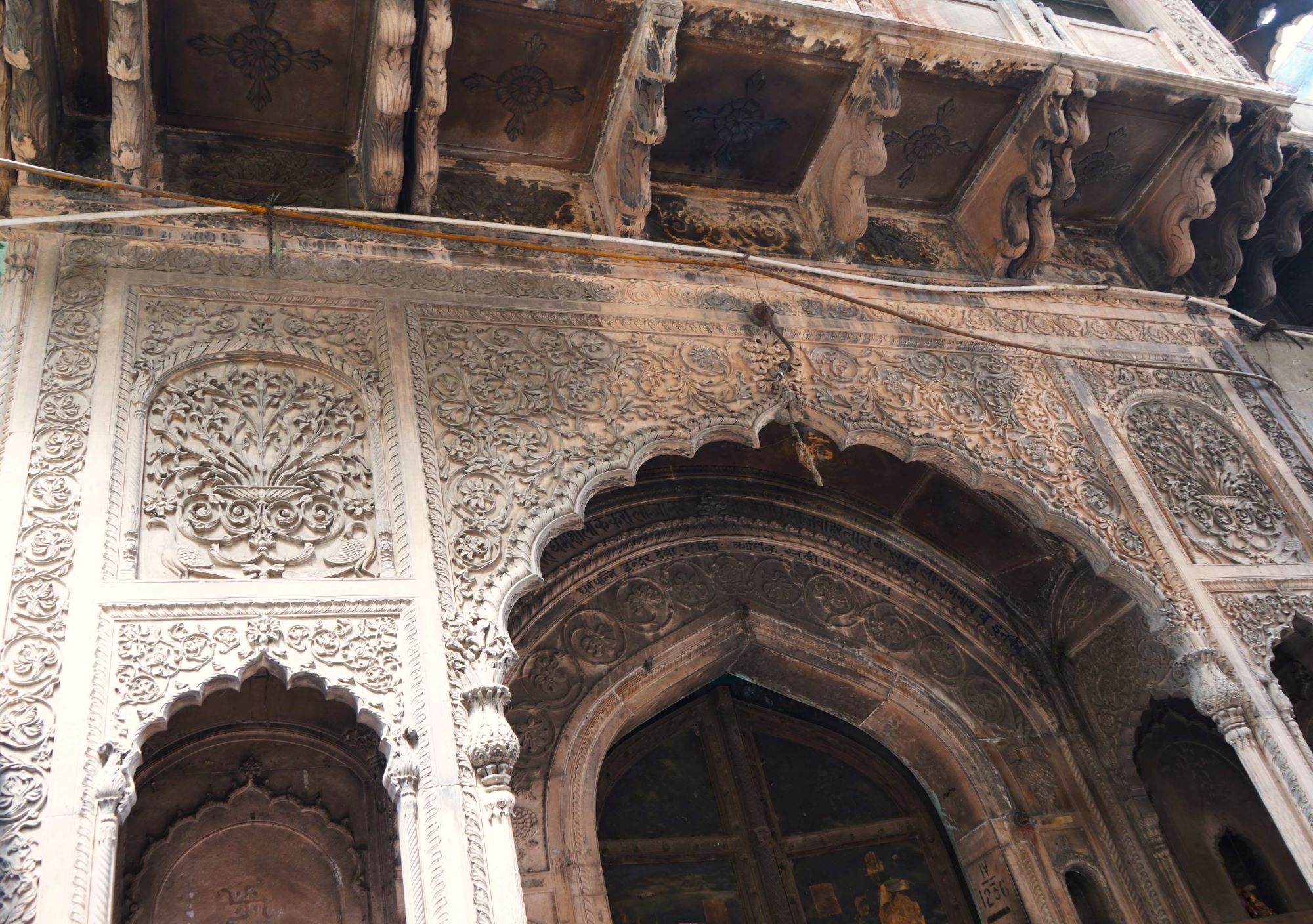
Wandering these residential quarters, you encounter the architectural contrasts of Old Delhi. We step into Haveli Dharampura, a beautifully restored 19th-century mansion that lets visitors experience the original grand courtyards and carved arches of Mughal-era living. Just a few steps away, however, lie countless other havelis in dilapidated conditions - their arched doorways sagging, delicate jharokhas chipped, and sandstone facades fading under the weight of time, offering a poignant reminder of lost glory.
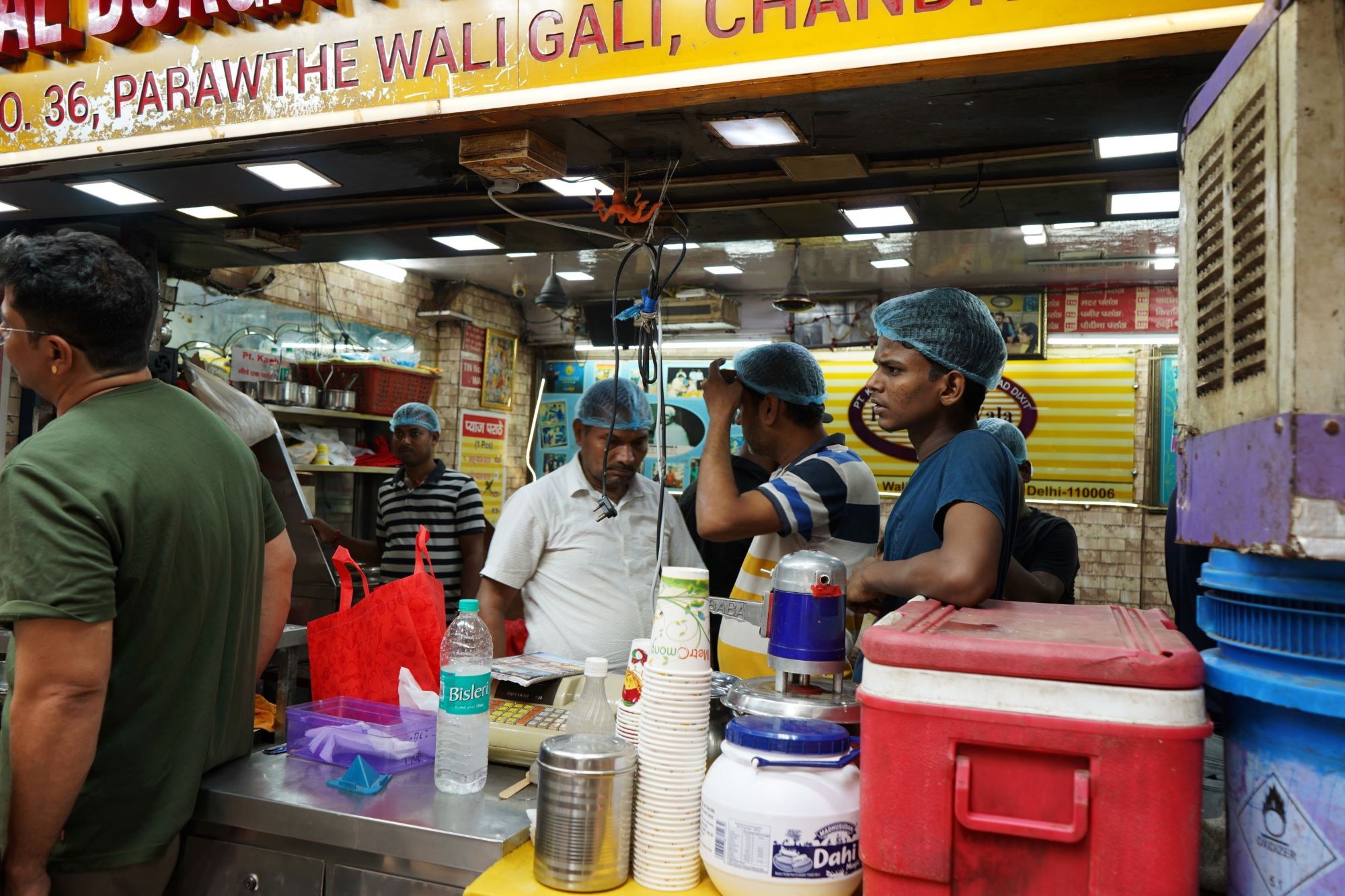
The aroma of sizzling dough and ghee soon lures us into Paranthe Wali Gali, where generations-old eateries fry flatbreads stuffed with everything from rabri to bitter gourd. Re-emerging onto the central avenue brings us to Phawara, or Fountain Chowk, and the stately, Victorian-era Town Hall, built in 1866 during British rule, standing as a physical bridge between Mughal heritage and colonial history.
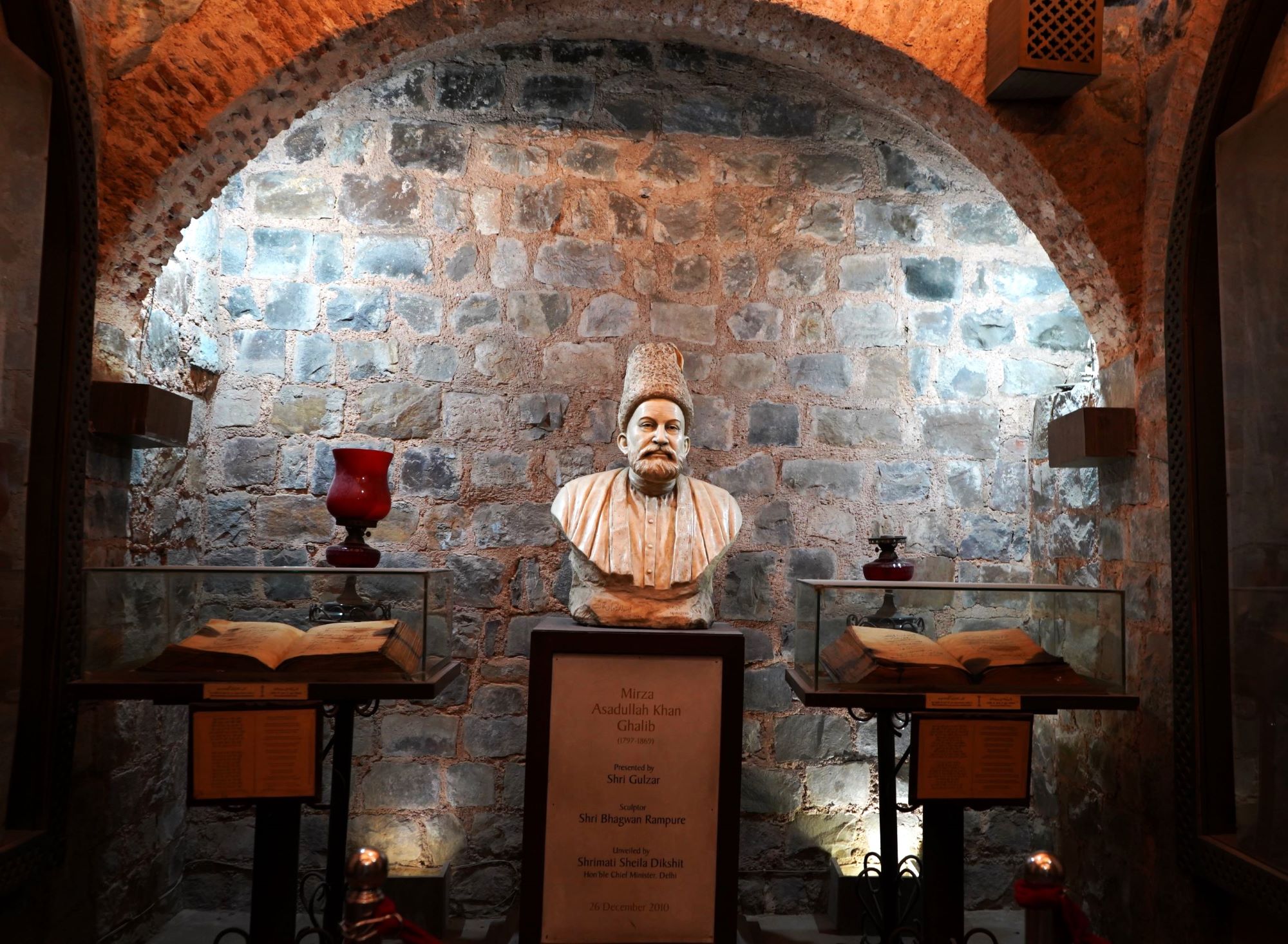
From here, we branch into Ballimaran, historically famous for its boat-makers and opticians. Tucked inside a quiet alley off this busy lane is Ghalib ki Haveli, the humble abode of the legendary Urdu poet Mirza Ghalib. Standing before his courtyard, one can almost hear his famous lines reflecting on the city's spirit:
"Ik roz apni rooh se poocha, ki Dilli kya hai...
To dil se jawab aaya, yeh jism hai aur Dilli iski jaan hai."
(I asked my soul one day, what is Delhi? It replied: the world is the body, and Delhi is its soul.)
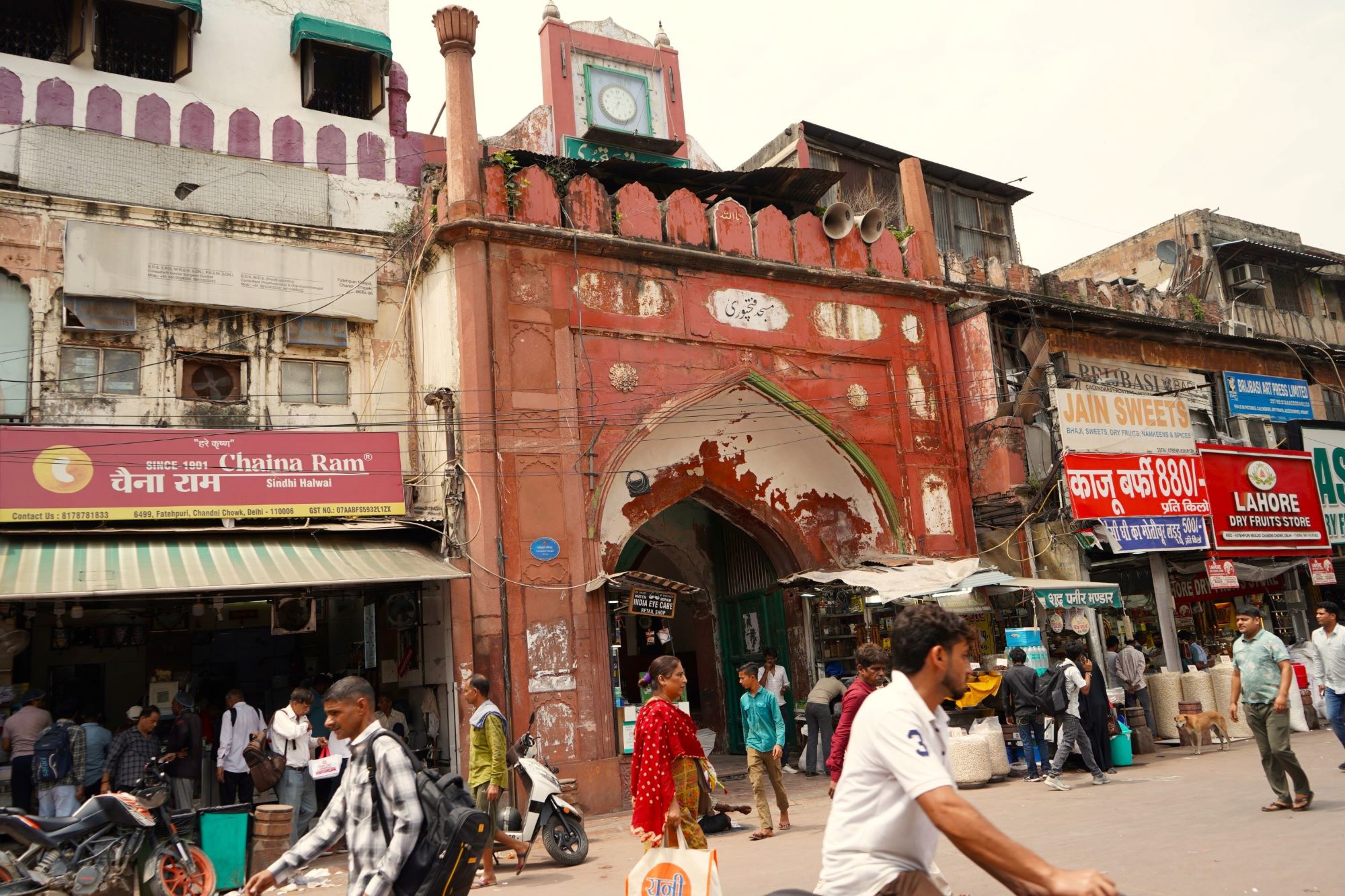
Emerging at the western tip of Chandni Chowk, we encounter the red-sandstone Fatehpuri Masjid, built in 1650 by one of Shah Jahan’s wives. Passing beneath its shadows, our senses are immediately enveloped by a sharp, invigorating burst of aromas as we arrive at Khari Baoli.
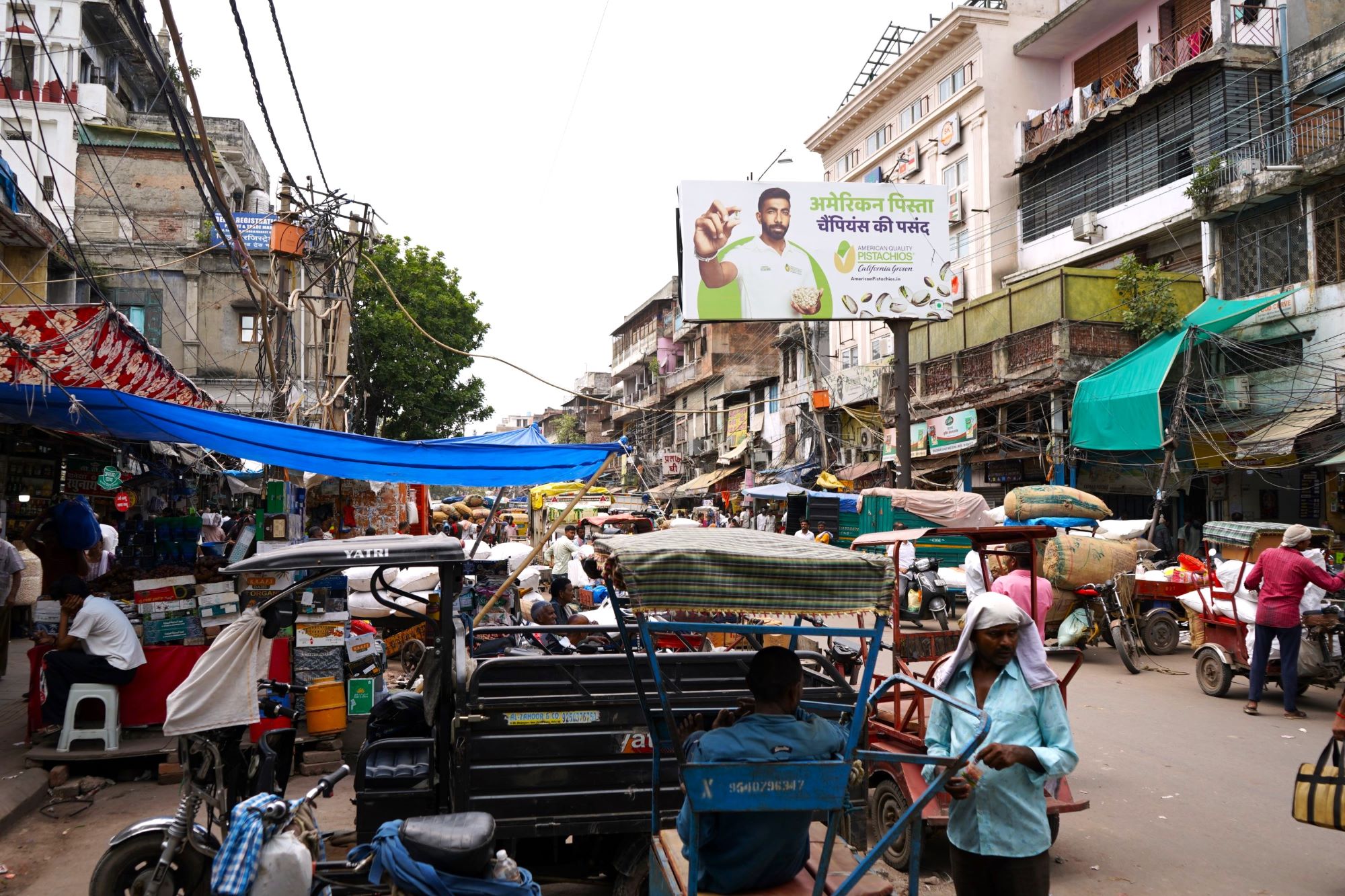
The name Khari Baoli translates to "saline stepwell," tracing its origins to 1551 when a stepwell (baoli) was constructed during the reign of Islam Shah Suri. Because its subterranean waters were brackish (khari), it initially served as a watering stop for animals rather than drinking water. The area's commercial transformation began in 1650 with the construction of the adjacent Fatehpuri Masjid by one of Shah Jahan’s wives. Positioned right near the historic Lahori Gate of Shahjahanabad, this strategic location quickly evolved into North India's busiest trade hub for agricultural goods, herbs, and spices.
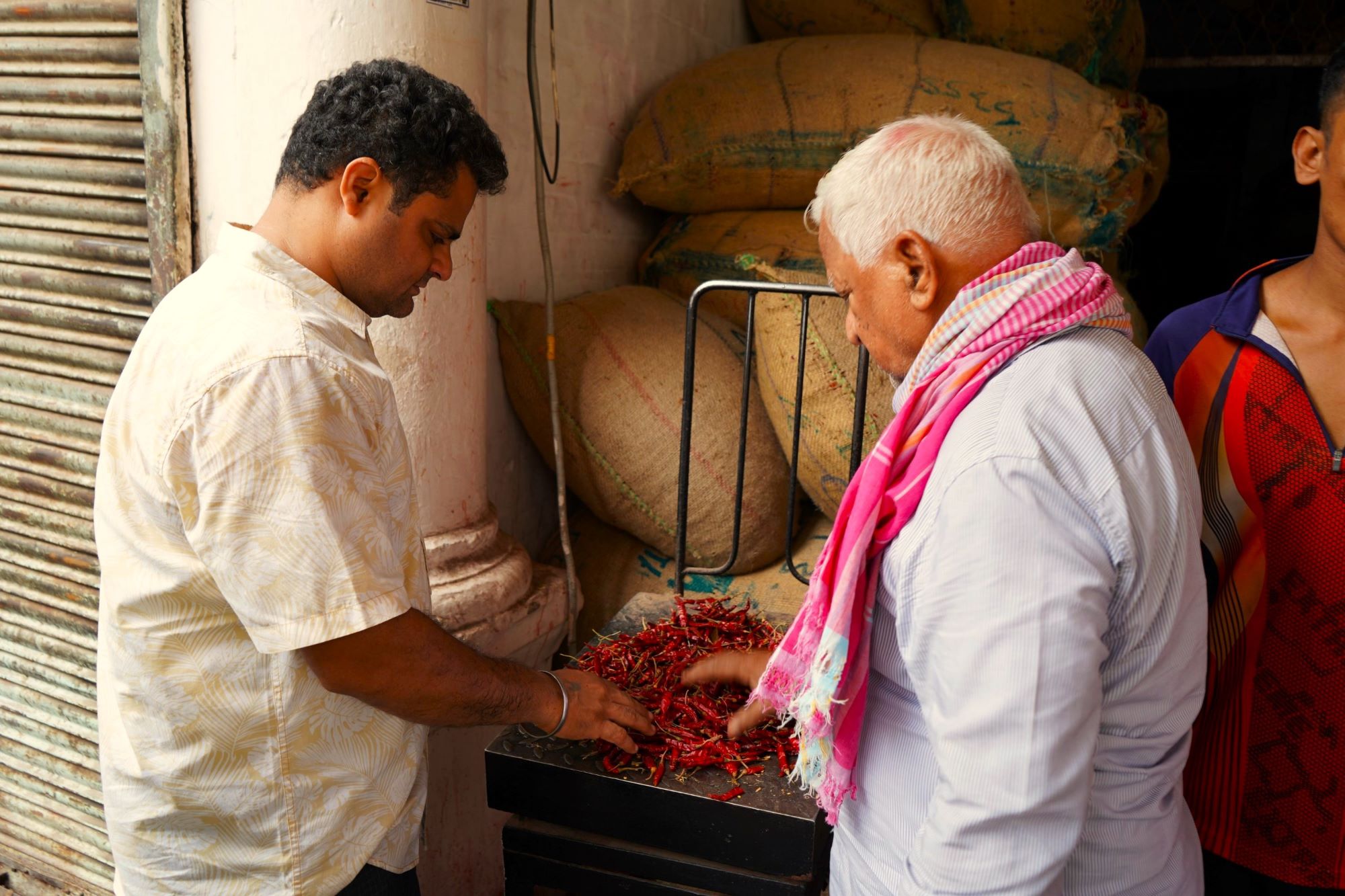
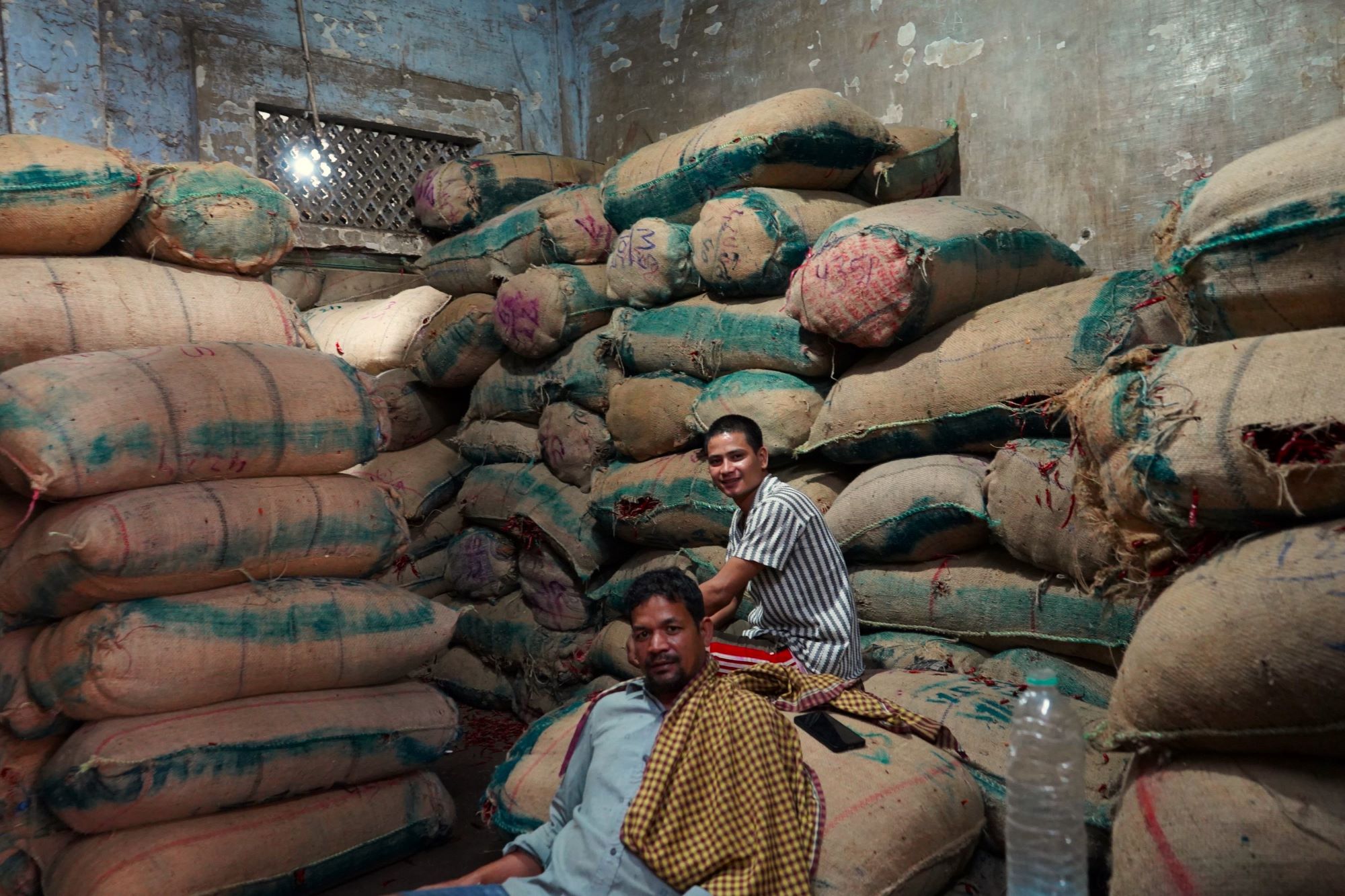
Its stature as Asia's largest wholesale spice market solidified over centuries of uninterrupted trade, gaining further momentum in the 1920s with the construction of Gadodia Market - a grand, multi-story courtyard complex that remains the market's commercial epicenter. Today, Khari Baoli functions as a colossal trade engine rather than just a local bazaar. Multi-generational merchant families operate out of century-old shops, controlling the supply chain for tons of dried red chilies, cardamom, saffron, turmeric, nuts, and rare Ayurvedic herbs that are exported across the globe. Laborers carry heavy sacks past historic shopfronts that have traded in spices for centuries, bringing our walk to an unforgettable, vibrant conclusion that embodies the enduring heart of Old Delhi.
Comments