

Who says rainy days are for staying inside?
While most see the monsoon as a cue to retreat indoors, true wanderers know it’s when the Indian subcontinent pulls back the curtain on its most breathtaking theater. Suddenly, the world awakens: mist-veiled peaks emerge, waterfalls find their roar, and sun-baked valleys stir into life, washed in vibrant, almost neon shades of emerald.
From the moment the first drops kiss the southern coast in June until the final showers sweep across the northern plains in September, the entire landscape transforms into a living, breathing watercolor painting.
Forget the myth of damp spirits. Monsoon and post-monsoon travel is the ultimate insider’s secret for a crowd-free, deeply romantic escape. Some corners of India don’t just endure the rain - they thrive in it, turning into realms of pure magic.
Ready to fall in love with the wet season?
Kashmir: The Emerald Shield
When the heavy southwest monsoon storms sweep across the plains of India, they break against the massive granite walls of the Pir Panjal range. This creates a spectacular natural phenomenon: while the central Himalayas experience torrential downpours, the Kashmir Valley remains protected, receiving only gentle, intermittent showers. In July and August, the valley transitions into an intense shade of emerald, where the meadows of Gulmarg and Sonamarg smell deeply of fresh pine, and the hillsides look completely revitalized.
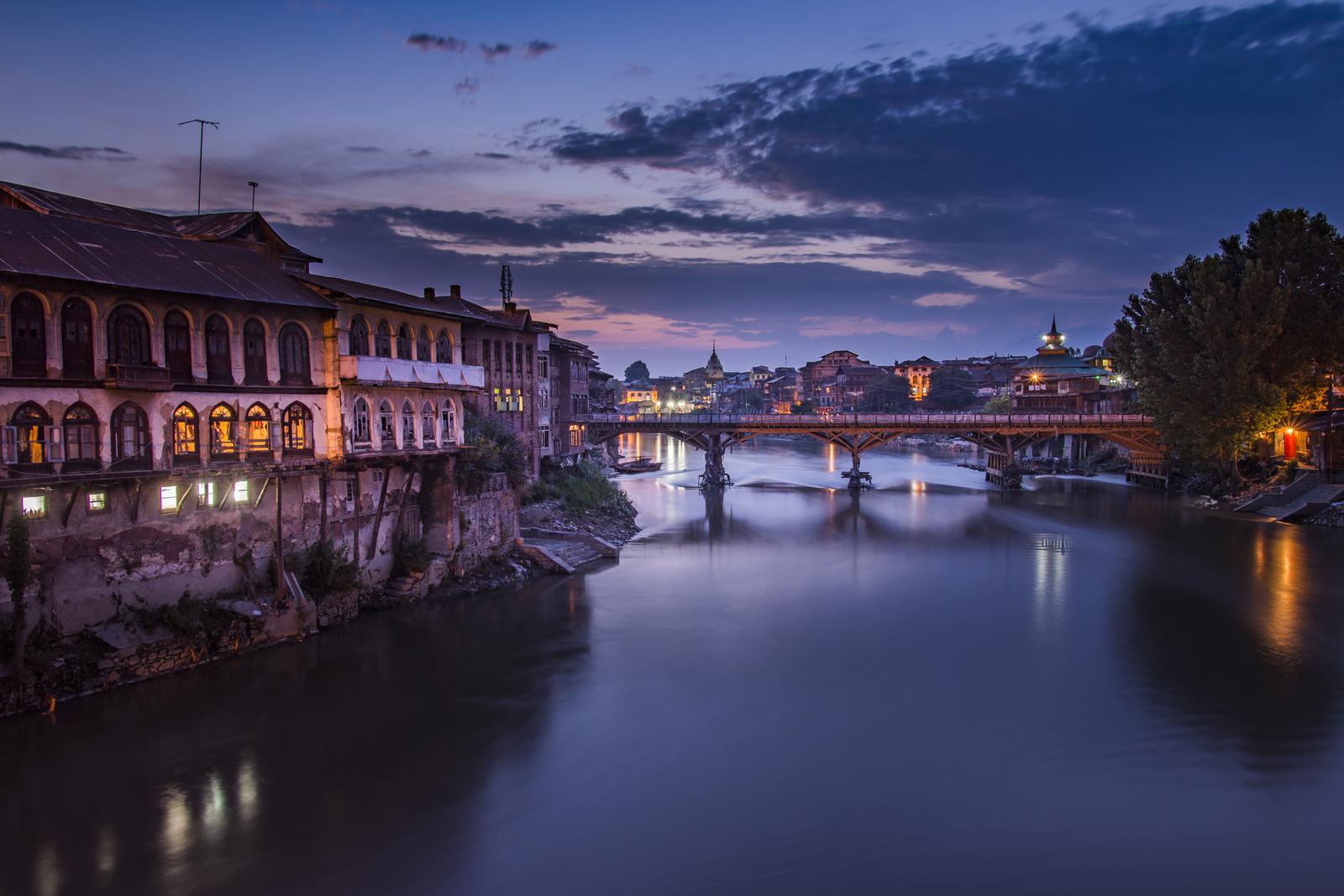
Down on the iconic lakes of Srinagar—Dal and Nigeen—the water comes alive with thousands of blooming pink lotuses and water lilies. A rainy afternoon here is a lesson in slow living, best spent on the sheltered wooden porch of a cedar houseboat, watching the mist roll over the Zabarwan mountains while cradling a hot, saffron-infused cup of kahwa.
Udaipur, Rajasthan: The Monsoon Oasis
While Rajasthan is traditionally associated with arid desert landscapes, Udaipur offers a completely different experience during the rainy season. As the clouds gather over the ancient Aravalli hills, the city’s interconnected lake system fills to the brim, washing the white marble palaces in a soft, ethereal gray light. The surrounding hills transform dramatically from dry brush to a vibrant, velvety green, reshaping the entire look of the landscape.
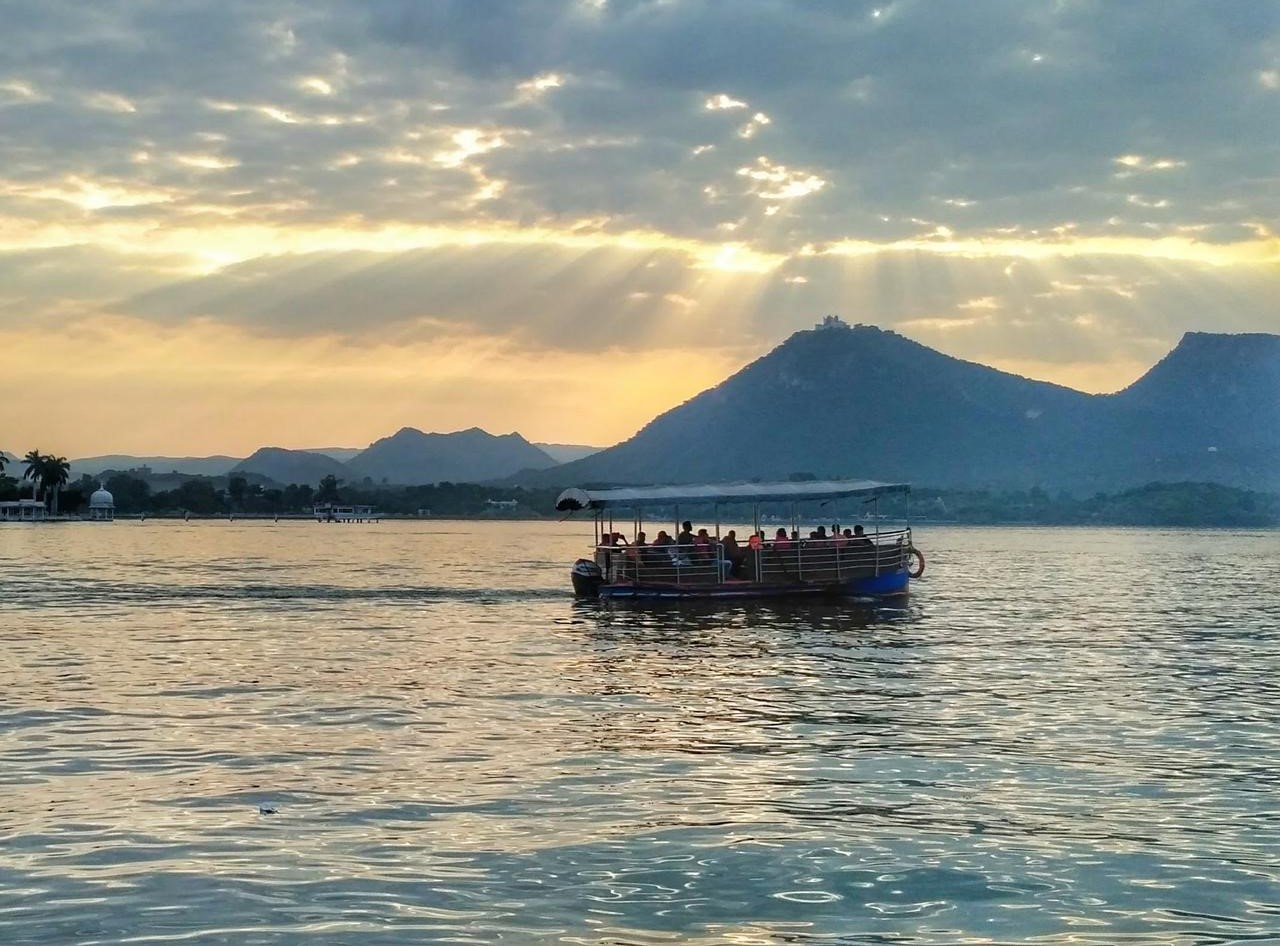
Perched high above the city, the Sajjangarh Monsoon Palace—originally built by the Maharana specifically to watch the progress of the monsoon clouds—offers a panoramic view of the water-filled valleys below. Down on the lakes, a slow boat ride on Pichola feels incredibly peaceful, with the rain-washed City Palace reflecting beautifully on the calm, glass-like water.
Bundi: A Monsoon Symphony Unveiling Timeless Marvels
When the spirited southwest monsoon graces Bundi during the holy month of Sawan, the town transforms into an enchanting sanctuary of nature and history. Morning downpours give way to gentle, day-long drizzles as clouds gracefully drift across the Aravalli peaks, wrapping the landscape in a moist, comforting blanket. Under this magical, overcast sky, the town's famous indigo-painted houses unveil mesmerizing shades of blue, while the surrounding rugged hills come alive with rushing streams and hidden waterfalls.
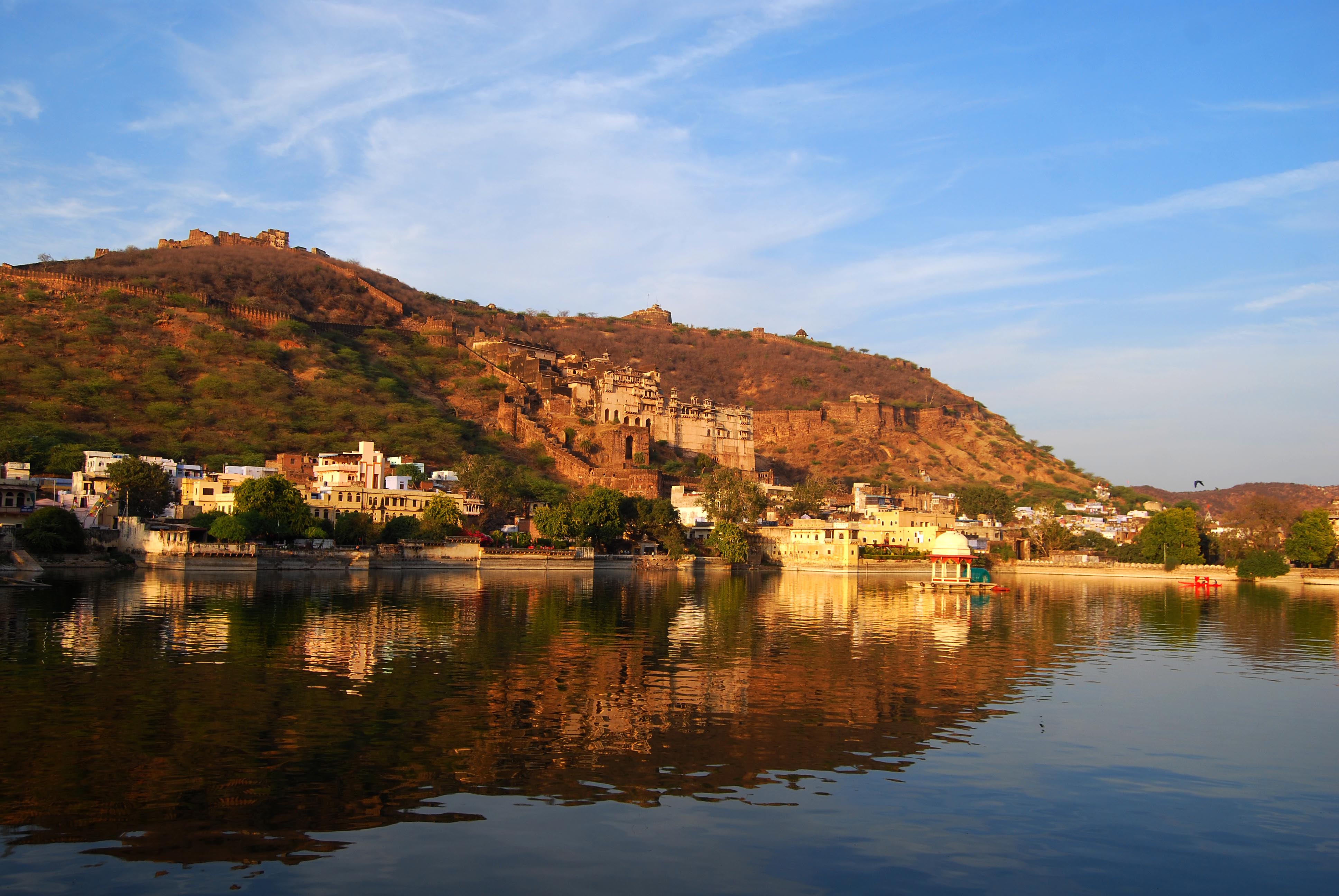
This harmonious weather sets the perfect stage to explore Bundi’s lazy lanes and vibrant bazaars, rich with historic havelis, mosques, and the ancient stepwells that earned it the moniker 'Chotta Kashi'. Whether pedaling on a bicycle or cruising past the town's full lakes and lively reservoirs, visitors are treated to an authentic slice of local life. Bundi beckons with open arms during the rains, weaving a timeless symphony of culture and nature into an unforgettable monsoon memory.
Orchha, Madhya Pradesh: The River and the Ruins
Orchha feels like a secret hidden in plain sight, but during the monsoon, its quiet charm deepens into something truly poetic. The town’s soaring 16th-century Bundela cenotaphs and palaces, built from dark, weathered stone, stand in stark contrast against the dramatic slate-gray monsoon skies. Below them, the Betwa River swells into a powerful, rushing current, its roaring waters echoing through the ancient monuments.
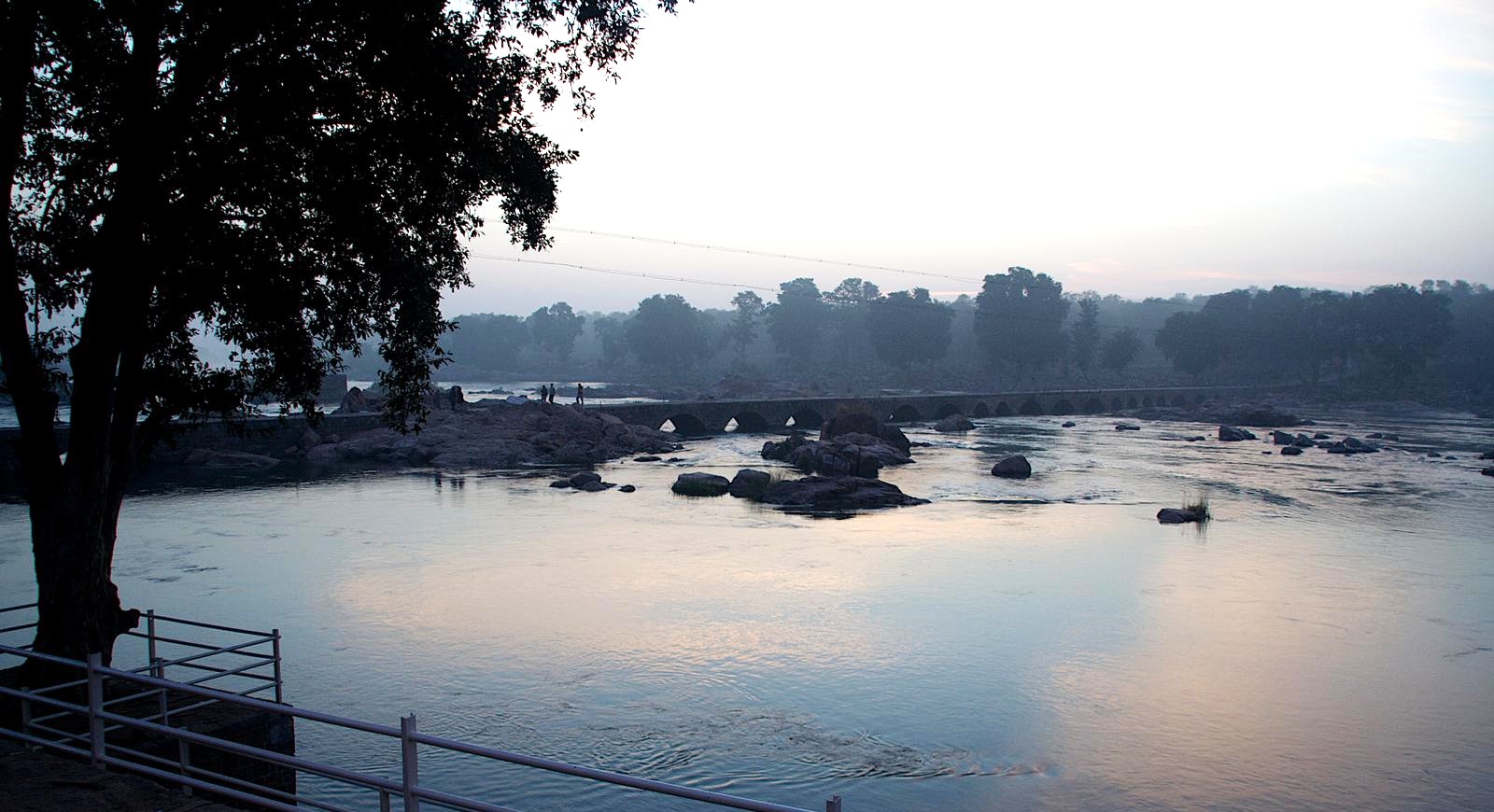
The rain coaxes rich, earthy petrichor from the soil and covers the intricate carvings of the Jahangir Mahal in a fine layer of green moss. It is a photographer's dream destination, where the absolute absence of large tourist crowds allows you to walk slowly through empty courtyards, listening to the rhythmic sound of rain hitting centuries-old stone structures.
Mandav (Mandu), Madhya Pradesh: The Floating Citadel
Historically known as Shadiabad—the City of Joy—the hilltop fortress of Mandu was built specifically to celebrate the rainy season. Perched on the edge of the Vindhya plateau, the entire citadel becomes enveloped in thick, low-flying clouds and swirling mist throughout July and August. The weather creates a moody, dramatic backdrop that perfectly suits the sweeping scale of the ancient plateau.
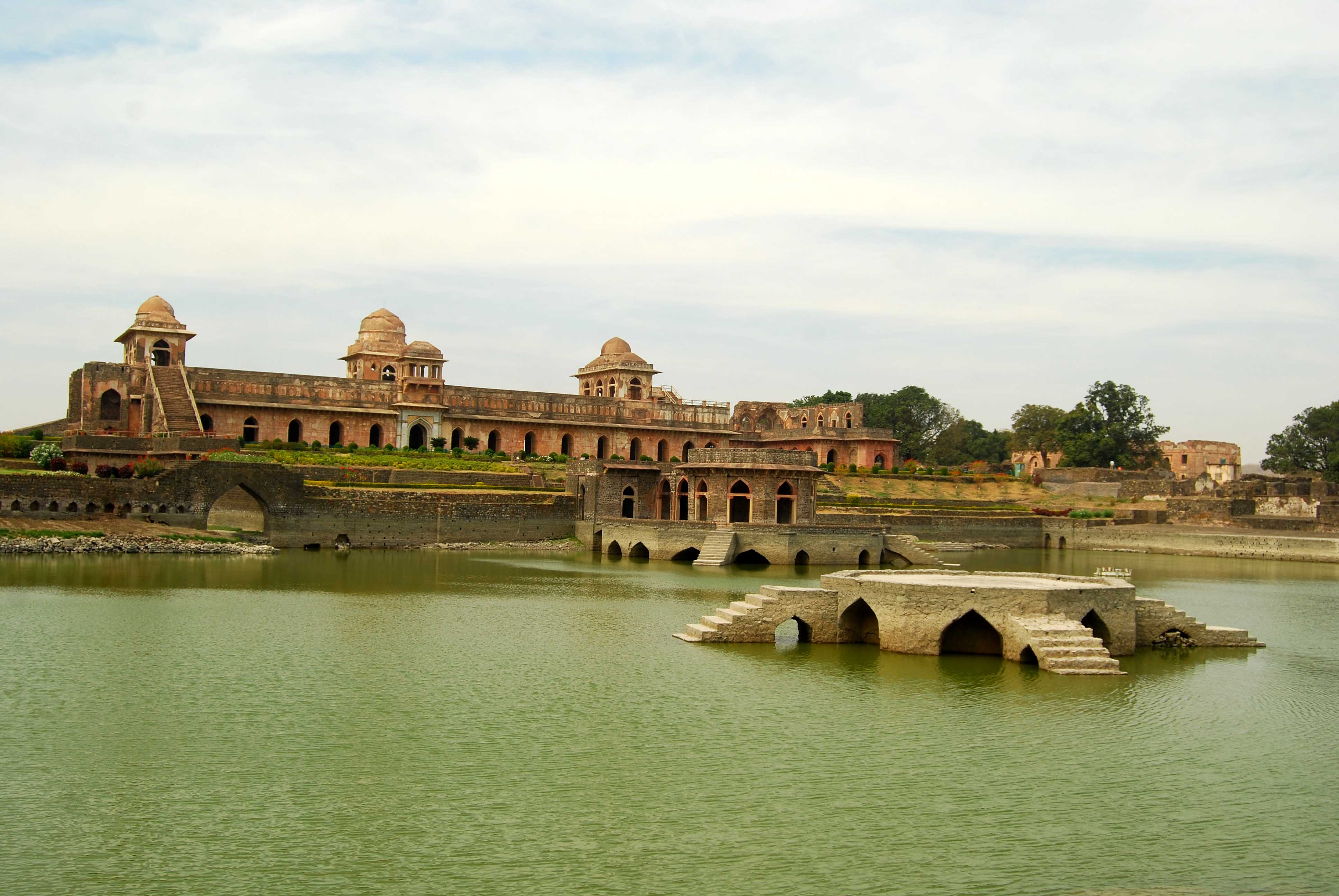
Its architectural jewel, the Jahaz Mahal (Ship Palace), is engineered beautifully between two artificial lakes; when the monsoon rains fill the reservoirs, the palace appears to float like a royal vessel on the water. The air is filled with romance and the legendary love story of Prince Baz Bahadur and Rani Roopmati, whose pavilion looks out over the rain-drenched Narmada plains thousands of feet below.
South Goa: The Soulful Countryside
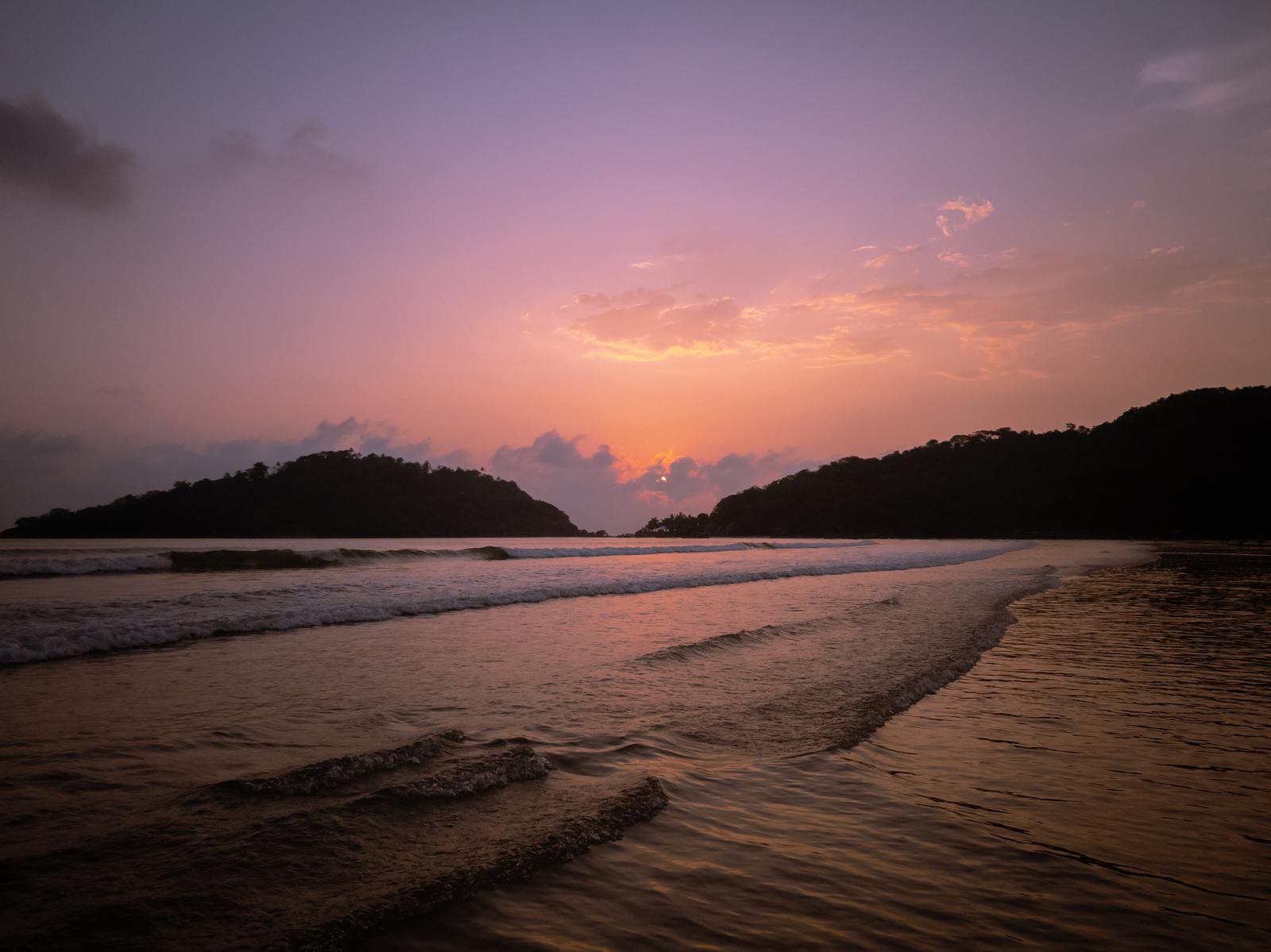
When the frantic beach party crowds vanish with the arrival of the rains, South Goa reveals its true, soulful character. The coastal strip transforms into a quiet, slow-paced paradise of empty, wind-swept sand stretches like Varca and Utorda, where you can stand along the shore and watch dramatic storms roll in over the Arabian Sea.
Inland, away from the coast, the Goan countryside turns an impossible shade of green. Scenic, winding roads lead past traditional Indo-Portuguese mansions with rain-soaked terracotta roofs, vibrant paddy fields, and ancient spice plantations that offer a perfect sanctuary for long, lazy afternoons enjoying a classic Goan fish curry while listening to the steady drumbeat of the rain against the coconut canopy.
Gokarna, Karnataka: The Coastal Cascades
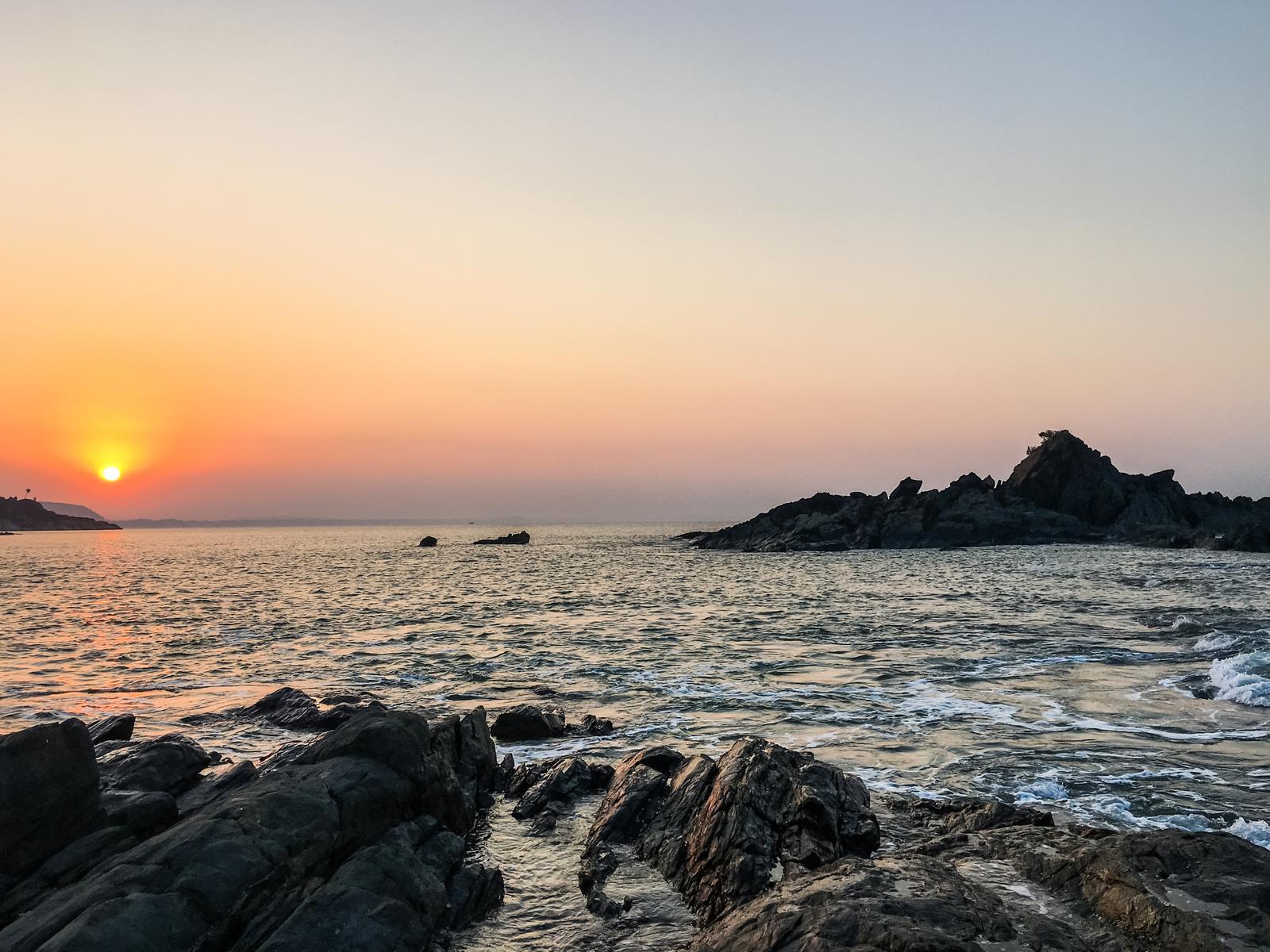
Gokarna during the monsoon is a place of raw, elemental beauty. The rugged cliffs that frame its sacred, crescent-shaped beaches become covered in wild grass, and the sea crashes dramatically against the dark rocks. The usual beach vibe is replaced by a sense of quiet wilderness, making it a spectacular time for introspective walks along the cliffs.
Just a scenic drive inland through the dense, rain-soaked forests of the Western Ghats lies Jog Falls, one of India’s tallest plunge waterfalls. Fed by the relentless monsoon rains, the Sharavathi River transforms from a quiet stream into a thundering wall of water, dropping over 800 feet into a misty chasm below and creating an unforgettable encounter with the wild power of nature.
Chikmagalur, Karnataka: The Birthplace of Coffee
Nestled in the Baba Budan hills, Chikmagalur is the historic cradle where coffee cultivation first took root in India. During the monsoon, this destination becomes an immersive sensory experience where the air is cool, crisp, and thick with the heavy scent of damp earth and wet coffee bark. High-end eco-resorts and vintage plantation bungalows offer a cozy sanctuary away from the elements.
From these comfortable bases, you can watch the mist drift straight through the coffee estates. Gentle walks along the shaded trails reveal bright red coffee berries glistening with raindrops under a dense canopy, capped off by watching the rain cascade down the stepped rock faces of nearby Hebbe or Kalhatti Falls.
Coorg (Madikeri), Karnataka: The Mist-Draped Highlands
Known for its rich Kodava heritage and sprawling landscapes, Coorg turns into a lush, mist-shrouded wonderland when the rainy season arrives. The region’s endless coffee estates and pepper vines are blanketed in a heavy, ethereal fog that lifts only occasionally to reveal rolling green hills. Thundering waterfalls like Abbey and Iruppu reach their peak volume, sending a roaring echo through the valleys.
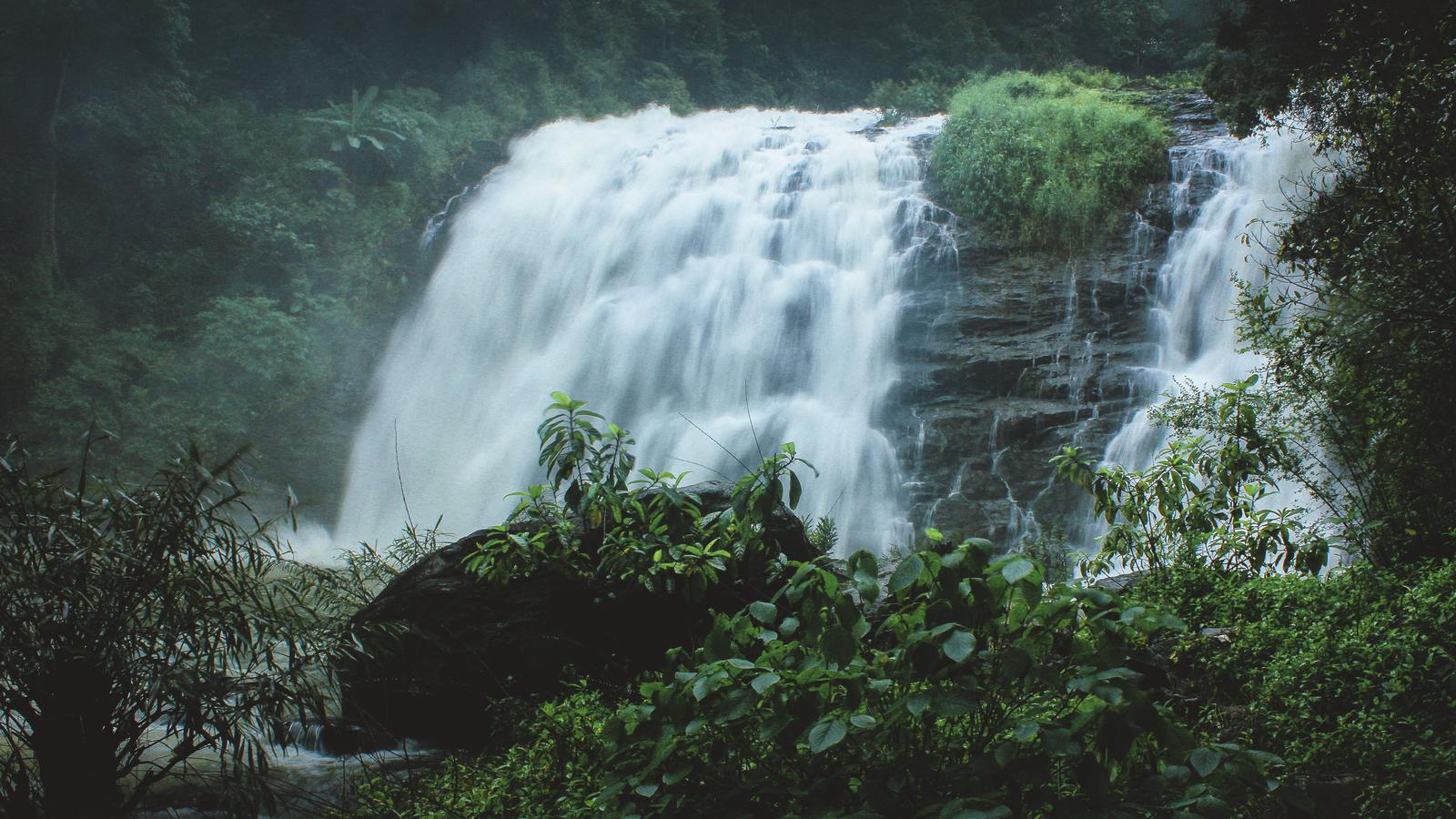
The true luxury of Coorg in the monsoon lies in its exceptional hospitality and slow pace. It is a time for checking into secluded, estate-side villas, enjoying traditional, peppery Kodava cuisine, and watching the rain-washed wilderness change shape from the absolute warmth and comfort of a crackling fireplace.
Pondicherry: White Town in the Rain
Pondicherry offers a unique, coastal take on the rainy season. Because it sits on the Coromandel Coast, it receives only light, refreshing showers from the southwest monsoon between July and September, keeping the climate comfortably cool without washing out exploration. The French Quarter, with its iconic mustard-yellow colonial villas and pale pink bougainvilleas, looks exceptionally striking against the moody, overcast skies.
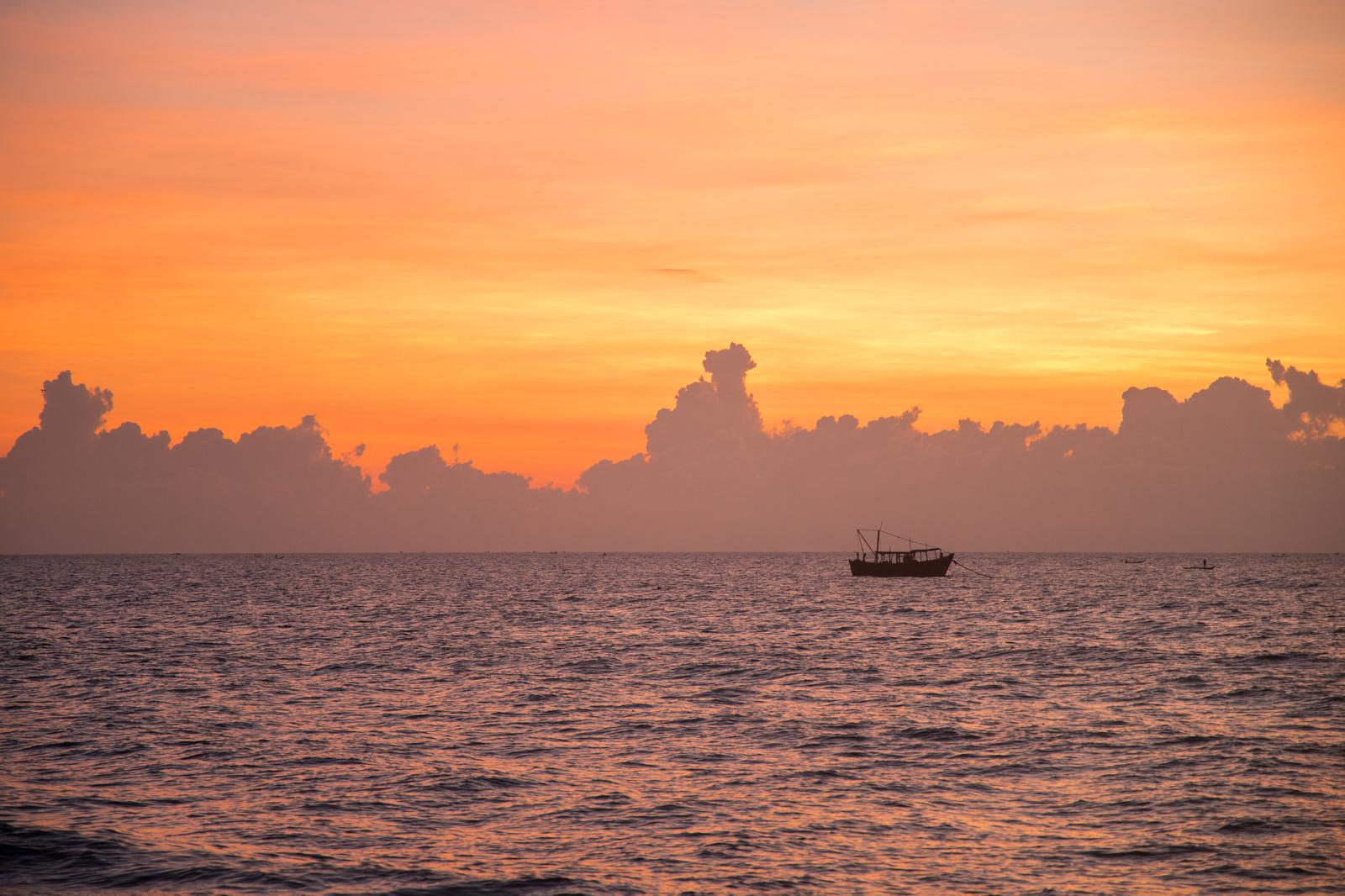
The clean, rain-washed cobblestone streets invite slow, quiet walks without the typical humidity or heavy crowds. It is a season punctuated by ducking into cozy verandas for a fresh croissant and a warm cup of coffee, spending hours watching the raindrops ripple across the Bay of Bengal.
Kodaikanal, Tamil Nadu: The Princess of the Hills
Perched high in the Palani Hills of the Western Ghats, Kodaikanal is a mountain retreat that seems designed specifically for cloudy, atmospheric weather. The cool, crisp air is a welcome escape from the summer heat, and the entire town becomes wrapped in a soft blanket of fog that slows down the pace of everything around it.
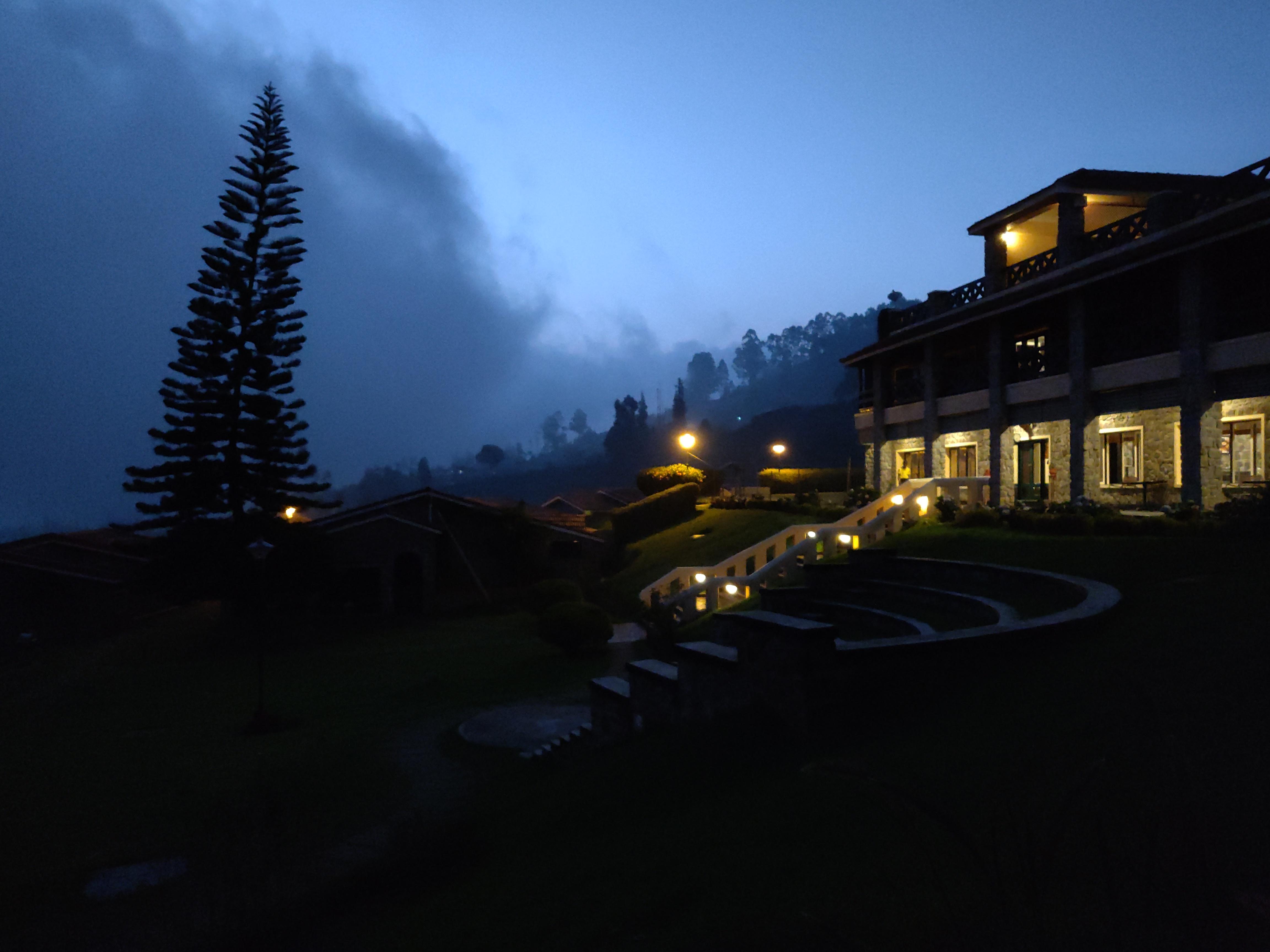
The star-shaped Kodaikanal Lake takes on a mystical quality as low-flying clouds brush across the dark water, making a slow boat ride or a walk along the shore feel incredibly peaceful. Nearby, the dramatic, towering Pillar Rocks disappear and reappear through the shifting monsoon mist, offering a mesmerizing, ever-changing landscape for heritage photography.
Munnar, Kerala: The Emerald Canvas
Munnar during the monsoon is nothing short of a living painting. The endless, rolling hills of manicured tea plantations are washed clean by the rain, creating a flawless, vibrant green carpet that stretches as far as the eye can see. Thick plumes of white mist rise from the valleys, wrapping around the isolated peaks and drifting lazily across the winding mountain roads.
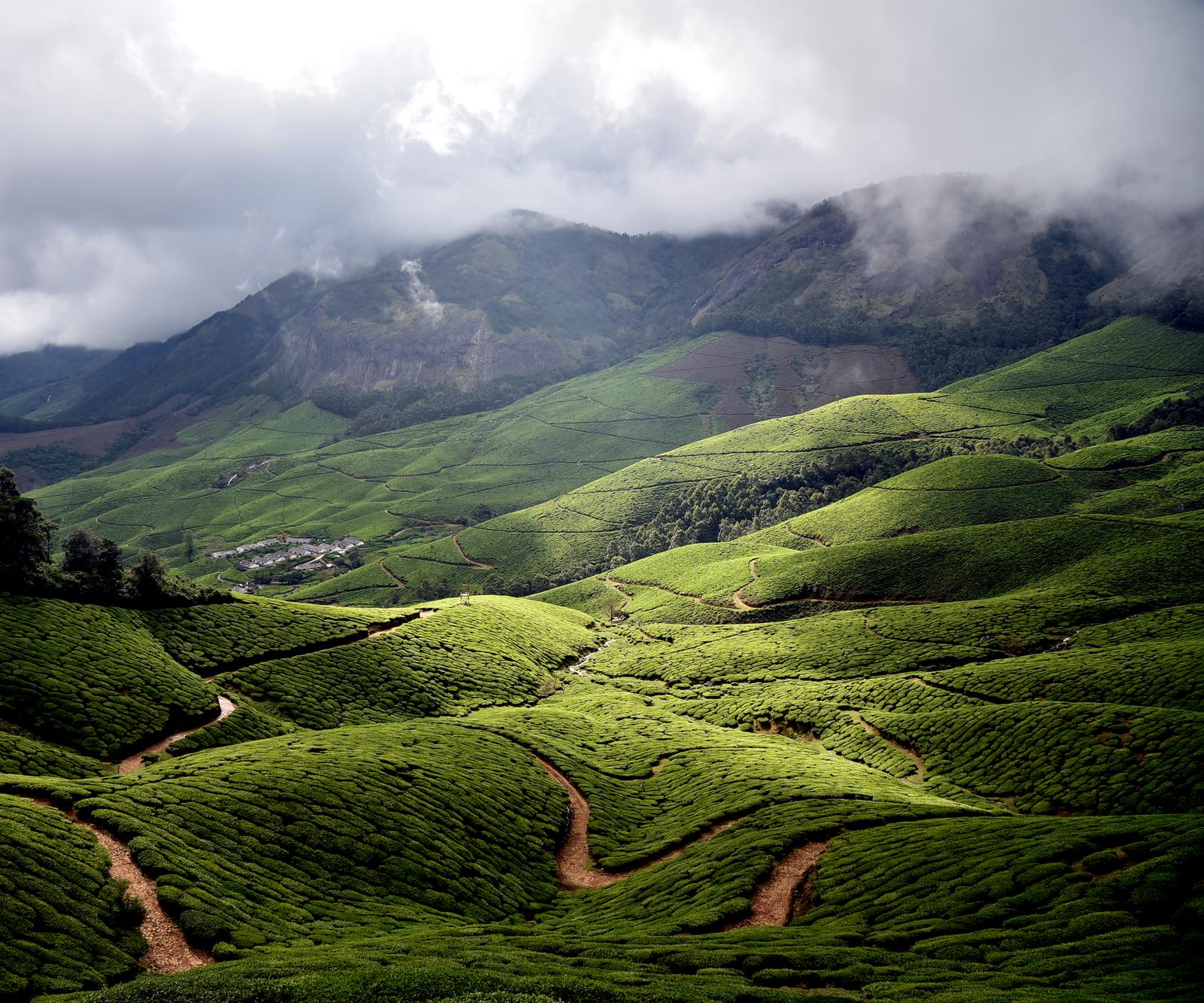
The cool, damp air is incredibly refreshing, making it the perfect backdrop for slow exploration. It is an ideal time for checking into a luxury plantation resort, learning the delicate art of tea-making during estate tours, and watching seasonal waterfalls burst to life along the sheer rock faces of the Western Ghats.
Amboli
Nestled in the Sahyadri Hills of Maharashtra, Amboli is rapidly emerging as one of India’s top monsoon destinations. As the wettest place in the state, receiving nearly 750 cm of annual rainfall, this unexplored "Eco Hot-Spot" transforms into a misty paradise from June to October. Its crowning glory, the roaring Amboli Falls, draws travelers seeking pristine nature, unique biodiversity, and rare, panoramic vistas that look out past dense forests directly onto the sandy Konkan coastline and the Arabian Sea.
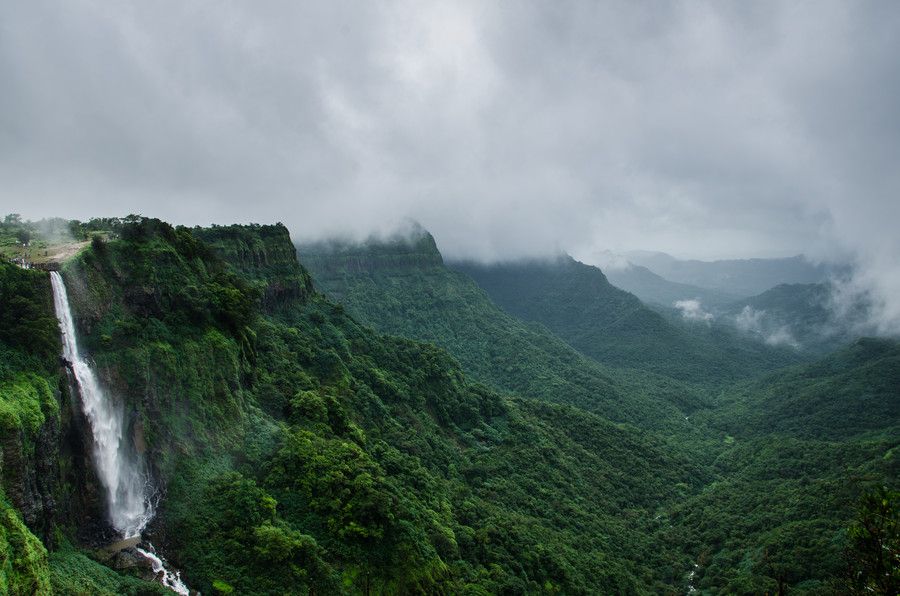
Historically a British staging post, this tranquil retreat seamlessly blends heritage with natural wonder. Visitors can explore the ancient Hiranyakeshi Shiva temple—the source of the Krishna River—or trek up Madhavgad Fort for spectacular coastal views. Whether you are chasing monsoon waterfalls or seeking quiet winter solitude along its forested paths, Amboli offers an idyllic, crowd-free escape into nature's lap.
Image credit: Picxy.com
Comments